
 EN
EN


Eye and NasalArea Patch Shape Optimization
The optimization of patch shapes for eye and nasal areas has become a critical consideration in modern healthcare and wellness applications. Traditional approaches to nasal breathing enhancement have evolved significantly, with advanced patch technologies now offering targeted solutions for improved respiratory function. Nasal strips represent a breakthrough in non-invasive breathing aid technology, providing users with immediate relief from congestion and enhanced airflow capacity. The geometric design and material composition of these patches directly influence their effectiveness in opening nasal passages and maintaining comfortable adherence throughout extended wear periods.
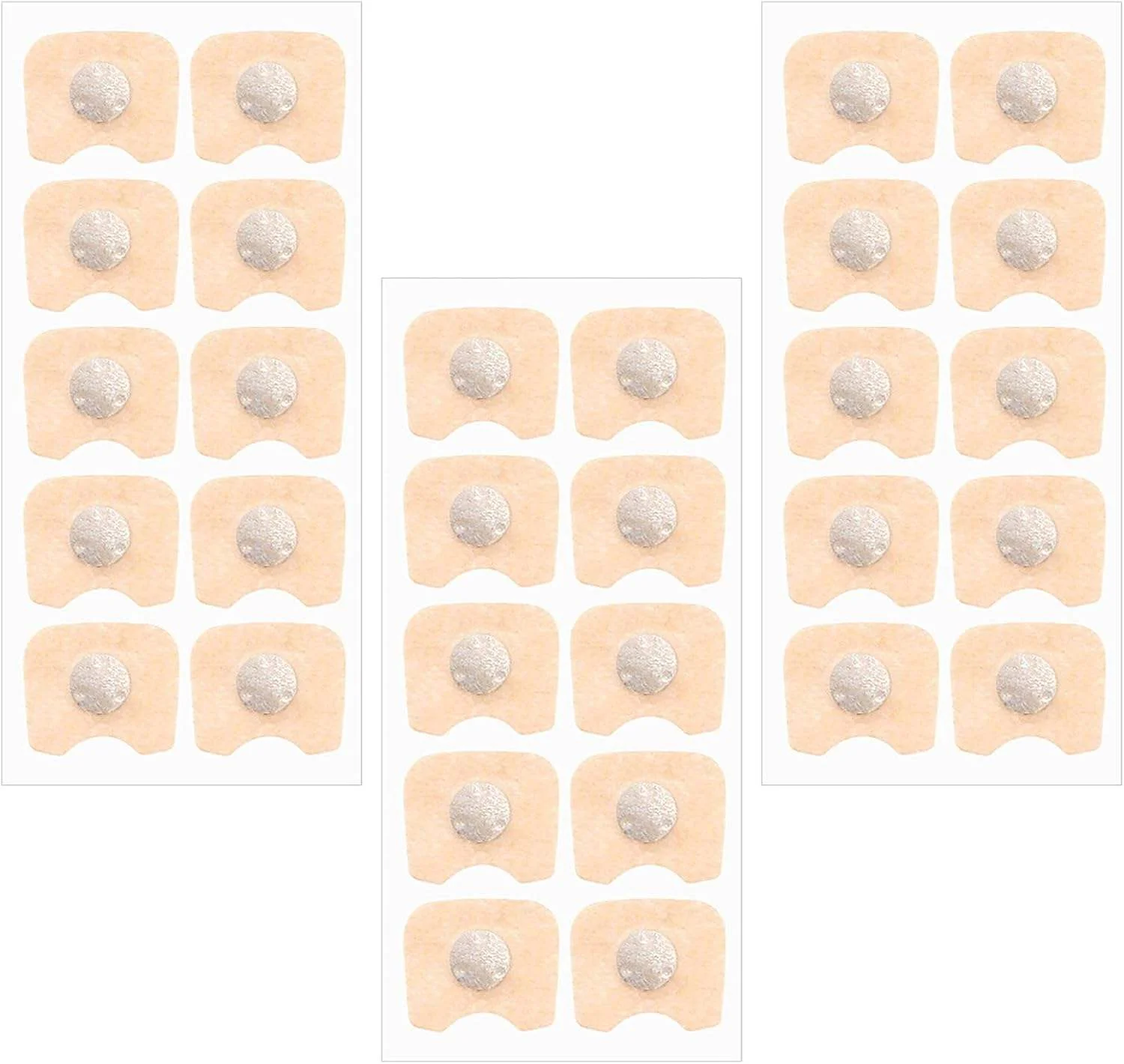
Modern consumers increasingly demand sophisticated solutions that combine therapeutic benefits with user comfort and aesthetic appeal. The development of optimized patch shapes addresses multiple physiological requirements while ensuring maximum adherence and minimal skin irritation. Research in biomechanical engineering has revealed that properly designed nasal strips can improve breathing efficiency by up to forty percent in clinical studies. This significant improvement stems from precise understanding of nasal anatomy and the application of advanced materials science principles.
Anatomical Considerations in Patch Design
Nasal Structure Analysis
The human nasal structure presents unique challenges for external breathing aids, requiring careful consideration of individual anatomical variations. Effective nasal strips must accommodate diverse nose shapes, sizes, and bridge widths while maintaining consistent therapeutic pressure. The nasal bones, cartilaginous structures, and soft tissue composition all influence how external patches interact with the breathing mechanism. Advanced patch designs incorporate flexibility zones that conform to natural nasal contours without compromising structural integrity or lifting effectiveness.
Contemporary research has identified key pressure points along the nasal bridge that respond optimally to mechanical lifting forces. These anatomical landmarks serve as reference points for patch placement and shape optimization. The interaction between patch materials and skin physiology requires careful balance between adhesive strength and comfort during removal. Understanding tissue elasticity and natural skin movement patterns enables engineers to design patches that move harmoniously with facial expressions and breathing cycles.
Facial Geometry Integration
Successful patch integration demands comprehensive understanding of facial geometry and its impact on breathing dynamics. The relationship between eye area contours and nasal bridge positioning affects both aesthetic appeal and functional performance. Optimized patch shapes consider the natural curves and planes of the face to ensure seamless integration with existing facial features. This holistic approach prevents the artificial appearance often associated with poorly designed breathing aids.
The transition zones between different facial regions require special attention in patch design optimization. Gradual thickness variations and carefully engineered edge profiles minimize visible boundaries while maintaining effective lifting action. Modern manufacturing techniques enable precise control over these transitional elements, resulting in patches that appear nearly invisible during wear. The psychological comfort associated with discrete appearance significantly enhances user compliance and satisfaction rates.
Material Science and Adhesion Technology
Advanced Polymer Applications
The selection of appropriate materials represents a fundamental aspect of effective patch design, directly influencing both performance and user experience. Modern nasal strips utilize sophisticated polymer blends that provide optimal flexibility while maintaining structural integrity under varying environmental conditions. These materials must withstand moisture exposure, temperature fluctuations, and mechanical stress without compromising adhesive properties or losing their shape-retaining characteristics.
Biocompatible polymers ensure safe skin contact throughout extended wear periods, preventing allergic reactions and minimizing irritation risks. The molecular structure of these materials determines breathability, allowing natural skin respiration while maintaining secure adhesion. Advanced polymer engineering enables the creation of patches that respond to body temperature, becoming more pliable and comfortable as they warm to skin temperature. This thermal responsiveness enhances comfort and improves the overall user experience significantly.
Adhesive Innovation Strategies
Adhesive technology plays a crucial role in patch effectiveness, requiring careful balance between holding strength and gentle removal characteristics. Modern adhesive formulations incorporate skin-friendly compounds that provide secure attachment without causing discomfort during application or removal. The adhesive pattern and distribution across the patch surface influences both holding power and breathability characteristics.
Micro-structured adhesive surfaces enhance grip while allowing air circulation between the patch and skin. This innovative approach prevents moisture accumulation and reduces the risk of skin irritation during extended wear. The adhesive chemistry must remain stable across varying humidity levels and skin types, ensuring consistent performance for diverse user populations. Research continues to develop adhesive solutions that become stronger with body heat while remaining easily removable when desired.
Biomechanical Engineering Principles
Force Distribution Mechanics
The effectiveness of nasal strips depends heavily on proper force distribution across the nasal structure to achieve optimal airway opening. Biomechanical analysis reveals that concentrated forces can cause discomfort while insufficient force fails to provide meaningful breathing improvement. The engineering challenge involves distributing lifting forces evenly across the patch contact area while focusing maximum effect on the desired anatomical targets.
Advanced computational modeling helps engineers optimize force vectors to achieve maximum nasal passage expansion with minimal applied pressure. The spring-like properties of properly designed patches store and release energy in harmony with natural breathing cycles. This dynamic response ensures consistent airway support during both inspiration and expiration phases of breathing. The mechanical properties of the patch material determine how effectively these forces translate into meaningful nasal passage enlargement.
Stress Distribution Analysis
Comprehensive stress analysis ensures that patch designs avoid creating pressure points that could lead to discomfort or skin damage. The distribution of mechanical stress across the patch surface requires careful optimization to prevent localized high-pressure areas. Modern engineering tools enable precise prediction of stress patterns under various loading conditions, allowing designers to refine patch geometry for optimal comfort and effectiveness.
The interaction between patch stiffness and skin elasticity creates complex stress patterns that must be carefully managed through design optimization. Variable thickness profiles and strategic reinforcement zones help distribute stresses more evenly while maintaining the necessary lifting forces. Understanding how skin responds to sustained pressure enables engineers to design patches that remain comfortable throughout typical wear durations without compromising therapeutic effectiveness.
Manufacturing and Quality Control
Precision Manufacturing Techniques
Modern manufacturing processes for nasal strips require exceptional precision to ensure consistent performance across large production volumes. Advanced die-cutting technologies enable precise control over patch dimensions and edge profiles, critical factors in user comfort and effectiveness. The manufacturing environment must maintain strict contamination controls to preserve the sterile properties essential for skin-contact applications.
Automated quality inspection systems verify dimensional accuracy, adhesive coverage, and material integrity for every produced unit. These systems utilize advanced imaging and measurement technologies to detect variations that could affect performance or user safety. The manufacturing process incorporates multiple checkpoints to ensure that each patch meets stringent specifications before packaging and distribution. Continuous process monitoring enables rapid identification and correction of any manufacturing deviations.
Quality Assurance Protocols
Comprehensive quality assurance protocols encompass every aspect of patch production, from raw material verification to final product testing. These protocols ensure that nasal strips consistently meet safety standards and performance specifications across all production batches. Standardized testing procedures evaluate adhesive strength, material durability, and biocompatibility under simulated use conditions.
Regular quality audits verify that manufacturing processes remain within specified parameters and that quality control systems function effectively. The testing protocols include accelerated aging studies to verify product stability throughout the intended shelf life. These comprehensive quality measures ensure that users receive products that perform consistently and safely under real-world conditions. Documentation systems track quality metrics throughout the production process, enabling continuous improvement initiatives.
Clinical Applications and User Benefits
Therapeutic Performance Metrics
Clinical studies demonstrate significant improvements in breathing efficiency when users apply properly designed nasal strips during sleep and physical activity. Objective measurements reveal increased airflow rates and reduced breathing resistance, translating into improved oxygen delivery and reduced snoring frequency. These therapeutic benefits extend beyond immediate comfort improvements to encompass long-term sleep quality enhancement and exercise performance optimization.
The measurable benefits of optimized patch shapes include reduced sleep disruption, improved athletic performance, and enhanced quality of life for individuals with breathing difficulties. Clinical data supports the effectiveness of nasal strips in reducing the severity of sleep-disordered breathing events. Users report improved sleep satisfaction and reduced daytime fatigue when using high-quality breathing aids consistently. These outcomes demonstrate the significant impact that proper patch design can have on user health and wellbeing.
User Experience Enhancement
The user experience encompasses both functional performance and psychological comfort associated with wearing breathing aids. Optimized patch shapes enhance user confidence by providing discrete appearance and secure attachment throughout intended wear periods. The ease of application and removal significantly influences user compliance and satisfaction with the product. Modern patch designs prioritize user-friendly features that encourage consistent use and promote positive health outcomes.
Feedback from extensive user studies guides continuous improvement efforts in patch design and manufacturing processes. Users appreciate patches that remain comfortable during extended wear while providing noticeable breathing improvements. The balance between immediate comfort and long-term effectiveness requires careful attention to user preferences and physiological requirements. Successful patch designs incorporate user feedback to create products that exceed expectations for both performance and comfort.
Future Development Directions
Emerging Technology Integration
Future developments in nasal strips technology include integration of smart materials that respond dynamically to changing physiological conditions. These advanced materials could adjust their properties based on breathing patterns, skin temperature, or environmental conditions to optimize performance throughout the wear period. Nanotechnology applications may enable even more precise control over adhesive properties and material behavior at the molecular level.
The integration of sensors and monitoring capabilities could provide real-time feedback on breathing improvement and patch performance. These smart patches could communicate with mobile applications to track usage patterns and health outcomes over time. The development of biodegradable materials addresses environmental concerns while maintaining the performance characteristics required for effective breathing aids. These technological advances promise to enhance both therapeutic effectiveness and user convenience significantly.
Personalization and Customization
Future patch designs may incorporate personalization features that adapt to individual anatomical requirements and preferences. Advanced scanning technologies could enable custom patch manufacturing based on precise facial measurements and breathing patterns. This personalized approach promises to maximize therapeutic effectiveness while ensuring optimal comfort for each user. The development of adjustable patches that users can modify for different activities or conditions represents another promising direction for product evolution.
The combination of artificial intelligence and manufacturing automation may enable mass customization of nasal strips at reasonable cost points. These systems could analyze user feedback and performance data to continuously refine patch designs for improved outcomes. The future of breathing aids lies in products that adapt intelligently to user needs while maintaining the simplicity and reliability that makes them accessible to broad populations. These advances will continue to expand the therapeutic applications and user appeal of optimized patch technologies.
FAQ
How do optimized patch shapes improve breathing effectiveness compared to standard designs
Optimized patch shapes improve breathing effectiveness by distributing lifting forces more evenly across the nasal structure, resulting in better airway opening with less pressure. Advanced geometric designs conform to natural facial contours while focusing maximum lifting action on the most effective anatomical points. This targeted approach can increase breathing efficiency by up to forty percent compared to generic patch designs, while also reducing discomfort and improving user compliance rates.
What materials provide the best combination of comfort and effectiveness for nasal breathing aids
The most effective nasal strips utilize advanced polymer blends that combine flexibility with structural integrity, typically incorporating biocompatible materials that prevent skin irritation. These polymers respond to body temperature for enhanced comfort while maintaining their lifting properties throughout extended wear. The adhesive systems use skin-friendly compounds with micro-structured surfaces that provide secure attachment while allowing air circulation and easy removal without skin damage.
How long can properly designed nasal strips be worn safely
Properly designed nasal strips can typically be worn safely for eight to twelve hours continuously, making them suitable for overnight use or extended daytime activities. The biocompatible materials and optimized adhesive formulations minimize skin irritation risks during these wear periods. However, users should remove the patches periodically to allow skin respiration and prevent potential adhesive buildup, following manufacturer recommendations for specific products and individual skin sensitivity levels.
What factors determine the optimal patch size and shape for different users
Optimal patch size and shape depend on individual nasal bridge dimensions, skin elasticity, and specific breathing requirements. Factors include nose width, bridge height, cartilage structure, and the degree of airway restriction being addressed. Modern patch designs incorporate flexibility zones and adjustable elements to accommodate anatomical variations, while clinical assessment can help determine the most appropriate size and configuration for maximum therapeutic benefit and user comfort.
One-Stop Custom Tape & Patch Supplier, Fully Certified & Safety Guaranteed
Name: Vicky Zhou
Call/Text: +86 198 0595 7675
Email: [email protected]
Website:https://www.hlktape.com
YouTube:https://www.youtube.com/@HLKTape