
 EN
EN


How Can Mouth Tape Be Integrated Into Daily Health Routines?
Modern wellness enthusiasts are discovering innovative approaches to enhance their daily health routines, and mouth tape has emerged as a surprisingly effective tool for improving sleep quality and overall respiratory health. This simple yet powerful technique involves gently securing the lips during sleep to encourage nasal breathing, which offers numerous physiological benefits that extend far beyond the bedroom. Understanding how to properly integrate mouth tape into your daily wellness regimen can transform your sleep experience and contribute to better long-term health outcomes.
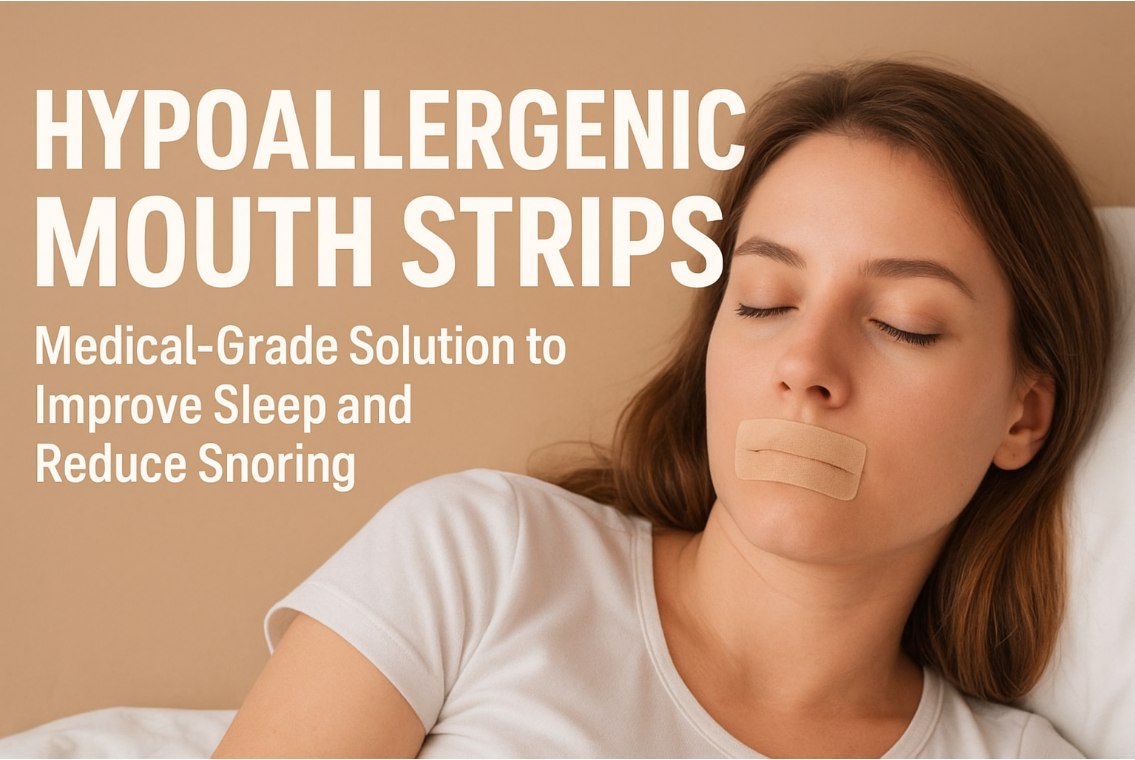
The practice of using mouth tape represents a growing awareness of the importance of proper breathing patterns during rest. Many individuals unknowingly breathe through their mouths while sleeping, which can lead to dry mouth, snoring, and disrupted sleep cycles. By incorporating mouth tape into your nightly routine, you create a gentle reminder for your body to maintain nasal breathing throughout the night, promoting deeper, more restorative sleep.
Understanding the Science Behind Mouth Taping
Physiological Benefits of Nasal Breathing
Nasal breathing offers significant advantages over mouth breathing, particularly during sleep when our bodies focus on repair and restoration. When you breathe through your nose, the air is naturally filtered, warmed, and humidified before reaching your lungs. This process helps maintain optimal oxygen levels while supporting your body's natural immune defenses. Research indicates that nasal breathing can improve oxygen uptake by up to 18% compared to mouth breathing, making mouth tape an valuable tool for enhancing sleep quality.
The nasal passages contain specialized cells that produce nitric oxide, a compound that helps dilate blood vessels and improve circulation throughout the body. This natural process is compromised when individuals rely on mouth breathing during sleep. By using mouth tape to encourage nasal breathing, you can maximize nitric oxide production, which supports cardiovascular health and enhances the delivery of oxygen to vital organs during rest.
Sleep Quality Improvements
Quality sleep depends heavily on maintaining consistent breathing patterns throughout the night. Mouth breathing often leads to frequent micro-awakenings that disrupt the natural sleep cycle, preventing individuals from reaching the deeper stages of restorative sleep. When mouth tape is used correctly, it helps maintain steady nasal breathing patterns that support uninterrupted sleep cycles and improved sleep architecture.
Studies have shown that individuals who practice nasal breathing during sleep experience longer periods of REM sleep and deeper slow-wave sleep phases. These critical sleep stages are essential for memory consolidation, emotional regulation, and physical recovery. The consistent use of mouth tape can help establish these beneficial breathing patterns, leading to more refreshing sleep and improved daytime alertness.
Safe Integration Techniques for Beginners
Choosing the Right Type of Mouth Tape
Selecting appropriate mouth tape is crucial for both safety and effectiveness in your health routine. Medical-grade options designed specifically for sleep use feature gentle adhesives that provide secure hold without causing skin irritation. The ideal mouth tape should be hypoallergenic, breathable, and easy to remove without discomfort upon waking.
Quality mouth tape products often incorporate specialized materials that allow for natural lip movement while maintaining their adhesive properties throughout the night. Look for options that feature perforated designs or small breathing holes that provide an additional safety measure. These features ensure that even if nasal breathing becomes temporarily compromised, alternative airflow options remain available.
Gradual Implementation Strategy
Beginning your mouth tape journey requires a thoughtful, gradual approach to ensure comfort and safety. Start by practicing mouth taping during short daytime periods while you're awake and alert. This allows you to become familiar with the sensation and confirms that your nasal passages are clear and functioning properly. Begin with 15-30 minute sessions during relaxation or meditation time before progressing to overnight use.
Once you're comfortable with the sensation during waking hours, begin incorporating mouth tape into your evening routine starting with brief naps or the first few hours of sleep. Monitor your comfort level and breathing ease throughout this adjustment period. Gradually increase the duration as your body adapts to maintaining nasal breathing patterns. This systematic approach helps prevent anxiety and ensures that mouth taping becomes a natural part of your sleep routine.
Daily Routine Integration Strategies
Evening Preparation Rituals
Creating a consistent evening routine that includes mouth tape preparation sets the foundation for successful integration. Begin by ensuring your nasal passages are clear through gentle cleaning or using a saline rinse if necessary. This preparation step is essential because mouth tape is only effective when nasal breathing pathways are unobstructed. Consider incorporating light stretching or breathing exercises that promote nasal airflow as part of your pre-sleep routine.
Establish a specific time each evening to apply your mouth tape, ideally 15-20 minutes before you plan to fall asleep. This timing allows you to adjust to the sensation while you're still awake and can address any concerns before settling in for the night. Keep your mouth tape and any necessary supplies in a consistent location near your bed to streamline this process and make it a seamless part of your nightly routine.
Morning Assessment and Removal
Developing a morning routine that includes proper mouth tape removal and assessment helps you track progress and identify any necessary adjustments. Remove the tape gently to avoid skin irritation, and take note of how it remained positioned throughout the night. Consistent tape placement indicates successful nasal breathing maintenance, while frequent displacement might suggest the need for different tape types or additional preparation steps.
Use your morning assessment time to evaluate sleep quality indicators such as energy levels, mouth moisture, and overall comfort upon waking. Many individuals report decreased snoring, reduced morning dry mouth, and improved energy levels after successfully integrating mouth tape into their routines. Document these observations to track your progress and identify patterns that indicate optimal mouth tape usage for your individual needs.
Complementary Health Practices
Breathing Exercises and Preparation
Combining mouth tape usage with targeted breathing exercises enhances the overall effectiveness of your respiratory health routine. Practice diaphragmatic breathing techniques during the day to strengthen your natural breathing patterns and improve nasal airflow capacity. These exercises help condition your respiratory system to maintain efficient nasal breathing even during the relaxed state of sleep when mouth tape is applied.
Incorporate specific nasal breathing exercises such as alternate nostril breathing or extended exhale techniques into your daily routine. These practices help clear nasal passages, reduce inflammation, and improve the overall function of your respiratory system. Regular breathing exercise practice makes the transition to overnight mouth tape usage more comfortable and natural, as your body becomes accustomed to sustained nasal breathing patterns.
Sleep Environment Optimization
Creating an optimal sleep environment supports the effectiveness of mouth tape integration and enhances overall sleep quality. Maintain appropriate humidity levels in your bedroom, ideally between 30-50%, to prevent nasal passage drying that could compromise breathing comfort. Consider using a humidifier during dry seasons or in climate-controlled environments where air moisture levels may be insufficient for comfortable nasal breathing.
Temperature control also plays a crucial role in successful mouth tape usage, as excessively warm environments can lead to congestion that interferes with nasal breathing. Keep your bedroom cool and well-ventilated to promote clear nasal passages throughout the night. Additionally, consider using air purifiers to reduce allergens and irritants that might cause nasal inflammation and compromise the effectiveness of your mouth tape routine.
Addressing Common Concerns and Challenges
Safety Considerations and Precautions
While mouth tape can be beneficial for many individuals, certain safety considerations must be addressed before beginning this practice. Individuals with sleep apnea, severe nasal congestion, or respiratory conditions should consult with healthcare professionals before incorporating mouth tape into their routines. These conditions may require specialized treatment approaches that could be incompatible with mouth taping practices.
Always ensure that you can breathe comfortably through your nose before applying mouth tape for sleep. If you experience any difficulty breathing, anxiety, or discomfort during the adjustment period, discontinue use and consider consulting with a sleep specialist or healthcare provider. The goal of mouth tape integration is to enhance sleep quality and respiratory health, never to create stress or breathing difficulties.
Troubleshooting Common Issues
Some individuals may experience initial challenges when integrating mouth tape into their health routines, but most issues can be resolved with proper adjustments. If you find that mouth tape doesn't stay in place throughout the night, consider trying different tape types or sizes that better accommodate your facial structure. Skin preparation with gentle cleaning and ensuring complete dryness before application can also improve adhesion.
For those experiencing mild anxiety about mouth taping, gradual exposure during waking hours helps build confidence and comfort. Start with very short periods and gradually increase duration as you become more comfortable with the sensation. Remember that mouth tape should never feel restrictive or cause panic; if these feelings occur, discontinue use and consider alternative approaches to improving nasal breathing during sleep.
Long-term Benefits and Lifestyle Integration
Sustainable Health Improvements
Consistent mouth tape usage as part of a comprehensive health routine can lead to significant long-term benefits that extend beyond improved sleep quality. Many practitioners report enhanced daytime energy levels, reduced morning grogginess, and improved cognitive function as their sleep quality improves through better breathing patterns. These benefits compound over time, contributing to overall wellness and life quality improvements.
The practice of using mouth tape can also support dental health by reducing mouth breathing that leads to dry mouth conditions. Saliva production plays a crucial role in maintaining oral health, and nasal breathing helps preserve natural moisture levels that protect teeth and gums. This additional health benefit makes mouth tape integration valuable beyond its primary sleep and breathing advantages.
Building Healthy Habits
Successfully integrating mouth tape into daily routines often leads to increased awareness of other breathing and sleep hygiene practices. Many individuals find that focusing on respiratory health encourages them to adopt complementary wellness habits such as regular exercise, stress management techniques, and improved sleep scheduling. This holistic approach to health creates synergistic effects that amplify the benefits of mouth tape usage.
The discipline required to maintain consistent mouth tape usage also builds valuable self-care habits that can be applied to other areas of health and wellness. This practice encourages mindfulness about sleep preparation and creates awareness of the connection between breathing patterns and overall well-being, fostering a more proactive approach to health maintenance.
FAQ
Is mouth tape safe for everyone to use during sleep
Mouth tape is generally safe for healthy individuals who can breathe comfortably through their nose, but it's not suitable for everyone. People with sleep apnea, severe nasal congestion, respiratory conditions, or those who are unable to breathe through their nose should avoid using mouth tape. Always consult with a healthcare provider if you have any underlying health conditions or concerns about incorporating mouth tape into your sleep routine.
How long does it take to see benefits from using mouth tape
Many people notice immediate improvements in sleep quality and reduced morning dry mouth within the first few nights of using mouth tape correctly. However, more significant benefits such as improved energy levels and reduced snoring typically develop over 2-4 weeks of consistent use. The timeline varies depending on individual factors such as baseline breathing patterns and overall sleep health.
What should I do if the mouth tape comes off during the night
If mouth tape comes off during the night, this is usually normal during the adjustment period. Ensure your lips are clean and dry before application, and consider trying a different tape size or type that may provide better adhesion for your facial structure. Gradual adjustment and finding the right product for your needs typically resolves this issue within a few weeks of consistent practice.
Can mouth tape help with snoring problems
Mouth tape can be effective for reducing snoring caused by mouth breathing, as it encourages nasal breathing which typically produces less airway vibration. However, snoring can have multiple causes including sleep position, weight, and sleep apnea, so mouth tape may not resolve all snoring issues. If snoring persists despite consistent mouth tape use, consider consulting with a sleep specialist to identify and address other contributing factors.
One-Stop Custom Tape & Patch Supplier, Fully Certified & Safety Guaranteed
Name: Vicky Zhou
Call/Text: +86 198 0595 7675
Email: [email protected]
Website:https://www.hlktape.com
YouTube:https://www.youtube.com/@HLKTape