
 EN
EN


How Can Sensitivity Risks Be Managed in Lip Area Adhesives?
Managing sensitivity risks in lip area adhesives has become a critical consideration for manufacturers and users alike as these products gain popularity in various applications. The delicate nature of lip skin, combined with the increasing demand for effective adhesive solutions, necessitates careful attention to material selection, formulation, and application techniques. Understanding how to minimize adverse reactions while maintaining adhesive performance is essential for developing safe and effective lip area adhesives that meet consumer needs without compromising skin health.
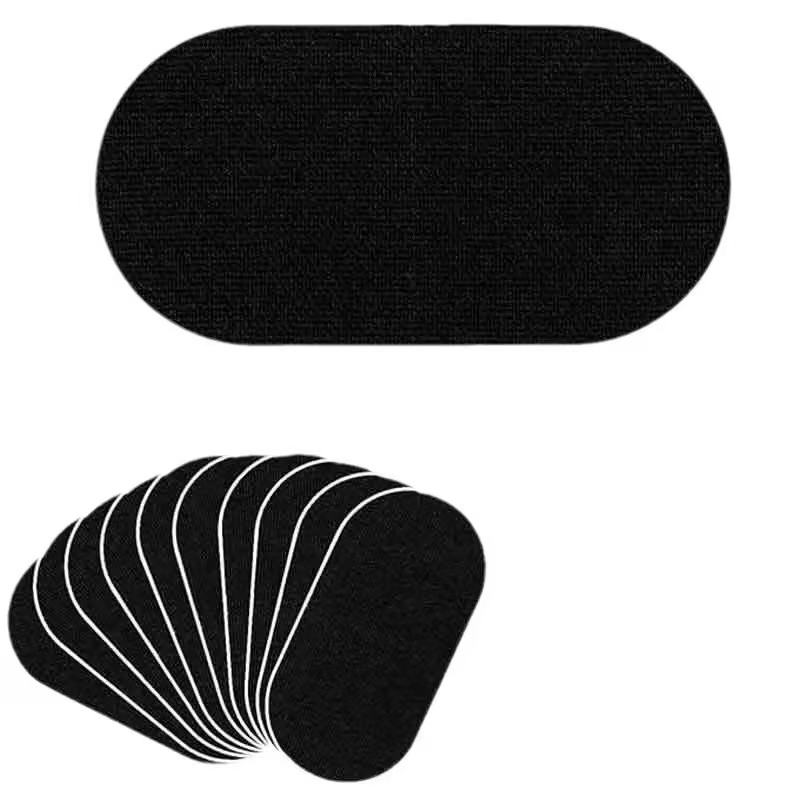
Understanding Skin Sensitivity in the Lip Area
Unique Characteristics of Lip Skin
The skin around the lips possesses distinct characteristics that make it particularly susceptible to sensitivity reactions when exposed to adhesive materials. This area features a thinner stratum corneum compared to other facial regions, resulting in increased permeability and vulnerability to chemical irritants. The lip skin also contains fewer sebaceous glands, leading to reduced natural oil production and decreased barrier function. These anatomical differences mean that lip area adhesives must be formulated with special consideration for the unique properties of this delicate tissue.
The perioral region experiences constant movement during speaking, eating, and facial expressions, creating additional challenges for adhesive design. This mechanical stress can exacerbate sensitivity issues if the adhesive formulation is too aggressive or lacks appropriate flexibility. Understanding these fundamental differences is crucial for developing effective risk management strategies for lip area adhesives that maintain both safety and performance standards.
Common Sensitivity Triggers
Several chemical components commonly found in adhesive formulations can trigger sensitivity reactions in the lip area. Acrylates, rubber-based compounds, and certain preservatives are among the most frequent culprits of contact dermatitis and allergic reactions. Fragrances and colorants, while enhancing product appeal, can also contribute to sensitivity issues in susceptible individuals. The identification and elimination of these problematic ingredients is a fundamental step in managing sensitivity risks in lip area adhesives.
Environmental factors such as temperature, humidity, and exposure to sunlight can also influence the likelihood of sensitivity reactions. These external conditions can alter the behavior of adhesive materials, potentially increasing their irritant potential or changing their release characteristics. Manufacturers must consider these variables when developing formulations and providing usage guidelines for their lip area adhesives products.
Material Selection and Formulation Strategies
Hypoallergenic Material Options
The selection of hypoallergenic materials forms the foundation of sensitivity risk management in lip area adhesives. Hydrogel-based formulations have emerged as particularly suitable options due to their gentle nature and moisture-retaining properties. These materials typically exhibit lower allergenicity rates compared to traditional solvent-based or rubber adhesives. Medical-grade silicones also offer excellent biocompatibility and are less likely to cause adverse reactions when properly formulated for lip area applications.
Natural and bio-derived adhesive components are gaining attention as alternatives to synthetic materials that may trigger sensitivities. Plant-based polymers and naturally occurring gums can provide effective adhesion while reducing the risk of allergic reactions. However, these materials require careful processing and purification to eliminate potential allergens and ensure consistent performance in lip area adhesives applications.
pH Balance and Chemical Compatibility
Maintaining appropriate pH levels in lip area adhesives is crucial for minimizing sensitivity risks and ensuring compatibility with the natural skin environment. The optimal pH range for lip contact applications typically falls between 5.5 and 7.0, closely matching the natural pH of healthy skin. Formulations that deviate significantly from this range may disrupt the skin's natural barrier function and increase susceptibility to irritation and bacterial growth.
Chemical compatibility testing between adhesive components and common lip care ingredients is essential for preventing unexpected reactions. Many consumers use lip balms, glosses, or medications that could interact with adhesive materials, potentially causing sensitivity issues. Comprehensive compatibility studies help identify potential interactions and guide the development of more tolerant formulations for lip area adhesives that can coexist safely with other topical products.
Testing and Quality Assurance Protocols
Patch Testing Methodologies
Systematic patch testing protocols are essential for evaluating the sensitivity potential of lip area adhesives before market introduction. These tests typically involve applying small amounts of the adhesive material to designated skin areas and monitoring for adverse reactions over specified time periods. The perioral region requires specialized testing approaches due to its unique characteristics and the potential for different reaction patterns compared to standard patch test sites.
Cumulative irritancy testing provides valuable insights into the long-term safety profile of lip area adhesives under repeated use conditions. This testing methodology simulates real-world usage patterns and helps identify potential sensitization that may not be apparent in single-exposure studies. The results of these comprehensive testing programs inform formulation adjustments and usage recommendations that minimize sensitivity risks for end users.
Quality Control Standards
Implementing rigorous quality control standards throughout the manufacturing process is critical for maintaining consistency in lip area adhesives and preventing sensitivity-related issues. These standards should encompass raw material verification, in-process monitoring, and finished product testing to ensure that each batch meets established safety and performance criteria. Regular audits and documentation of manufacturing processes help identify potential sources of variability that could impact product safety.
Microbiological testing forms an important component of quality assurance for lip area adhesives, as contamination can lead to secondary sensitivity reactions and infections. Establishing appropriate preservative systems and maintaining sterile manufacturing conditions help prevent microbial growth that could compromise product safety. These quality control measures work together to create a comprehensive framework for managing sensitivity risks in commercial lip area adhesives products.
Application Techniques and User Guidelines
Proper Application Methods
Educating users on proper application techniques is crucial for minimizing sensitivity risks associated with lip area adhesives. The application process should begin with thorough cleansing of the lip area to remove any residual products or contaminants that could interfere with adhesion or cause reactions. Gentle patting motions rather than rubbing should be used during application to avoid mechanical irritation of the sensitive lip skin.
The amount of adhesive applied plays a significant role in sensitivity management, as excessive application can increase the risk of adverse reactions while insufficient coverage may compromise performance. Users should be provided with clear guidelines on appropriate application thickness and coverage areas to optimize both safety and effectiveness. Temperature considerations during application are also important, as cold lip area adhesives may cause discomfort while overly warm products could increase absorption and potential irritation.
Removal Procedures and Aftercare
Proper removal techniques are equally important as application methods for preventing sensitivity reactions with lip area adhesives. Gentle removal using appropriate solvents or oils helps minimize mechanical trauma to the lip skin during product removal. Users should be advised against forceful peeling or scraping, which can damage the delicate lip tissue and increase susceptibility to future sensitivity reactions.
Post-removal care instructions should include recommendations for soothing and moisturizing the lip area to restore the natural barrier function. The use of gentle, fragrance-free moisturizers can help maintain skin health and reduce the likelihood of developing sensitivities to future applications of lip area adhesives. Clear guidance on when to discontinue use and seek medical advice helps users recognize early signs of sensitivity reactions and take appropriate action.
Regulatory Considerations and Compliance
Safety Assessment Requirements
Regulatory frameworks governing lip area adhesives vary by region but generally require comprehensive safety assessments that address potential sensitivity risks. These assessments must include toxicological evaluations, clinical testing data, and risk-benefit analyses that demonstrate the safety of the product under intended use conditions. Manufacturers must maintain detailed documentation of all testing procedures and results to support regulatory submissions and ongoing compliance monitoring.
International harmonization efforts are working to establish consistent safety standards for lip area adhesives across different markets. These initiatives help ensure that products meeting safety requirements in one region can be more easily accepted in others, while maintaining high safety standards for consumers worldwide. Staying current with evolving regulatory requirements is essential for manufacturers seeking to market their lip area adhesives products globally.
Labeling and Communication Requirements
Clear and comprehensive labeling is essential for communicating sensitivity risks and proper usage instructions to consumers of lip area adhesives. Product labels must include complete ingredient lists, contraindications, and warnings about potential allergic reactions. The use of standardized terminology and symbols helps ensure that safety information is effectively communicated across different languages and cultural contexts.
Consumer education materials beyond product labeling play an important role in sensitivity risk management for lip area adhesives. These materials should provide detailed information about proper application and removal techniques, signs of adverse reactions, and when to discontinue use. Digital platforms and social media channels offer additional opportunities to reach consumers with important safety information and updates about product usage guidelines.
Innovation and Future Developments
Advanced Material Technologies
Emerging material technologies are opening new possibilities for developing safer and more effective lip area adhesives with reduced sensitivity potential. Nanotechnology applications are being explored to create more targeted delivery systems that minimize exposure to potentially irritating compounds while maintaining adhesive performance. Smart materials that respond to physiological conditions could provide adaptive adhesion properties that reduce mechanical stress on sensitive lip tissue.
Biomimetic approaches to adhesive design are gaining attention as researchers study natural adhesion mechanisms that could be adapted for lip area applications. These bio-inspired solutions may offer improved compatibility with human tissue while reducing the need for synthetic components that contribute to sensitivity reactions. The integration of natural antimicrobial agents and skin conditioning ingredients into lip area adhesives formulations represents another promising avenue for innovation in this field.
Personalized Solutions
The development of personalized lip area adhesives based on individual sensitivity profiles represents a potential future direction for the industry. Advances in genetic testing and biomarker identification may enable manufacturers to create customized formulations that minimize sensitivity risks for specific user populations. This personalized approach could significantly improve safety outcomes while maintaining product effectiveness for diverse consumer needs.
Digital health technologies are being integrated into lip area adhesives development to provide real-time monitoring of skin responses and early detection of sensitivity reactions. These innovations could enable proactive management of sensitivity risks and provide valuable data for continuous product improvement. The combination of personalized formulations and smart monitoring systems represents the next frontier in sensitivity risk management for lip area adhesives applications.
FAQ
What are the most common signs of sensitivity reactions to lip area adhesives
Common signs of sensitivity reactions to lip area adhesives include redness, swelling, itching, burning sensations, and the development of small bumps or blisters around the application site. Some individuals may also experience dryness, peeling, or a tingling sensation that persists after product removal. More severe reactions can include widespread inflammation extending beyond the immediate application area, persistent pain, or the development of open sores. If any of these symptoms occur, discontinue use immediately and consult a healthcare professional if symptoms persist or worsen.
How long should patch testing be conducted before using lip area adhesives
Patch testing for lip area adhesives should typically be conducted for at least 24 to 48 hours to allow sufficient time for potential reactions to develop. Apply a small amount of the product to a less sensitive area of skin, such as the inner forearm or behind the ear, and cover with a bandage. Check the test site regularly for any signs of irritation, redness, or swelling. If no adverse reactions occur during this period, the product is generally considered safe for use on the lip area, though individual sensitivities can still develop with prolonged or repeated use.
Can people with known allergies safely use lip area adhesives
Individuals with known allergies should exercise particular caution when considering the use of lip area adhesives and should consult with a healthcare professional or dermatologist before initial use. People with documented sensitivities to common adhesive components such as acrylates, latex, or specific preservatives should carefully review product ingredient lists and may benefit from specialized patch testing. Hypoallergenic formulations may be more suitable options, but even these products should be tested carefully as individual sensitivities can vary widely and may not be captured by standard allergen panels.
What should be done if a sensitivity reaction occurs during use
If a sensitivity reaction occurs while using lip area adhesives, immediately discontinue use and gently remove the product using appropriate techniques to minimize further irritation. Cleanse the affected area with mild, fragrance-free soap and cool water, then apply a gentle moisturizer or cold compress to help soothe inflammation. Avoid rubbing or scratching the affected area, and refrain from applying other topical products that might further irritate the skin. If symptoms are severe, persist for more than a few hours, or worsen despite discontinuation, seek medical attention promptly for appropriate treatment and evaluation.
One-Stop Custom Tape & Patch Supplier, Fully Certified & Safety Guaranteed
Name: Vicky Zhou
Call/Text: +86 198 0595 7675
Email: [email protected]
Website:https://www.hlktape.com
YouTube:https://www.youtube.com/@HLKTape