
 EN
EN


How Do Localized Face Tape Improve Eye and Smile Lines?
The beauty industry has witnessed remarkable innovations in non-invasive anti-aging solutions, with face tape emerging as a revolutionary approach to addressing common concerns like eye and smile lines. This specialized adhesive technology offers an immediate, temporary lifting effect that smooths wrinkles and creates a more youthful appearance without the need for surgical procedures or expensive treatments. As consumers increasingly seek effective alternatives to traditional cosmetic interventions, face tape has gained significant popularity among beauty enthusiasts and professionals alike.
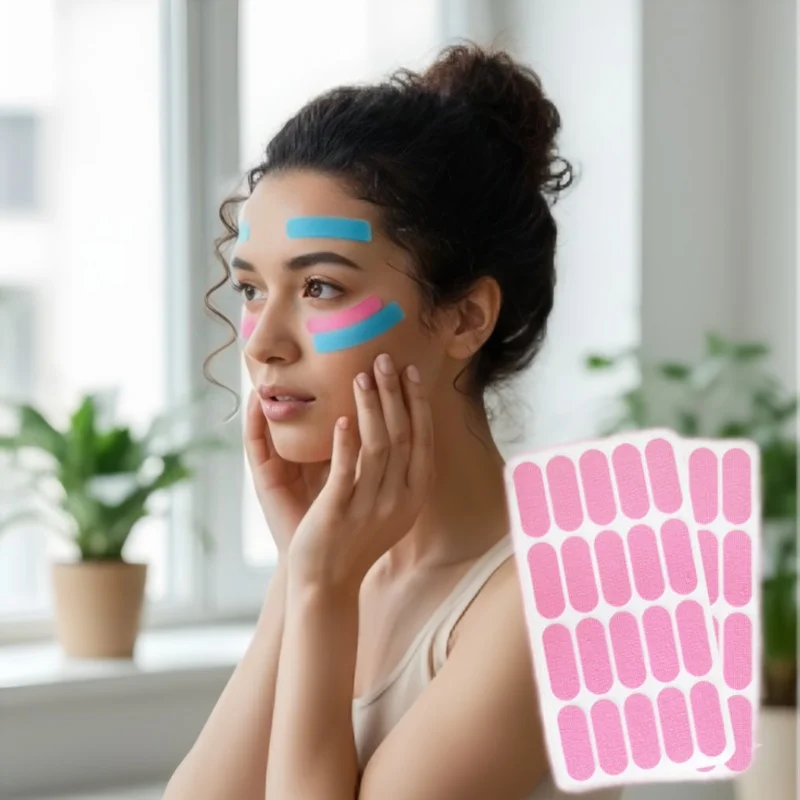
The mechanism behind effective face tape lies in its ability to provide targeted lifting and support to specific facial areas prone to wrinkle formation. When properly applied, these specially designed strips work by gently pulling the skin taut, temporarily reducing the appearance of fine lines and deeper wrinkles around the eyes and mouth. The technology has evolved significantly from basic adhesive strips to sophisticated, skin-friendly materials that offer superior comfort and effectiveness while maintaining a natural appearance.
Understanding the science behind wrinkle formation is crucial to appreciating how face tape delivers results. As we age, our skin loses collagen and elastin, leading to decreased firmness and the development of expression lines. The repetitive muscle movements involved in smiling, squinting, and other facial expressions gradually create permanent creases in areas where the skin naturally folds. Face tape addresses these concerns by providing external support that counteracts the downward pull of gravity and temporarily restores a smoother skin surface.
Understanding the Science Behind Face Tape Technology
Advanced Adhesive Materials and Skin Compatibility
Modern face tape utilizes sophisticated adhesive formulations designed specifically for facial skin applications. These materials must balance strong adhesion with gentle removal properties to ensure effectiveness without causing irritation or damage. Medical-grade adhesives commonly used in face tape products are hypoallergenic and designed to work with the skin's natural moisture levels and movement patterns. The adhesive strength is calibrated to provide sufficient lifting power while allowing for comfortable wear throughout the day.
The substrate materials used in quality face tape products often incorporate breathable fabrics or films that allow air circulation while maintaining their lifting properties. This breathability is essential for preventing moisture buildup and reducing the risk of skin irritation during extended wear periods. Advanced face tape formulations also include ingredients that help protect the skin barrier and provide additional moisturizing benefits during application.
Biomechanical Principles of Facial Lifting
The effectiveness of face tape relies on fundamental biomechanical principles that govern skin behavior and facial anatomy. When strategically placed, face tape creates tension vectors that redirect the natural pull of facial muscles and gravity. This redirection temporarily alters the skin's surface topology, reducing the depth and visibility of existing wrinkles while preventing the formation of new expression lines during wear.
The lifting mechanism works by distributing tension across a broader area of skin rather than allowing it to concentrate in specific crease points. This distribution helps smooth out existing wrinkles and provides support to areas prone to sagging or folding. The temporary nature of this lifting effect makes face tape an ideal solution for special events, photography sessions, or daily confidence enhancement without permanent alteration of facial structure.
Targeting Eye Area Concerns with Specialized Application Techniques
Addressing Crow's Feet and Under-Eye Wrinkles
The delicate eye area presents unique challenges for face tape application due to the thin skin and constant movement associated with blinking and facial expressions. Specialized face tape designed for this region typically features smaller dimensions and gentler adhesive formulations to accommodate the sensitivity of periorbital skin. Proper application techniques involve strategic placement that follows the natural contours of the eye area while providing effective lifting without restricting normal eye movement.
Crow's feet, the radiating lines that extend from the outer corners of the eyes, respond particularly well to targeted face tape application. The tape is positioned to create an upward and outward pull that temporarily smooths these expression lines while maintaining a natural eye shape. Under-eye applications focus on supporting the lower eyelid area and reducing the appearance of fine lines and mild puffiness through gentle lifting action.
Upper Eyelid Support and Hooding Reduction
Upper eyelid concerns, including hooding and drooping, can be effectively addressed through careful face tape placement that provides lift to the brow area and upper eyelid region. This application requires precise positioning to achieve the desired lifting effect while ensuring comfort and maintaining natural eye function. The face tape used for upper eyelid applications often features specialized shapes and adhesive patterns designed to work with the unique anatomy of this area.
The technique involves creating a lifting vector that opens up the eye area and reduces the appearance of excess skin or fat deposits that contribute to a tired or aged appearance. Professional application methods ensure that the tape remains invisible under makeup while providing sustained lifting throughout the wear period. This approach offers a non-surgical alternative to more invasive procedures while delivering immediate, visible results.
Smile Line Enhancement and Mouth Area Applications
Nasolabial Fold Reduction Techniques
Nasolabial folds, commonly known as smile lines, represent one of the most challenging areas for non-surgical anti-aging interventions. Face tape applications for this region focus on providing upward and outward lift to the cheek area, which helps reduce the depth of these prominent lines. The technique requires careful consideration of facial expressions and movement patterns to ensure that the tape maintains its effectiveness during normal activities like speaking, eating, and smiling.
Effective face tape application for nasolabial folds involves creating multiple anchor points that distribute the lifting force across a larger area of the mid-face. This approach prevents the concentration of tension in a single point while providing comprehensive support to the entire cheek and mouth region. The result is a more youthful contour that softens the appearance of deep smile lines without creating an artificial or overly tight appearance.
Marionette Line Management and Lower Face Contouring
Marionette lines, which extend downward from the corners of the mouth, can significantly impact facial appearance by creating a sad or aged expression. Face tape applications for these areas focus on providing upward lift to the corners of the mouth and surrounding tissue. This lifting action helps counteract the downward pull that creates these lines while improving overall facial symmetry and expression.
The application technique for marionette line management typically involves positioning face tape to create an upward vector that lifts the corners of the mouth and provides support to the jowl area. This comprehensive approach addresses multiple signs of aging in the lower face region while maintaining natural movement and expression capabilities. The strategic placement ensures that the lifting effect appears natural and doesn't interfere with normal oral functions.
Application Methods and Best Practices for Optimal Results
Skin Preparation and Cleansing Protocols
Proper skin preparation is essential for achieving optimal results with face tape applications. The process begins with thorough cleansing to remove makeup, skincare products, and natural oils that could interfere with adhesion. A gentle, alcohol-free cleanser is recommended to avoid over-drying or irritating the skin before tape application. Following cleansing, the skin should be completely dry and at room temperature to ensure proper adhesive bonding.
Some face tape applications benefit from light powder or primer application to create an optimal surface for adhesion while protecting the skin. However, this step must be carefully balanced to avoid creating a barrier that reduces tape effectiveness. Professional application protocols often include specific timing recommendations for skincare product application and face tape placement to maximize both comfort and results.
Strategic Placement and Tension Adjustment
The success of face tape applications depends heavily on precise placement and appropriate tension adjustment. Each facial area requires specific positioning techniques that work with the natural anatomy and movement patterns. Starting with gentle placement and gradually adjusting tension helps achieve the desired lifting effect while ensuring comfort throughout the wear period. The goal is to create sufficient lift to smooth wrinkles without creating an overly tight or artificial appearance.
Professional face tape techniques emphasize the importance of working with facial symmetry and natural contours rather than fighting against them. This approach ensures that the results appear natural and enhance rather than alter the individual's unique facial characteristics. Regular practice and familiarity with different face tape products help users develop the skills necessary for consistent, professional-quality results.
Duration and Safety Considerations for Regular Use
Recommended Wear Times and Removal Procedures
Face tape products are designed for temporary use, with recommended wear times typically ranging from several hours to a full day depending on the specific product and application area. Extended wear beyond manufacturer recommendations can lead to skin irritation, adhesive residue, or other complications. Proper removal techniques involve gentle peeling while supporting the surrounding skin to minimize discomfort and prevent damage to the delicate facial tissue.
The removal process should be approached gradually, starting from one edge and working across the tape while keeping the adhesive close to the skin surface. Using warm water or specialized removal solutions can help soften the adhesive for easier removal when necessary. Following removal, gentle cleansing and moisturizing help restore the skin's natural barrier and prepare it for future applications or regular skincare routines.
Skin Health Monitoring and Sensitivity Management
Regular face tape users should monitor their skin for signs of irritation, sensitivity, or adverse reactions that might indicate the need for product changes or application modifications. Common signs to watch for include redness, itching, excessive dryness, or persistent marks following tape removal. Individuals with sensitive skin or existing dermatological conditions should consult with healthcare providers before beginning regular face tape use.
Establishing a rotation schedule that allows skin recovery time between applications can help prevent cumulative irritation and maintain healthy skin condition. This approach is particularly important for areas with thinner or more sensitive skin, such as around the eyes. Quality face tape products typically include detailed instructions for safe use and guidance on recognizing when to discontinue use or seek professional advice.
Comparing Face Tape to Alternative Anti-Aging Solutions
Non-Invasive Treatment Options and Effectiveness
Face tape offers unique advantages compared to other non-invasive anti-aging treatments such as topical creams, facial exercises, or temporary cosmetic procedures. Unlike skincare products that require weeks or months to show results, face tape provides immediate visible improvement in the appearance of wrinkles and sagging. The temporary nature of the results means that users can experiment with different looks and techniques without long-term commitment or permanent changes to their appearance.
When compared to injectable treatments or energy-based procedures, face tape eliminates the risks associated with medical interventions while providing comparable temporary results for many concerns. The cost-effectiveness of face tape makes it accessible to a broader range of consumers who might not be able to afford regular professional treatments. Additionally, face tape can be used in combination with other anti-aging approaches to enhance overall results.
Professional Treatment Integration and Complementary Use
Many beauty professionals and dermatologists now recommend face tape as a complementary treatment to enhance the results of other anti-aging procedures. For example, face tape can be used between botulinum toxin appointments to maintain muscle memory and prolong treatment effects. Similarly, it can provide temporary enhancement while waiting for results from skincare treatments or during the healing period following more invasive procedures.
The integration of face tape into comprehensive anti-aging regimens allows for customized approaches that address individual concerns and lifestyle factors. Professional guidance can help users select the most appropriate face tape products and application techniques to complement their existing treatments and achieve optimal overall results. This collaborative approach maximizes the benefits of multiple treatment modalities while minimizing potential conflicts or adverse interactions.
Market Trends and Future Developments in Face Tape Technology
Innovation in Materials and Manufacturing Processes
The face tape industry continues to evolve with advancements in materials science and manufacturing technology. Recent developments include biodegradable adhesive formulations that reduce environmental impact while maintaining effectiveness. Smart materials that respond to skin temperature and moisture levels are being incorporated into next-generation face tape products to enhance comfort and performance throughout the wear period.
Manufacturing innovations have enabled the production of face tape with increasingly precise shapes and adhesive patterns tailored to specific facial areas and concerns. Customization options are expanding to include products designed for different skin types, ages, and aesthetic goals. These developments reflect the growing sophistication of the face tape market and its evolution from a novelty product to a legitimate component of modern beauty routines.
Consumer Education and Professional Training Programs
As face tape gains mainstream acceptance, educational initiatives are becoming increasingly important for ensuring safe and effective use. Professional training programs for beauty technicians and aestheticians now include face tape application techniques as part of comprehensive service offerings. Consumer education focuses on proper selection, application, and safety considerations to maximize benefits while minimizing risks.
Digital platforms and social media have played significant roles in disseminating face tape knowledge and techniques. Video tutorials, before-and-after demonstrations, and user testimonials help potential users understand the capabilities and limitations of different face tape products. This educational approach helps build consumer confidence while promoting responsible use practices that support positive outcomes and customer satisfaction.
FAQ
How long can face tape be worn safely
Face tape can typically be worn safely for 8 to 12 hours, depending on the specific product and individual skin sensitivity. Most manufacturers recommend removing face tape before sleeping to allow the skin to breathe and recover. Extended wear beyond recommended timeframes may cause skin irritation, adhesive residue, or other complications. Users with sensitive skin should start with shorter wear periods and gradually increase duration as their skin adapts to the product.
Can face tape cause permanent damage to facial skin
When used according to manufacturer instructions, quality face tape products are designed to be safe for regular use without causing permanent damage. However, improper application, excessive force during removal, or use of low-quality products may result in skin irritation, temporary discoloration, or minor abrasions. Following proper application and removal techniques, using products from reputable manufacturers, and monitoring skin response helps minimize any risk of adverse effects.
Is face tape suitable for all skin types and ages
Face tape can be suitable for most skin types and ages, but individual responses may vary based on skin sensitivity, existing conditions, and product formulation. People with very sensitive skin, active dermatological conditions, or recent cosmetic procedures should consult with healthcare providers before using face tape. Younger users may find face tape helpful for special events or photo sessions, while mature skin may benefit from regular use as part of an anti-aging routine.
How does face tape interact with makeup and skincare products
Face tape can be worn under makeup when properly applied, though some adjustment to routine may be necessary. Makeup should be applied gently over tape areas to avoid disturbing adhesion. Oil-based skincare products may interfere with tape adhesion and should be avoided in application areas. Water-based or gel formulations typically work better with face tape applications. Users should experiment with their specific product combinations to determine the best routine for their needs and preferences.
One-Stop Custom Tape & Patch Supplier, Fully Certified & Safety Guaranteed
Name: Vicky Zhou
Call/Text: +86 198 0595 7675
Email: [email protected]
Website:https://www.hlktape.com
YouTube:https://www.youtube.com/@HLKTape