
 EN
EN


How Does Mouth Tape Support Oral Health During Sleep?
Sleep quality and oral health are intimately connected, yet many people overlook the profound impact that breathing patterns during sleep can have on their dental wellness. When we sleep with our mouths open, a cascade of oral health issues can develop, from dry mouth to increased bacterial growth. Mouth tape has emerged as a simple yet effective solution that encourages nasal breathing throughout the night, creating an optimal environment for oral health maintenance. This innovative approach to sleep hygiene addresses the root cause of many nocturnal oral health challenges while promoting better overall sleep quality.
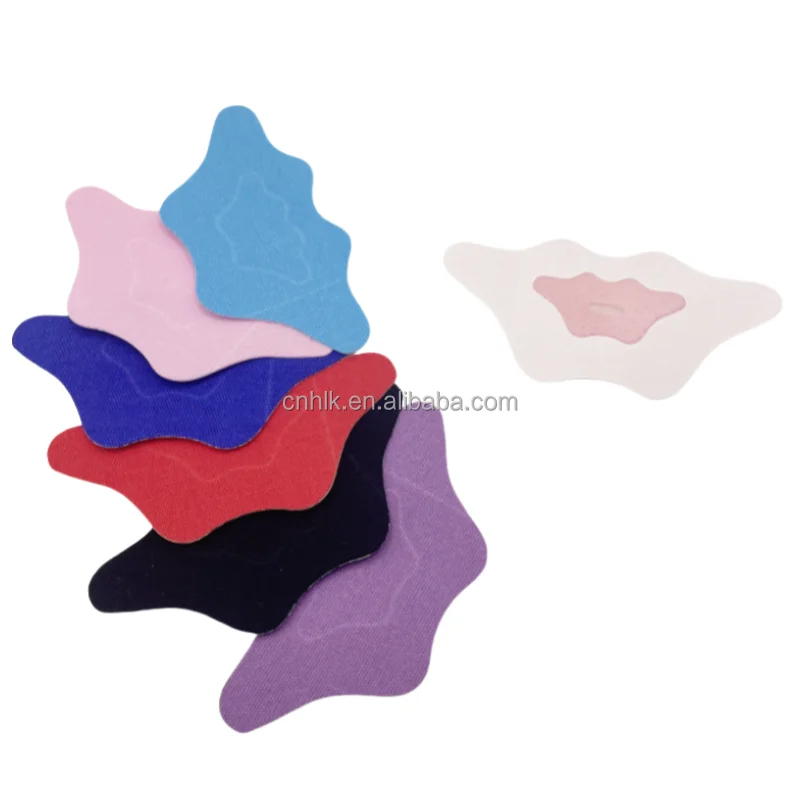
The relationship between sleep breathing patterns and oral health extends far beyond simple comfort. When individuals breathe through their mouths during sleep, the oral cavity becomes dehydrated, disrupting the natural balance of saliva production that serves as the mouth's primary defense mechanism. Mouth tape works by gently encouraging the lips to remain closed, naturally directing airflow through the nasal passages where it belongs. This seemingly minor adjustment can produce significant improvements in oral health outcomes, making mouth tape an increasingly popular tool among health-conscious individuals seeking to optimize their nighttime wellness routine.
Understanding the Science Behind Mouth Breathing and Oral Health
The Physiological Impact of Mouth Breathing
Mouth breathing during sleep fundamentally alters the oral environment in ways that compromise dental health. When air flows directly through the mouth rather than the nose, it creates a drying effect that reduces saliva production and alters the pH balance within the oral cavity. Saliva serves multiple critical functions, including neutralizing acids produced by bacteria, washing away food particles, and providing antimicrobial proteins that protect against harmful microorganisms. Without adequate saliva flow, the mouth becomes a breeding ground for bacteria that can lead to tooth decay, gum disease, and chronic bad breath.
The temperature and humidity differences between mouth and nasal breathing also play crucial roles in oral health maintenance. Nasal breathing naturally warms and humidifies incoming air, while mouth breathing introduces cooler, drier air directly into the oral cavity. This environmental change can cause tissues to become dehydrated and inflamed, making them more susceptible to infection and irritation. Mouth tape helps restore the natural breathing pattern, allowing the oral tissues to maintain their optimal moisture levels throughout the night.
Bacterial Growth and Oral Microbiome Balance
The oral microbiome represents a delicate ecosystem of beneficial and potentially harmful bacteria that must remain in balance for optimal health. Mouth breathing disrupts this balance by creating conditions that favor the growth of pathogenic bacteria over beneficial species. When the mouth remains open during sleep, oxygen levels increase while moisture decreases, creating an environment where harmful bacteria can proliferate unchecked. These bacteria produce acids and toxins that erode tooth enamel and irritate gum tissues, leading to cavities and periodontal disease.
Research has shown that individuals who consistently breathe through their mouths during sleep often exhibit higher levels of Streptococcus mutans and other cariogenic bacteria compared to nasal breathers. The use of mouth tape helps maintain the anaerobic environment that supports beneficial bacteria while limiting the growth of harmful species. This bacterial balance is essential not only for preventing dental problems but also for maintaining overall immune function, as the oral microbiome serves as the first line of defense against pathogens entering through the respiratory tract.
How Mouth Tape Promotes Nasal Breathing
Mechanical Function and Design Principles
Modern mouth tape utilizes advanced adhesive technology designed to provide gentle but effective lip closure without causing discomfort or skin irritation. The tape works by creating a physical reminder that encourages the jaw to remain closed, naturally redirecting breathing through the nasal passages. High-quality mouth tape features hypoallergenic materials and specially formulated adhesives that maintain their effectiveness throughout the night while being easy to remove in the morning without leaving residue or causing skin damage.
The design of effective mouth tape takes into account the natural movements and positions of the mouth during sleep. Unlike rigid solutions that might cause jaw tension or discomfort, well-engineered mouth tape allows for slight mouth movements while maintaining the primary goal of keeping the lips sealed. Some advanced formulations incorporate moisturizing elements that actually benefit the lip tissue while providing the mechanical function of encouraging nasal breathing. The mouth tape solutions available today represent years of refinement in both materials science and user experience design.
Physiological Adaptation Process
The transition to consistent nasal breathing through mouth tape use involves a gradual physiological adaptation that benefits multiple body systems beyond oral health. Initially, individuals may experience some adjustment as their breathing patterns shift, but most people adapt quickly to the sensation of nasal-only breathing. This adaptation process involves the strengthening of the diaphragm and intercostal muscles, which work more efficiently during nasal breathing compared to mouth breathing patterns.
Nasal breathing activates the parasympathetic nervous system more effectively than mouth breathing, promoting deeper, more restorative sleep. The nasal passages also produce nitric oxide, a molecule that has antibacterial properties and helps improve oxygen delivery throughout the body. As individuals become accustomed to using mouth tape, they often report improvements in sleep quality, reduced snoring, and better morning breath. These benefits compound over time, creating a positive feedback loop that supports long-term oral health improvements.
Oral Health Benefits of Consistent Mouth Tape Use
Saliva Production and pH Balance Maintenance
One of the most significant benefits of using mouth tape relates to its positive impact on saliva production and oral pH balance. When the mouth remains closed during sleep, saliva can perform its essential functions more effectively, including buffering acids produced by oral bacteria and providing the minerals necessary for tooth remineralization. The closed oral environment created by mouth tape helps maintain optimal saliva flow patterns, ensuring that all areas of the mouth receive adequate coverage and protection throughout the night.
The pH balance within the oral cavity directly influences the health of tooth enamel and gum tissues. Mouth breathing typically leads to a more acidic oral environment, which promotes enamel demineralization and creates conditions favorable for cavity formation. By encouraging nasal breathing, mouth tape helps maintain a more neutral pH that supports natural remineralization processes and reduces the risk of acid erosion. This pH stabilization is particularly important during sleep when saliva flow naturally decreases, making the protective effects of mouth tape even more valuable.
Reduction in Dry Mouth Symptoms
Xerostomia, commonly known as dry mouth, affects millions of people and significantly increases the risk of dental problems. Mouth breathing during sleep is a primary contributor to dry mouth symptoms, as the constant airflow evaporates moisture from oral tissues faster than it can be replenished. Mouth tape addresses this issue directly by eliminating the airflow that causes tissue dehydration, allowing the natural moisture balance to be maintained throughout the night.
The relief from dry mouth symptoms extends beyond mere comfort, providing substantial oral health benefits. Adequate moisture levels are essential for the proper function of antimicrobial enzymes found in saliva, including lysozyme and lactoferrin, which help control bacterial populations. When mouth tape prevents overnight dehydration, these protective mechanisms can function optimally, reducing the risk of infections and inflammatory conditions. Many users report that consistent mouth tape use eliminates the need for artificial saliva products or frequent nighttime water consumption to combat dry mouth.
Impact on Periodontal Health and Gum Disease Prevention
Inflammation Reduction and Tissue Health
Gum disease represents one of the most common oral health problems worldwide, and mouth breathing significantly contributes to its development and progression. When oral tissues become dehydrated due to mouth breathing, the gums become more susceptible to inflammation and bacterial invasion. The constant exposure to dry air irritates the delicate gum tissues, leading to redness, swelling, and bleeding that characterize the early stages of periodontal disease. Mouth tape helps prevent this inflammatory cascade by maintaining the moist environment that healthy gums require.
The anti-inflammatory effects of consistent nasal breathing extend beyond simple moisture retention. Research indicates that nasal breathing promotes better circulation in the oral tissues, delivering oxygen and nutrients more effectively while removing metabolic waste products. This improved circulation supports the natural healing processes that help maintain gum health and prevent the progression of periodontal disease. Users of mouth tape often report reduced gum sensitivity and bleeding, particularly during morning brushing routines.
Bacterial Biofilm Disruption
Dental plaque formation occurs when bacteria adhere to tooth surfaces and form protective biofilms that resist removal through normal oral hygiene practices. Mouth breathing creates conditions that accelerate plaque formation by altering the oral environment in ways that favor bacterial adhesion and biofilm development. The drying effect of mouth breathing concentrates bacterial populations and allows them to establish more robust colonies that are increasingly difficult to remove through brushing and flossing alone.
By promoting nasal breathing, mouth tape helps maintain the natural flow patterns of saliva that continuously wash over tooth surfaces and disrupt early biofilm formation. This mechanical cleansing action, combined with the antimicrobial properties of saliva, helps prevent the establishment of mature plaque biofilms. The result is easier plaque removal during daily oral hygiene routines and reduced risk of the chronic inflammation that leads to more serious periodontal problems. Dental professionals often observe improved plaque control in patients who have incorporated mouth tape into their sleep hygiene routines.
Sleep Quality Enhancement and Oral Health Connection
Restorative Sleep Patterns
The quality of sleep directly influences the body's ability to repair and maintain oral tissues, making the sleep-enhancing effects of mouth tape particularly valuable for oral health outcomes. During deep sleep phases, the body increases production of growth hormone and other repair molecules that support tissue healing and regeneration. Mouth breathing often leads to fragmented sleep patterns that reduce the time spent in these restorative sleep stages, compromising the natural healing processes that maintain oral health.
Nasal breathing promoted by mouth tape activates the parasympathetic nervous system more effectively, leading to deeper, more consolidated sleep. This improved sleep quality allows for optimal production of repair hormones and better immune system function, both of which are essential for maintaining healthy oral tissues. Users frequently report waking up feeling more refreshed and experiencing less morning mouth discomfort, indicating that their oral tissues have had adequate time for overnight repair and restoration.
Stress Reduction and Immune Function
Chronic stress negatively impacts oral health by suppressing immune function and increasing inflammation throughout the body, including the oral cavity. Poor sleep quality, often associated with mouth breathing, contributes to elevated stress hormone levels that compromise the body's ability to fight oral infections and maintain healthy tissues. Mouth tape addresses this connection by promoting better sleep quality, which naturally reduces stress hormone production and supports optimal immune function.
The stress-reducing effects of improved sleep quality through mouth tape use create a positive feedback loop for oral health. Lower stress levels support better immune function, which helps the body defend against oral pathogens more effectively. Additionally, reduced stress often leads to decreased teeth grinding and jaw clenching during sleep, both of which can cause dental damage and contribute to temporomandibular joint disorders. The comprehensive benefits of mouth tape extend well beyond simple breathing pattern modification to support overall oral wellness.
Safety Considerations and Best Practices
Proper Application Techniques
Safe and effective use of mouth tape requires attention to proper application techniques and selection of appropriate products. The skin around the lips should be clean and dry before application to ensure optimal adhesion without irritation. Quality mouth tape products feature gentle adhesives that provide secure attachment without causing skin damage or leaving residue upon removal. Users should start with shorter application periods to allow their skin to adapt to the adhesive and gradually increase usage time as comfort permits.
The positioning of mouth tape is critical for both effectiveness and safety. The tape should cover the center portion of the lips while avoiding the corners of the mouth, allowing for emergency mouth breathing if necessary. Some individuals may benefit from partially covering the lips initially, gradually progressing to full coverage as they become more comfortable with nasal breathing. It's essential to ensure that nasal passages are clear before applying mouth tape, as blocked nasal breathing could create dangerous situations during sleep.
Individual Considerations and Contraindications
While mouth tape offers significant benefits for most users, certain individuals should exercise caution or avoid use altogether. People with severe nasal congestion, deviated septum, or other structural abnormalities that impair nasal breathing should address these underlying issues before considering mouth tape use. Additionally, individuals with certain medical conditions, including sleep apnea, severe asthma, or respiratory disorders, should consult with healthcare providers before incorporating mouth tape into their sleep routine.
Skin sensitivity represents another important consideration for potential mouth tape users. Individuals with sensitive skin or a history of allergic reactions to adhesives should test the product on a small area of skin before full application. Some people may experience initial adjustment periods characterized by mild skin irritation or anxiety about breathing restrictions. These concerns typically resolve with gradual introduction and proper product selection, but persistent issues warrant discontinuation and professional consultation.
FAQ
How long does it take to see oral health improvements from using mouth tape?
Most users begin experiencing immediate relief from dry mouth symptoms within the first few nights of consistent mouth tape use. More significant oral health improvements, such as reduced gum inflammation and better breath quality, typically become noticeable within two to four weeks of regular use. Long-term benefits, including reduced cavity formation and improved overall periodontal health, may take several months to become apparent as oral tissues adapt to the improved breathing patterns and moisture levels.
Can mouth tape completely replace other oral hygiene practices?
Mouth tape serves as a valuable complement to, but not a replacement for, traditional oral hygiene practices. While it significantly improves the oral environment during sleep, regular brushing, flossing, and professional dental cleanings remain essential for maintaining optimal oral health. Mouth tape enhances the effectiveness of these practices by creating better conditions for oral tissue health and reducing bacterial growth, but it should be viewed as part of a comprehensive oral care routine rather than a standalone solution.
Is mouth tape safe for children to use?
The use of mouth tape in children requires careful consideration and professional guidance. While nasal breathing offers the same benefits for children as adults, the smaller size of pediatric airways and the potential for nasal congestion make mouth tape use more complex in younger populations. Parents should consult with pediatric healthcare providers or pediatric dentists before considering mouth tape for children, as underlying issues like enlarged adenoids or tonsils may need to be addressed first to ensure safe nasal breathing.
What should I do if I experience skin irritation from mouth tape?
Skin irritation from mouth tape typically results from either allergic reactions to adhesive materials or excessive adhesion strength. If irritation occurs, discontinue use immediately and allow the skin to heal completely before attempting to use the product again. Consider switching to a hypoallergenic formulation or a product with gentler adhesive properties. Some users find that applying a thin layer of petroleum jelly around the edges of the tape can reduce skin contact with adhesive while maintaining effectiveness. Persistent or severe skin reactions warrant consultation with a dermatologist or healthcare provider.
One-Stop Custom Tape & Patch Supplier, Fully Certified & Safety Guaranteed
Name: Vicky Zhou
Call/Text: +86 198 0595 7675
Email: [email protected]
Website:https://www.hlktape.com
YouTube:https://www.youtube.com/@HLKTape