
 EN
EN


How to Choose the Right Mouth Tape Supplier for Your Business?
Selecting the right mouth tape supplier is crucial for businesses looking to enter or expand in the sleep wellness and breathing enhancement market. With growing awareness about sleep quality and breathing optimization, the demand for high-quality mouth tape products has surged dramatically. A reliable mouth tape supplier can make the difference between a successful product launch and costly manufacturing setbacks. Understanding the key factors that distinguish exceptional suppliers from mediocre ones will help your business make informed decisions and build lasting partnerships.
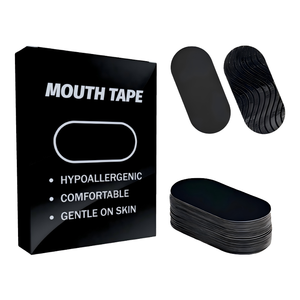
The mouth tape industry has evolved significantly over the past decade, with new materials, designs, and manufacturing processes emerging regularly. Modern consumers expect products that combine effectiveness with comfort, requiring suppliers to demonstrate expertise in advanced materials science and ergonomic design. When evaluating potential partners, businesses must consider multiple dimensions of supplier capability, from technical specifications to regulatory compliance and scalability.
Quality Standards and Manufacturing Capabilities
Material Quality and Safety Certifications
Premium mouth tape suppliers prioritize medical-grade materials that meet stringent safety requirements for skin contact products. These materials must be hypoallergenic, latex-free, and gentle enough for nightly use without causing irritation or adverse reactions. A reputable mouth tape supplier will provide comprehensive documentation of their material sourcing, including certificates of analysis and biocompatibility testing results. Look for suppliers who work with FDA-approved materials and maintain ISO 13485 certification for medical device manufacturing.
The adhesive technology used in mouth tape production represents a critical quality factor that separates professional suppliers from amateur manufacturers. High-quality suppliers invest in specialized adhesive formulations that provide secure adhesion throughout the night while remaining gentle during removal. These advanced adhesives often incorporate skin-friendly ingredients like aloe vera or vitamin E to minimize potential irritation. Request samples from potential suppliers to evaluate adhesive performance across different skin types and environmental conditions.
Production Capacity and Scalability
Understanding a mouth tape supplier's production capacity helps ensure they can meet your current and future demand requirements. Established suppliers typically operate multiple production lines with redundancy built into their systems to prevent supply disruptions. Inquire about their typical lead times, minimum order quantities, and ability to scale production during peak demand periods. A reliable supplier should provide transparent communication about their capacity constraints and offer realistic timelines for order fulfillment.
Manufacturing flexibility becomes particularly important when considering custom formulations or specialized product variations. The best mouth tape suppliers maintain dedicated research and development facilities where they can prototype new products or modify existing formulations based on client specifications. This capability allows businesses to differentiate their products in the marketplace while maintaining consistent quality standards. Evaluate potential suppliers based on their willingness to collaborate on product development and their track record of successful customization projects.
Regulatory Compliance and Documentation
International Standards and Certifications
Navigating regulatory requirements across different markets requires partnering with a mouth tape supplier who understands global compliance standards. Different regions have varying requirements for cosmetic products, medical devices, and consumer goods that may apply to mouth tape products. Suppliers with international experience can guide businesses through these complex regulatory landscapes and ensure products meet all necessary requirements for target markets.
Documentation quality serves as a strong indicator of supplier professionalism and regulatory awareness. Professional suppliers maintain comprehensive quality management systems with detailed batch records, traceability documentation, and testing protocols. They should readily provide certificates of analysis, material safety data sheets, and compliance declarations upon request. This documentation becomes essential when registering products with regulatory authorities or responding to customer inquiries about product safety.
Quality Control and Testing Procedures
Rigorous quality control procedures distinguish professional mouth tape suppliers from less reliable alternatives. Leading suppliers implement multiple testing stages throughout their production process, from incoming raw material inspection to finished product validation. These testing procedures typically include adhesive strength testing, biocompatibility assessment, and package integrity verification. Request detailed information about testing protocols and ask to review recent test results to assess supplier quality standards.
Third-party testing and validation provide additional assurance of product quality and safety. Reputable suppliers often engage independent testing laboratories to verify their products meet relevant standards and specifications. This external validation demonstrates supplier commitment to quality and provides objective evidence of product performance. When evaluating potential partners, prioritize those who invest in comprehensive testing programs and maintain relationships with accredited testing facilities.
Supply Chain Management and Logistics
Raw Material Sourcing and Inventory Management
A sophisticated mouth tape supplier maintains diversified raw material sourcing strategies to minimize supply chain disruptions. This includes maintaining relationships with multiple material suppliers and keeping strategic inventory levels of critical components. Understanding supplier sourcing practices helps assess their ability to maintain consistent production during market volatility or unexpected demand spikes. Inquire about their supplier qualification processes and backup sourcing arrangements.
Inventory management capabilities directly impact delivery reliability and cost effectiveness. Advanced suppliers utilize demand forecasting systems and maintain optimized inventory levels to balance carrying costs with service level requirements. They should provide transparency about their inventory management practices and offer insights into potential supply chain risks that might affect your business. Strong inventory management also enables suppliers to offer competitive pricing through efficient procurement and reduced waste.
Distribution Networks and Shipping Capabilities
Efficient distribution networks enable mouth tape suppliers to serve customers across multiple geographic regions with consistent service levels. Evaluate potential suppliers based on their distribution center locations, shipping partnerships, and international logistics capabilities. Suppliers with strategically located facilities can offer faster delivery times and reduced shipping costs for businesses serving diverse markets. Understanding their shipping capabilities helps plan inventory requirements and customer service commitments.
Packaging expertise represents another important logistics consideration that affects product protection and customer experience. Professional suppliers understand the importance of packaging design for both product integrity and brand presentation. They should offer various packaging options that protect products during shipping while supporting your brand identity requirements. Evaluate packaging capabilities during supplier selection to ensure alignment with your brand positioning and customer expectations.
Technology and Innovation Capabilities
Product Development and Customization
Innovation-focused mouth tape suppliers invest in research and development capabilities that enable them to create next-generation products and customize solutions for specific client needs. These capabilities include materials research, adhesive technology development, and ergonomic design optimization. Suppliers with strong R&D programs can help businesses differentiate their products and respond to emerging market trends. Assess potential suppliers based on their innovation track record and commitment to ongoing product development.
Customization capabilities allow businesses to create unique products that align with their brand positioning and target customer preferences. Advanced suppliers offer various customization options, including mouth tape supplier solutions with custom shapes, sizes, adhesive formulations, and packaging designs. This flexibility enables businesses to create products that stand out in competitive markets while maintaining the quality and safety standards expected by consumers.
Digital Integration and Communication Systems
Modern mouth tape suppliers leverage digital technologies to enhance communication, order processing, and supply chain visibility. These systems enable real-time order tracking, automated inventory updates, and streamlined communication between suppliers and customers. Suppliers with advanced digital capabilities can provide better service levels and more accurate delivery commitments. Evaluate potential suppliers based on their technology infrastructure and digital communication capabilities.
Data analytics and reporting capabilities help suppliers optimize their operations and provide valuable insights to their customers. Leading suppliers utilize data analytics to identify trends, optimize production schedules, and predict potential supply chain issues. They should be able to provide detailed reporting on order status, quality metrics, and delivery performance. This information helps businesses make informed decisions about inventory planning and supplier performance evaluation.
Cost Structure and Financial Considerations
Pricing Models and Value Propositions
Understanding supplier pricing models helps businesses evaluate total cost of ownership beyond simple unit prices. Professional mouth tape suppliers typically offer transparent pricing structures that account for material costs, manufacturing complexity, and service level requirements. Compare pricing models across potential suppliers while considering quality levels, service capabilities, and long-term partnership benefits. Lower unit prices may not represent the best value if they come with compromised quality or service levels.
Volume pricing incentives and contract terms significantly impact long-term cost structures for businesses planning sustained growth. Established suppliers often offer attractive pricing tiers based on commitment levels and order volumes. Evaluate these pricing structures in the context of your business growth projections and cash flow requirements. Consider negotiating flexible contract terms that accommodate business growth while securing favorable pricing for committed volumes.
Financial Stability and Risk Assessment
Assessing supplier financial stability helps minimize business risks associated with supplier failures or disruptions. Request financial information from potential suppliers and evaluate their business stability based on factors such as years in operation, customer diversification, and investment in facilities and equipment. Financially stable suppliers are more likely to maintain consistent service levels and invest in continuous improvement initiatives that benefit their customers.
Risk mitigation strategies should be incorporated into supplier selection decisions to protect against potential supply chain disruptions. Consider factors such as supplier geographic concentration, dependency on specific raw materials, and backup production capabilities. Diversifying supplier relationships or working with suppliers who have implemented comprehensive risk management programs can help protect your business from unexpected disruptions in the mouth tape supply chain.
Customer Service and Technical Support
Communication Standards and Response Times
Effective communication represents a fundamental requirement for successful supplier relationships in the mouth tape industry. Professional suppliers maintain dedicated customer service teams with expertise in product specifications, regulatory requirements, and industry best practices. Evaluate potential suppliers based on their communication standards, response times, and availability across different time zones. Clear communication protocols help prevent misunderstandings and ensure smooth collaboration throughout the product development and supply process.
Technical support capabilities become particularly important when developing custom formulations or addressing product performance issues. Leading mouth tape suppliers provide access to technical experts who can offer guidance on product selection, application requirements, and troubleshooting. This support proves invaluable during product development phases and helps businesses optimize their products for target market requirements. Assess supplier technical support capabilities during the evaluation process to ensure adequate expertise for your business needs.
Training and Educational Resources
Comprehensive training programs and educational resources help businesses maximize the value of their supplier relationships. Professional suppliers often provide training on product handling, storage requirements, and application best practices. They may also offer market insights, regulatory updates, and technical resources that help businesses stay current with industry developments. These educational resources contribute to business success and demonstrate supplier commitment to customer success.
Ongoing support and relationship management ensure continuous value delivery throughout long-term partnerships. The best mouth tape suppliers assign dedicated account managers who understand your business requirements and can proactively address potential issues. Regular business reviews, performance assessments, and improvement planning sessions help optimize supplier relationships and identify opportunities for mutual growth. Evaluate potential suppliers based on their commitment to ongoing relationship development and customer success.
FAQ
What certifications should I look for in a mouth tape supplier
Look for suppliers with ISO 13485 certification for medical device manufacturing, FDA registration for facilities producing products for the US market, and CE marking for European markets. Additionally, seek suppliers who can provide biocompatibility testing certifications and material safety documentation. These certifications demonstrate compliance with international quality standards and regulatory requirements for products intended for skin contact.
How can I assess the quality of mouth tape products before placing large orders
Request product samples from multiple suppliers and conduct thorough testing across different skin types, environmental conditions, and usage scenarios. Evaluate adhesive performance, comfort levels, ease of removal, and any skin reactions. Consider engaging third-party testing laboratories to conduct objective assessments of adhesive strength, biocompatibility, and product durability. This testing investment helps ensure product quality before committing to larger orders.
What minimum order quantities should I expect from professional mouth tape suppliers
Minimum order quantities vary significantly depending on supplier capabilities and product specifications. Standard products may have MOQs ranging from 1,000 to 10,000 units, while custom formulations typically require higher minimums of 50,000 to 100,000 units. Discuss MOQ requirements early in supplier evaluation to ensure alignment with your business scale and inventory management capabilities. Some suppliers offer flexible MOQ arrangements for new customers or product testing phases.
How long does product development typically take when working with a mouth tape supplier
Product development timelines depend on complexity levels and customization requirements. Standard product modifications may take 2-4 weeks, while completely custom formulations can require 8-12 weeks for development and testing. Factor in additional time for regulatory approval processes if required for your target markets. Professional suppliers provide detailed project timelines and milestone tracking to help manage development expectations and launch planning requirements.
One-Stop Custom Tape & Patch Supplier, Fully Certified & Safety Guaranteed
Name: Vicky Zhou
Call/Text: +86 198 0595 7675
Email: [email protected]
Website:https://www.hlktape.com
YouTube:https://www.youtube.com/@HLKTape