 EN
EN


How to Launch a Private Label NasalStrip Project
Launching a private label nasal strip business presents an exceptional opportunity in the rapidly growing sleep wellness market. The demand for non-invasive sleep solutions has skyrocketed as consumers increasingly seek alternatives to traditional sleep aids. Private label nasal strip products offer entrepreneurs a chance to enter this lucrative market with minimal upfront investment while maintaining control over branding and marketing strategies. The global nasal strips market is projected to reach significant growth rates, making this an ideal time to establish your private label nasal strip venture.
Understanding the fundamentals of private label manufacturing is crucial before diving into product development. Private label nasal strip production involves partnering with established manufacturers who can produce high-quality products under your brand name. This approach allows you to focus on marketing, distribution, and customer relationships while leveraging the manufacturing expertise of experienced producers. The key to success lies in selecting the right manufacturing partner who can deliver consistent quality, competitive pricing, and reliable supply chain management for your private label nasal strip products.
Market Research and Product Positioning
Target Audience Analysis
Identifying your target audience is the foundation of any successful private label nasal strip business. Sleep-deprived consumers, athletes seeking improved breathing during performance, and individuals with mild breathing issues represent primary market segments. Each demographic requires tailored messaging and positioning strategies. Sleep-focused consumers prioritize comfort and effectiveness during nighttime use, while athletes value performance enhancement and sweat resistance. Understanding these distinct needs helps shape your private label nasal strip product specifications and marketing approach.
Conducting thorough market research involves analyzing competitor products, pricing strategies, and customer reviews. This research reveals gaps in the current market that your private label nasal strip brand can fill. Pay particular attention to customer complaints about existing products, as these pain points represent opportunities for product improvement and differentiation. Consider surveying potential customers about their current nasal strip usage patterns, preferences, and unmet needs to inform your product development decisions.
Competitive Landscape Assessment
The nasal strip market includes both established pharmaceutical companies and emerging wellness brands. Analyzing competitor strengths and weaknesses provides valuable insights for positioning your private label nasal strip products. Examine their pricing models, distribution channels, marketing messages, and customer feedback to identify opportunities for differentiation. Look for underserved market segments or geographic regions where your private label nasal strip brand could establish a strong presence.
Product differentiation strategies might include unique materials, enhanced adhesion technology, or specialized designs for specific use cases. Some private label nasal strip manufacturers focus on eco-friendly materials, while others emphasize maximum adhesion strength or hypoallergenic properties. Consider how your brand values and target audience preferences align with potential differentiation opportunities. Document your findings in a comprehensive competitive analysis that will guide product development and marketing strategy decisions.
Manufacturing Partnership Selection
Evaluating Potential Manufacturers
Selecting the right manufacturing partner is critical for private label nasal strip success. Evaluate potential manufacturers based on their production capacity, quality certifications, and experience with similar products. FDA registration, ISO certifications, and Good Manufacturing Practice compliance are essential requirements for any serious private label nasal strip manufacturer. Request facility tours, quality documentation, and references from existing clients to assess their capabilities thoroughly.
Manufacturing flexibility is another crucial consideration for private label nasal strip partnerships. Your chosen manufacturer should accommodate custom formulations, packaging options, and order quantity requirements that match your business scale. Discuss minimum order quantities, production lead times, and scalability options to ensure the partnership can support your growth objectives. Some manufacturers specialize in small-batch production for startups, while others require larger volumes for cost-effective private label nasal strip production.
Quality Assurance and Testing Protocols
Establishing robust quality assurance protocols protects your private label nasal strip brand reputation and ensures customer safety. Work with your manufacturing partner to define testing procedures, quality standards, and batch documentation requirements. Adhesion strength testing, skin compatibility assessments, and durability evaluations are standard quality measures for nasal strip products. Implement regular quality audits and batch testing to maintain consistent product quality throughout production runs.
Consider third-party testing for critical quality parameters to provide additional assurance and credibility for your private label nasal strip products. Independent laboratory testing can verify claims about adhesion strength, breathability, and hypoallergenic properties. Document all testing results and quality certifications for regulatory compliance and marketing purposes. Quality documentation also supports customer confidence and can differentiate your private label nasal strip brand from competitors with less rigorous quality standards.
Product Development and Customization
Material Selection and Innovation
Material selection significantly impacts the performance and user experience of private label nasal strip products. Medical-grade adhesives ensure secure attachment while remaining gentle on sensitive facial skin. Breathable backing materials allow air circulation while maintaining structural integrity during use. Consider advanced materials like moisture-wicking fabrics or antimicrobial treatments to enhance product performance and appeal to health-conscious consumers seeking premium private label nasal strip options.
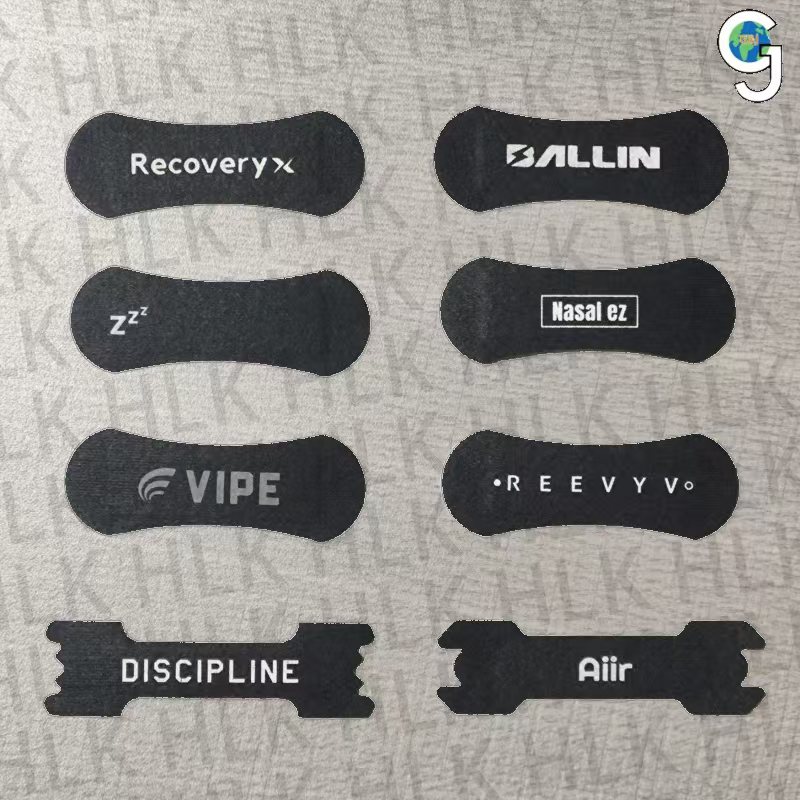
Innovation opportunities in private label nasal strip development include shape optimization, adhesive enhancement, and specialized features for different user needs. Flexible designs that conform to various nose shapes improve comfort and effectiveness. Some manufacturers offer custom shapes, sizes, or adhesive formulations tailored to specific market segments. Discuss customization options with potential manufacturing partners to understand the feasibility and cost implications of product innovations for your private label nasal strip line.
Packaging Design and Branding
Packaging design plays a crucial role in private label nasal strip marketing and customer experience. Effective packaging protects product integrity while communicating brand values and usage instructions clearly. Consider resealable packaging options that maintain adhesive freshness and provide convenient storage for consumers. Individual packaging for each strip ensures hygiene and portability, which appeals to travelers and athletes who use private label nasal strip products on the go.
Branding elements on packaging should reflect your target audience preferences and market positioning strategy. Professional medical-style packaging appeals to health-focused consumers, while vibrant, energetic designs attract athletic market segments. Include clear usage instructions, safety warnings, and contact information on all private label nasal strip packaging. Consider multilingual packaging if you plan to expand into international markets, and ensure all regulatory labeling requirements are met for your target distribution regions.
Regulatory Compliance and Certification
FDA Requirements and Registration
Understanding FDA regulations is essential for private label nasal strip businesses operating in the United States market. Nasal strips typically fall under FDA medical device regulations, requiring proper classification and compliance documentation. Work with regulatory consultants or legal experts to ensure your private label nasal strip products meet all applicable FDA requirements. Proper registration protects your business from regulatory issues and builds customer confidence in your product safety and quality.
FDA compliance involves product labeling requirements, safety documentation, and manufacturing facility registration. Ensure your manufacturing partner maintains current FDA registration and follows Good Manufacturing Practice guidelines. Document all compliance measures and maintain records for FDA inspection purposes. Consider engaging regulatory affairs specialists who understand private label nasal strip requirements to navigate the compliance process efficiently and avoid costly delays or violations.
International Certification Standards
Expanding private label nasal strip distribution internationally requires understanding various certification standards and regulatory requirements. European markets require CE marking for medical devices, while other regions have specific labeling and safety standards. Research target market requirements early in the product development process to ensure compliance and avoid market entry barriers. Some manufacturers specialize in multi-market compliance and can help navigate international regulatory requirements for private label nasal strip products.
Certification costs and timelines should be factored into your private label nasal strip business planning and budget projections. International certifications often require additional testing, documentation, and ongoing compliance monitoring. Consider starting with domestic market entry before expanding internationally to establish revenue streams and refine products based on customer feedback. This approach allows you to invest certification costs for international expansion once your private label nasal strip business demonstrates market viability and growth potential.
Marketing Strategy Development
Digital Marketing Channels
Digital marketing provides cost-effective channels for reaching private label nasal strip customers and building brand awareness. Social media platforms allow targeted advertising to specific demographics interested in sleep improvement, athletic performance, or health wellness. Content marketing through blogs, videos, and educational resources establishes your brand as a trusted authority in the nasal strip market while providing valuable information to potential customers considering private label nasal strip products.
Search engine optimization ensures your private label nasal strip brand appears prominently when customers search for breathing improvement solutions online. Develop keyword strategies around sleep improvement, snoring reduction, and athletic performance enhancement to capture relevant traffic. Email marketing campaigns nurture leads and maintain customer relationships through valuable content, product updates, and promotional offers. Consider influencer partnerships with sleep experts, fitness professionals, or health bloggers to expand your private label nasal strip brand reach and credibility.
Retail Partnership Opportunities
Retail partnerships provide valuable distribution channels for private label nasal strip products beyond direct-to-consumer sales. Pharmacies, health stores, and sporting goods retailers represent natural fit categories for nasal strip products. Develop compelling wholesale proposals that highlight your product benefits, competitive pricing, and marketing support for retail partners. Consider offering exclusive products or territories to key retail partners to strengthen relationships and secure prominent shelf placement for your private label nasal strip products.
Online marketplaces like Amazon, eBay, and specialized health product platforms offer additional distribution opportunities with built-in customer bases. Optimize product listings with compelling descriptions, high-quality images, and positive customer reviews to maximize visibility and conversion rates. Monitor competitor activities on these platforms and adjust pricing or promotional strategies accordingly. Success on online marketplaces can provide valuable sales data and customer insights to inform broader private label nasal strip marketing strategies and product development decisions.
Financial Planning and Investment
Startup Cost Analysis
Calculating startup costs accurately is crucial for successful private label nasal strip business launch and ongoing financial management. Initial expenses include product development, minimum order quantities, packaging design, regulatory compliance, and marketing launch campaigns. Manufacturing costs vary significantly based on order quantities, customization requirements, and quality specifications for your private label nasal strip products. Obtain detailed quotes from multiple manufacturers to compare costs and negotiate favorable terms for initial orders.
Beyond manufacturing costs, consider expenses for branding, website development, inventory storage, and initial marketing campaigns. Legal and regulatory compliance costs, including trademark registration and FDA consultation fees, protect your private label nasal strip business from future complications. Create detailed financial projections that account for various scenarios and potential challenges to ensure adequate funding for sustained business operations and growth opportunities.
Revenue Projections and Scaling
Developing realistic revenue projections requires thorough market research and conservative assumptions about customer acquisition and retention rates. Analyze comparable private label nasal strip businesses and industry benchmarks to inform your financial modeling. Consider seasonal variations in demand, particularly during cold and allergy seasons when breathing improvement products see increased sales. Factor in customer lifetime value and repeat purchase patterns to understand long-term revenue potential from your private label nasal strip customer base.
Scaling strategies should address manufacturing capacity, distribution expansion, and marketing budget allocation as sales volume grows. Negotiate volume discounts with manufacturing partners and explore opportunities for product line extensions or complementary products. International expansion represents significant scaling opportunities for successful private label nasal strip brands, but requires additional investment in regulatory compliance and market entry strategies. Plan scaling initiatives carefully to maintain product quality and customer satisfaction while pursuing growth opportunities.
FAQ
What are the typical minimum order quantities for private label nasal strip manufacturing
Minimum order quantities for private label nasal strip production typically range from 10,000 to 50,000 units, depending on the manufacturer and customization requirements. Smaller manufacturers may accommodate lower minimums for startups, while larger facilities often require higher volumes to achieve cost-effective production runs. Custom packaging, unique formulations, or specialized shapes may increase minimum order requirements due to setup costs and production complexity.
How long does it take to develop and launch a private label nasal strip product
The development timeline for private label nasal strip products typically spans 3-6 months from initial concept to market launch. This includes manufacturer selection, product customization, packaging design, regulatory compliance, and initial production runs. Factors affecting timeline include customization complexity, regulatory approval processes, and manufacturing partner availability. Planning ahead and working with experienced manufacturers can help minimize delays and ensure timely market entry.
What profit margins can I expect from a private label nasal strip business
Profit margins for private label nasal strip businesses typically range from 40-70%, depending on manufacturing costs, pricing strategy, and distribution channels. Direct-to-consumer sales generally provide higher margins than wholesale distribution to retailers. Premium positioning and unique product features can support higher pricing and improved margins. Successful brands often achieve margins in the 50-60% range through effective cost management and strategic pricing decisions.
Are there any special storage requirements for private label nasal strip inventory
Private label nasal strip products require controlled storage conditions to maintain adhesive effectiveness and product integrity. Ideal storage involves cool, dry environments with temperatures between 60-75°F and humidity levels below 60%. Avoid direct sunlight exposure and extreme temperature fluctuations that can compromise adhesive properties. Proper packaging protects products during storage and helps maintain consistent quality throughout the shelf life of your private label nasal strip inventory.
One-Stop Custom Tape & Patch Supplier, Fully Certified & Safety Guaranteed
Name: Vicky Zhou
Call/Text: +86 198 0595 7675
Email: [email protected]
Website:https://www.hlktape.com
YouTube:https://www.youtube.com/@HLKTape