 EN
EN


Mouth Tape Applications in Preventive Care Products
The growing awareness of sleep quality and respiratory health has led to increased interest in innovative preventive care solutions. Among these emerging products, mouth tape has gained significant attention from healthcare professionals and consumers seeking non-invasive approaches to improve breathing patterns during sleep. This specialized adhesive product represents a simple yet effective intervention that addresses common sleep-related breathing issues while promoting better oral health habits. Modern mouth tape designs incorporate advanced materials and ergonomic considerations to ensure comfort, safety, and effectiveness throughout the night. As preventive healthcare continues to evolve toward more accessible and user-friendly solutions, mouth tape stands out as a practical tool that can be easily integrated into daily wellness routines.
Understanding the Science Behind Mouth Taping
Physiological Benefits of Nasal Breathing
Nasal breathing offers numerous physiological advantages over mouth breathing, particularly during sleep when the body undergoes critical restorative processes. When individuals breathe through their nose, the air is naturally filtered, warmed, and humidified before entering the lungs, creating optimal conditions for oxygen exchange. The nasal passages also produce nitric oxide, a vital compound that enhances blood flow and supports cardiovascular health. Mouth tape encourages this natural breathing pattern by gently keeping the lips closed, allowing the nose to function as the primary airway during rest periods.
Research indicates that nasal breathing can improve sleep quality by maintaining proper oxygen saturation levels and reducing the likelihood of sleep disruptions. The consistent airflow through nasal passages helps maintain stable breathing patterns, which directly impacts the depth and quality of sleep cycles. Additionally, nasal breathing supports the body's natural pH balance and helps prevent oral cavity dehydration that commonly occurs with mouth breathing habits.
Addressing Sleep-Disordered Breathing
Sleep-disordered breathing affects millions of people worldwide, often manifesting as snoring, sleep apnea, or irregular breathing patterns that compromise sleep quality. Mouth tape serves as a gentle intervention that can help reduce mild snoring by encouraging proper tongue position and maintaining closed-mouth breathing throughout the night. While not a replacement for medical treatment of severe sleep apnea, mouth tape can complement other therapeutic approaches when used under appropriate guidance.
The mechanical action of keeping the mouth closed helps maintain proper airway geometry, potentially reducing tissue vibration that causes snoring sounds. This simple intervention can lead to improved sleep quality for both the individual and their sleep partner, contributing to better overall health outcomes and daytime functionality.
Clinical Applications in Preventive Healthcare
Integration with Sleep Medicine Practices
Healthcare providers increasingly recognize mouth tape as a valuable adjunct tool in comprehensive sleep medicine approaches. Sleep specialists often recommend mouth tape as part of behavioral interventions designed to improve sleep hygiene and breathing patterns. The non-invasive nature of mouth tape makes it an attractive option for patients who may not be candidates for more complex interventions or who prefer conservative management approaches.
Clinical studies have demonstrated that consistent use of mouth tape can lead to measurable improvements in sleep quality metrics, including reduced wake episodes and improved oxygen saturation levels. These objective improvements translate into subjective benefits such as increased daytime alertness, better mood regulation, and enhanced cognitive performance. Healthcare providers appreciate that mouth tape offers a low-risk intervention that patients can easily implement as part of their nightly routine.
Pediatric and Adult Applications
The versatility of mouth tape extends across different age groups, with specialized formulations designed for both pediatric and adult populations. In children, mouth breathing can contribute to dental developmental issues, facial growth patterns, and learning difficulties associated with poor sleep quality. Pediatric-friendly mouth tape products feature gentle adhesives and smaller sizes appropriate for younger users while maintaining safety standards.
Adult applications encompass a broader range of scenarios, including athletes seeking to optimize recovery sleep, individuals with mild sleep-related breathing disorders, and people experiencing temporary nasal congestion who want to maintain healthy breathing habits. The adaptability of mouth tape makes it suitable for various lifestyle needs and health objectives, supporting its integration into diverse preventive care protocols.
Material Science and Safety Considerations
Advanced Adhesive Technologies
Modern mouth tape products utilize sophisticated adhesive technologies that balance effectiveness with skin safety and comfort. Hypoallergenic materials ensure minimal risk of skin irritation while providing sufficient adhesion to maintain lip closure throughout the night. These advanced formulations often incorporate breathable materials that allow for natural skin respiration while maintaining their adhesive properties in various environmental conditions.
The development of medical-grade adhesives specifically for overnight use represents a significant advancement in mouth tape technology. These materials undergo rigorous testing for biocompatibility, ensuring they meet strict safety standards for prolonged skin contact. The result is a product that can be used consistently without causing skin damage or irritation, supporting long-term compliance with breathing improvement protocols.
Design Features for User Comfort
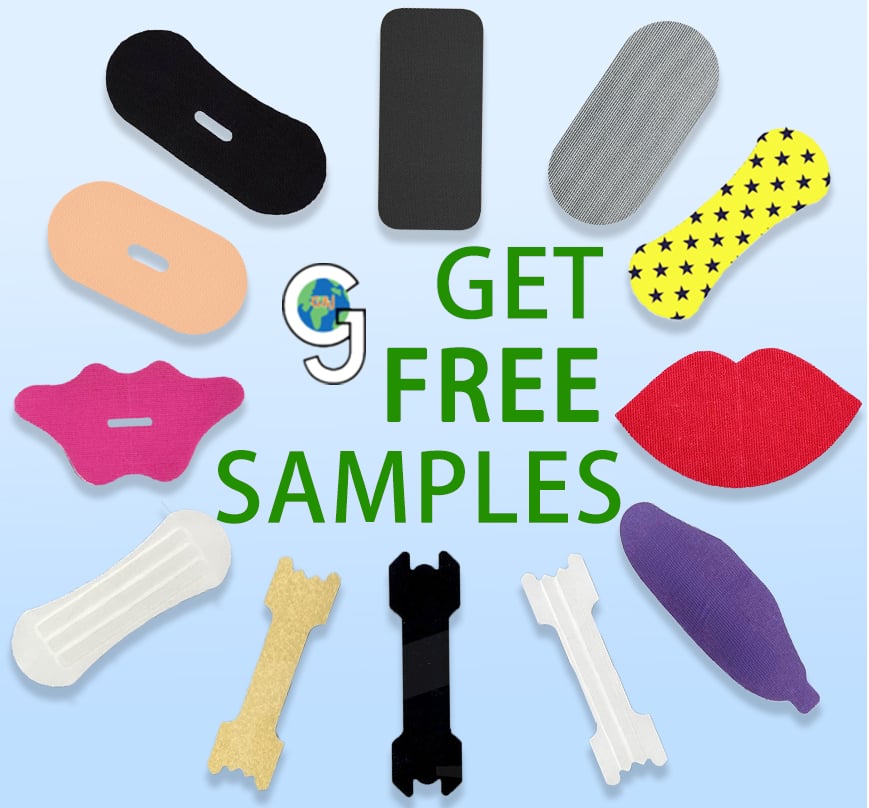
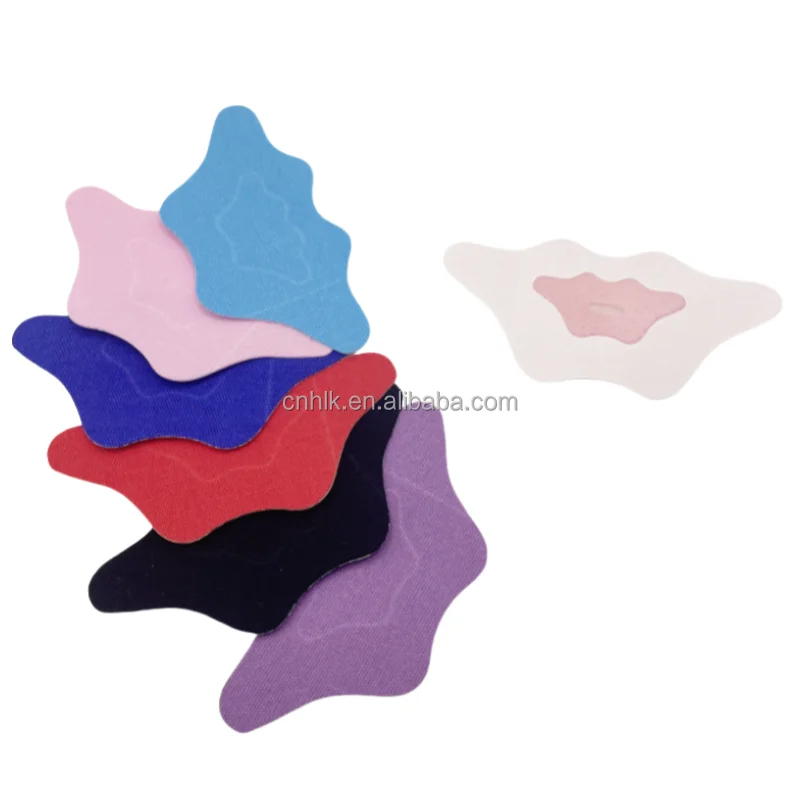
Contemporary mouth tape designs incorporate ergonomic considerations that enhance user comfort and acceptance. Features such as perforated centers allow for emergency mouth breathing while maintaining the primary benefit of encouraging nasal breathing. Contoured shapes that follow natural lip anatomy provide better adherence and reduce the sensation of wearing a foreign object during sleep.
Moisture-wicking properties and temperature-resistant adhesives ensure that mouth tape maintains its effectiveness despite natural variations in sleep environment conditions. These design improvements address common user concerns about comfort and reliability, contributing to higher satisfaction rates and consistent use patterns among individuals incorporating mouth tape into their sleep routines.
Implementation Strategies for Healthcare Providers
Patient Education and Training
Successful implementation of mouth tape in preventive care requires comprehensive patient education about proper application techniques and realistic expectation setting. Healthcare providers play a crucial role in demonstrating correct placement methods and helping patients understand the gradual adaptation process that may be required for optimal comfort and effectiveness. Educational materials should address common concerns about safety and emphasize the importance of maintaining clear nasal passages for successful mouth tape use.
Training protocols typically include instructions for assessing nasal patency before application, recognizing when mouth tape use may not be appropriate, and understanding signs that warrant discontinuation or medical consultation. This educational foundation ensures that patients can safely and effectively incorporate mouth tape into their preventive care routines while maintaining appropriate medical oversight.
Integration with Comprehensive Treatment Plans
Effective integration of mouth tape into comprehensive treatment plans requires coordination with other therapeutic interventions and ongoing monitoring of patient outcomes. Healthcare providers should establish clear protocols for combining mouth tape use with other sleep hygiene measures, nasal decongestants when appropriate, and complementary treatments for sleep-related breathing disorders.
Regular follow-up assessments allow healthcare providers to track progress, adjust recommendations, and identify patients who may benefit from alternative or additional interventions. This systematic approach ensures that mouth tape serves as an effective component of broader preventive care strategies rather than a standalone solution, maximizing its therapeutic potential while maintaining patient safety.
Quality Assurance and Regulatory Considerations
Manufacturing Standards and Compliance
The production of medical-grade mouth tape requires adherence to strict manufacturing standards and regulatory compliance measures that ensure product safety and consistency. Quality assurance protocols encompass raw material sourcing, production environment controls, and finished product testing to verify adhesive strength, biocompatibility, and shelf stability. These comprehensive measures protect consumers and support healthcare provider confidence in recommending mouth tape products.
Regulatory oversight varies by jurisdiction but generally includes requirements for clinical testing, safety documentation, and post-market surveillance to monitor adverse events or quality issues. Manufacturers must maintain detailed records of production processes and implement corrective action procedures when quality deviations are identified, ensuring consistent product performance and user safety.
Product Differentiation and Selection Criteria
The growing mouth tape market includes products with varying features, materials, and intended applications, making informed product selection crucial for optimal outcomes. Healthcare providers should consider factors such as adhesive strength, material breathability, size options, and specific design features when recommending mouth tape products to patients with different needs and preferences.
Evaluation criteria should include clinical evidence supporting product claims, manufacturer reputation and regulatory compliance history, and user feedback regarding comfort and effectiveness. This systematic approach to product selection ensures that patients receive mouth tape solutions that align with their specific requirements and therapeutic objectives, supporting better compliance and clinical outcomes.
Future Developments and Innovation Trends
Technological Advancements in Materials
Ongoing research in materials science continues to drive innovation in mouth tape technology, with new developments focusing on enhanced comfort, improved adhesion properties, and additional therapeutic benefits. Smart materials that respond to temperature and humidity changes may offer improved performance in varying sleep environments, while biodegradable options address environmental sustainability concerns.
Emerging technologies include incorporation of beneficial compounds such as moisturizing agents or antimicrobial substances that provide additional oral health benefits during use. These advanced formulations represent the next generation of mouth tape products that extend beyond simple mechanical mouth closure to offer comprehensive oral care benefits during sleep.
Integration with Digital Health Platforms
The convergence of mouth tape use with digital health monitoring represents an exciting frontier in personalized sleep medicine. Integration with wearable devices and sleep tracking applications can provide objective data about breathing patterns, sleep quality metrics, and treatment adherence, enabling more precise optimization of mouth tape therapy protocols.
Future developments may include smart mouth tape products with embedded sensors that monitor breathing patterns, skin temperature, or movement during sleep, providing valuable data for healthcare providers and users to assess treatment effectiveness and make informed adjustments to sleep optimization strategies.
FAQ
What are the primary safety considerations when using mouth tape for sleep
Safety considerations for mouth tape use include ensuring clear nasal breathing before application, using products specifically designed for overnight use, and discontinuing use if nasal congestion develops during the night. Individuals with severe sleep apnea, nasal obstructions, or respiratory conditions should consult healthcare providers before using mouth tape. It is important to choose hypoallergenic products and monitor for any skin irritation or adhesive reactions during initial use periods.
How does mouth tape compare to other snoring reduction methods
Mouth tape offers a non-invasive, cost-effective approach to reducing snoring compared to more complex interventions such as oral appliances or surgical procedures. While mouth tape may be effective for mild to moderate snoring related to mouth breathing, it may not address snoring caused by structural issues or severe sleep apnea. The simplicity and low risk profile of mouth tape make it an attractive first-line intervention, though individuals with persistent sleep-related breathing issues should seek comprehensive medical evaluation.
What factors should healthcare providers consider when recommending mouth tape products
Healthcare providers should evaluate patient-specific factors including nasal patency, skin sensitivity, severity of sleep-related symptoms, and overall health status when recommending mouth tape products. Consideration should be given to product features such as adhesive strength, material composition, size options, and manufacturer quality standards. Patient education about proper application techniques and realistic expectations is essential for successful outcomes, along with establishing appropriate follow-up protocols to monitor progress and safety.
Can mouth tape be used in conjunction with other sleep improvement interventions
Mouth tape can effectively complement other sleep improvement strategies including sleep hygiene practices, nasal decongestants when appropriate, and positional therapy techniques. However, compatibility with specific medical devices or treatments should be evaluated individually, particularly for patients using CPAP machines or oral appliances. Healthcare providers should coordinate mouth tape recommendations with comprehensive treatment plans to ensure optimal outcomes and avoid potential interactions between different therapeutic approaches.
One-Stop Custom Tape & Patch Supplier, Fully Certified & Safety Guaranteed
Name: Vicky Zhou
Call/Text: +86 198 0595 7675
Email: [email protected]
Website:https://www.hlktape.com
YouTube:https://www.youtube.com/@HLKTape