 EN
EN


Mouth Tape Materials Compared: Cotton, Rayon, Hydrogel
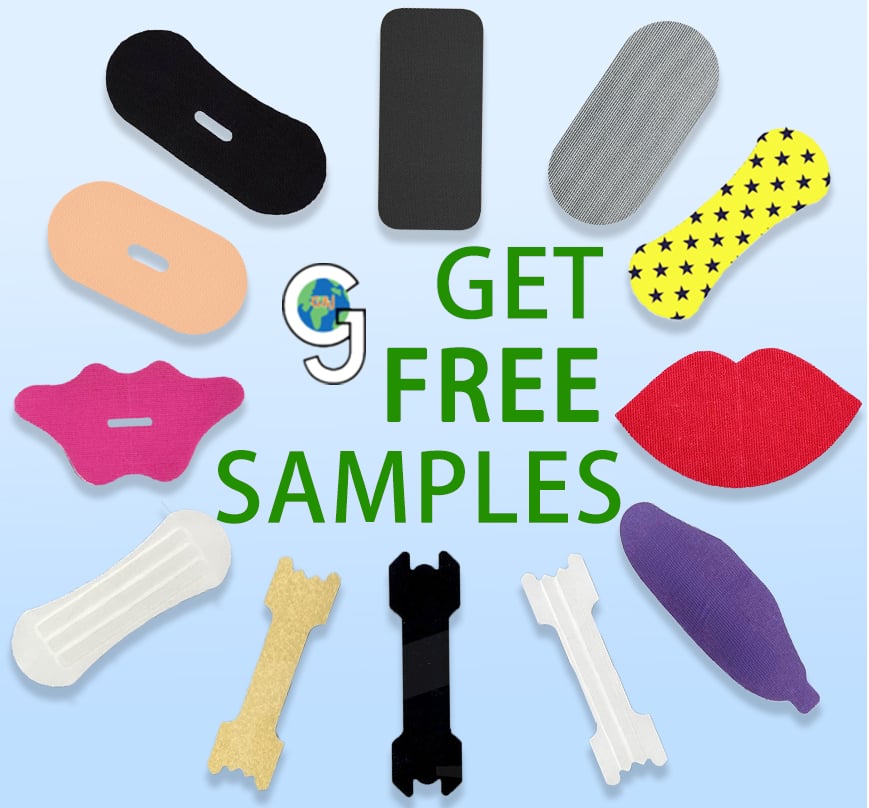
When selecting the optimal solution for nighttime breathing improvement, understanding different mouth tape materials becomes essential for making informed decisions. The composition of these specialized products directly impacts comfort, adhesion quality, and overall effectiveness during sleep. Modern manufacturers utilize various mouth tape materials including cotton, rayon, and advanced hydrogel formulations to address diverse user preferences and skin sensitivities. Each material offers distinct advantages and considerations that influence the user experience and therapeutic outcomes.
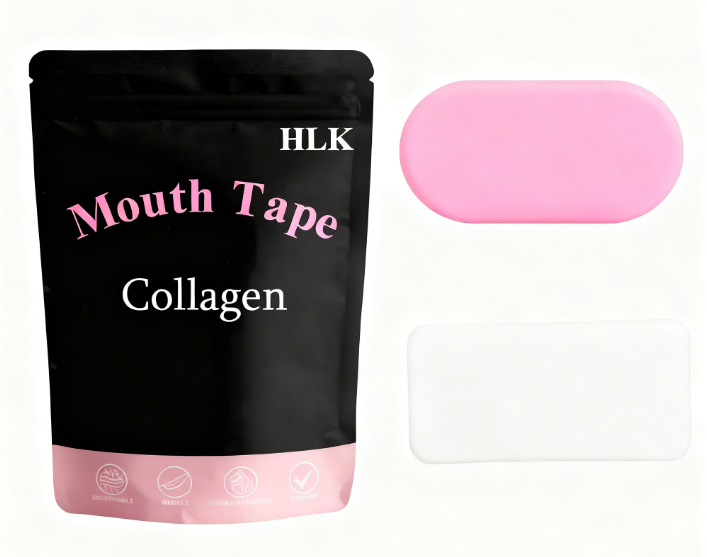
The evolution of mouth tape materials reflects advances in medical-grade adhesive technology and biocompatible material science. Traditional options focused primarily on basic adhesion, while contemporary solutions prioritize skin health, moisture management, and prolonged wearability. Understanding the characteristics of different mouth tape materials enables users to select products that align with their specific needs, skin types, and comfort preferences for optimal sleep quality improvement.
Cotton-Based Mouth Tape Materials
Natural Fiber Advantages
Cotton represents one of the most traditional mouth tape materials, offering natural breathability and hypoallergenic properties that appeal to sensitive skin users. The porous structure of cotton fibers allows air circulation while maintaining adequate adhesion for effective mouth sealing. This natural material demonstrates excellent moisture absorption capabilities, reducing the likelihood of skin irritation caused by trapped perspiration during extended wear periods.
The organic nature of cotton mouth tape materials provides comfort for individuals with chemical sensitivities or allergies to synthetic compounds. Cotton fibers naturally conform to facial contours without creating excessive tension or discomfort. Many users appreciate the familiar texture and gentle feel of cotton-based products, particularly those transitioning from other breathing aids to mouth taping solutions.
Performance Characteristics
Cotton mouth tape materials typically exhibit moderate adhesion strength suitable for most sleeping positions and movement patterns. The material maintains consistent performance across various humidity levels and temperature conditions commonly encountered in bedroom environments. However, cotton may show reduced effectiveness in high-moisture situations or for users who experience significant perspiration during sleep.
The durability of cotton mouth tape materials depends on manufacturing quality and adhesive formulation. Premium cotton products often incorporate reinforcement techniques that enhance longevity without compromising comfort. Users frequently report satisfactory removal experiences with cotton-based options, as the natural fibers tend to separate cleanly from skin surfaces without excessive residue.
Rayon Synthetic Material Properties
Manufacturing Benefits
Rayon represents a semi-synthetic option among mouth tape materials, combining natural cellulose origins with processed manufacturing techniques. This material offers enhanced consistency compared to purely natural alternatives while maintaining many desirable characteristics of organic fibers. Rayon production allows for precise control over texture, thickness, and porosity parameters that affect adhesion and comfort performance.
The manufacturing process for rayon mouth tape materials enables incorporation of specialized treatments that enhance functionality. Surface modifications can improve adhesive compatibility, moisture resistance, and antimicrobial properties without significantly altering the base material characteristics. This flexibility makes rayon an attractive choice for manufacturers seeking to optimize specific performance aspects of their mouth taping products.
User Experience Factors
Rayon mouth tape materials typically provide smoother surface textures compared to cotton alternatives, resulting in different tactile sensations during application and wear. The processed nature of rayon allows for thinner material profiles while maintaining structural integrity and adhesion effectiveness. Many users find rayon options offer improved conformability to facial features and reduced bulk sensation during sleep.
The moisture management capabilities of rayon mouth tape materials often exceed those of natural cotton, particularly in humid environments or for users prone to perspiration. Rayon maintains dimensional stability better than some natural alternatives, reducing the likelihood of material distortion that could compromise seal effectiveness. Removal characteristics generally favor rayon, with consistent separation patterns and minimal residue formation on skin surfaces.
Advanced Hydrogel Technology
Innovative Material Science
Hydrogel represents the most advanced category among modern mouth tape materials, incorporating water-based polymer matrices that provide unique adhesion and comfort characteristics. These sophisticated materials utilize cross-linked polymer networks that maintain flexibility while delivering consistent adhesive performance across varying environmental conditions. Hydrogel mouth tape materials offer superior biocompatibility and skin-friendly properties compared to traditional alternatives.
The molecular structure of hydrogel mouth tape materials enables controlled moisture exchange while maintaining adhesive integrity throughout extended wear periods. This technology addresses common concerns associated with traditional materials, including skin irritation, adhesive failure, and removal discomfort. Advanced hydrogel formulations incorporate moisturizing components that actually benefit skin condition during use, rather than causing dryness or irritation.
Performance Superiority
Hydrogel mouth tape materials demonstrate exceptional adhesion consistency across diverse user conditions and sleeping environments. The polymer matrix adapts to temperature variations and humidity changes without losing effectiveness, making hydrogel suitable for year-round use in various climates. The material maintains optimal adhesion strength throughout the night while facilitating easy, residue-free removal in the morning.
The bioactive properties of advanced hydrogel mouth tape materials provide therapeutic benefits beyond basic mouth sealing functionality. Some formulations incorporate skin-conditioning agents that promote healthy tissue condition during wear. The gentle adhesion mechanism reduces mechanical stress on facial skin while maintaining reliable seal performance, making hydrogel particularly suitable for sensitive skin users and long-term applications.
Material Selection Considerations
Skin Sensitivity Factors
Choosing appropriate mouth tape materials requires careful consideration of individual skin characteristics and sensitivity levels. Users with known allergies to synthetic compounds may prefer natural cotton options, while those seeking enhanced performance might benefit from advanced hydrogel formulations. Conducting patch tests with different mouth tape materials helps identify the most compatible option before committing to regular use.
The pH compatibility of various mouth tape materials affects skin comfort and long-term tolerability. Hydrogel formulations typically offer neutral pH characteristics that minimize disruption to natural skin chemistry. Cotton and rayon materials may vary in pH depending on processing treatments and adhesive formulations used in manufacturing. Understanding these factors helps users select materials that support healthy skin condition during extended use periods.
Environmental Compatibility
Different mouth tape materials perform variably under specific environmental conditions commonly encountered in bedroom settings. High humidity environments may challenge cotton-based products while favoring hydrogel alternatives that thrive in moisture-rich conditions. Temperature fluctuations affect adhesive performance differently across material types, with hydrogel typically showing superior stability compared to traditional options.
The durability of mouth tape materials under various environmental stresses influences both performance reliability and cost-effectiveness. Hydrogel products often maintain consistent adhesion characteristics across broader temperature and humidity ranges compared to fiber-based alternatives. Users in extreme climates or those with specific environmental requirements should evaluate material performance under their typical sleeping conditions before making selections.
Application Techniques by Material Type
Preparation Methods
Different mouth tape materials require specific preparation techniques to optimize adhesion and comfort performance. Cotton-based products benefit from clean, dry skin surfaces and gentle application pressure to ensure proper fiber contact with skin texture. Rayon materials typically adhere effectively with minimal preparation, though light cleansing removes oils that might interfere with adhesive bonding.
Hydrogel mouth tape materials often perform optimally when applied to slightly moist skin surfaces, as the polymer matrix utilizes moisture for enhanced adhesion activation. The preparation requirements vary significantly between material types, making proper technique selection important for achieving desired results. Understanding these preparation differences helps users maximize the effectiveness of their chosen mouth tape materials.
Removal Protocols
Safe removal techniques differ substantially between various mouth tape materials, reflecting their distinct adhesion mechanisms and material properties. Cotton products typically require gentle peeling motions that work with the natural fiber structure to minimize skin stress. Rayon materials often release cleanly with steady, controlled removal pressure applied parallel to the skin surface.
Hydrogel mouth tape materials frequently offer the easiest removal experience, with polymer matrices releasing gradually as moisture conditions change upon waking. Some hydrogel formulations incorporate time-release mechanisms that automatically reduce adhesion strength after predetermined periods. Proper removal technique selection based on material type prevents skin damage and ensures comfortable user experience throughout the product lifecycle.
Cost-Effectiveness Analysis
Initial Investment Comparison
The purchasing costs of different mouth tape materials vary significantly based on manufacturing complexity and raw material expenses. Cotton-based products typically offer the most economical entry point for users beginning mouth taping routines. Rayon alternatives usually fall in the moderate price range, reflecting their semi-synthetic nature and processing requirements.
Hydrogel mouth tape materials generally command premium pricing due to advanced polymer technology and specialized manufacturing processes. However, the enhanced performance characteristics often justify higher costs through improved comfort, longer wear times, and reduced skin irritation incidents. Evaluating total cost of ownership requires considering replacement frequency, effectiveness rates, and potential skin care costs associated with different material choices.
Long-term Value Assessment
The durability and reusability potential of various mouth tape materials affects long-term cost considerations beyond initial purchase prices. Single-use cotton and rayon products require continuous replenishment, while some hydrogel formulations offer extended wear capabilities that reduce replacement frequency. The relationship between material quality and longevity significantly impacts overall cost-effectiveness calculations.
Performance consistency across extended use periods influences the practical value of different mouth tape materials. Higher-quality options that maintain effectiveness throughout their intended lifespan provide better value than cheaper alternatives requiring frequent replacement due to adhesion failure or comfort issues. Users should evaluate total costs including potential medical consultations for skin irritation issues when comparing material options.
FAQ
Which mouth tape materials work best for sensitive skin
Hydrogel formulations typically provide the gentlest option for sensitive skin users, as their biocompatible polymer matrices minimize chemical irritation risks. Cotton materials offer natural hypoallergenic properties suitable for those avoiding synthetic compounds. Patch testing remains essential regardless of material type to ensure individual compatibility before regular use.
How do different mouth tape materials affect sleep comfort
Comfort levels vary significantly between mouth tape materials based on thickness, flexibility, and adhesion characteristics. Hydrogel products often provide superior comfort through their adaptive properties and gentle adhesion mechanisms. Cotton materials offer familiar textures but may feel bulkier, while rayon provides smooth surfaces with moderate flexibility for comfortable nighttime wear.
Can mouth tape materials cause allergic reactions
Any mouth tape material can potentially trigger allergic reactions in susceptible individuals, though risks vary by material type and adhesive formulations. Natural cotton materials rarely cause reactions except in individuals with specific cotton allergies. Synthetic components in rayon and hydrogel products may present higher risk profiles for chemically sensitive users. Consulting healthcare providers before use helps identify potential compatibility issues.
What determines the durability of different mouth tape materials
Material durability depends on fiber strength, adhesive quality, and environmental resistance characteristics. Cotton durability relates to fiber quality and weave density, while rayon performance depends on processing techniques and chemical treatments. Hydrogel durability stems from polymer cross-linking density and moisture management capabilities, often providing superior longevity compared to fiber-based alternatives.
One-Stop Custom Tape & Patch Supplier, Fully Certified & Safety Guaranteed
Name: Vicky Zhou
Call/Text: +86 198 0595 7675
Email: [email protected]
Website:https://www.hlktape.com
YouTube:https://www.youtube.com/@HLKTape