 EN
EN


Mouth Tape in Snoring Management Product Lines
The growing awareness of sleep quality and its impact on overall health has led to increased interest in snoring management solutions. Among the various approaches to addressing nocturnal breathing issues, mouth tape has emerged as a simple yet effective tool for promoting nasal breathing during sleep. This innovative solution targets one of the primary causes of snoring by encouraging proper breathing patterns and reducing mouth breathing, which is often associated with sleep disruption and reduced sleep quality.
Sleep specialists and healthcare professionals increasingly recognize the role of breathing patterns in sleep quality and overall wellness. When individuals breathe through their mouth during sleep, it can lead to tissue vibration in the throat, resulting in the characteristic sounds of snoring. By utilizing specialized adhesive products designed for overnight use, sleepers can train themselves to maintain nasal breathing throughout the night, potentially reducing snoring episodes and improving sleep quality for both the individual and their sleep partner.
The market for sleep-related wellness products has expanded significantly, with mouth tape representing a non-invasive alternative to more complex interventions. Unlike mechanical devices or medical procedures, these adhesive solutions offer a gentle approach to breathing modification that can be easily incorporated into existing bedtime routines. The simplicity of application and removal makes this approach accessible to a wide range of individuals seeking to improve their sleep experience.
Understanding the Science Behind Nasal Breathing During Sleep
Physiological Benefits of Nasal Breathing
Nasal breathing offers numerous advantages over mouth breathing, particularly during sleep periods. The nasal passages naturally filter, warm, and humidify incoming air, creating optimal conditions for respiratory function. When air passes through the nose, it encounters specialized structures that remove particles and pathogens while adding moisture to prevent drying of the respiratory tract. This natural conditioning process is bypassed when breathing occurs through the mouth, potentially leading to irritation and inflammation of throat tissues.
Research demonstrates that nasal breathing promotes better oxygen absorption and carbon dioxide regulation compared to mouth breathing. The nasal passages create beneficial resistance that helps maintain proper lung pressure and facilitates more efficient gas exchange. Additionally, nasal breathing stimulates the production of nitric oxide, a compound that enhances oxygen uptake and supports cardiovascular health. These physiological advantages become particularly important during sleep when the body undergoes critical repair and restoration processes.
The Connection Between Mouth Breathing and Snoring
Mouth breathing during sleep creates conditions that frequently lead to snoring and sleep disruption. When the mouth remains open, the tongue and soft tissues in the throat are more likely to relax and obstruct the airway partially. This narrowing of the breathing passage causes air to move more rapidly through the restricted space, creating vibrations in the surrounding tissues that produce the characteristic sounds of snoring.
The position of the jaw and tongue changes significantly when mouth breathing occurs during sleep. The lower jaw tends to drop, and the tongue may fall backward, further contributing to airway restriction. By maintaining mouth closure through appropriate mouth tape application, individuals can help maintain proper tongue and jaw positioning, potentially reducing the likelihood of airway obstruction and subsequent snoring episodes.
Product Development and Materials in Sleep Breathing Solutions
Adhesive Technology for Overnight Use
The development of mouth tape products requires careful consideration of adhesive properties that balance effectiveness with comfort and safety. Modern formulations utilize hypoallergenic materials designed to maintain gentle but secure contact with facial skin throughout the sleep period. These specialized adhesives must provide sufficient holding power to remain in place during normal sleep movement while allowing for easy removal without causing skin irritation or discomfort.
Advanced adhesive technologies in mouth tape products often incorporate breathable materials that allow for some air exchange while maintaining the primary function of encouraging nasal breathing. The adhesive strength is calibrated to accommodate various skin types and sensitivities, ensuring that users can apply and remove the product without adverse reactions. Quality manufacturers invest in extensive testing to optimize the balance between adhesion and user comfort, particularly for individuals who may use these products regularly as part of their sleep routine.
Skin-Safe Materials and Hypoallergenic Formulations
The selection of materials for mouth tape products prioritizes skin compatibility and safety for extended contact periods. Hypoallergenic formulations are essential since these products remain in contact with facial skin for several hours each night. Medical-grade materials commonly used in healthcare applications provide the foundation for many professional-quality mouth tape products, ensuring that users can utilize these solutions without concern for adverse skin reactions.
Manufacturing processes for high-quality mouth tape products involve rigorous quality control measures to ensure consistent material properties and safety standards. The backing materials must be flexible enough to accommodate facial movements during sleep while maintaining their structural integrity. Surface treatments and coatings are carefully selected to minimize the risk of allergic reactions while preserving the effectiveness of the adhesive properties throughout the intended use period.
Application Methods and Best Practices
Proper Application Techniques
Successful use of mouth tape requires understanding proper application methods that maximize effectiveness while ensuring user comfort and safety. The skin surface should be clean and dry before application to ensure optimal adhesion and prevent potential skin irritation. Users should avoid applying moisturizers or other skincare products to the lip area immediately before using mouth tape, as these substances can interfere with adhesive performance.
The positioning of mouth tape is critical for both effectiveness and comfort during sleep. The product should be centered over the lips with sufficient coverage to maintain mouth closure without restricting natural lip movement or causing excessive tension. Users should practice application during daytime hours to become comfortable with the process and identify the most effective positioning for their individual facial structure before incorporating the product into their nighttime routine.
Safety Considerations and Contraindications
While mouth tape represents a generally safe approach to breathing modification during sleep, certain individuals should exercise caution or avoid use altogether. People with nasal congestion, allergies, or other conditions that impair nasal breathing should not use mouth tape until their breathing passages are clear. Similarly, individuals with certain medical conditions affecting respiratory function should consult healthcare professionals before incorporating mouth tape into their sleep routine.
Users should be aware of their body's response to mouth tape application and discontinue use if any adverse effects occur. Signs such as increased anxiety, difficulty breathing, or skin irritation warrant immediate removal of the product and evaluation of whether mouth tape is appropriate for the individual. Emergency removal should always be possible, and users should ensure they can quickly and easily remove mouth tape if needed during the night.
Integration with Comprehensive Sleep Wellness Programs
Combining Mouth Tape with Other Sleep Improvement Strategies
Mouth tape works most effectively when incorporated as part of a comprehensive approach to sleep wellness that addresses multiple factors affecting sleep quality. Combining the use of mouth tape with proper sleep positioning, maintaining optimal bedroom temperature and humidity, and establishing consistent sleep schedules can enhance the overall effectiveness of snoring management efforts. This holistic approach recognizes that sleep quality depends on numerous interconnected factors working together.
Sleep hygiene practices complement the benefits of mouth tape by creating environmental conditions that support restful sleep and natural breathing patterns. Regular exercise, stress management, and attention to diet and timing of meals can all influence sleep quality and breathing during rest periods. When mouth tape is used alongside these broader lifestyle modifications, users often experience more significant improvements in sleep quality and reduction in snoring episodes.
Monitoring Progress and Adjusting Usage
Effective use of mouth tape benefits from systematic monitoring of sleep quality and snoring reduction to assess the product's impact on individual users. Sleep partners can provide valuable feedback about changes in snoring frequency and intensity, while users themselves may notice improvements in morning alertness, reduced dry mouth, or better overall sleep satisfaction. Keeping a simple sleep diary can help track patterns and identify factors that enhance or diminish the effectiveness of mouth tape usage.
Long-term success with mouth tape often involves gradual adaptation and refinement of usage patterns based on individual response and changing circumstances. Some users may find that seasonal allergies or other temporary conditions affect their ability to use mouth tape effectively, requiring flexible approaches to implementation. Regular evaluation of the product's continued effectiveness ensures that users can make informed decisions about ongoing use and potential modifications to their sleep wellness strategy.
Market Trends and Product Innovation
Technological Advances in Sleep Breathing Products
The sleep wellness industry continues to evolve with technological innovations that enhance the effectiveness and user experience of mouth tape products. Advanced materials science has led to the development of more comfortable adhesives that maintain their properties throughout the night while minimizing skin irritation. Some manufacturers are incorporating moisture-wicking properties and breathable substrates that improve comfort during extended use periods.
Smart technology integration represents an emerging trend in sleep wellness products, with some mouth tape manufacturers exploring ways to incorporate monitoring capabilities that track breathing patterns and sleep quality metrics. These technological enhancements aim to provide users with objective data about their sleep improvement while maintaining the simplicity and effectiveness that makes mouth tape an attractive option for snoring management.
Consumer Preferences and Product Customization
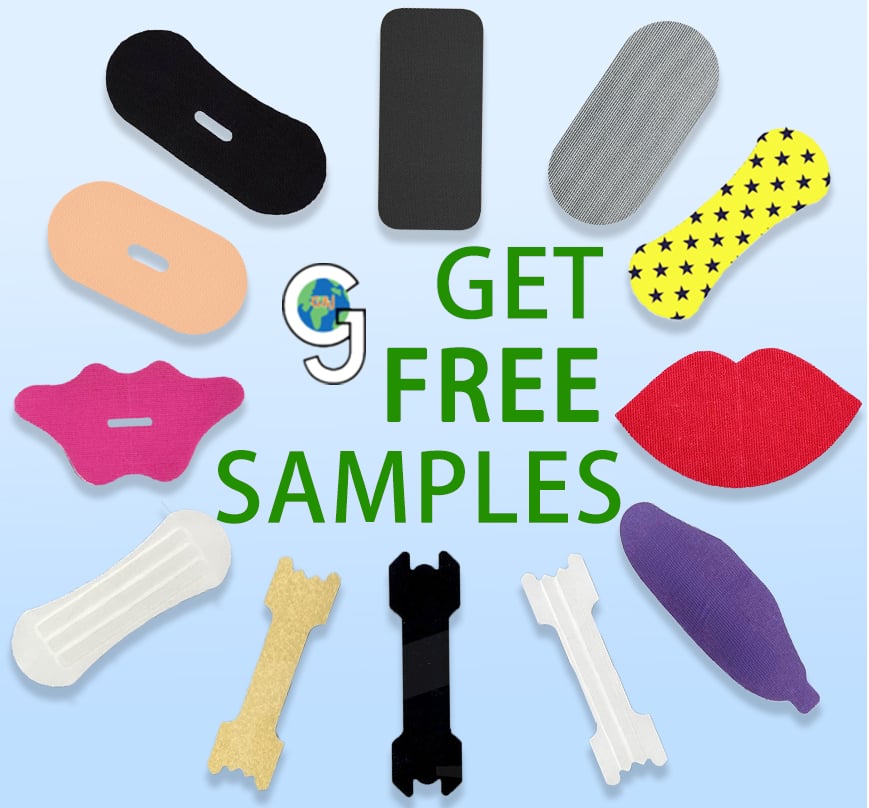
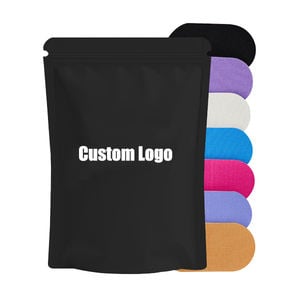
Market research indicates growing consumer interest in personalized sleep solutions that accommodate individual preferences and anatomical variations. This trend has led to increased availability of mouth tape products in different sizes, shapes, and adhesive strengths to meet diverse user needs. Some manufacturers offer customizable options that allow users to select specific features based on their skin sensitivity, typical sleep positions, and aesthetic preferences.
The emphasis on natural and organic materials reflects broader consumer preferences for products that minimize exposure to synthetic chemicals and artificial substances. This market demand has driven innovation in bio-based adhesives and sustainable packaging options for mouth tape products. Environmental consciousness among consumers continues to influence product development priorities, encouraging manufacturers to develop solutions that are both effective for snoring management and aligned with sustainability values.
Clinical Evidence and Research Developments
Scientific Studies on Nasal Breathing and Sleep Quality
Clinical research examining the relationship between breathing patterns and sleep quality provides scientific support for the use of mouth tape in snoring management. Studies have documented measurable improvements in sleep efficiency and reductions in snoring episodes when participants transitioned from mouth breathing to nasal breathing during sleep. These research findings contribute to growing recognition of mouth tape as a evidence-based intervention for certain types of sleep-disordered breathing.
Polysomnographic studies have revealed that nasal breathing during sleep is associated with more stable sleep stages and reduced arousals compared to mouth breathing patterns. The physiological measurements obtained through sleep laboratory studies demonstrate that maintaining nasal breathing can lead to improved oxygenation and more restorative sleep cycles. This scientific evidence supports the theoretical basis for using mouth tape to encourage beneficial breathing patterns during rest periods.
Long-term Safety and Efficacy Research
Ongoing research efforts focus on evaluating the long-term safety and efficacy of mouth tape usage in diverse populations. Longitudinal studies track users over extended periods to assess sustained benefits and identify any potential adverse effects associated with regular use. These comprehensive research programs examine various outcome measures including sleep quality scores, partner satisfaction ratings, and objective measures of breathing efficiency.
Comparative effectiveness research investigates how mouth tape performs relative to other snoring management approaches, helping healthcare professionals and consumers make informed decisions about treatment options. These studies consider factors such as user compliance, cost-effectiveness, and quality of life improvements to provide comprehensive evaluations of mouth tape as a therapeutic intervention. The accumulating research evidence continues to inform best practices and usage guidelines for optimal results.
Professional Healthcare Integration
Healthcare Provider Recommendations
Healthcare professionals increasingly recognize mouth tape as a valuable tool in comprehensive sleep disorder management programs. Sleep medicine specialists often recommend mouth tape as a first-line intervention for patients with mild to moderate snoring who demonstrate good nasal breathing capacity during waking hours. The non-invasive nature of mouth tape makes it an attractive option for patients who prefer to avoid more complex medical interventions or mechanical devices.
Integration of mouth tape recommendations into clinical practice requires healthcare providers to assess individual patient suitability and provide appropriate guidance on proper usage techniques. Medical professionals evaluate factors such as nasal breathing capacity, presence of sleep-disordered breathing, and patient preferences when determining whether mouth tape represents an appropriate intervention. This personalized approach ensures that patients receive recommendations tailored to their specific circumstances and health status.
Patient Education and Support
Effective implementation of mouth tape in clinical settings requires comprehensive patient education that covers proper application techniques, safety considerations, and realistic expectations for results. Healthcare providers play a crucial role in helping patients understand how mouth tape fits into broader sleep wellness strategies and when to seek additional interventions if initial approaches prove insufficient. This educational support enhances patient compliance and optimizes therapeutic outcomes.
Follow-up care and monitoring enable healthcare providers to assess patient response to mouth tape usage and make appropriate adjustments to treatment recommendations. Regular check-ins allow for evaluation of effectiveness, identification of any adverse effects, and refinement of usage patterns based on individual patient experience. This ongoing support helps ensure that patients achieve optimal benefits from mouth tape while maintaining safety and comfort throughout their usage period.
FAQ
How does mouth tape help reduce snoring
Mouth tape helps reduce snoring by encouraging nasal breathing during sleep, which maintains proper tongue and jaw positioning and reduces airway obstruction. When the mouth remains closed, the soft tissues in the throat are less likely to vibrate and create the characteristic sounds of snoring. The gentle pressure from mouth tape promotes natural breathing patterns that can significantly decrease snoring episodes and improve sleep quality for both the user and their sleep partner.
Is mouth tape safe for nightly use
Mouth tape is generally safe for nightly use when applied correctly and used by individuals without nasal breathing restrictions. High-quality products utilize hypoallergenic materials designed for extended skin contact, minimizing the risk of irritation or adverse reactions. However, people with nasal congestion, allergies, or respiratory conditions should consult healthcare professionals before using mouth tape regularly. Users should always ensure they can quickly remove the tape if needed during the night.
What materials are used in quality mouth tape products
Quality mouth tape products utilize medical-grade, hypoallergenic materials designed for safe skin contact during extended periods. These typically include breathable substrates with specialized adhesives that provide secure but gentle attachment to facial skin. Many products incorporate moisture-resistant properties and skin-compatible formulations that minimize the risk of allergic reactions while maintaining effectiveness throughout the night. The materials are carefully selected to balance adhesion strength with user comfort and easy removal.
How long does it take to see results from using mouth tape
Many users notice improvements in sleep quality and reduced snoring within the first few nights of consistent mouth tape use, though individual results may vary based on factors such as the underlying cause of snoring and overall sleep habits. Some people experience immediate benefits, while others may require several weeks of regular use to adapt to nasal breathing patterns and achieve optimal results. Combining mouth tape with other sleep wellness practices often enhances effectiveness and accelerates the timeline for noticeable improvements in sleep quality.
One-Stop Custom Tape & Patch Supplier, Fully Certified & Safety Guaranteed
Name: Vicky Zhou
Call/Text: +86 198 0595 7675
Email: [email protected]
Website:https://www.hlktape.com
YouTube:https://www.youtube.com/@HLKTape