
 EN
EN


Multi-Layer NasalStrip Design for Structural Support
The evolution of nasal breathing aids has reached new heights with innovative multi-layer nasal strips that provide enhanced structural support for improved respiratory function. These advanced breathing solutions incorporate sophisticated engineering principles to deliver superior adhesion, comfort, and therapeutic benefits compared to traditional single-layer alternatives. Modern multi-layer nasal strips represent a significant advancement in non-invasive sleep therapy and athletic performance enhancement, offering users a more effective approach to managing nasal congestion and optimizing airflow.
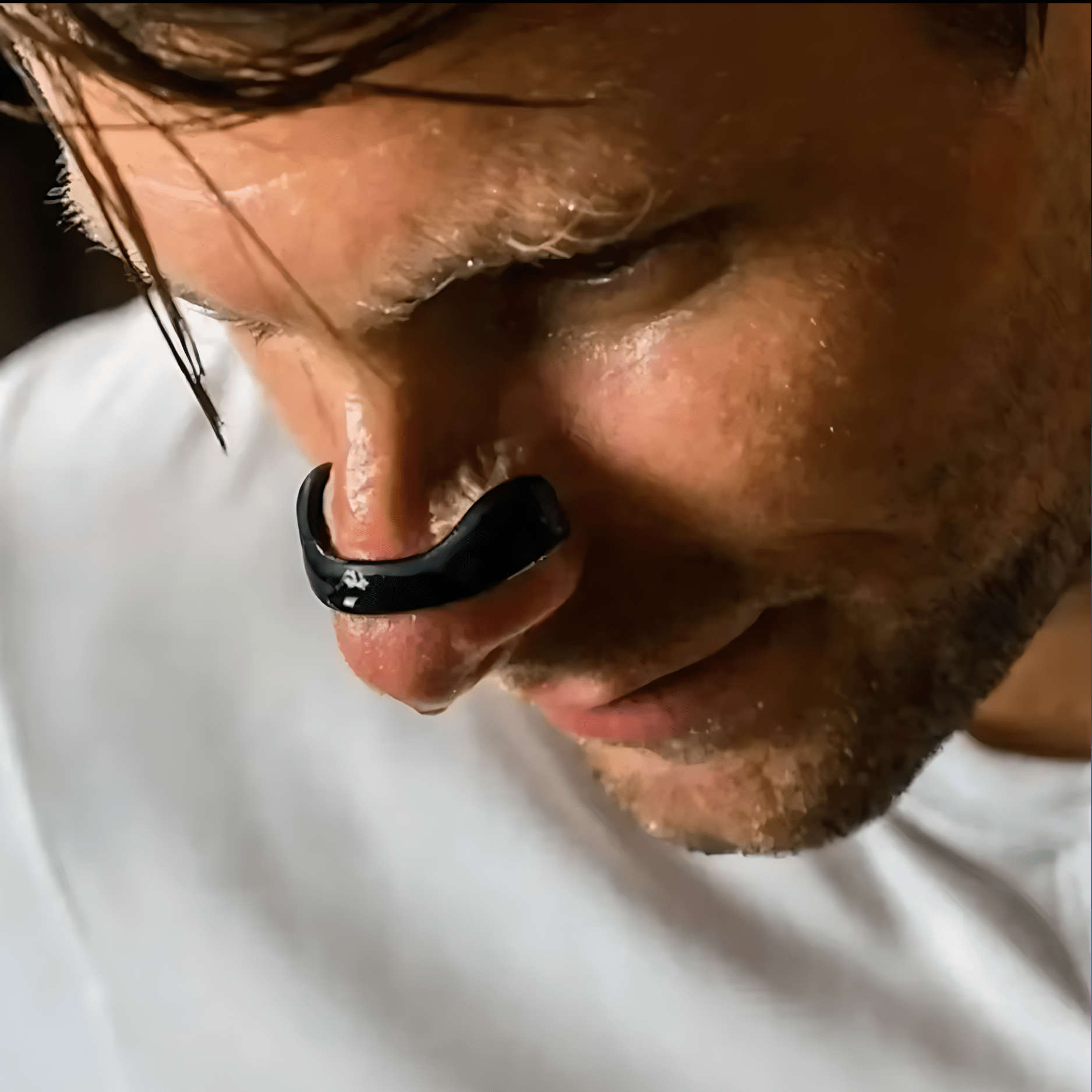
The biomechanical design of multi-layer nasal strips leverages multiple material layers working in synergy to create optimal nasal dilation. Each layer serves a specific function, from the skin-contact adhesive base to the structural support framework that maintains consistent tension across the nasal bridge. This sophisticated construction methodology ensures that multi-layer nasal strips maintain their effectiveness throughout extended wear periods while minimizing skin irritation and maximizing user comfort.
Advanced Engineering Principles in Multi-Layer Construction
Material Science and Layer Functionality
The foundation of effective multi-layer nasal strips lies in the careful selection and integration of specialized materials that work together to create superior performance characteristics. The bottom adhesive layer utilizes medical-grade hypoallergenic materials that provide secure attachment without causing skin sensitivity or leaving residue upon removal. This base layer incorporates breathable properties that allow natural skin transpiration while maintaining consistent adhesion even during physical activity or sleep movement.
The intermediate structural layer represents the core innovation in multi-layer nasal strips, featuring flexible yet supportive materials that distribute tension evenly across the nasal bridge. This layer typically incorporates spring-steel elements or advanced polymer composites that maintain their shape memory properties, ensuring consistent lifting force throughout the wear period. The engineering specifications of this layer are critical to achieving optimal nasal dilation without creating excessive pressure points that could cause discomfort.
The top protective layer of multi-layer nasal strips serves multiple functions including moisture resistance, durability enhancement, and aesthetic appeal. This outer layer often features specialized coatings that repel perspiration and environmental moisture, making these strips particularly effective for athletic applications or humid sleeping environments. The integration of these multiple layers creates a synergistic effect that significantly outperforms single-layer alternatives.
Structural Mechanics and Performance Optimization
The biomechanical effectiveness of multi-layer nasal strips depends on precise engineering calculations that account for nasal anatomy variations and the physics of tissue manipulation. The structural design must generate sufficient lifting force to open nasal passages without creating excessive tension that could cause discomfort or skin damage. Advanced multi-layer nasal strips incorporate variable tension zones that adapt to individual nasal bridge contours, providing personalized fit and performance.
Manufacturing precision plays a crucial role in the performance consistency of multi-layer nasal strips. Each layer must be precisely aligned and bonded to ensure uniform force distribution and prevent delamination during use. Quality control processes include stress testing under various environmental conditions to verify that the multi-layer construction maintains its integrity throughout the intended wear period.
The aerodynamic benefits of properly engineered multi-layer nasal strips extend beyond simple nasal dilation. These devices can reduce nasal resistance by up to forty percent, significantly improving oxygen intake efficiency and reducing the work of breathing. This improvement is particularly valuable for athletes seeking performance enhancement or individuals managing sleep-disordered breathing conditions.
Clinical Applications and Therapeutic Benefits
Sleep Quality Enhancement and Snoring Reduction
Multi-layer nasal strips have demonstrated significant efficacy in addressing sleep-related breathing disorders, particularly in reducing snoring intensity and frequency. The enhanced structural support provided by the multi-layer design creates more consistent nasal opening throughout the sleep cycle, reducing the likelihood of nasal collapse that contributes to snoring and sleep disruption. Clinical studies have shown that users of advanced multi-layer nasal strips experience improved sleep quality scores and reduced partner sleep disturbance.
The physiological benefits of improved nasal breathing during sleep extend beyond snoring reduction. Enhanced nasal airflow promotes better oxygen saturation, reduces mouth breathing, and helps maintain optimal humidity levels in the respiratory tract. Multi-layer nasal strips support these benefits through their superior ability to maintain consistent nasal dilation throughout various sleep positions and breathing patterns.
Long-term use of multi-layer nasal strips for sleep enhancement has shown positive outcomes in sleep architecture studies. Users report reduced sleep latency, fewer nighttime awakenings, and improved morning alertness. The comfort and reliability of multi-layer construction make these devices suitable for nightly use without causing skin irritation or adaptation issues that can occur with other breathing aids.
Athletic Performance and Exercise Applications
Athletic applications represent a rapidly growing market for multi-layer nasal strips, as athletes and fitness enthusiasts recognize the performance benefits of optimized nasal breathing. During exercise, the enhanced airflow provided by multi-layer nasal strips can improve oxygen delivery efficiency and reduce the perception of breathing effort. This physiological advantage translates to improved endurance capacity and delayed fatigue onset during prolonged physical activity.
The durability characteristics of multi-layer nasal strips make them particularly suitable for high-intensity athletic activities where perspiration and movement could compromise single-layer alternatives. The advanced adhesive systems and moisture-resistant properties ensure that the strips maintain their position and effectiveness throughout demanding training sessions or competitive events. Professional athletes have reported measurable improvements in respiratory efficiency when using properly engineered multi-layer nasal strips.
Recovery applications of multi-layer nasal strips extend the benefits beyond active exercise periods. Post-workout nasal breathing optimization can enhance recovery processes by improving oxygen delivery to fatigued muscles and supporting the removal of metabolic waste products. The comfort profile of multi-layer construction makes extended wear feasible for recovery applications.
Manufacturing Excellence and Quality Assurance
Production Technology and Process Control
The manufacturing of high-quality multi-layer nasal strips requires sophisticated production equipment and stringent quality control protocols. Advanced lamination techniques ensure precise layer alignment and bonding strength while maintaining the flexibility characteristics essential for comfortable wear. Temperature and pressure control during the manufacturing process are critical factors that determine the final performance characteristics of multi-layer nasal strips.
Quality assurance testing for multi-layer nasal strips encompasses multiple performance parameters including adhesive strength, structural integrity, skin compatibility, and long-term stability. Accelerated aging tests simulate extended storage conditions to verify that the multi-layer construction maintains its properties throughout the product shelf life. Biocompatibility testing ensures that all materials used in multi-layer nasal strips meet medical device safety standards.
Continuous improvement processes in multi-layer nasal strips manufacturing incorporate user feedback and clinical research findings to refine design parameters and material specifications. This iterative approach has led to significant advances in comfort, effectiveness, and reliability over successive product generations. Manufacturing facilities typically maintain clean room environments and follow pharmaceutical-grade quality standards to ensure consistent product quality.
Innovation Trends and Future Development
Research and development in multi-layer nasal strips continues to explore new materials and construction techniques that could further enhance performance and user experience. Emerging technologies include smart materials that respond to body temperature or moisture levels, providing adaptive performance characteristics. These innovations could lead to multi-layer nasal strips that automatically adjust their support characteristics based on individual physiological responses.
Sustainability considerations are increasingly influencing the development of multi-layer nasal strips, with manufacturers exploring biodegradable materials and recyclable packaging options. Environmental responsibility in medical device manufacturing has become a significant factor in product development decisions, driving innovation toward more sustainable multi-layer nasal strips solutions.
Integration with digital health monitoring systems represents another frontier in multi-layer nasal strips development. Future products may incorporate sensors that provide feedback on breathing patterns, sleep quality, or athletic performance metrics. These connected multi-layer nasal strips could provide valuable data for healthcare providers and users seeking to optimize their respiratory health management strategies.
User Selection and Application Guidelines
Proper Sizing and Fit Considerations
Selecting the appropriate size and configuration of multi-layer nasal strips is essential for achieving optimal performance and comfort. Nasal bridge anatomy varies significantly among individuals, requiring careful consideration of strip width, length, and tension characteristics. Most manufacturers of multi-layer nasal strips provide detailed sizing guides that account for these anatomical variations and help users select the most suitable product configuration.
Application technique significantly influences the effectiveness of multi-layer nasal strips. Proper skin preparation, including cleaning and drying the nasal bridge area, ensures optimal adhesive performance and reduces the risk of premature strip failure. The positioning of multi-layer nasal strips should align with the natural nasal bridge contours while avoiding placement too high or low on the nose, which can reduce effectiveness or cause discomfort.
Individual tolerance and adaptation periods may vary when beginning use of multi-layer nasal strips. New users should start with shorter wear periods to assess skin sensitivity and comfort levels before progressing to full-night or extended athletic use. The superior comfort profile of multi-layer construction typically results in shorter adaptation periods compared to single-layer alternatives.
Maintenance and Storage Recommendations
While multi-layer nasal strips are designed for single-use applications, proper storage of unused strips is important for maintaining their effectiveness and shelf life. Storage in cool, dry conditions away from direct sunlight helps preserve the adhesive properties and structural integrity of multi-layer nasal strips. Packaging should remain sealed until use to prevent contamination or moisture exposure that could compromise performance.
Removal techniques for multi-layer nasal strips should prioritize skin health and comfort. Gentle removal using warm water or specialized removal solutions can minimize skin irritation and reduce the risk of adhesive residue. The advanced adhesive systems used in multi-layer nasal strips are typically formulated for clean removal, but individual skin sensitivity may require additional care during the removal process.
Tracking usage patterns and effectiveness can help users optimize their experience with multi-layer nasal strips. Maintaining records of sleep quality, athletic performance, or symptom relief can provide valuable insights for healthcare providers and help guide product selection decisions. Many users find that consistent use of properly selected multi-layer nasal strips provides cumulative benefits that increase over time.
FAQ
How do multi-layer nasal strips differ from traditional single-layer versions
Multi-layer nasal strips incorporate multiple specialized material layers that work together to provide superior structural support, adhesion, and comfort compared to single-layer alternatives. The multi-layer construction allows for optimized performance characteristics including better force distribution, enhanced durability, and improved moisture resistance. Each layer serves a specific function, creating synergistic effects that significantly outperform traditional single-layer designs in both effectiveness and user comfort.
Can multi-layer nasal strips be used safely every night for sleep improvement
Multi-layer nasal strips are designed for safe nightly use when properly applied and removed according to manufacturer instructions. The advanced materials and construction methods used in multi-layer designs minimize skin irritation risks while providing consistent performance throughout extended wear periods. However, users with sensitive skin or underlying medical conditions should consult healthcare providers before beginning regular use, and any signs of skin irritation should prompt temporary discontinuation.
What makes multi-layer nasal strips effective for athletic performance enhancement
The enhanced structural support and moisture-resistant properties of multi-layer nasal strips make them particularly effective for athletic applications. These devices can improve nasal airflow by up to forty percent, leading to better oxygen delivery efficiency and reduced breathing effort during exercise. The superior adhesion and durability characteristics ensure that multi-layer nasal strips maintain their position and effectiveness even during high-intensity activities involving significant perspiration and movement.
How should users determine the correct size of multi-layer nasal strips for their needs
Proper sizing of multi-layer nasal strips depends on individual nasal bridge dimensions and personal comfort preferences. Most manufacturers provide detailed sizing guides that include measurements and fit recommendations based on nasal width and bridge height. Users should measure their nasal bridge width and consult manufacturer sizing charts, starting with the recommended size and adjusting as needed based on comfort and effectiveness during initial trial periods.
One-Stop Custom Tape & Patch Supplier, Fully Certified & Safety Guaranteed
Name: Vicky Zhou
Call/Text: +86 198 0595 7675
Email: [email protected]
Website:https://www.hlktape.com
YouTube:https://www.youtube.com/@HLKTape