
 EN
EN


NasalStrip Materials Explained: Non-Woven, PE, and Satin
Understanding the composition of nasal strip materials is crucial for manufacturers, healthcare professionals, and consumers seeking effective breathing solutions. The choice of materials directly impacts the performance, comfort, and durability of these adhesive devices designed to improve airflow through nasal passages. Modern nasal strips incorporate various material technologies, with non-woven fabrics, polyethylene (PE), and satin being the most prevalent options in today's market.
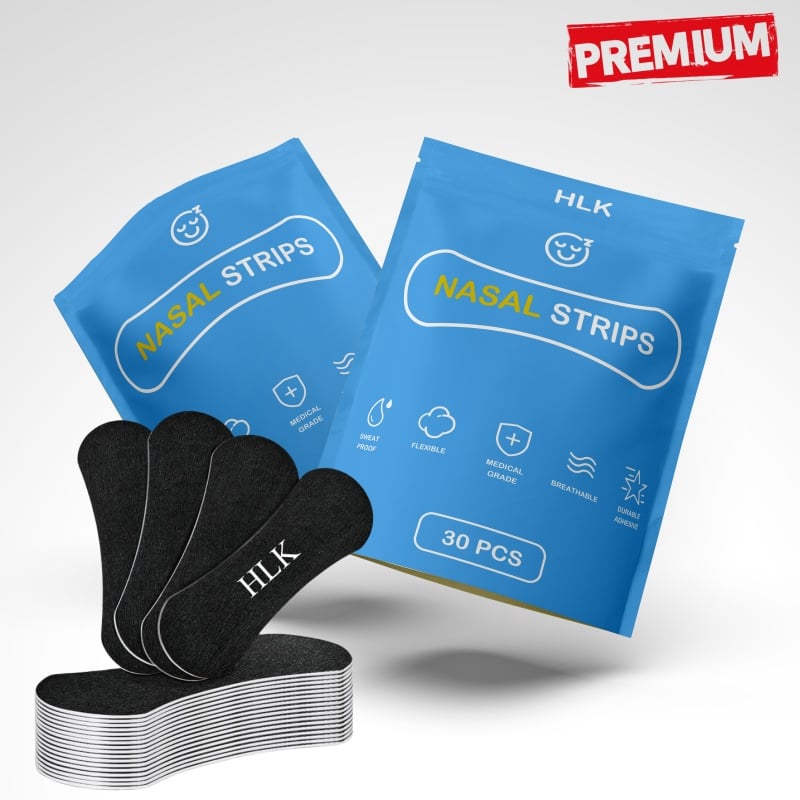
Each material category offers distinct advantages and limitations that affect the overall user experience. Non-woven materials provide excellent breathability and conformability, while PE components offer superior moisture resistance and structural integrity. Satin materials contribute to enhanced comfort and aesthetic appeal, making them particularly suitable for consumer-facing applications where visual presentation matters.
The engineering behind nasal strip materials involves careful consideration of adhesive properties, skin compatibility, and mechanical performance. Manufacturers must balance these factors to create products that deliver consistent results across diverse environmental conditions and user demographics. This comprehensive analysis explores the technical specifications and practical applications of each material type.
Non-Woven Material Properties in Nasal Strips
Fiber Construction and Breathability
Non-woven nasal strip materials consist of synthetic or natural fibers bonded through chemical, mechanical, or thermal processes rather than traditional weaving methods. This construction method creates a porous structure that allows air circulation while maintaining structural integrity. The fiber orientation in non-woven materials can be random or controlled, depending on the manufacturing process and desired performance characteristics.
The breathability of non-woven nasal strip materials depends on factors such as fiber density, pore size distribution, and material thickness. Optimal breathability ensures that moisture vapor can escape from the skin surface, reducing the risk of irritation and improving long-term wearability. This property is particularly important for users who require extended wear periods or those with sensitive skin conditions.
Manufacturing processes like spunbond, meltblown, and needle-punch techniques produce non-woven materials with varying characteristics. Spunbond non-wovens offer excellent strength and uniformity, while meltblown materials provide superior filtration properties. The choice of production method significantly influences the final performance of nasal strip materials in real-world applications.
Adhesive Compatibility and Skin Contact
Non-woven substrates in nasal strips must demonstrate excellent compatibility with medical-grade adhesives while maintaining skin-friendly properties. The surface texture and porosity of non-woven materials affect adhesive penetration and bonding strength. Proper adhesive distribution ensures consistent adherence without creating pressure points that could cause discomfort or skin damage.
The hypoallergenic nature of high-quality non-woven nasal strip materials makes them suitable for users with allergies or sensitive skin. These materials undergo rigorous testing to ensure they meet biocompatibility standards and do not contain harmful substances that could trigger adverse reactions. Skin irritation testing and cytotoxicity evaluations are standard procedures in the development of non-woven nasal strip materials.
Moisture management capabilities of non-woven materials help maintain optimal conditions at the skin interface. The ability to wick moisture away from the contact surface prevents adhesive failure and reduces bacterial growth that could lead to skin complications. This characteristic is essential for maintaining hygiene during extended wear periods.
Polyethylene Components in Nasal Strip Construction
Structural Support and Flexibility
Polyethylene (PE) elements in nasal strip materials provide the mechanical framework necessary for effective nasal dilation. These components are typically integrated as thin strips or reinforcement elements that create the spring-like action required to lift nasal tissues. The molecular structure of PE allows for repeated flexing without permanent deformation, ensuring consistent performance throughout the product's intended use period.
The flexibility characteristics of PE components must be carefully calibrated to match the anatomical requirements of nasal application. Too rigid, and the material may cause discomfort or fail to conform to facial contours. Too flexible, and the device may not provide sufficient lifting force to improve airflow. Advanced PE formulations incorporate plasticizers and additives to achieve optimal flexibility profiles for nasal strip materials.
Temperature stability of PE components ensures consistent performance across various environmental conditions. The material maintains its mechanical properties within the typical range of human body temperature and ambient conditions encountered during normal use. This stability is crucial for maintaining predictable performance regardless of seasonal temperature variations or indoor climate conditions.
Chemical Resistance and Durability
Polyethylene's inherent chemical resistance makes it an ideal choice for nasal strip materials that may encounter various substances during use. The material remains stable when exposed to common skincare products, cosmetics, and environmental pollutants that users might encounter. This resistance prevents degradation that could compromise the structural integrity or safety of the nasal strip.
The durability of PE components extends the functional lifespan of nasal strips, ensuring they maintain their effectiveness throughout the intended wear period. Resistance to stress cracking and fatigue failure allows the material to withstand repeated flexing and stretching without losing its supportive properties. This durability is particularly important for overnight applications where the material must maintain performance for extended periods.
UV stability of PE materials protects against degradation from light exposure during storage and use. While nasal strips are primarily used indoors, protection against UV damage ensures product integrity during transportation, retail display, and storage in various lighting conditions. Stabilizer additives in PE formulations provide long-term protection against photodegradation.
Satin Material Applications and Benefits
Comfort and Aesthetic Considerations
Satin components in nasal strip materials contribute significantly to user comfort through their smooth surface texture and luxurious feel. The characteristic sheen and softness of satin create a premium user experience that can improve compliance and satisfaction. This is particularly important in consumer markets where product aesthetics influence purchasing decisions and long-term usage patterns.
The weave structure of satin materials provides unique tactile properties that reduce friction against skin surfaces. This characteristic minimizes irritation during application and removal, making satin-enhanced nasal strip materials suitable for users with particularly sensitive skin. The smooth surface also facilitates easier positioning and adjustment during initial application.
Color retention and visual appeal of satin nasal strip materials allow for attractive packaging and product presentation. The material's ability to maintain vibrant colors and lustrous appearance throughout the manufacturing and distribution process enhances brand recognition and consumer appeal. This aesthetic quality is increasingly important in competitive retail environments.
Performance Integration with Other Materials
Satin layers in nasal strip materials can be effectively combined with non-woven and PE components to create hybrid constructions that optimize multiple performance characteristics. The integration process requires careful consideration of lamination techniques and adhesive systems to ensure proper bonding between dissimilar materials. Advanced manufacturing methods enable seamless combination of satin with functional substrate materials.
The dimensional stability of satin materials under various stress conditions ensures that nasal strips maintain their intended shape and performance characteristics. Proper selection of satin weave patterns and fiber compositions contributes to overall product reliability. The material's ability to resist stretching and distortion under normal use conditions is essential for maintaining effective nasal dilation.
Moisture management properties of satin materials complement those of non-woven substrates, creating a balanced system that promotes skin health while maintaining adhesive performance. The combination of materials allows for optimized moisture transport that prevents excessive accumulation at the skin interface while preserving the structural integrity of the nasal strip.
Material Selection Criteria and Testing Standards
Biocompatibility Requirements
All nasal strip materials must meet stringent biocompatibility standards established by international regulatory bodies. These requirements ensure that materials in direct contact with human skin do not cause adverse reactions or pose health risks. Testing protocols include cytotoxicity assessments, sensitization studies, and irritation evaluations conducted under controlled laboratory conditions.
ISO 10993 series standards provide the framework for biological evaluation of nasal strip materials. These comprehensive testing requirements cover various aspects of biocompatibility, including acute toxicity, chronic exposure effects, and potential for allergic reactions. Compliance with these standards is mandatory for commercial distribution in most global markets.
Material purity and contaminant control are critical factors in ensuring biocompatibility of nasal strip materials. Manufacturing processes must incorporate quality control measures that prevent contamination from heavy metals, volatile organic compounds, and other potentially harmful substances. Regular testing and documentation of material purity levels are essential components of quality assurance programs.
Performance Validation Methods
Standardized testing procedures for nasal strip materials evaluate mechanical properties, adhesive performance, and durability characteristics. These tests simulate real-world usage conditions and provide quantitative data for material selection and quality control purposes. Tensile strength, elongation, and tear resistance measurements are fundamental parameters in material evaluation.
Adhesive performance testing encompasses peel strength measurements, tack evaluations, and aging studies that assess long-term bonding reliability. These tests help predict how nasal strip materials will perform under various environmental conditions and usage patterns. Accelerated aging protocols provide data on expected product lifespan and storage stability.
Environmental testing of nasal strip materials includes temperature cycling, humidity exposure, and chemical resistance evaluations. These tests ensure that materials maintain their performance characteristics across the full range of conditions they may encounter during manufacturing, distribution, and use. Results from environmental testing inform packaging requirements and storage recommendations.
Manufacturing Considerations for Nasal Strip Materials
Production Process Optimization
The manufacturing of high-quality nasal strip materials requires precise control of processing parameters to achieve consistent product characteristics. Temperature, pressure, and timing variables must be carefully managed throughout production to ensure optimal material properties. Advanced process control systems monitor these parameters in real-time and make automatic adjustments to maintain quality standards.
Die-cutting and converting operations for nasal strip materials demand specialized equipment capable of handling multiple material layers with varying properties. Precision cutting tools and alignment systems ensure accurate dimensions and clean edges that contribute to product performance and aesthetic appeal. Waste minimization strategies in the converting process improve cost efficiency while maintaining quality standards.
Quality control checkpoints throughout the manufacturing process verify that nasal strip materials meet specifications for thickness, adhesive coverage, and dimensional accuracy. Statistical process control methods help identify trends and potential issues before they affect product quality. Comprehensive documentation of manufacturing parameters enables traceability and facilitates continuous improvement initiatives.
Supply Chain and Raw Material Management
Reliable sourcing of high-quality raw materials is essential for consistent production of nasal strip materials. Supplier qualification processes evaluate potential vendors based on quality systems, technical capabilities, and delivery performance. Long-term partnerships with qualified suppliers help ensure stable material supply and enable collaborative development of improved material formulations.
Inventory management strategies for nasal strip materials must account for material shelf life, storage requirements, and demand fluctuations. Proper storage conditions preserve material properties and prevent degradation that could affect product performance. First-in-first-out inventory rotation ensures that materials are used within their specified shelf life periods.
Cost optimization in nasal strip materials sourcing involves balancing quality requirements with economic considerations. Value engineering approaches identify opportunities to reduce material costs without compromising performance or safety. Strategic sourcing initiatives may include supplier consolidation, volume negotiations, and long-term contracting arrangements.
Future Developments in Nasal Strip Materials
Advanced Material Technologies
Research and development efforts in nasal strip materials focus on incorporating smart material technologies that can respond to environmental conditions or user needs. Shape memory polymers and other advanced materials offer potential for creating nasal strips that automatically adjust their properties based on temperature, humidity, or other stimuli. These innovations could significantly enhance user comfort and effectiveness.
Nanotechnology applications in nasal strip materials include the development of nanofiber substrates with enhanced breathability and antimicrobial properties. These advanced materials offer improved performance characteristics while maintaining the biocompatibility and comfort requirements of traditional materials. Nanostructured surfaces can also provide enhanced adhesive bonding and controlled release capabilities.
Biodegradable and sustainable nasal strip materials are gaining attention as environmental concerns drive demand for eco-friendly products. Research into bio-based polymers and natural fiber composites aims to develop materials that offer comparable performance to conventional options while reducing environmental impact. These developments align with growing consumer preference for sustainable products.
Customization and Personalization
Advances in manufacturing technology are enabling greater customization of nasal strip materials to meet individual user requirements. Digital printing and variable data processing capabilities allow for personalized sizing, material combinations, and aesthetic features. This trend toward customization reflects broader market demands for personalized healthcare solutions.
Adaptive nasal strip materials that can modify their properties based on user feedback or physiological measurements represent an emerging frontier in product development. Integration of sensors and responsive materials could create nasal strips that automatically adjust their lifting force or adhesive strength based on real-time conditions. Such innovations would represent a significant advancement in personalized breathing assistance technology.
Mass customization approaches for nasal strip materials leverage advanced manufacturing techniques to produce personalized products at scale. These methods combine the efficiency of mass production with the benefits of customization, enabling cost-effective delivery of tailored solutions to individual users. Digital manufacturing technologies facilitate rapid prototyping and small-batch production of customized nasal strip materials.
FAQ
What are the key differences between non-woven and satin nasal strip materials
Non-woven nasal strip materials offer superior breathability and moisture management due to their porous fiber structure, while satin materials provide enhanced comfort and aesthetic appeal through their smooth surface texture. Non-woven materials excel in skin compatibility and hypoallergenic properties, whereas satin materials contribute to premium user experience and visual presentation. The choice between these materials often depends on the specific application requirements and target market preferences.
How does polyethylene contribute to nasal strip performance
Polyethylene components provide the essential structural support and spring-like action necessary for effective nasal dilation. The material's flexibility and durability characteristics ensure consistent lifting force throughout the wear period while maintaining comfort. PE elements also offer excellent chemical resistance and temperature stability, contributing to reliable performance across various environmental conditions and extended use periods.
What testing standards apply to nasal strip materials
Nasal strip materials must comply with ISO 10993 biocompatibility standards, which include cytotoxicity testing, skin sensitization evaluations, and irritation assessments. Additional testing requirements cover mechanical properties such as tensile strength and tear resistance, as well as adhesive performance parameters including peel strength and tack measurements. Environmental testing protocols evaluate material stability under various temperature and humidity conditions.
How do manufacturers ensure consistent quality in nasal strip materials
Quality assurance in nasal strip materials manufacturing involves comprehensive process control systems that monitor critical parameters such as temperature, pressure, and material thickness. Statistical process control methods help identify trends and potential issues before they affect product quality. Regular testing of raw materials and finished products ensures compliance with specifications, while supplier qualification programs maintain consistent material supply quality.
One-Stop Custom Tape & Patch Supplier, Fully Certified & Safety Guaranteed
Name: Vicky Zhou
Call/Text: +86 198 0595 7675
Email: [email protected]
Website:https://www.hlktape.com
YouTube:https://www.youtube.com/@HLKTape