
 EN
EN


Precision Skincare Trends Using Face Tape
The beauty industry has witnessed a revolutionary transformation with the emergence of innovative skincare solutions, particularly in the realm of non-invasive facial enhancement techniques. Face tape has become a groundbreaking tool that offers immediate results without the need for surgical procedures or expensive treatments. This precision skincare approach has gained tremendous popularity among professionals and individuals seeking effective anti-aging solutions that deliver visible improvements in facial contour and skin appearance.
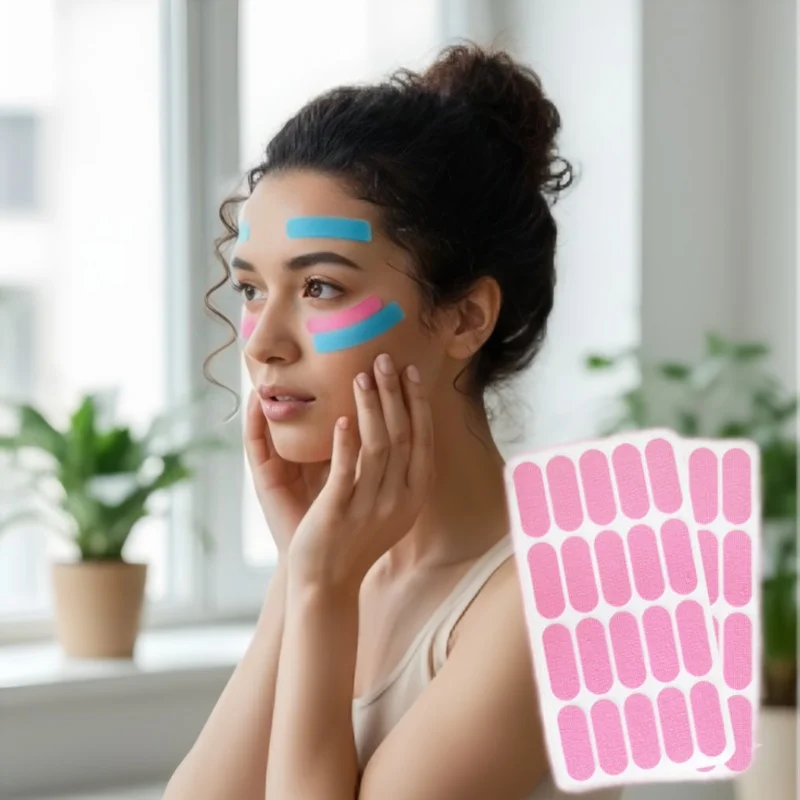
Modern face tape technology represents a convergence of medical-grade materials and aesthetic innovation, providing users with a non-permanent solution for addressing various facial concerns. The precision application of these specialized tapes allows for targeted lifting and smoothing effects that can enhance natural facial features while maintaining a completely natural appearance. This advancement has positioned face tape as an essential component of contemporary skincare routines.
Understanding Face Tape Technology and Materials
Advanced Material Composition
The foundation of effective face tape lies in its sophisticated material engineering, which combines medical-grade adhesives with breathable substrates designed for optimal skin compatibility. These materials undergo rigorous testing to ensure they provide strong adhesion while remaining gentle on sensitive facial skin. The development of hypoallergenic formulations has made face tape accessible to individuals with various skin types and sensitivities.
Modern face tape utilizes advanced polymer technologies that create a flexible yet supportive structure capable of maintaining its lifting properties throughout extended wear periods. The precision manufacturing process ensures consistent thickness and adhesive distribution, resulting in reliable performance across different environmental conditions. This technological advancement has significantly improved the user experience and effectiveness of face tape applications.
Skin-Safe Adhesive Systems
The adhesive systems used in premium face tape products incorporate medical-grade components that provide secure attachment without causing irritation or damage to delicate facial skin. These formulations are specifically engineered to balance strong holding power with gentle removal characteristics, minimizing the risk of skin trauma during application and removal processes.
Professional-grade face tape employs pressure-sensitive adhesives that respond to body temperature and natural skin moisture levels, creating an optimal bonding environment that enhances both comfort and effectiveness. The precision calibration of adhesive strength ensures that the tape maintains its position during facial movements while allowing for natural skin flexibility and breathing.
Application Techniques for Optimal Results
Preparation and Placement Strategies
Successful face tape application begins with thorough skin preparation, including cleansing and ensuring the treatment area is completely dry and free from oils or skincare residues. The precision placement of face tape requires understanding facial anatomy and identifying specific areas where lifting or smoothing effects will provide the most dramatic improvements. Professional application techniques focus on creating natural-looking results that enhance existing facial features rather than creating artificial appearances.
The strategic positioning of face tape involves careful consideration of natural skin tension patterns and facial muscle movement directions. Practitioners must understand how different placement angles and tape orientations can influence the final aesthetic outcome. This precision approach ensures that the face tape works harmoniously with natural facial dynamics to produce seamless and effective results.
Duration and Maintenance Guidelines
Optimal face tape performance depends on following specific duration guidelines that balance effectiveness with skin health considerations. Most professional applications recommend wear periods ranging from several hours to overnight use, depending on the specific product formulation and individual skin tolerance levels. Regular monitoring during initial applications helps establish personalized usage patterns that maximize benefits while maintaining skin integrity.
Proper maintenance of face tape applications includes gentle adjustment techniques that preserve adhesion while accommodating natural facial movements and expressions. Users must understand how environmental factors such as humidity, temperature, and physical activity can influence tape performance. This knowledge enables proactive maintenance strategies that extend wear time and improve overall satisfaction with face tape results.
Targeting Specific Facial Areas
Forehead and Brow Enhancement
Face tape applications targeting the forehead and brow areas focus on smoothing horizontal lines and creating subtle lifting effects that open the eye area and create a more youthful appearance. The precision placement techniques for these areas require understanding the complex muscle interactions that create expression lines and age-related changes. Professional application methods ensure that face tape provides natural-looking enhancement without restricting normal facial expressions.
The forehead region presents unique challenges for face tape application due to the high mobility of underlying muscles and the visibility of this facial area. Successful treatments require careful selection of tape width and adhesive strength to provide adequate support while maintaining comfort during various facial expressions. Advanced face tape formulations designed for forehead use incorporate flexibility features that accommodate natural skin movement patterns.
Jawline and Neck Contouring
Lower facial applications of face tape concentrate on defining jawline contours and addressing concerns related to skin laxity in the neck and jowl areas. These applications require specialized techniques that account for the unique skin characteristics and movement patterns of the lower face and neck region. Professional practitioners understand how to position face tape to create natural-looking definition while maintaining comfort during speaking, eating, and other daily activities.
The precision application of face tape for jawline enhancement involves creating subtle lifting vectors that work with natural facial anatomy to produce harmonious results. This approach ensures that the enhancement appears natural and proportionate to individual facial features. Advanced face tape products designed for lower facial use incorporate extended wear capabilities that maintain their effectiveness throughout various daily activities.
Professional vs Consumer Applications
Clinical and Spa Environments
Professional environments utilize face tape as part of comprehensive aesthetic treatment protocols that may include complementary therapies such as facial massage, skincare treatments, and other non-invasive enhancement techniques. Trained practitioners possess the expertise to assess individual facial characteristics and recommend optimal face tape application strategies that align with specific aesthetic goals and skin conditions.
Clinical applications of face tape often involve more sophisticated assessment procedures and customized treatment plans that consider factors such as skin elasticity, facial asymmetries, and individual healing characteristics. Professional-grade face tape products used in these environments typically offer enhanced performance characteristics and may include specialized formulations designed for extended wear or specific skin types.
At-Home Usage Considerations
Consumer applications of face tape require clear instructions and educational resources that enable safe and effective home use. The development of user-friendly face tape products has made professional-quality results accessible to individuals seeking convenient at-home enhancement options. These products typically include detailed application guides and safety information that help users achieve optimal results while avoiding common application errors.
Home use face tape applications benefit from simplified design features that reduce the complexity of proper placement while maintaining effectiveness. Consumer-focused products often incorporate visual guides, pre-cut shapes, and other user-friendly features that facilitate successful application without professional supervision. Education about proper removal techniques and skin care considerations remains essential for safe home use of face tape products.
Safety and Skin Health Considerations
Skin Compatibility and Testing
The safety profile of face tape depends heavily on proper skin compatibility assessment and adherence to recommended usage guidelines. Individual skin sensitivity varies significantly, making patch testing an essential step before full facial application. Professional-grade face tape products undergo extensive dermatological testing to ensure they meet safety standards for facial use, but individual reactions can still occur.
Comprehensive skin health evaluation includes assessment of existing skin conditions, medication use, and previous allergic reactions that might influence face tape compatibility. Users with sensitive skin, active dermatological conditions, or compromised skin barrier function may require specialized face tape formulations or modified application protocols to ensure safe use.
Removal Techniques and Aftercare
Proper removal of face tape requires gentle techniques that minimize skin trauma while ensuring complete adhesive residue elimination. Professional removal protocols emphasize slow, controlled removal processes that work with natural skin elasticity rather than against it. The use of appropriate removal aids, such as oil-based products or specialized removal solutions, can facilitate easier tape removal while protecting skin integrity.
Post-removal skin care focuses on restoring skin barrier function and addressing any temporary effects from face tape use. This typically involves gentle cleansing, moisturizing, and the application of soothing ingredients that help the skin recover from the adhesive exposure. Regular monitoring of skin condition during face tape use helps identify any adverse reactions early and allows for appropriate intervention.
Future Innovations and Trends
Smart Material Development
The future of face tape technology lies in the development of smart materials that can respond to environmental conditions and skin characteristics in real-time. Research into temperature-responsive adhesives and materials that can adjust their properties based on skin hydration levels represents the next generation of face tape innovation. These advances promise to deliver even more personalized and effective enhancement results.
Emerging technologies in face tape development include integration with skincare active ingredients that can be delivered through the tape material during wear. This dual-function approach combines the immediate mechanical benefits of face tape with long-term skin improvement through targeted ingredient delivery. Such innovations represent a significant evolution in non-invasive aesthetic enhancement technology.
Sustainability and Eco-Friendly Options
Environmental consciousness is driving development of sustainable face tape options that utilize biodegradable materials and eco-friendly manufacturing processes. These innovations address growing consumer demand for beauty products that align with environmental values while maintaining performance standards. Sustainable face tape development focuses on creating materials that break down safely after disposal without compromising effectiveness during use.
The integration of sustainable practices in face tape manufacturing includes consideration of packaging materials, production energy consumption, and end-of-life disposal options. Companies developing eco-friendly face tape alternatives are exploring plant-based adhesives and substrate materials that offer comparable performance to traditional synthetic options while reducing environmental impact.
FAQ
How long can face tape be worn safely
Face tape can typically be worn safely for 8-12 hours, with some professional-grade formulations designed for up to 24-hour wear. The duration depends on individual skin sensitivity, tape quality, and environmental factors. It's essential to start with shorter wear periods to assess skin tolerance and gradually increase duration as comfort allows. Always remove face tape if any irritation or discomfort occurs.
What skin types are suitable for face tape use
Face tape is generally suitable for most skin types, including normal, dry, and combination skin. However, individuals with very sensitive skin, active acne, eczema, or other inflammatory skin conditions should consult with a dermatologist before use. Those with extremely oily skin may experience reduced adhesion and should consider oil-control preparations before application. Mature skin often responds well to face tape applications when proper hydration is maintained.
Can face tape cause skin damage with regular use
When used properly with high-quality products, face tape should not cause skin damage with regular use. However, improper removal, using products with harsh adhesives, or wearing tape for excessive periods can potentially lead to skin irritation or damage. It's important to follow manufacturer guidelines, use gentle removal techniques, and allow skin rest periods between applications. Quality face tape products are specifically formulated to minimize skin trauma.
What results can be expected from face tape applications
Face tape provides immediate, temporary lifting and smoothing effects that can reduce the appearance of fine lines, enhance facial contours, and create a more youthful appearance. Results are visible during wear and typically last for the duration of application. While face tape doesn't provide permanent changes, regular use as part of a comprehensive skincare routine may contribute to improved skin appearance over time through gentle mechanical stimulation and protection from expression-related creasing.
One-Stop Custom Tape & Patch Supplier, Fully Certified & Safety Guaranteed
Name: Vicky Zhou
Call/Text: +86 198 0595 7675
Email: [email protected]
Website:https://www.hlktape.com
YouTube:https://www.youtube.com/@HLKTape