
 EN
EN


Raw Material Restrictions in Functional Mouth Tape
The growing popularity of mouth tape as a sleep optimization tool has brought increased scrutiny to the raw materials and manufacturing standards governing these intimate health products. As consumers become more health-conscious and regulatory bodies tighten oversight, understanding the complex landscape of raw material restrictions has become crucial for manufacturers, distributors, and informed users alike. The mouth tape industry faces unique challenges in balancing effectiveness with safety, requiring careful navigation of biocompatibility standards, adhesive formulations, and substrate materials that come into direct contact with sensitive facial skin and mucous membranes.
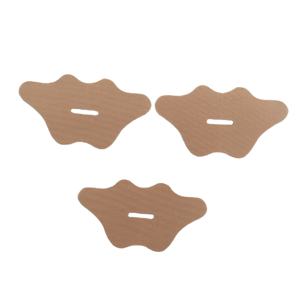
Regulatory Framework for Medical Adhesive Products
FDA Classifications and Compliance Standards
The United States Food and Drug Administration maintains strict oversight over products intended for medical or therapeutic use, including mouth tape designed to promote nasal breathing during sleep. These regulations categorize mouth tape products based on their intended use, risk level, and contact duration with human tissue. Class I medical devices, which include many mouth tape products, must comply with general controls including good manufacturing practices, proper labeling, and premarket notification requirements when applicable.
Manufacturers must demonstrate that their mouth tape formulations meet biocompatibility testing standards as outlined in ISO 10993 series documents. This comprehensive testing framework evaluates cytotoxicity, sensitization potential, and irritation responses to ensure that raw materials used in mouth tape construction do not pose unacceptable risks to users. The testing requirements become more stringent for products intended for extended contact periods, as overnight mouth tape applications typically involve six to eight hours of continuous skin contact.
International Harmonization and CE Marking
European market access requires adherence to Medical Device Regulation (MDR) 2017/745, which establishes comprehensive requirements for mouth tape products entering European Union markets. The CE marking process demands rigorous documentation of raw material sourcing, manufacturing processes, and clinical evaluation data. These regulations specifically address the use of certain chemicals and materials that may cause allergic reactions or long-term health concerns when used in products designed for facial application.
The global nature of mouth tape manufacturing means that companies must navigate multiple regulatory frameworks simultaneously. Raw material suppliers must provide detailed certificates of analysis, safety data sheets, and regulatory compliance documentation for each component used in mouth tape production. This documentation trail ensures traceability and enables manufacturers to quickly respond to any safety concerns or regulatory changes that may affect their products.
Restricted Adhesive Components and Formulations
Latex and Natural Rubber Restrictions
Natural rubber latex represents one of the most significant restricted materials in mouth tape manufacturing due to its well-documented potential for triggering severe allergic reactions. The prevalence of latex allergies in the general population, estimated at 1-6% depending on demographic factors, has led many manufacturers to completely eliminate latex-containing materials from their mouth tape formulations. This restriction extends beyond the primary adhesive layer to include any backing materials, release liners, or processing aids that might contain latex proteins.
Synthetic alternatives such as acrylic-based adhesives and silicone formulations have largely replaced latex in modern mouth tape production. These synthetic materials offer excellent adhesion properties while eliminating the allergenic proteins found in natural rubber. However, the transition to synthetic materials brings its own set of challenges, including ensuring adequate breathability, maintaining gentle removal characteristics, and achieving the precise balance between secure adhesion and comfortable wear throughout the night.
Volatile Organic Compound Limitations
Volatile organic compounds (VOCs) present in adhesive formulations face increasingly strict limitations due to their potential for off-gassing during use. Mouth tape applications are particularly sensitive to VOC content because users are exposed to any released compounds through direct inhalation throughout the sleep period. Regulatory agencies have established maximum permissible levels for specific VOCs, including formaldehyde, toluene, and various glycol ethers commonly used in adhesive manufacturing.
Advanced testing methodologies now allow manufacturers to precisely measure VOC emissions from their mouth tape products under simulated use conditions. These tests involve placing samples in controlled chambers that replicate the temperature and humidity conditions experienced during overnight wear, then analyzing the chamber atmosphere for specific compounds of concern. Results from these studies inform formulation decisions and help ensure that final products meet or exceed applicable VOC emission standards.
Substrate Material Constraints and Performance Requirements
Breathability and Porosity Standards
The substrate material that forms the foundation of mouth tape products must achieve a delicate balance between structural integrity and breathability. Regulatory guidelines specify minimum air permeability rates to ensure that users can still breathe through their mouth in emergency situations, even with the tape in place. These standards typically require that mouth tape materials allow at least 15-20% of normal airflow to pass through the substrate, providing a critical safety margin for users with compromised nasal breathing.
Testing protocols for breathability involve sophisticated equipment that measures air flow rates under standardized pressure differentials. The testing must account for the effect of saliva moisture on material properties, as the oral environment can significantly alter the permeability characteristics of certain substrate materials over time. Materials that show excessive swelling or pore closure when exposed to moisture may be deemed unsuitable for mouth tape applications, regardless of their initial breathability performance.
Chemical Migration and Extractable Limits
Substrate materials used in mouth tape construction must undergo extensive testing to identify and quantify any chemicals that might migrate from the material into saliva or surrounding tissue during use. This testing regime examines both water-soluble and lipophilic compounds that could potentially be extracted from the substrate under physiological conditions. Common extractables of concern include plasticizers, antioxidants, processing aids, and residual monomers from polymer production.
The analytical methods used to evaluate extractables have become increasingly sophisticated, with liquid chromatography-mass spectrometry and gas chromatography-mass spectrometry techniques capable of detecting compounds at parts-per-billion levels. Regulatory agencies have established specific limits for known toxic compounds, while also requiring manufacturers to identify and evaluate the safety of any unexpected extractables discovered during testing. This comprehensive approach ensures that mouth tape products do not introduce harmful chemicals into the oral cavity during normal use.
Biocompatibility Testing Requirements for Mouth Tape Materials
Cytotoxicity and Sensitization Protocols
Biocompatibility testing represents a cornerstone of mouth tape safety evaluation, with cytotoxicity assessments forming the foundation of this testing hierarchy. ISO 10993-5 cytotoxicity testing exposes cultured mammalian cells to extracts from mouth tape materials, measuring cell viability and morphological changes that might indicate toxic effects. These tests must be conducted using extraction conditions that simulate the chemical environment of the oral cavity, including appropriate pH, temperature, and ionic strength parameters.
Sensitization testing, conducted according to ISO 10993-10 guidelines, evaluates the potential for mouth tape materials to trigger allergic reactions through repeated exposure. The testing typically involves animal studies using guinea pig maximization tests or local lymph node assays in mice, though alternative methods using human cell cultures are increasingly being accepted by regulatory agencies. The sensitization potential of mouth tape materials is of particular concern given the intimate contact with facial skin and the likelihood of repeated use by individual consumers.
Irritation and Contact Dermatitis Evaluation
Skin irritation testing for mouth tape materials follows ISO 10993-10 protocols, examining both acute and chronic irritation potential through carefully controlled exposure studies. The testing must account for the unique application site around the mouth, where skin sensitivity may differ from other body regions due to thinner tissue and higher nerve density. Primary irritation indices are calculated based on erythema and edema scores observed at specific time points following material exposure.
Long-term biocompatibility evaluation becomes particularly important for mouth tape products intended for nightly use over extended periods. Chronic irritation testing may extend for weeks or months, monitoring for cumulative effects that might not be apparent in acute exposure studies. These extended studies help identify materials that might cause contact dermatitis or other delayed hypersensitivity reactions in sensitive individuals, informing both material selection and product labeling recommendations.
Emerging Restrictions on Specialty Additives
Antimicrobial Agent Limitations
The inclusion of antimicrobial agents in mouth tape formulations faces increasing scrutiny as regulatory agencies balance the potential benefits against emerging safety concerns. Traditional antimicrobial compounds such as triclosan and triclocarban have faced restrictions or bans in consumer products due to concerns about bacterial resistance development and potential endocrine disruption effects. Mouth tape manufacturers seeking to incorporate antimicrobial properties must now rely on alternative approaches that meet current regulatory standards.
Silver-based antimicrobial systems have gained popularity in mouth tape applications, but these materials face their own regulatory challenges. The potential for silver nanoparticle release and subsequent systemic exposure has prompted detailed toxicological evaluations and specific testing requirements for products containing these materials. Manufacturers must demonstrate that silver levels remain below established safety thresholds while still providing the desired antimicrobial efficacy throughout the product's intended use period.
Plasticizer and Softening Agent Controls
Phthalate plasticizers, once commonly used to enhance the flexibility and conformability of mouth tape substrates, now face severe restrictions or complete bans in many jurisdictions. The concern over potential endocrine disruption effects has led regulators to prohibit specific phthalates, including DEHP, DBP, and BBP, in products intended for oral or dermal contact. This restriction has driven innovation in alternative plasticizer technologies, including bio-based compounds and polymeric plasticizers that offer similar performance benefits without the associated health concerns.
The evaluation of alternative plasticizers involves comprehensive toxicological testing to ensure that new materials do not present their own unique risks. Migration testing becomes particularly important for these compounds, as their primary function involves improving material flexibility through controlled mobility within the polymer matrix. Mouth tape manufacturers must demonstrate that plasticizer migration rates remain below acceptable daily intake levels even under worst-case exposure scenarios involving extended wear times and elevated oral temperatures.
Quality Control and Raw Material Verification
Incoming Material Testing Protocols
Robust quality control systems for mouth tape manufacturing begin with comprehensive incoming material verification protocols that ensure all raw materials meet established specifications before entering the production process. These protocols typically include identity testing using infrared spectroscopy or other analytical techniques to confirm that received materials match the intended specifications. Chemical analysis may also include testing for restricted substances, heavy metals, and other contaminants that could compromise product safety or performance.
Batch-to-batch consistency verification involves testing multiple parameters including adhesive strength, peel characteristics, and physical properties such as thickness and tensile strength. Statistical process control methods help identify trends or variations that might indicate changes in raw material quality or supplier manufacturing processes. This systematic approach to material verification helps prevent quality issues from reaching finished mouth tape products and provides early warning of potential supply chain disruptions.
Supplier Qualification and Auditing Requirements
The selection and ongoing qualification of raw material suppliers represents a critical component of maintaining compliance with mouth tape safety and quality standards. Supplier qualification processes typically involve detailed assessments of manufacturing capabilities, quality systems, and regulatory compliance history. On-site audits evaluate the supplier's ability to consistently produce materials that meet specified requirements while maintaining appropriate documentation and traceability systems.
Ongoing supplier monitoring includes regular review of certificate of analysis data, tracking of non-conformance incidents, and assessment of any changes to supplier manufacturing processes or raw material sources. Suppliers must notify mouth tape manufacturers of any changes that could affect material properties or regulatory compliance status, enabling proactive evaluation of potential impacts on finished products. This collaborative approach to supplier management helps ensure that raw material restrictions and requirements are maintained throughout the supply chain.
FAQ
What are the most commonly restricted materials in mouth tape manufacturing
The most commonly restricted materials in mouth tape manufacturing include natural rubber latex due to allergy concerns, specific phthalate plasticizers like DEHP and DBP that may cause endocrine disruption, certain antimicrobial agents such as triclosan, and high levels of volatile organic compounds that can off-gas during use. Additionally, many formaldehyde-releasing compounds and certain heavy metals are restricted or banned from use in mouth tape products intended for overnight facial application.
How do biocompatibility testing requirements differ for mouth tape compared to other medical adhesives
Biocompatibility testing for mouth tape products typically requires more extensive evaluation due to the intimate contact with facial skin and potential for saliva exposure throughout extended wear periods. While standard medical adhesives may only require cytotoxicity and sensitization testing, mouth tape products often undergo additional testing for oral irritation, extractables analysis under simulated saliva conditions, and extended wear irritation studies that account for the unique pH and enzymatic environment of the oral cavity.
What documentation is required to demonstrate compliance with raw material restrictions
Compliance documentation for mouth tape raw materials typically includes certificates of analysis from suppliers, safety data sheets for all chemical components, biocompatibility test reports following ISO 10993 standards, extractables and leachables testing data, and regulatory compliance statements confirming that materials meet applicable restrictions. Additionally, manufacturers must maintain detailed batch records, supplier qualification documentation, and change control records that track any modifications to raw material specifications or sources.
How are emerging raw material restrictions communicated to mouth tape manufacturers
Emerging raw material restrictions are typically communicated through regulatory agency publications, industry trade associations, and professional conferences focused on medical device manufacturing. Many manufacturers also subscribe to regulatory monitoring services that provide alerts about proposed or finalized restrictions affecting their products. Supplier networks often play a crucial role in communicating upcoming changes, as raw material suppliers typically have advance knowledge of regulatory developments that may affect their products and downstream applications like mouth tape manufacturing.
One-Stop Custom Tape & Patch Supplier, Fully Certified & Safety Guaranteed
Name: Vicky Zhou
Call/Text: +86 198 0595 7675
Email: [email protected]
Website:https://www.hlktape.com
YouTube:https://www.youtube.com/@HLKTape