
 EN
EN


Say Goodbye to Snoring! How Nasal Strips Physically Lift for Quality Sleep
Say Goodbye to Snoring! How Nasal Strips Physically Lift for Quality Sleep
Mechanical Airway Support for Restful Night Breathing
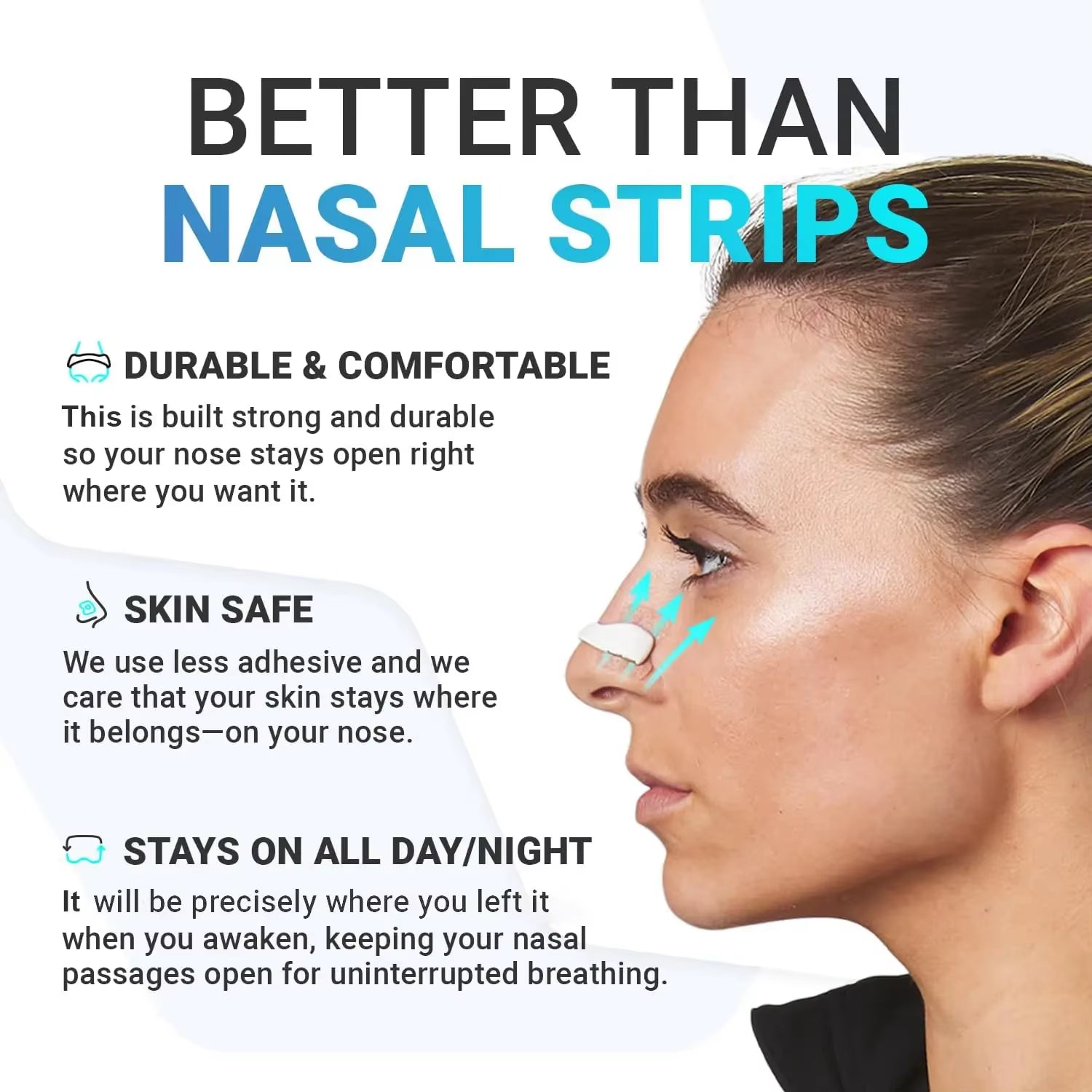
A peaceful night of sleep depends heavily on stable nasal airflow, yet millions struggle with partial nasal obstruction, nighttime congestion, or mild structural narrowing of the nasal passages. Nasal Strips provide a non-invasive, drug-free solution by physically lifting the sides of the nose and widening the nasal valve—the narrowest part of the airway. This mechanical action allows more air to flow smoothly through the nasal passages, reducing the need for mouth breathing and supporting a quieter, more restorative sleep cycle. The foundational principle of Nasal Strips lies in the spring-like tension embedded in their structure. When applied across the nose, the flexible bands gently pull outward, creating space inside the nasal cavity. This widening effect enhances airflow and reduces the vibrations that contribute to snoring. Sleep medicine research consistently shows that improved nasal breathing can maintain steadier oxygen levels, support relaxation responses, and reduce sleep disturbances caused by restricted airflow. Many users report dramatic improvements after the first night of use, especially those who have long struggled with bedtime congestion or habitual snoring. Nasal Strips offer a simple, effective way to improve nighttime comfort and restore confidence in achieving quality sleep.
Sleep Medicine Principles Supporting Nasal Strips
Nasal Valve Opening for Airflow Stability
The nasal valve is the narrowest portion of the nasal airway, responsible for the majority of airflow resistance. Even small structural limitations in this region can significantly restrict breathing during sleep. Nasal Strips directly address this issue by lifting the skin and cartilage away from the valve, creating a wider channel for airflow. This mechanical adjustment supports smooth, continuous breathing that contributes to high-quality sleep. Users who typically experience nighttime congestion or airflow collapse often feel immediate relief once the strips are applied.
Influence on Snoring Reduction
Snoring is often caused by turbulent airflow through partially blocked or narrowed nasal passages. When the air cannot pass smoothly, soft tissues in the throat vibrate and produce sound. Nasal Strips improve nasal breathing, decreasing the likelihood of mouth breathing and turbulence. This reduction in instability helps lower snoring volume and frequency. For many users, improving nasal airflow becomes a key step in maintaining peaceful sleep and minimizing disturbances for themselves and their partners.
Structural Mechanics Behind Nasal Strips
Spring Tension Facilitating Nasal Lift
Each Nasal Strip contains flexible bands designed with a spring-like mechanism. When placed across the nose, these bands attempt to return to their original straight shape, lifting the sides of the nose outward in the process. This subtle but effective lift increases the cross-sectional area of the nasal cavity, allowing users to inhale more freely. The added space supports calmer breathing rhythms that contribute to deeper and more stable sleep cycles.
Adhesion Stability Throughout the Night
The adhesive layer of Nasal Strips is engineered to maintain strong adherence even through movement, perspiration, and changes in skin temperature during sleep. This ensures that the lifting force remains consistent for hours. Stable adhesion is essential for maintaining reliable airflow improvement, as any shift in positioning could reduce effectiveness. With proper placement, Nasal Strips work continuously through the night to enhance comfort and breathing efficiency.
Personal Experiences Observed in Real Sleep Struggles
User Story Reflecting Long-term Snoring Issues
Many individuals have shared experiences of dealing with nightly snoring for years, often without realizing how much nasal airflow contributes to the problem. One user described having difficulty breathing through the nose every night, especially during allergy seasons. After trying Nasal Strips, they reported noticeably quieter breathing within the first few nights. The improved airflow helped them maintain a more comfortable sleeping position, reducing tension in the jaw and allowing for a more peaceful rest.
Emotional Relief from Restored Nighttime Comfort
Another user found that chronic snoring caused embarrassment and frustration, especially when sharing a room during travel. Nasal Strips provided a non-intimidating, easy-to-use method of controlling airflow noise. The user felt more confident sleeping around others, experiencing emotional relief knowing they were creating fewer disturbances. With improved breathing and reduced snoring, they described waking up feeling more refreshed and emotionally balanced.
Nighttime Breathing Patterns and Their Connection to Sleep Quality
Reduced Mouth Breathing for Better Sleep
Restricted nasal airflow often forces individuals to breathe through their mouths while sleeping. Mouth breathing can lead to dryness in the throat, increased chances of waking, and a higher likelihood of snoring. Nasal Strips promote nasal breathing by opening the airway and reducing reliance on mouth breathing. This shift leads to calmer sleep and lowers the risk of morning discomfort caused by dryness or irritation.
Improved Oxygen Balance Supporting Restorative Sleep
Consistent oxygen intake is crucial for restorative sleep. Nasal Strips help maintain steadier breathing patterns by preventing airflow collapse, which minimizes fluctuations in oxygen levels throughout the night. Users often describe feeling more alert upon waking because their bodies receive the oxygen needed to support deep sleep cycles. This boost in nighttime breathing efficiency contributes to greater daytime energy and focus.
The Relationship Between Nasal Strips and Sleep Posture
Assistance in Side Sleeping Comfort
Side sleepers often experience one-sided nasal blockage due to gravity and sinus pressure. Nasal Strips help support airflow by lifting the nasal passages regardless of sleeping position. By providing structural stability to the nose, the strips minimize the discomfort caused by congested breathing on one side. This effect helps users stay in their preferred sleeping posture without frequent awakenings caused by blocked airflow.
Improved Comfort for Back Sleepers
Back sleepers commonly experience snoring due to the natural tendency of airway tissues to relax. Nasal Strips help reduce this effect by keeping the nasal passages open, encouraging stable airflow even when lying on the back. This can help minimize snoring intensity and allow users to enjoy uninterrupted sleep without needing external devices or restrictive apparatuses.
Additional Effects on Nighttime Respiratory Comfort
Reduced Nasal Resistance Supporting Sleep Continuity
Nasal resistance refers to the effort required to draw air through the nose. Even mild resistance can increase breathing effort and lead to restless sleep. Nasal Strips relieve resistance by expanding the nasal cavity, making breathing smoother and less effortful throughout the night. Users experience fewer sleep interruptions and more consistent rest.
Breathing Rhythm Improvement for Relaxation
When airflow is smooth and unrestricted, the body naturally adopts a calmer breathing rhythm. Nasal Strips help facilitate this by keeping the nasal passages open, enabling deeper, slower breaths. This relaxation response encourages the body to settle into restful sleep more quickly and stay asleep longer.
Long-term Habit Formation with Nasal Strips
Establishing Predictable Nighttime Routines
Many users find that incorporating Nasal Strips into their nighttime routines provides a sense of predictability and comfort. Applying the strip becomes a signal to the body that it is time to rest. This ritual can help reduce bedtime anxiety and promote emotional calmness, supporting overall sleep quality.
Supporting Better Sleep Hygiene
Nasal Strips pair well with general sleep hygiene practices such as dim lighting, consistent sleep schedules, and reduced screen exposure before bed. With improved airflow, these habits become more effective in promoting long-lasting rest. Users often feel motivated to maintain healthier lifestyles when they experience improved breathing comfort each night.
FAQ
Frequently Asked Questions
How do Nasal Strips help improve sleep quality
Nasal Strips physically widen the nasal passages, allowing smoother airflow and reducing nighttime breathing difficulties, contributing to deeper rest.
Do Nasal Strips help reduce snoring
They reduce airflow resistance, support nasal breathing, and minimize mouth breathing, which often decreases snoring frequency and intensity.
Can Nasal Strips be worn every night
They are safe for nightly use and suitable for long-term routines aimed at improving sleep comfort and airflow stability.
Are Nasal Strips effective for users with mild nasal obstruction
They provide mechanical support for improved breathing, offering relief for individuals experiencing mild congestion or structural narrowing.
One-Stop Custom Tape & Patch Supplier, Fully Certified & Safety Guaranteed
Name: Vicky Zhou
Call/Text: +86 198 0595 7675
Email: [email protected]
Website:https://www.hlktape.com
YouTube:https://www.youtube.com/@HLKTape