
 EN
EN


What Are Effective Strategies to Build After-Sales Support for Mouth Tape Brands?
Building robust after-sales support systems has become a critical differentiator for mouth tape brands in today's competitive sleep wellness market. As consumer awareness about sleep quality and breathing optimization continues to grow, mouth tape brands must establish comprehensive support frameworks that extend far beyond the initial purchase transaction. The success of mouth tape brands depends not only on product efficacy but also on their ability to guide customers through proper usage, address concerns, and maintain long-term relationships that foster brand loyalty and positive word-of-mouth marketing.
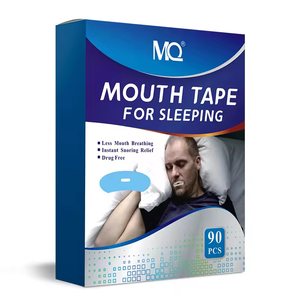
The landscape of after-sales support for mouth tape brands requires a multifaceted approach that addresses both immediate customer needs and long-term satisfaction goals. Companies operating in this space must navigate unique challenges including proper product application education, safety considerations, and ongoing customer engagement strategies. Effective after-sales support systems for mouth tape brands serve as powerful tools for customer retention, brand differentiation, and sustainable business growth in an increasingly crowded marketplace.
Understanding Customer Journey and Support Touchpoints
Mapping Critical Customer Interaction Moments
Successful mouth tape brands recognize that customer support begins before the first product use and continues throughout the entire customer lifecycle. The journey typically starts with initial product unboxing, where clear instructions and welcome materials set the foundation for positive experiences. During the first-use phase, customers often require guidance on proper application techniques, skin preparation methods, and optimal positioning strategies that maximize comfort and effectiveness.
Customer support touchpoints for mouth tape brands extend into the adaptation period, where users may experience initial discomfort or application challenges. This phase requires proactive communication strategies, including follow-up emails, instructional content, and accessible support channels that address common concerns. Advanced mouth tape brands implement systematic check-in processes that monitor customer progress and provide personalized guidance based on individual usage patterns and feedback.
Identifying Common Support Needs and Pain Points
Research indicates that mouth tape brands encounter recurring support requests related to adhesion issues, skin sensitivity concerns, and proper removal techniques. Customers frequently seek guidance on selecting appropriate tape sizes, managing facial hair considerations, and integrating mouth tape usage with existing sleep routines. Understanding these patterns enables mouth tape brands to develop targeted support resources that anticipate customer needs rather than merely reacting to problems.
The most successful mouth tape brands invest in comprehensive pain point analysis that identifies both obvious and subtle customer challenges. These insights inform support strategy development, product improvement initiatives, and educational content creation that addresses real-world usage scenarios. By proactively addressing common concerns, mouth tape brands can significantly reduce support ticket volume while improving overall customer satisfaction and product adoption rates.
Developing Comprehensive Educational Resources
Creating Multi-Format Learning Materials
Educational resource development represents a cornerstone strategy for mouth tape brands seeking to build effective after-sales support systems. Comprehensive learning materials should encompass multiple formats including video tutorials, detailed written guides, infographic instructions, and interactive demonstrations that cater to diverse learning preferences. Video content proves particularly valuable for mouth tape brands as it allows customers to observe proper application techniques, timing considerations, and troubleshooting methods in real-time visual format.
Written documentation for mouth tape brands must address technical aspects such as adhesive properties, material composition, and safety guidelines while maintaining accessibility for general consumers. Infographic resources serve as quick-reference tools that customers can easily access during their nighttime routines, providing step-by-step visual guidance without requiring extensive reading or video viewing. The most effective mouth tape brands create resource libraries that allow customers to choose their preferred learning format while ensuring consistent information across all materials.
Implementing Progressive Education Strategies
Progressive education approaches enable mouth tape brands to deliver information gradually, preventing customer overwhelm while ensuring comprehensive knowledge transfer. Initial educational content should focus on fundamental usage principles, safety considerations, and basic application techniques that enable successful first experiences. Advanced topics such as usage optimization, integration with sleep tracking devices, and long-term habit formation can be introduced through secondary educational phases.
Successful mouth tape brands implement educational timing strategies that align with customer usage patterns and learning curves. Early-stage education emphasizes immediate practical needs, while longer-term educational content explores advanced techniques, lifestyle integration methods, and complementary sleep optimization strategies. This progressive approach ensures that customers receive relevant information when they need it most, improving retention rates and reducing support burden on customer service teams.
Building Responsive Customer Communication Systems
Establishing Multi-Channel Support Access
Modern mouth tape brands must provide multiple communication channels that accommodate diverse customer preferences and urgency levels. Traditional email support remains important for detailed inquiries and documentation purposes, while live chat systems enable real-time problem resolution for immediate concerns. Phone support channels prove valuable for complex technical discussions or situations requiring personal consultation, particularly for customers with specific medical considerations or unique usage challenges.
Social media platforms serve as increasingly important support channels for mouth tape brands, providing opportunities for public engagement, community building, and transparent problem resolution. These platforms enable mouth tape brands to demonstrate their commitment to customer satisfaction while building trust through visible support interactions. Advanced brands integrate support ticket systems that ensure consistent service quality across all communication channels while maintaining comprehensive customer interaction histories.
Implementing Proactive Communication Protocols
Proactive communication strategies distinguish leading mouth tape brands from reactive competitors by anticipating customer needs and addressing concerns before they become problems. Automated email sequences can provide usage tips, troubleshooting guidance, and educational content based on purchase timing and customer behavior patterns. These systems enable mouth tape brands to maintain consistent customer engagement without overwhelming support staff resources.
Effective proactive communication includes seasonal considerations, product updates, and relevant health information that enhances the overall customer experience. Mouth tape brands can implement targeted campaigns addressing common seasonal challenges such as dry winter air effects on adhesion or summer heat considerations for comfort optimization. Regular communication maintains brand presence in customer minds while reinforcing proper usage habits and safety awareness.
Leveraging Technology for Enhanced Support Delivery
Integrating AI and Automation Solutions
Artificial intelligence and automation technologies enable mouth tape brands to provide immediate, accurate responses to common customer inquiries while freeing human support staff to handle complex or sensitive issues. Chatbot systems can guide customers through troubleshooting processes, provide application instructions, and direct users to appropriate resources based on their specific questions or concerns. These systems operate continuously, ensuring that mouth tape brands can provide support outside traditional business hours when customers most frequently use their products.
Advanced AI systems for mouth tape brands can analyze customer inquiry patterns to identify emerging issues, product improvement opportunities, and educational content gaps. Machine learning algorithms can personalize support recommendations based on individual customer profiles, usage patterns, and previous interaction history. This technological approach enables mouth tape brands to scale their support operations efficiently while maintaining high service quality standards.
Developing Mobile-First Support Experiences
Mobile optimization represents a critical consideration for mouth tape brands since customers often seek support information during evening routines when desktop computers may be less accessible. Mobile-optimized support portals should provide streamlined navigation, fast-loading content, and touch-friendly interfaces that enable easy access to instructional materials and support resources. Video content must be optimized for mobile viewing with appropriate sizing, loading speeds, and data usage considerations.
Mobile applications for mouth tape brands can integrate support features directly into usage tracking, reminder systems, and educational content delivery. These applications enable seamless transitions between product usage and support access while providing personalized recommendations based on individual usage data and preferences. The most innovative mouth tape brands develop comprehensive mobile ecosystems that combine product support with broader sleep wellness resources and community features.
Creating Customer Community and Peer Support Networks
Building Brand-Centered Communities
Community building initiatives enable mouth tape brands to harness the power of peer support while reducing direct support burdens on company resources. Online forums, social media groups, and dedicated community platforms allow experienced users to share tips, troubleshooting advice, and encouragement with newcomers. These communities create valuable spaces for mouth tape brands to monitor customer sentiment, identify common challenges, and gather product improvement insights directly from active users.
Successful community management for mouth tape brands requires careful moderation that maintains helpful, supportive environments while ensuring accurate information sharing and adherence to safety guidelines. Brand representatives should participate actively in community discussions, providing expert guidance when needed while allowing organic peer-to-peer support to flourish. Community platforms also serve as valuable feedback collection mechanisms that inform product development and support strategy refinements.
Implementing User-Generated Content Strategies
User-generated content provides authentic, relatable support resources that resonate strongly with potential and existing customers of mouth tape brands. Customer testimonials, usage videos, and success stories create powerful social proof while demonstrating real-world application techniques and results. Mouth tape brands can encourage content creation through incentive programs, featured customer spotlights, and community challenges that promote engagement and knowledge sharing.
Curated user-generated content serves multiple purposes for mouth tape brands including educational resource expansion, social proof generation, and community engagement enhancement. Customer-created tutorials often address unique usage scenarios or creative solutions that official brand content might not cover. These authentic perspectives help mouth tape brands build trust while providing diverse approaches to common challenges that resonate with different customer segments and preferences.
Measuring and Optimizing Support Effectiveness
Establishing Key Performance Metrics
Effective measurement systems enable mouth tape brands to track support performance, identify improvement opportunities, and demonstrate return on investment for customer service initiatives. Key metrics include response time tracking, resolution rates, customer satisfaction scores, and repeat contact frequencies that provide comprehensive views of support system effectiveness. Advanced mouth tape brands implement Net Promoter Score tracking specifically related to support experiences, enabling targeted improvements based on customer feedback.
Customer retention metrics provide crucial insights into the long-term effectiveness of after-sales support strategies for mouth tape brands. Tracking relationships between support interaction quality and repeat purchase behavior helps identify the most valuable support investments. Customer lifetime value analysis enables mouth tape brands to justify support resource allocation while identifying high-value customer segments that benefit from enhanced support attention.
Implementing Continuous Improvement Processes
Systematic improvement processes ensure that after-sales support systems for mouth tape brands evolve to meet changing customer needs and market conditions. Regular analysis of support ticket trends, customer feedback patterns, and resolution effectiveness identifies areas requiring attention or resource reallocation. Monthly or quarterly review cycles enable mouth tape brands to implement incremental improvements while maintaining service quality during transition periods.
Customer feedback integration represents a critical component of continuous improvement for mouth tape brands seeking to optimize their support effectiveness. Structured feedback collection through post-interaction surveys, periodic customer interviews, and community sentiment analysis provides actionable insights for support strategy refinement. The most successful mouth tape brands create feedback loops that enable rapid response to emerging issues while preventing minor concerns from developing into significant customer satisfaction problems.
FAQ
How quickly should mouth tape brands respond to customer support inquiries
Most successful mouth tape brands aim to provide initial responses within 24 hours for email inquiries and immediate responses for live chat or phone support. Since mouth taping often occurs during evening hours, having extended support availability or comprehensive self-service resources becomes particularly important. Emergency safety concerns should receive immediate attention through clearly marked priority channels that customers can easily identify and access when needed.
What are the most common support issues that mouth tape brands encounter
The most frequent support requests for mouth tape brands typically involve adhesion problems, skin sensitivity reactions, proper application techniques, and removal difficulties. Customers also commonly seek guidance on integrating mouth tape use with CPAP machines, managing facial hair considerations, and selecting appropriate products for their specific needs. Proactive educational content addressing these common issues significantly reduces support ticket volume while improving customer satisfaction.
How can mouth tape brands handle safety-related customer concerns effectively
Safety concerns require immediate attention and clear escalation protocols for mouth tape brands to maintain customer trust and regulatory compliance. Support teams should be trained to identify potential safety issues and provide appropriate guidance while recommending medical consultation when necessary. Clear safety guidelines, contraindication information, and emergency removal instructions should be prominently featured in all product documentation and easily accessible through support channels.
What role does follow-up communication play in after-sales support for mouth tape brands
Follow-up communication serves multiple critical functions for mouth tape brands including ensuring problem resolution, gathering feedback for improvement, and maintaining long-term customer relationships. Systematic follow-up processes help identify customers who may need additional guidance while demonstrating ongoing commitment to customer satisfaction. Regular check-ins during the initial adaptation period prove particularly valuable for ensuring successful product adoption and addressing emerging concerns before they become significant problems.
One-Stop Custom Tape & Patch Supplier, Fully Certified & Safety Guaranteed
Name: Vicky Zhou
Call/Text: +86 198 0595 7675
Email: [email protected]
Website:https://www.hlktape.com
YouTube:https://www.youtube.com/@HLKTape