
 EN
EN


¿Puede Tira Nasal mejorar la congestión nasal de forma natural?
La congestión nasal afecta a millones de personas en todo el mundo, causando molestias durante el sueño, el ejercicio y las actividades diarias. Muchas personas buscan soluciones naturales y no invasivas para mejorar su respiración sin depender de medicamentos ni intervenciones quirúrgicas. Las tiras nasales han surgido como una opción popular y eficaz para quienes desean mejorar naturalmente el flujo de aire a través de sus fosas nasales. Estos dispositivos sencillos pero innovadores actúan elevando y abriendo suavemente las vías nasales, proporcionando un alivio inmediato de la obstrucción y la congestión.
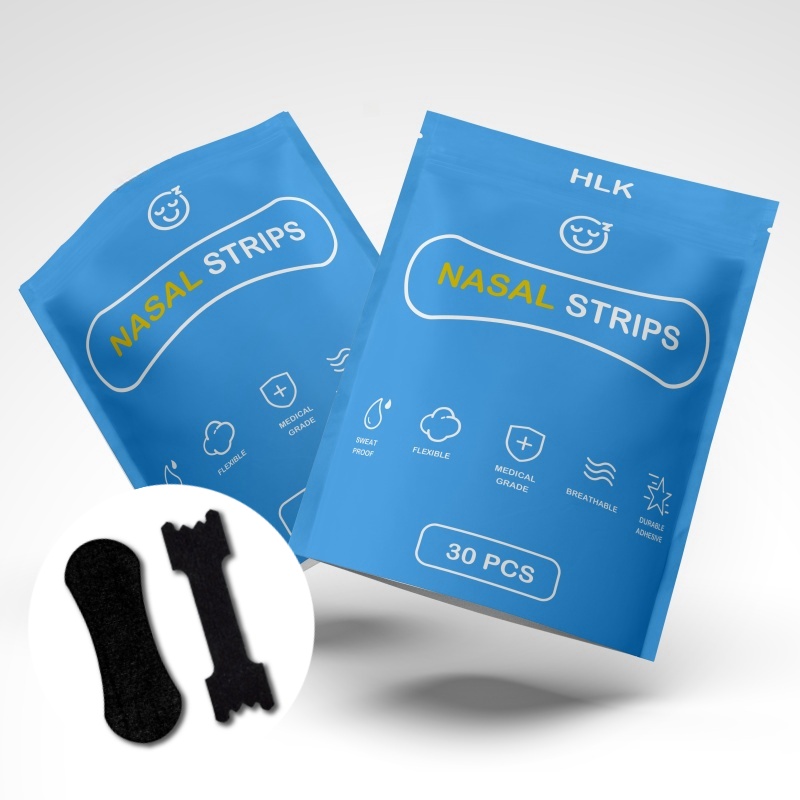
La ciencia detrás tiras Nasales es notablemente sencilla, pero altamente efectiva. Al aplicarse correctamente sobre el puente de la nariz, estas tiras adhesivas generan una acción mecánica de elevación que amplía el área de la válvula nasal. Este aumento del espacio permite un flujo de aire mejorado, una resistencia reducida y una mayor eficiencia respiratoria general. El enfoque no medicamentoso convierte a las tiras nasales en una alternativa atractiva para quienes prefieren soluciones libres de fármacos o para quienes experimentan efectos secundarios derivados de los medicamentos descongestionantes.
Comprensión del funcionamiento de las tiras nasales
Acción mecánica y anatomía nasal
La cavidad nasal humana contiene varias estructuras críticas que pueden afectar la eficiencia respiratoria. La válvula nasal, ubicada en la parte más estrecha del conducto nasal, suele convertirse en el sitio principal de congestión y restricción del flujo de aire. Las tiras nasales actúan específicamente sobre esta zona aplicando una presión suave hacia arriba sobre el cartílago y los tejidos blandos que rodean la abertura nasal. Esta acción mecánica aumenta efectivamente el área de sección transversal del conducto nasal, reduciendo el esfuerzo requerido para respirar.
Cuando las tiras nasales se colocan correctamente, generan una tensión similar a la de un resorte que mantiene la abertura nasal ampliada durante todo el tiempo de uso. El adhesivo trasero garantiza una fijación segura a la piel, permitiendo al mismo tiempo movimientos faciales naturales durante el sueño o las actividades diarias. Este soporte mecánico constante ayuda a mantener un flujo de aire óptimo, incluso cuando la congestión nasal natural provocaría, de otro modo, dificultades respiratorias.
Investigación clínica y eficacia
Varios estudios clínicos han demostrado la eficacia de las tiras nasales para mejorar el flujo de aire nasal y reducir el esfuerzo respiratorio. Las investigaciones realizadas tanto en individuos sanos como en personas con congestión nasal han mostrado mejoras medibles en la resistencia nasal y en la sensación subjetiva de comodidad respiratoria. Estos estudios indican que las tiras nasales pueden aumentar el flujo de aire nasal hasta en un treinta por ciento en algunos individuos, proporcionando un alivio significativo de los síntomas de congestión.
La eficacia de las tiras nasales va más allá del simple alivio de la congestión. Los deportistas han incorporado estos dispositivos en sus rutinas de entrenamiento y competición para optimizar la ingesta de oxígeno durante el esfuerzo físico. Asimismo, estudios sobre el sueño han revelado que las tiras nasales pueden ayudar a reducir el ronquido y mejorar la calidad del sueño al favorecer la respiración nasal frente a la bucal durante toda la noche.
Beneficios del uso de tiras nasales para el alivio de la congestión
Alivio inmediato y sin medicamentos
Una de las ventajas más significativas de las tiras nasales es su capacidad para proporcionar alivio inmediato sin necesidad de medicamentos ni procedimientos invasivos. A diferencia de los aerosoles descongestionantes o los medicamentos orales, que pueden causar efectos secundarios o congestión rebote, las tiras nasales ofrecen una solución mecánica que actúa de forma instantánea tras su aplicación. Esta acción inmediata las convierte en una opción especialmente valiosa para quienes buscan un alivio rápido ante episodios súbitos de congestión o para quienes se preparan para dormir.
La naturaleza libre de fármacos de las tiras nasales las hace adecuadas para una amplia gama de usuarios, incluidas las mujeres embarazadas, los niños y las personas con afecciones médicas que podrían contraindicar el uso de medicamentos descongestionantes. Esta amplia aplicabilidad garantiza que casi cualquier persona que experimente congestión nasal pueda beneficiarse del uso de tiras nasales sin preocuparse por interacciones medicamentosas ni efectos secundarios sistémicos.
Mejora en la calidad del sueño y reducción del ronquido
La congestión nasal durante el sueño puede afectar significativamente la calidad del sueño, provocando despertares frecuentes, un sueño inquieto y fatiga diurna. Las tiras nasales ayudan a mantener las vías nasales despejadas durante toda la noche, favoreciendo un sueño más reparador y reduciendo la probabilidad de interrupciones del sueño causadas por dificultades respiratorias. Muchos usuarios informan una mayor satisfacción con el sueño y niveles incrementados de energía tras incorporar las tiras nasales a su rutina nocturna.
El ronquido suele producirse cuando las vías nasales se restringen, lo que obliga a las personas a respirar por la boca durante el sueño. Al mantener las vías nasales abiertas, las tiras nasales pueden ayudar a reducir o eliminar el ronquido en muchas personas. Esta mejora beneficia no solo a la persona que usa las tiras, sino también a su compañero de sueño, creando así un entorno de descanso más tranquilo para todos los involucrados.
Instrucciones adecuadas de aplicación y uso
Proceso de solicitud paso a paso
La aplicación correcta es esencial para maximizar la eficacia de las tiras nasales. Comience limpiando cuidadosamente la zona nasal con jabón y agua, eliminando cualquier grasa, loción o maquillaje que pueda interferir con la adherencia. Seque completamente la piel antes de proceder con la aplicación. La superficie limpia y seca garantiza un contacto óptimo del adhesivo y evita la retirada prematura de la tira.
Coloque la tira nasal sobre el puente de la nariz, centrándola sobre el área de la válvula nasal, donde comienzan a ensancharse las fosas nasales. Presione firmemente ambos extremos de la tira, asegurando un contacto completo con la piel. La sección central debe permanecer ligeramente elevada para generar la acción de elevación necesaria para abrir las vías nasales. Evite estirar la tira durante la aplicación, ya que esto puede reducir su eficacia y causar molestias.
Momento óptimo y duración
El momento de aplicar las tiras nasales puede variar según las necesidades y circunstancias individuales. Para la congestión o los ronquidos relacionados con el sueño, aplique la tira aproximadamente treinta minutos antes de acostarse, para permitir una adherencia y ajuste adecuados. Este intervalo también permite al usuario evaluar el ajuste y el nivel de comodidad antes de acostarse para pasar la noche.
La mayoría tiras Nasales están diseñadas para una sola aplicación y se pueden usar de forma segura hasta por doce horas. Sin embargo, las personas con piel sensible deben observar cualquier signo de irritación y retirar la tira si aparece molestia. Los usuarios habituales deben permitir que su piel descanse periódicamente entre aplicaciones para prevenir irritaciones o acumulación del adhesivo.
Elegir el tipo adecuado de tiras nasales
Consideraciones sobre el material y la sensibilidad cutánea
Las tiras nasales modernas están disponibles en diversos materiales y formulaciones diseñadas para adaptarse a distintos tipos de piel y niveles de sensibilidad. Las opciones hipoalergénicas son especialmente importantes para personas con piel sensible o propensas a reacciones al adhesivo. Estas tiras especializadas utilizan adhesivos más suaves que garantizan una fijación segura, al tiempo que minimizan el riesgo de irritación cutánea o respuestas alérgicas.
Los materiales transpirables y los diseños ventilados ayudan a prevenir la acumulación de humedad bajo la tira, reduciendo así la probabilidad de irritación cutánea durante un uso prolongado. Algunas tiras nasales incorporan características adicionales, como un adhesivo extrafuerte para personas activas o formulaciones ultra-suaves para quienes tienen una piel extremadamente sensible. Comprender estas diferencias en los materiales ayuda a los usuarios a seleccionar la opción más adecuada para sus necesidades específicas.
Variaciones de tamaño y ajuste
Las tiras nasales suelen estar disponibles en varios tamaños para adaptarse a distintas formas y tamaños de nariz. Los tamaños pequeño o mediano funcionan bien en personas con puentes nasales más estrechos, mientras que los tamaños grandes ofrecen una mayor cobertura y potencia de elevación a quienes tienen narices más anchas. La elección del tamaño adecuado es fundamental para lograr resultados óptimos, ya que las tiras demasiado pequeñas pueden no proporcionar suficiente acción de elevación, mientras que las tiras excesivamente grandes pueden causar molestias o irritación cutánea.
Algunos fabricantes ofrecen diseños especializados para distintos grupos de usuarios, como tiras específicamente diseñadas para deportistas o para su uso nocturno. Estas variantes pueden incluir una mayor fuerza adhesiva, materiales resistentes a la humedad o formas modificadas que se adaptan a patrones de uso específicos. Experimentar con diferentes tamaños y estilos puede ayudar a los usuarios a identificar la opción más eficaz para sus necesidades individuales.
Consideraciones de seguridad y posibles efectos secundarios
Efectos secundarios comunes y prevención
Aunque las tiras nasales son generalmente seguras para la mayoría de los usuarios, algunas personas pueden experimentar efectos secundarios leves relacionados con el contacto del adhesivo con la piel. La irritación cutánea leve, el enrojecimiento o los residuos de adhesivo son los problemas más frecuentemente reportados. Estos efectos suelen ser temporales y desaparecen rápidamente tras interrumpir su uso o cambiar a una formulación del producto más adecuada.
Para minimizar el riesgo de irritación cutánea, los usuarios deben asegurarse de preparar adecuadamente la piel antes de la aplicación y evitar usar las tiras nasales durante períodos prolongados más allá de la duración recomendada. Las personas con alergias conocidas a adhesivos deben revisar cuidadosamente los ingredientes del producto y considerar realizar una prueba de parche en una pequeña zona de la piel antes de su aplicación completa. Además, los cuidados cutáneos regulares y unas técnicas adecuadas de retirada de las tiras también ayudan a prevenir reacciones adversas.
Cuándo consultar a profesionales sanitarios
Aunque las tiras nasales proporcionan un alivio temporal eficaz para muchos problemas de congestión, la congestión nasal persistente o grave puede indicar afecciones médicas subyacentes que requieren una evaluación profesional. La sinusitis crónica, los pólipos nasales, la desviación del tabique nasal u otras anomalías estructurales pueden no responder adecuadamente al tratamiento exclusivo con tiras nasales. Las personas que experimenten dificultades respiratorias continuas deben consultar a profesionales sanitarios para identificar y tratar las causas fundamentales.
Algunas afecciones médicas o medicamentos pueden afectar la idoneidad de las tiras nasales para ciertas personas. Quienes tomen medicamentos anticoagulantes o tengan una integridad cutánea comprometida deben hablar con sus profesionales sanitarios sobre el uso de tiras nasales antes de comenzar su aplicación regular. La orientación profesional garantiza una aplicación segura y adecuada, evitando así posibles complicaciones.
Integración con otros remedios naturales para la congestión
Enfoques naturales complementarios
Las tiras nasales funcionan excepcionalmente bien cuando se combinan con otros métodos naturales para aliviar la congestión. La inhalación de vapor, los enjuagues nasales salinos y el uso de un humidificador pueden ayudar a tratar la producción excesiva de moco y la inflamación subyacentes que contribuyen a la congestión nasal. Cuando se utilizan junto con las tiras nasales, estos enfoques ofrecen una gestión integral de la congestión que aborda tanto la obstrucción mecánica como las causas inflamatorias.
La aromaterapia con aceites esenciales, especialmente con aceites de eucalipto o menta piperita, puede complementar la acción mecánica de las tiras nasales al proporcionar efectos descongestionantes adicionales. Sin embargo, los usuarios deben asegurarse de que cualquier aplicación tópica no interfiera con la adherencia de las tiras ni provoque sensibilidad cutánea al usarse en combinación con productos adhesivos.
Modificaciones del estilo de vida para un alivio a largo plazo
Los factores ambientales desempeñan un papel significativo en el desarrollo y la gravedad de la congestión nasal. Mantener niveles óptimos de humedad en los espacios habitables, utilizar purificadores de aire para eliminar alérgenos y evitar desencadenantes conocidos pueden potenciar la eficacia de las tiras nasales, a la vez que ofrecen un alivio más duradero de la congestión. Estas modificaciones ambientales crean condiciones que favorecen el funcionamiento natural de la nariz y reducen la frecuencia de episodios de congestión.
Ajustar la posición durante el sueño, como elevar la cabeza al descansar, puede actuar de forma sinérgica con las tiras nasales para favorecer una mejor drenaje y reducir la gravedad de la congestión. Además, realizar ejercicio físico de forma regular y mantener una hidratación adecuada también contribuyen a la salud respiratoria general y pueden disminuir la frecuencia de episodios de congestión que requieren la utilización de tiras nasales.
Preguntas frecuentes
¿Cuánto tiempo puedo usar de forma segura las tiras nasales cada día?
La mayoría de las tiras nasales están diseñadas para una sola aplicación y se pueden usar de forma segura hasta por 12 horas. Para optimizar la salud de la piel, se recomienda retirar la tira tras este período y permitir que la piel descanse al menos varias horas antes de aplicar una nueva. Si experimenta alguna irritación cutánea, enrojecimiento o molestia, retire la tira inmediatamente y conceda a su piel más tiempo de recuperación entre aplicaciones.
¿Pueden los niños y las mujeres embarazadas usar tiras nasales de forma segura?
Las tiras nasales son generalmente seguras para niños y mujeres embarazadas, ya que actúan de forma mecánica sin introducir medicamentos en el organismo. Sin embargo, los niños solo deben usar tiras nasales bajo supervisión adulta para garantizar una aplicación correcta y vigilar cualquier reacción cutánea. Las mujeres embarazadas deben consultar con sus profesionales sanitarios antes de usar cualquier producto nuevo, aunque las tiras nasales suelen considerarse seguras durante el embarazo debido a su naturaleza no medicamentosa.
¿Funcionan las tiras nasales para todos los tipos de congestión nasal?
Las tiras nasales son más eficaces para la congestión causada por el colapso de la válvula nasal o por una inflamación leve a moderada que estrecha las vías nasales. Funcionan mejor cuando la congestión se localiza principalmente en la parte frontal de la nariz, y no en la congestión sinusal más profunda. Afecciones como la sinusitis grave, los pólipos nasales o las anomalías estructurales importantes pueden requerir un tratamiento adicional que vaya más allá de lo que las tiras nasales solas pueden ofrecer.
¿Qué debo hacer si la tira nasal causa irritación cutánea?
Si experimenta irritación cutánea por las tiras nasales, retire la tira inmediatamente y limpie suavemente la zona con agua y jabón suave. Aplique una crema hidratante suave y sin fragancia para calmar la piel afectada. Considere cambiar a una fórmula hipoalergénica o específica para pieles sensibles de tiras nasales, o pruebe una marca diferente que utilice materiales adhesivos más suaves. Si la irritación persiste o empeora tras dejar de usarlas, consulte a un profesional sanitario o a un dermatólogo para una evaluación y recomendaciones adicionales sobre el tratamiento.
Proveedor integral de cintas y parches personalizados, totalmente certificado y con garantía de seguridad
Nombre:Vicky Zhou
Llamar/Enviar mensaje de texto:+86 198 0595 7675
Correo electrónico: [email protected]
Sitio web: https://www.hlktape.com
YouTube:https://www.youtube.com/@HLKTape