 EN
EN


How to Choose the Right Mouth Tape Supplier for Your Business
1. Qualifications & Compliance: The Non-Negotiable Foundation
Mouth tape falls under medical device categories or skin-contact hygiene products, with varying regulatory requirements across different countries and regions.
1. Medical Device Certifications
-
If positioning your product as a "medical device" or "therapeutic aid for mouth breathing," the supplier must hold relevant manufacturing qualifications.
-
China Market: Look for Medical Device Registration Certificate and Manufacturing License.
-
US/EU Markets: Verify whether the supplier can provide FDA (US) or CE (EU) certifications, or cooperate in obtaining them.
2. Cosmetic / General Product Compliance
-
Even if sold as a "sleep aid" or "beauty accessory," the product must still comply with local safety standards for cosmetics or general consumer goods.
-
Request MSDS (Material Safety Data Sheet), skin irritation test reports, and heavy metal & microbial testing reports.
3. Production Environment Audit
-
Prioritize suppliers certified under ISO 13485 (Medical Devices Quality Management) or ISO 9001.
-
Conduct factory visits or request documentation on cleanroom classification to ensure the production environment meets hygiene requirements.
2. Materials & Safety: The Cornerstone of User Trust
Mouth tape is applied directly to the lip area, making material selection critical. Poor-quality adhesives or non-breathable backing materials can lead to allergies, skin damage, or even breathing discomfort.
Key Evaluation Criteria:
| Evaluation Aspect | Core Requirements |
|---|---|
| Adhesive | Medical-grade pressure-sensitive adhesive, hypoallergenic, painless removal with no residue |
| Backing Material | Highly breathable (e.g., non-woven fabric, medical breathable film) to prevent stuffiness |
| Structural Design | Ergonomic shape that does not obstruct nasal breathing; stays in place overnight |
| Non-Irritating | Latex-free, fluorescent agent-free, no irritating odor |
Recommendation: Request samples for internal testing before mass production, including:
-
Real-user trials (different skin types, sleep positions)
-
Removal experience testing
-
8-hour overnight adhesion testing
3. Manufacturing Process & Quality Control: Ensuring Consistency
Mouth tape is a high-repeat-purchase, high-sensitivity product where batch-to-batch consistency and stability are essential.
1. Production Capacity
-
Confirm the supplier's daily/monthly output and whether they can meet your peak order demands.
-
Evaluate automation levels: automated die-cutting, adhesive coating, and packaging equipment significantly reduce contamination risks.
2. Quality Control System
-
Request documentation of IQC (Incoming Quality Control), IPQC (In-Process Quality Control), and OQC (Outgoing Quality Control) procedures.
-
Confirm whether the supplier maintains retained samples for batch traceability.
3. Customization Capabilities
-
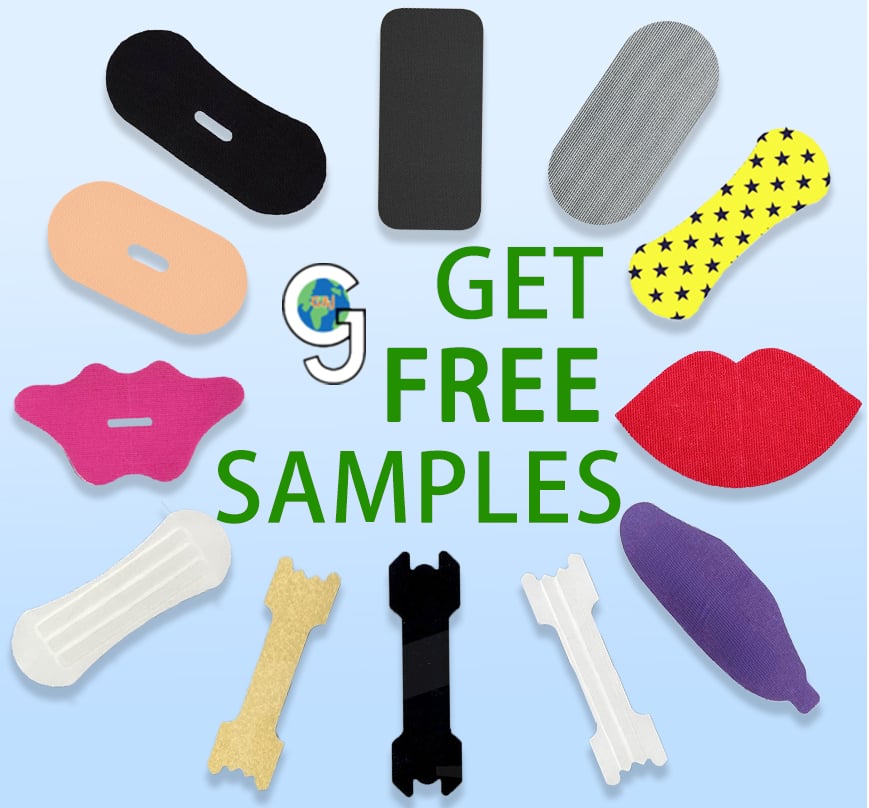
Do they support custom shapes (H-shape, X-shape, oval), sizes, colors, and packaging?
-
Do they have printing/stamping capabilities (similar to printed nose strips, mouth tape also offers opportunities for brand logo exposure)?
4. R&D & Innovation: Key to Differentiation
In a highly commoditized market, a supplier's R&D capabilities determine how far your brand can go.
Innovation Directions Worth Exploring:
-
Material Upgrades: Bio-based materials, biodegradable backings—aligning with sustainability trends
-
Functional Combinations: Infused with natural essential oils (lavender for sleep), moisturizing ingredients, etc.
-
Segment Targeting: Pediatric sizes, sensitive-skin versions
-
Packaging Innovation: Individually sealed units, portable packs, resealable pouches
Partnering with suppliers who have in-house R&D capabilities allows you to build exclusive product advantages and avoid competing solely on price.
5. Supply Chain Stability & Delivery Capability
While mouth tape is small in unit size, peak seasons (such as Singles' Day, Black Friday, etc.) can bring sudden surges in orders. A supplier's raw material lead times, production scheduling, and logistics capabilities directly impact your inventory turnover.
Key Questions to Ask:
-
Do they have stable upstream sources for raw materials (adhesive tape, backing materials)? Is there any single-source risk?
-
Does their MOQ (Minimum Order Quantity) align with your business stage?
-
What is their typical lead time? Can they accommodate rush orders?
-
Do they support split shipments or dropshipping models?
6. Communication & Service: The Intangible Yet Critical Factor
In B2B partnerships, a supplier's responsiveness, communication efficiency, and problem-solving ability often determine the longevity of the relationship.
-
Sample Turnaround: How long does it take from inquiry to receiving samples?
-
After-Sales Policy: How are quality issues handled? Is there a clear return or replacement mechanism?
-
Flexibility: Are they willing to accommodate third-party factory audits or inspections? Do they support small trial orders?
Before committing to a long-term partnership, consider placing a trial order (small batch) to evaluate the supplier's actual performance and collaboration capabilities.
Conclusion: Choosing the Right Supplier Means Choosing the Right Path
Though small in size, mouth tape carries significant weight in terms of user safety and experience. For businesses, selecting a supplier should go beyond price comparisons—it requires a comprehensive evaluation of compliance qualifications, material safety, manufacturing stability, innovation capabilities, and service quality.
A high-quality supplier is more than just a manufacturer; they are a strategic partner in your brand's growth. In this niche category, those who prioritize quality at the source will earn the long-term trust of their customers.
One-Stop Custom Tape & Patch Supplier, Fully Certified & Safety Guaranteed
Name: Vicky Zhou
Call/Text: +86 198 0595 7675
Email: [email protected]
Website:https://www.hlktape.com
YouTube:https://www.youtube.com/@HLKTape