 EN
EN


Mouth Tape for Sleep Apnea: Does It Really Work?
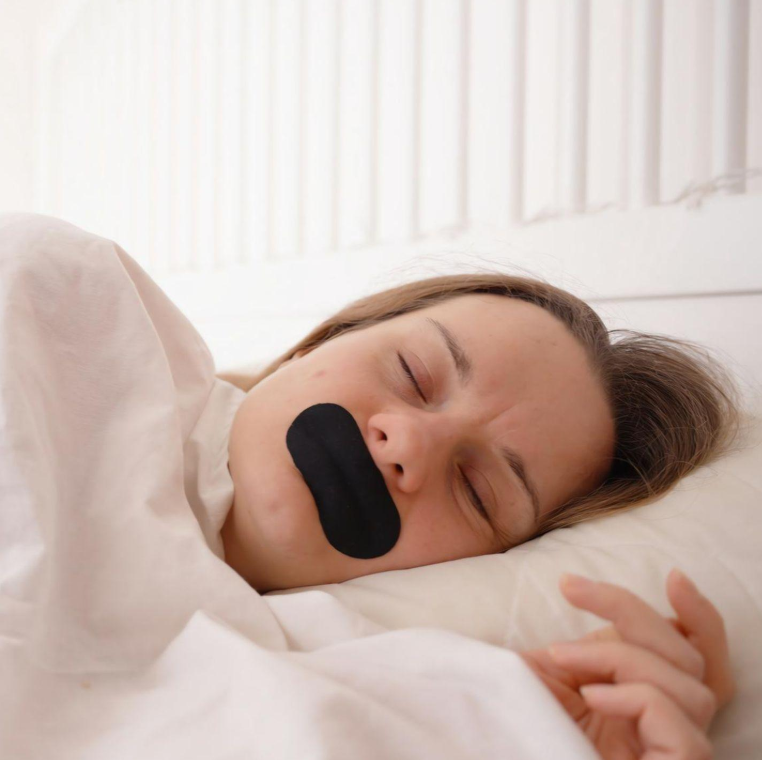
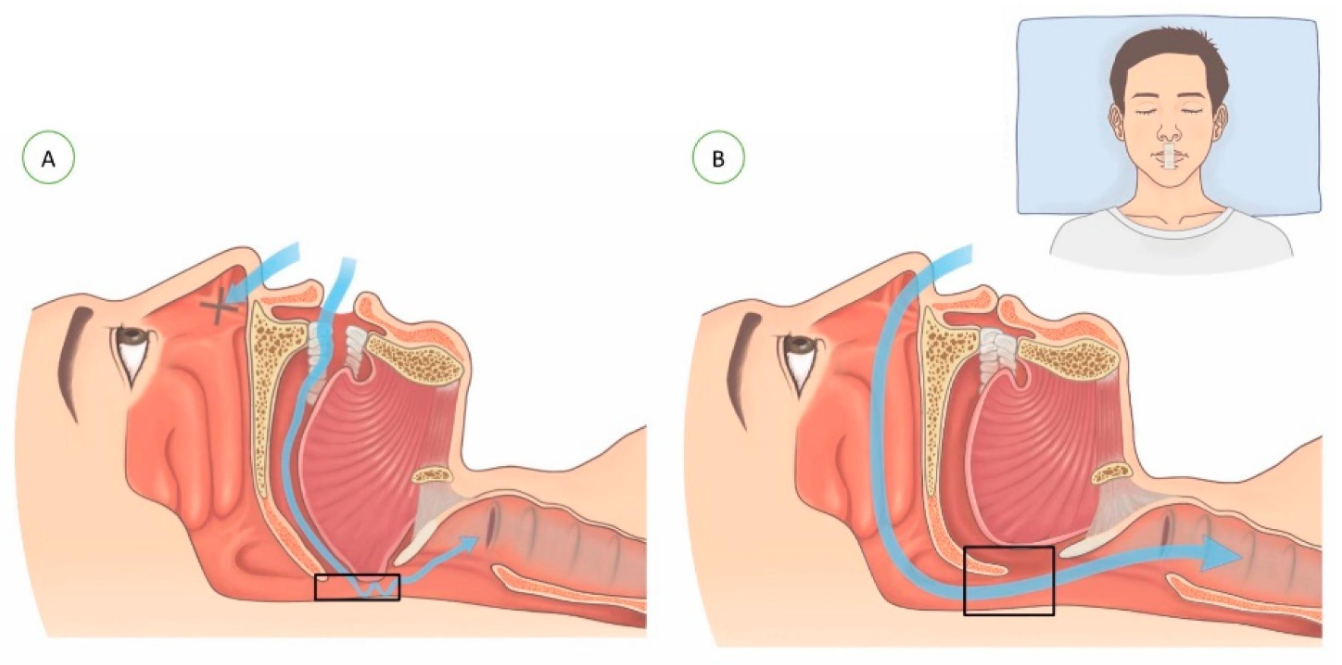
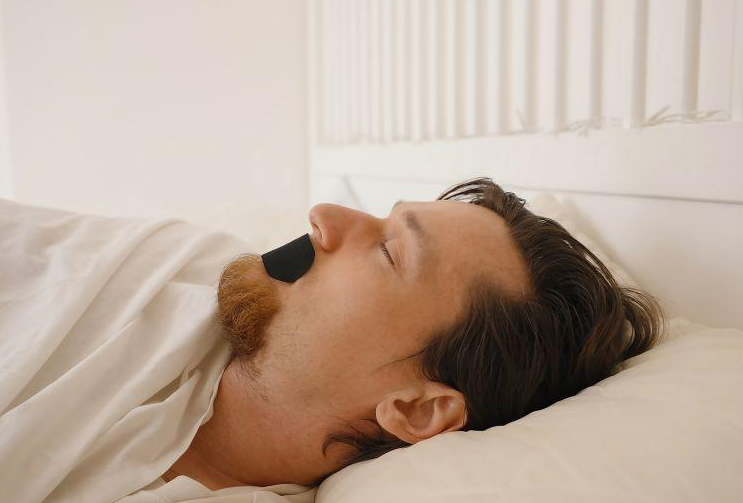
Mouth taping has become popular in recent years as a simple way to improve sleep, reduce snoring, and encourage nasal breathing.
However, when it comes to sleep apnea, the situation is more complex. Mouth tape may help in some cases, but it is not a medical treatment and should be used with caution.
🧠 What Is Mouth Taping?
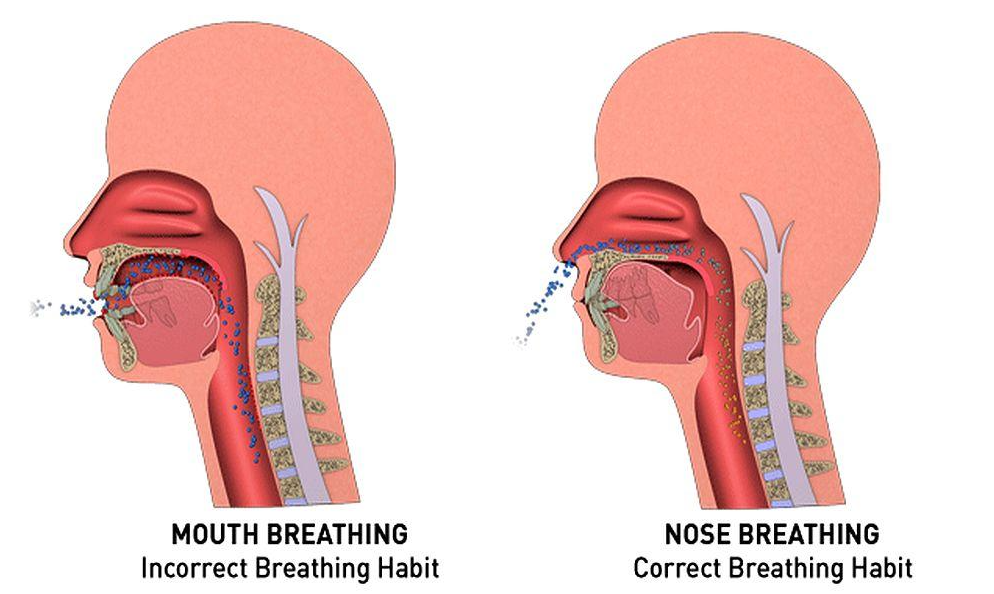
Mouth taping involves placing a gentle, skin-safe tape over the lips during sleep to encourage nasal breathing.
The goal is simple:
👉 reduce mouth breathing and promote nasal breathing
It is mainly used to help with:
-
Snoring
-
Mouth breathing habits
-
Dry mouth during sleep
💤 Does It Help Sleep Apnea?
✅ Possible benefits (mild cases)
In some small studies, mouth taping may help mild sleep apnea or mouth breathers by:
-
Reducing snoring
-
Improving nasal breathing
-
Slightly lowering breathing interruptions in some cases
👉 It may help only in mild, mouth-breathing-related cases.
❌ Limited evidence
Medical research is still limited:
-
Few high-quality studies
-
Small sample sizes
-
No strong long-term clinical proof
👉 It is not an approved treatment for sleep apnea.
⚠️ Important risks
Mouth taping is not suitable for everyone, especially if:
-
You have nasal congestion or blocked nose
-
You have moderate or severe sleep apnea
-
You struggle to breathe through your nose
👉 If nasal breathing is not clear, sealing the mouth can make breathing harder and potentially unsafe.
🧠 What It Can and Cannot Do
✔️ May help with:
-
Mild snoring
-
Mouth breathing habits
-
Dry mouth
-
Encouraging nasal breathing
❌ Cannot replace medical treatment:

-
CPAP therapy
-
Oral appliances
-
Medical treatment for sleep apnea
💤 Final Verdict
Mouth tape is best understood as:
👉 A breathing habit aid, not a treatment for sleep apnea
✔️ It may be useful for:
-
Mild snoring
-
Mouth breathing habits
-
Nasal breathing training
❌ It is NOT suitable for:
-
Moderate or severe sleep apnea
-
Nasal blockage
-
Undiagnosed sleep disorders
🧾 Bottom line
Mouth taping may improve breathing habits and reduce mild snoring, but it cannot treat sleep apnea itself. It should only be used when nasal breathing is fully clear and comfortable.
One-Stop Custom Tape & Patch Supplier, Fully Certified & Safety Guaranteed
Name: Vicky Zhou
Call/Text: +86 198 0595 7675
Email: [email protected]
Website:https://www.hlktape.com
YouTube:https://www.youtube.com/@HLKTape