 EN
EN


Mouth Tape: Science, Application and Innovation in Preventive Sleep Care
Jan.28.2026
The global shift toward proactive health management has elevated non-invasive preventive solutions, with mouth tape emerging as a clinically relevant, user-friendly tool for optimizing sleep and respiratory health. Driven by growing awareness of chronic mouth breathing’s adverse impacts—on sleep quality, oral health, and systemic wellness—this simple adhesive product has evolved from a niche wellness aid to a staple in both consumer care and clinical sleep medicine. Modern mouth tape leverages advanced material science and ergonomic design to gently guide nasal breathing during rest, delivering measurable benefits without the complexity of invasive treatments. As preventive healthcare continues to prioritize accessibility and evidence-based interventions, mouth tape stands out as a cost-effective, low-risk solution for addressing common sleep-related breathing concerns and fostering healthy respiratory habits long-term.
The Physiological Science of Mouth Taping
At its core, mouth tape’s efficacy stems from its ability to restore nasal breathing—the body’s natural respiratory pathway—during sleep, a period when physiological restoration is most critical. Unlike mouth breathing, which bypasses the nasal cavity’s protective and regulatory functions, nasal breathing filters, warms, and humidifies inhaled air, reducing irritation to the respiratory tract and optimizing oxygen exchange in the lungs. The nasal passages also produce nitric oxide, a key compound that boosts blood flow, supports cardiovascular health, and enhances oxygen uptake—benefits lost when breathing through the mouth.
By gently keeping the lips closed overnight, mouth tape eliminates unintentional mouth breathing, stabilizing airflow and maintaining consistent oxygen saturation levels. Research links this shift to improved sleep architecture: fewer nighttime awakenings, deeper slow-wave sleep, and more consistent REM cycles, all of which translate to enhanced daytime alertness, mood regulation, and cognitive function. Nasal breathing also prevents oral dehydration and imbalances in the oral microbiome, reducing the risk of dry mouth, bad breath, and dental issues like cavities—common side effects of chronic mouth breathing during sleep.
For mild sleep-disordered breathing, mouth tape acts as a targeted mechanical intervention. It helps maintain proper tongue and jaw positioning, reducing the vibration of soft tissue in the throat that causes snoring, and preserves airway geometry to minimize mild obstructive breathing episodes. While not a replacement for medical treatment (e.g., CPAP) for severe sleep apnea, it serves as a valuable adjunct to behavioral sleep hygiene, often reducing snoring severity and improving sleep quality for both the user and their partner.
Clinical Applications Across Populations
Mouth tape’s versatility makes it applicable across all age groups, with specialized formulations tailored to pediatric, adult, and geriatric needs, solidifying its role in comprehensive sleep medicine.
In pediatrics, chronic mouth breathing—often caused by allergies, adenoid enlargement, or habit—can disrupt facial and dental development, lead to poor sleep, and impair learning and focus. Pediatric-specific mouth tape features ultra-gentle, hypoallergenic adhesives and small, contoured designs that fit children’s facial anatomy, encouraging nasal breathing without causing discomfort or skin irritation. Sleep specialists frequently recommend it as part of behavioral interventions for pediatric patients, alongside allergy management and nasal hygiene, to correct breathing habits early and mitigate long-term developmental impacts.
For adults, mouth tape addresses a range of needs: from athletes seeking to optimize recovery sleep and oxygen utilization, to individuals with mild snoring or occasional nasal congestion, to those recovering from respiratory illnesses. It is also a go-to for patients who prefer conservative, non-device-based interventions for sleep-related breathing concerns, offering a discreet, easy-to-implement solution that integrates seamlessly into nightly routines. In clinical settings, sleep physicians pair it with positional therapy, nasal decongestants, and sleep hygiene education to create holistic treatment plans for mild to moderate sleep-disordered breathing.
Even in geriatric care, mouth tape serves as a low-risk intervention for age-related changes that increase mouth breathing—such as reduced nasal patency or weakened facial muscle tone—supporting respiratory health and sleep quality in a population particularly vulnerable to the impacts of poor sleep.
Material Science and Safety: The Foundation of Modern Mouth Tape
The success of mouth tape as a preventive care tool hinges on advanced material science that balances adhesion, safety, and comfort—non-negotiables for overnight use on sensitive facial skin. Modern formulations prioritize medical-grade, hypoallergenic adhesives that provide secure hold for 6–8 hours of sleep while remaining easy to remove without causing skin irritation, redness, or damage. These adhesives are tested for biocompatibility, ensuring compliance with global medical device standards for prolonged skin contact, and are often infused with skin-conditioning agents to further minimize irritation for sensitive users.
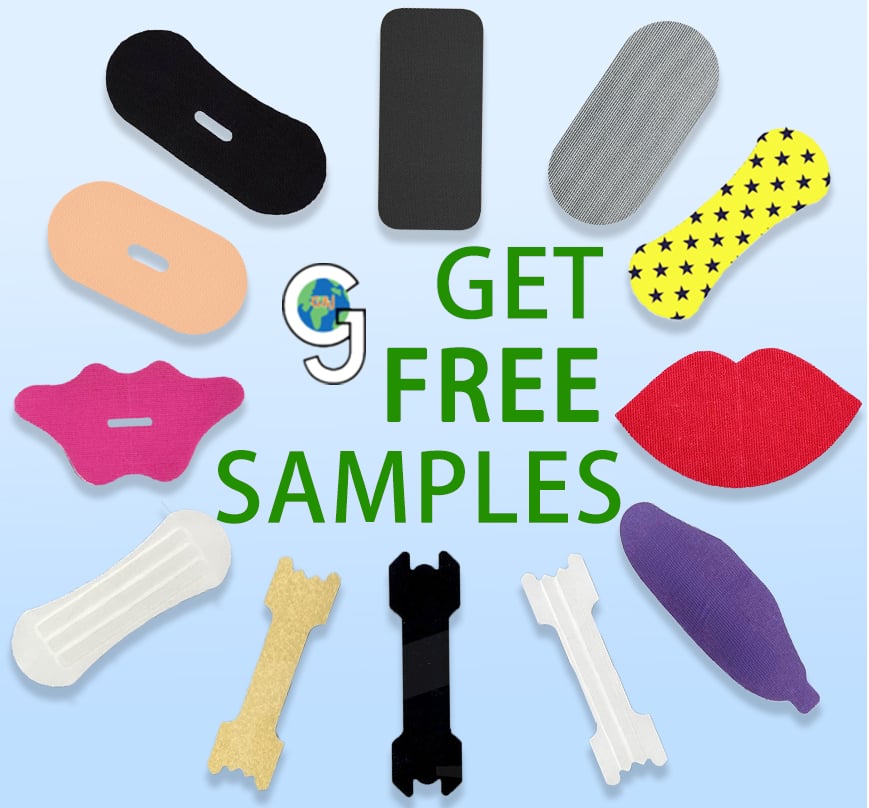
Ergonomic design complements advanced adhesives to boost user acceptance. Perforated centers allow for emergency mouth breathing if nasal congestion occurs, addressing the primary safety concern for new users, while contoured, flexible shapes follow the natural curve of the lips and mouth, eliminating the feeling of a rigid, foreign object. Breathable, moisture-wicking backings prevent sweat and moisture buildup, preserving adhesive strength even in varying sleep environments, and thin, low-profile designs ensure discretion and comfort for side, back, and stomach sleepers alike.
Manufacturers also adhere to strict quality assurance protocols: raw material sourcing is vetted for purity, production facilities maintain sterile conditions, and finished products undergo rigorous testing for adhesive strength, shelf stability, and skin safety. This commitment to quality ensures consistency and reliability—critical for healthcare providers recommending mouth tape to their patients.
Clinical Implementation: Best Practices for Healthcare Providers
Integrating mouth tape into clinical practice effectively requires patient education and protocol alignment, ensuring safe, consistent use and realistic expectations. Healthcare providers play a key role in:
- Screening for appropriateness: Assessing nasal patency first—mouth tape is only recommended for patients with unobstructed nasal breathing—to avoid respiratory distress. Patients with severe sleep apnea, nasal obstructions, asthma, or other respiratory conditions are advised to avoid mouth tape unless under close medical supervision.
- Demonstrating proper application: Teaching patients to apply the tape gently across the lips (not the nostrils) with minimal tension, ensuring a secure hold without restricting facial movement, and how to remove it slowly to prevent skin irritation.
- Setting realistic goals: Clarifying that mouth tape is a behavioral tool that may require a 2–3 night adaptation period, and that it targets mild snoring and mouth breathing—not severe sleep apnea or structural airway issues.
- Integrating into holistic care: Pairing mouth tape with sleep hygiene practices (e.g., consistent sleep times, avoiding caffeine before bed), nasal care (e.g., saline sprays for dryness), and regular follow-up to monitor progress and adjust treatment plans as needed.
Providers also guide patients in product selection, recommending formulations based on skin sensitivity, age, and sleep habits—e.g., pediatric adhesives for children, extra-gentle options for sensitive skin, and standard medical-grade tape for most adults.
Innovation and Future Trends
Mouth tape technology is evolving rapidly, with research and development focused on enhancing functionality and integrating with digital health—extending its role beyond a mechanical tool to a personalized preventive care solution.
Advancements in materials science are yielding next-generation formulations: biodegradable, eco-friendly adhesives that reduce environmental impact; temperature-responsive adhesives that adjust hold based on sleep environment; and antimicrobial-infused tapes that deliver additional oral health benefits by inhibiting harmful bacteria growth overnight. These innovations address consumer demand for sustainability and added value while maintaining the core safety and comfort standards of medical-grade mouth tape.
Digital health integration represents the most exciting frontier: wearable sleep trackers and mobile apps are now being designed to pair with mouth tape use, collecting data on breathing patterns, sleep quality, and adherence. This objective data allows healthcare providers to optimize treatment plans, track progress, and identify when additional interventions are needed. Early prototypes of “smart mouth tape” include embedded micro-sensors that monitor nasal airflow and oxygen levels, providing real-time feedback to users and providers—an innovation that could revolutionize personalized sleep medicine for mild sleep-disordered breathing.
Conclusion
Mouth tape has solidified its position as a cornerstone of preventive sleep and respiratory care, offering a unique blend of simplicity, efficacy, and safety for consumers and clinical settings alike. Rooted in the physiological benefits of nasal breathing, it addresses common sleep-related concerns—from snoring to poor sleep quality—without the complexity of invasive treatments, making it accessible to a broad range of users. Modern advancements in material science and design have elevated its comfort and reliability, while clinical guidelines ensure safe, effective implementation in preventive care protocols.
As preventive healthcare continues to prioritize non-invasive, evidence-based solutions, mouth tape’s role will only expand—driven by ongoing innovation in materials and digital health integration. For healthcare providers, it is a valuable tool to add to holistic sleep medicine plans; for consumers, it is an easy-to-adopt habit that fosters long-term respiratory and sleep health. In a world where sleep quality is increasingly recognized as a pillar of overall wellness, mouth tape stands as a testament to how simple, science-backed interventions can deliver meaningful, lasting health benefits.
One-Stop Custom Tape & Patch Supplier, Fully Certified & Safety Guaranteed
Name: Vicky Zhou
Call/Text: +86 198 0595 7675
Email: [email protected]
Website:https://www.hlktape.com
YouTube:https://www.youtube.com/@HLKTape