
 EN
EN


Adhesive Safety Requirements for Lip Area Products
The delicate nature of lip area skin demands exceptional attention to adhesive safety requirements when developing products for this sensitive region. Medical-grade adhesive products applied near or on the lips must undergo rigorous testing protocols to ensure biocompatibility, hypoallergenic properties, and skin irritation prevention. Understanding these adhesive safety requirements becomes crucial for manufacturers developing mouth tapes, lip patches, and similar therapeutic applications that require secure yet gentle adhesion to perioral tissues.
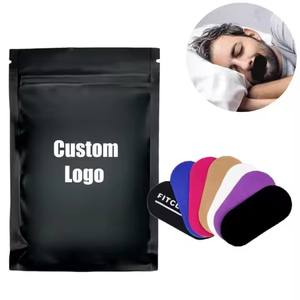
Healthcare professionals and product developers must navigate complex regulatory landscapes while prioritizing patient safety in lip area applications. The unique physiological characteristics of perioral skin, including its increased vascularity and thinner epidermal layer, necessitate specialized adhesive formulations that meet stringent safety standards. These adhesive safety requirements encompass chemical composition analysis, dermatological testing protocols, and long-term biocompatibility assessments specifically designed for oral cavity proximity applications.
Regulatory Framework for Lip Area Adhesives
FDA Guidelines and Medical Device Classifications
The Food and Drug Administration establishes comprehensive adhesive safety requirements for products intended for lip area use through specific medical device classifications. Class I and Class II medical devices utilizing adhesives near oral cavities must demonstrate compliance with biocompatibility standards outlined in ISO 10993 series testing protocols. These regulations mandate extensive cytotoxicity testing, sensitization studies, and irritation assessments to ensure adhesive materials do not pose risks to mucosal tissues or surrounding skin structures.
Manufacturers must provide detailed documentation of adhesive composition, including all chemical constituents and their potential interactions with oral environment conditions. The regulatory framework requires submission of clinical data supporting safety claims, particularly focusing on adhesive safety requirements related to prolonged skin contact and potential ingestion risks. Quality management systems must incorporate continuous monitoring protocols to track adverse events and maintain compliance with evolving safety standards.
International Standards and Harmonization
Global harmonization efforts have established unified adhesive safety requirements across major regulatory jurisdictions, facilitating international market access for compliant products. The International Organization for Standardization provides detailed guidelines for medical adhesive testing, including specific protocols for products intended for facial and oral area applications. These standards address material characterization, sterilization compatibility, and packaging integrity requirements essential for maintaining product safety throughout distribution chains.
European Union Medical Device Regulation and similar international frameworks emphasize risk-based approaches to adhesive safety requirements, requiring manufacturers to conduct comprehensive risk assessments considering user demographics, application duration, and environmental exposure factors. Post-market surveillance obligations ensure ongoing compliance with safety standards through systematic collection and analysis of real-world performance data from healthcare providers and end users.
Chemical Composition and Biocompatibility Standards
Hypoallergenic Material Selection
Selecting appropriate adhesive materials for lip area applications requires careful consideration of molecular structure, chemical reactivity, and potential allergenicity profiles. Silicone-based adhesives often meet adhesive safety requirements for sensitive skin applications due to their inert chemical properties and reduced likelihood of triggering allergic reactions. Hydrocolloid formulations provide alternative solutions for users requiring extended wear times while maintaining gentle adhesion characteristics suitable for delicate perioral tissues.
Material selection processes must evaluate cross-reactivity potential with common environmental allergens and food substances that may contact lip area products during normal use. Comprehensive allergen databases inform formulation decisions, ensuring adhesive safety requirements address known sensitizing agents including latex proteins, acrylates, and preservative compounds commonly found in personal care products. Quality control testing validates hypoallergenic claims through standardized patch testing protocols using representative population samples.
Cytotoxicity and Sensitization Testing
Laboratory-based cytotoxicity assessments form the foundation of adhesive safety requirements for lip area products, utilizing established cell culture methodologies to evaluate potential cellular damage from adhesive components. ISO 10993-5 testing protocols measure cell viability following direct and indirect contact with adhesive materials, providing quantitative data on cellular compatibility essential for regulatory submissions and safety documentation.
Sensitization studies employing guinea pig maximization tests or local lymph node assays evaluate the potential for adhesive materials to induce delayed hypersensitivity reactions in susceptible individuals. These adhesive safety requirements ensure products do not cause progressive sensitization with repeated exposure, particularly important for therapeutic applications requiring daily or frequent use patterns. Advanced testing methodologies incorporate human tissue models and ex-vivo testing systems to provide more clinically relevant safety data.
Skin Irritation Prevention and Dermatological Considerations
Perioral Skin Physiology and Vulnerability Factors
The perioral region presents unique physiological challenges for adhesive applications due to increased sebaceous gland density, frequent moisture exposure, and dynamic skin movement during facial expressions and oral functions. Understanding these anatomical characteristics informs adhesive safety requirements that account for enhanced absorption potential and increased sensitivity to chemical irritants in this facial region. Dermatological research demonstrates that lip area skin exhibits reduced barrier function compared to other facial areas, necessitating specialized adhesive formulations.
Clinical studies reveal that perioral skin shows heightened reactivity to mechanical stress and chemical exposure, making gentle adhesion mechanisms essential for preventing tissue damage. These findings directly impact adhesive safety requirements by establishing maximum allowable adhesion strength values and recommended application duration limits for lip area products. Demographic factors including age, gender, and underlying skin conditions influence individual tolerance levels and must be considered in safety assessment protocols.
Moisture Management and Adhesion Integrity
Effective moisture management represents a critical component of adhesive safety requirements for lip area products, as excessive humidity can compromise adhesion while potentially increasing skin maceration risks. Advanced adhesive formulations incorporate moisture-wicking properties and breathable backing materials to maintain optimal skin environment conditions during extended wear periods. These design considerations prevent bacterial growth and reduce inflammation potential associated with prolonged moisture retention.
Adhesion integrity testing evaluates performance under various environmental conditions including temperature fluctuations, humidity changes, and mechanical stress typical of normal facial movements. These adhesive safety requirements ensure products maintain therapeutic efficacy while preventing unexpected detachment that could create safety hazards or reduce treatment effectiveness. Quality assurance protocols include accelerated aging studies and real-world performance validation through controlled clinical trials.
Application Duration and Removal Safety Protocols
Recommended Wear Time Limitations
Establishing appropriate wear time limitations forms an essential component of adhesive safety requirements for lip area products, balancing therapeutic effectiveness with skin health preservation. Clinical research indicates that prolonged adhesive contact exceeding recommended duration limits increases risks of skin irritation, allergic reactions, and tissue damage in sensitive perioral areas. Evidence-based guidelines recommend maximum continuous wear periods based on adhesive type, skin condition, and individual tolerance factors.
Healthcare providers must educate patients on proper application duration protocols to ensure optimal safety outcomes while maintaining treatment compliance. These adhesive safety requirements include specific instructions for recognizing early signs of skin irritation and appropriate response protocols for managing adverse reactions. Documentation systems track individual patient responses to establish personalized wear time recommendations that optimize therapeutic benefits while minimizing safety risks.
Gentle Removal Techniques and Skin Protection
Proper removal techniques significantly impact overall safety outcomes for lip area adhesive products, requiring specific protocols that minimize mechanical trauma to delicate perioral tissues. Adhesive safety requirements mandate inclusion of detailed removal instructions with product labeling, emphasizing gentle peeling motions and use of appropriate removal aids when necessary. Educational materials demonstrate correct removal angles and speeds to prevent skin stretching or tearing that could result in tissue damage.
Post-removal skin care recommendations form integral components of comprehensive safety protocols, including gentle cleansing procedures and moisturizing treatments to restore natural skin barrier function. These adhesive safety requirements ensure users understand proper aftercare techniques that promote skin recovery and prepare tissues for subsequent applications when medically indicated. Quality monitoring systems collect user feedback on removal experiences to identify potential safety improvements and refine removal protocols.
Quality Control and Manufacturing Standards
Good Manufacturing Practice Implementation
Manufacturing facilities producing lip area adhesive products must implement comprehensive Good Manufacturing Practice systems that ensure consistent quality and safety throughout production processes. These adhesive safety requirements encompass raw material verification, in-process testing protocols, and finished product validation procedures specifically designed for medical-grade adhesive applications. Quality management systems incorporate statistical process control methodologies to identify and correct potential safety deviations before products reach end users.
Environmental controls within manufacturing areas maintain optimal conditions for adhesive processing while preventing contamination that could compromise product safety. These adhesive safety requirements include air filtration systems, temperature and humidity monitoring, and personnel hygiene protocols that protect product integrity throughout manufacturing cycles. Validation studies demonstrate process capability and reproducibility essential for maintaining consistent safety performance across production batches.
Batch Testing and Release Criteria
Comprehensive batch testing protocols ensure every production lot meets established adhesive safety requirements before release to distribution channels. Testing procedures evaluate adhesive performance characteristics including tack levels, cohesive strength, and peel adhesion values that directly impact user safety and product effectiveness. Microbiological testing confirms sterility or bioburden levels appropriate for intended use applications while chemical analysis verifies absence of harmful contaminants.
Release criteria incorporate safety margins based on clinical data and regulatory requirements to ensure products consistently perform within safe operational parameters. These adhesive safety requirements include stability testing data that predicts product performance throughout labeled shelf life periods under various storage conditions. Documentation systems maintain complete batch records enabling rapid identification and recall of products that may not meet safety specifications.
Clinical Testing and Human Subject Studies
Patch Testing Protocols and Skin Compatibility
Clinical patch testing represents the gold standard for evaluating adhesive safety requirements in human subjects, providing direct evidence of skin compatibility and allergenic potential. Standardized testing protocols utilize representative population samples that include individuals with sensitive skin conditions and known chemical sensitivities to identify potential safety concerns before market introduction. These studies employ internationally recognized patch testing methodologies with appropriate positive and negative controls to ensure reliable results.
Dermatological evaluation techniques assess both immediate and delayed hypersensitivity reactions following controlled adhesive exposure periods. These adhesive safety requirements include photographic documentation of skin responses and standardized scoring systems that quantify irritation severity levels. Statistical analysis of clinical data provides confidence intervals for safety claims and identifies demographic factors that may influence individual tolerance levels.
Long-term Safety Monitoring and Post-Market Surveillance
Extended clinical monitoring programs evaluate long-term safety outcomes for users of lip area adhesive products through systematic data collection and analysis procedures. These adhesive safety requirements encompass adverse event reporting systems, user satisfaction surveys, and healthcare provider feedback mechanisms that identify emerging safety trends or previously unrecognized risks. Longitudinal studies track skin health outcomes over extended periods to validate safety assumptions and inform product improvements.
Post-market surveillance activities include periodic safety reviews that analyze accumulated clinical data to identify potential safety signals requiring investigation or regulatory notification. These adhesive safety requirements ensure ongoing compliance with evolving safety standards while providing early warning systems for emerging safety concerns that may require product modifications or enhanced user education initiatives.
FAQ
What testing is required to demonstrate adhesive safety for lip area products
Comprehensive testing for lip area adhesive products must include cytotoxicity studies using ISO 10993-5 protocols, sensitization testing through guinea pig maximization or local lymph node assays, and skin irritation evaluations using standardized patch testing methodologies. Additional requirements include chemical characterization of all adhesive components, sterility or bioburden testing appropriate for intended use, and clinical studies demonstrating safety in representative user populations. These adhesive safety requirements ensure products meet regulatory standards while protecting user health.
How long can adhesive products safely remain on lip area skin
Recommended wear times for lip area adhesive products typically range from 8 to 12 hours maximum for single applications, depending on adhesive type and individual skin sensitivity factors. Clinical studies establish these adhesive safety requirements based on skin tolerance data and risk-benefit analysis for specific therapeutic applications. Users should remove products immediately if irritation develops and allow skin recovery periods between applications to prevent cumulative damage or sensitization reactions.
What ingredients should be avoided in lip area adhesive formulations
Adhesive formulations for lip area use should avoid known sensitizing agents including latex proteins, formaldehyde-releasing preservatives, and certain acrylate compounds that may cause allergic reactions. These adhesive safety requirements also exclude ingredients with high penetration potential that could be absorbed through perioral skin and potentially cause systemic effects. Manufacturers must conduct thorough allergen screening and maintain updated databases of problematic ingredients to ensure product safety.
How are adverse reactions to lip area adhesives properly managed
Proper management of adverse reactions requires immediate product removal using gentle techniques to minimize additional skin trauma, followed by thorough cleansing with mild soap and water. These adhesive safety requirements include application of appropriate topical treatments such as mild corticosteroids or barrier creams as recommended by healthcare providers. Severe reactions require medical evaluation and may necessitate patch testing to identify specific allergens, while all adverse events should be reported to manufacturers and regulatory authorities for safety monitoring purposes.
One-Stop Custom Tape & Patch Supplier, Fully Certified & Safety Guaranteed
Name: Vicky Zhou
Call/Text: +86 198 0595 7675
Email: [email protected]
Website:https://www.hlktape.com
YouTube:https://www.youtube.com/@HLKTape