 EN
EN


How Do Mouth Tapes Improve Sleep Quality?
Sleep quality has become a critical concern for millions of people worldwide, with various factors contributing to restless nights and inadequate recovery. Among the innovative solutions gaining attention in the wellness community, mouth tapes have emerged as a simple yet effective tool for addressing common sleep disruptions. These specialized adhesive strips work by encouraging nasal breathing during sleep, which can lead to numerous physiological benefits that directly impact sleep quality and overall health outcomes.
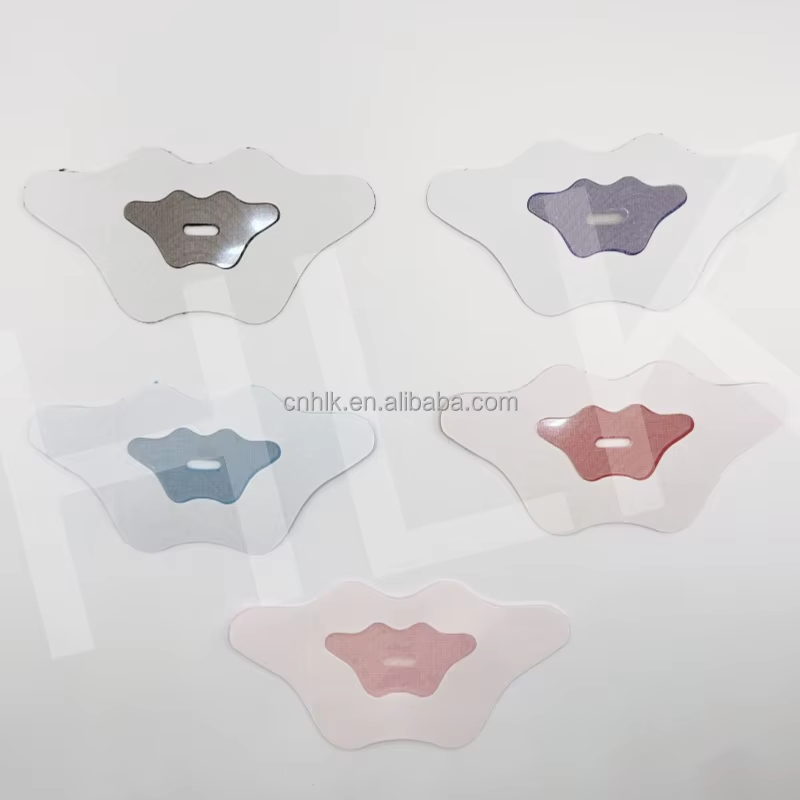
The connection between breathing patterns and sleep quality is more profound than many people realize. When individuals breathe through their mouths during sleep, it can trigger a cascade of physiological changes that disrupt natural sleep cycles and reduce the restorative benefits of rest. Mouth tapes serve as a gentle reminder to maintain nasal breathing throughout the night, promoting deeper, more efficient sleep patterns that leave users feeling more refreshed and energized upon waking.
Understanding how mouth tapes function requires examining the fundamental differences between nasal and oral breathing. The nasal passages are specifically designed to filter, warm, and humidify incoming air while producing nitric oxide, a compound that enhances oxygen absorption and circulation. When people resort to mouth breathing during sleep, they bypass these natural mechanisms, potentially leading to dry mouth, throat irritation, and compromised sleep architecture that prevents optimal recovery.
The Science Behind Nasal Breathing and Sleep Enhancement
Physiological Benefits of Nasal Breathing
Nasal breathing activates the parasympathetic nervous system, which is responsible for the body's rest and digest response. This activation helps lower heart rate, reduce blood pressure, and promote the release of hormones that facilitate deep, restorative sleep. The nasal passages also contain specialized cells that detect airflow patterns and communicate with the brain to optimize breathing rhythm and depth throughout different sleep stages.
The filtration system within the nasal cavity removes particles, allergens, and pathogens that could otherwise irritate the respiratory system and disrupt sleep. Additionally, the production of nitric oxide during nasal breathing enhances blood flow and oxygen delivery to vital organs, supporting cellular repair processes that occur during sleep and contributing to improved cognitive function and physical recovery.
Impact on Sleep Architecture
Research has demonstrated that consistent nasal breathing helps maintain stable sleep architecture, allowing individuals to spend more time in deep sleep and REM stages that are crucial for memory consolidation and physical restoration. Mouth tapes facilitate this natural breathing pattern by providing gentle encouragement to keep the lips sealed throughout the night.
The consistent oxygen saturation levels achieved through nasal breathing help prevent micro-awakenings that can fragment sleep cycles. These brief interruptions, even when not consciously remembered, can significantly impact sleep quality and leave individuals feeling tired despite spending adequate time in bed. By promoting continuous nasal breathing, mouth tapes support uninterrupted sleep cycles that maximize the restorative benefits of each sleep stage.
Addressing Common Sleep Disruptions with Mouth Tapes
Snoring Reduction and Management
Snoring often results from mouth breathing and the subsequent relaxation of throat muscles that can obstruct airflow. Mouth tapes encourage nasal breathing, which helps maintain proper tongue position and reduces the likelihood of airway obstruction that leads to snoring. The improved airflow through the nasal passages creates less turbulence and vibration in the throat tissues, resulting in quieter and more peaceful sleep for both the user and their sleeping partner.
The reduction in snoring intensity and frequency achieved through consistent use of mouth tapes can have profound effects on relationship quality and household sleep dynamics. Partners of chronic snorers often experience fragmented sleep themselves, leading to daytime fatigue and relationship stress. By addressing the root cause of mouth breathing-related snoring, these adhesive strips can improve sleep quality for multiple household members simultaneously.
Dry Mouth and Throat Irritation Prevention
Mouth breathing during sleep exposes oral tissues to constant airflow, leading to dehydration of the mouth and throat that can cause discomfort and increase susceptibility to infections. The natural moisture retention achieved through nasal breathing helps maintain healthy oral tissue hydration levels and supports the immune functions of saliva production throughout the night.
The prevention of dry mouth through the use of mouth tapes also contributes to better dental health by maintaining optimal saliva flow that naturally cleanses the mouth and neutralizes harmful bacteria. This protective mechanism is particularly important during sleep when saliva production naturally decreases, making the mouth more vulnerable to bacterial overgrowth and related complications.
Practical Implementation and User Experience
Proper Application Techniques
Successful implementation of mouth tapes requires understanding proper application methods that ensure comfort and effectiveness throughout the night. The adhesive should be applied to clean, dry skin, and users should practice relaxed nasal breathing before sleep to establish comfort with the restricted mouth opening. Starting with shorter periods of use during waking hours can help individuals adapt to the sensation gradually.
The positioning of mouth tapes is crucial for both comfort and effectiveness, with optimal placement allowing for natural lip positioning while providing sufficient closure to encourage nasal breathing. Users should ensure that the tape does not interfere with natural jaw movement during sleep while maintaining enough adhesion to remain in place throughout the night.
Adaptation Period and Long-term Benefits
Most individuals experience an adaptation period when beginning to use mouth tapes, during which the body adjusts to consistent nasal breathing patterns during sleep. This transition typically involves improved sleep quality metrics within the first few weeks of regular use, including increased sleep efficiency, reduced morning fatigue, and enhanced daytime alertness and cognitive performance.
Long-term users of mouth tapes often report sustained improvements in sleep quality, reduced dependence on sleep medications, and enhanced overall well-being. The consistent practice of nasal breathing during sleep can lead to improved respiratory function during waking hours as well, creating a positive feedback loop that supports overall health and vitality.
Safety Considerations and Best Practices
Medical Consultation and Contraindications
Before incorporating mouth tapes into a sleep routine, individuals should consult with healthcare providers, particularly if they have existing respiratory conditions, sleep disorders, or nasal congestion issues. Certain medical conditions may make mouth tapes inappropriate or require modified application approaches to ensure safety and effectiveness.
People with severe nasal congestion, deviated septums, or other structural abnormalities that significantly impair nasal breathing should address these underlying issues before attempting to use mouth tapes. Additionally, individuals taking medications that affect breathing or consciousness should discuss the appropriateness of mouth tape use with their healthcare providers.
Quality and Material Considerations
The selection of high-quality mouth tapes manufactured from hypoallergenic materials is essential for preventing skin irritation and ensuring comfortable nightly use. Premium mouth tapes feature gentle adhesives that provide secure placement without causing skin damage upon removal, and breathable materials that allow for natural skin respiration throughout the night.
The durability and reliability of mouth tapes directly impact their effectiveness and user satisfaction. Quality products maintain their adhesive properties throughout the night while allowing for easy, pain-free removal in the morning. Users should prioritize products that have undergone safety testing and meet medical device standards for skin contact applications.
FAQ
Are mouth tapes safe to use every night
Mouth tapes are generally safe for nightly use when applied correctly and when users can breathe comfortably through their nose. However, individuals with nasal congestion, respiratory conditions, or sleep apnea should consult healthcare providers before regular use. Quality mouth tapes designed for overnight wear feature gentle adhesives that minimize skin irritation with consistent use.
How long does it take to see improvements in sleep quality
Most users begin noticing improvements in sleep quality within one to two weeks of consistent mouth tape use. Initial benefits often include reduced morning dry mouth, decreased snoring, and improved sleep continuity. Significant improvements in energy levels, cognitive function, and overall well-being typically develop over several weeks as the body adapts to consistent nasal breathing patterns.
Can mouth tapes help with sleep apnea
While mouth tapes may provide some benefits for individuals with mild sleep apnea by promoting nasal breathing and reducing mouth breathing-related airway collapse, they should not be considered a primary treatment for sleep apnea. Anyone with diagnosed or suspected sleep apnea should work with sleep medicine specialists to develop comprehensive treatment plans that may include mouth tapes as a complementary therapy.
What should I do if the tape causes skin irritation
If mouth tapes cause skin irritation, users should discontinue use immediately and allow the skin to heal completely. Switching to hypoallergenic varieties, ensuring proper skin preparation before application, or reducing frequency of use may help prevent future irritation. Persistent skin reactions warrant consultation with dermatologists or healthcare providers to rule out allergic reactions or other underlying conditions.
One-Stop Custom Tape & Patch Supplier, Fully Certified & Safety Guaranteed
Name: Vicky Zhou
Call/Text: +86 198 0595 7675
Email: [email protected]
Website:https://www.hlktape.com
YouTube:https://www.youtube.com/@HLKTape