
 EN
EN


Thickness and Breathability Balance in Mouth Tape
Sleep quality has become a critical concern for millions of people worldwide, with mouth breathing during sleep being one of the primary factors affecting restful nights. The effectiveness of mouth tape solutions depends heavily on achieving the perfect balance between thickness and breathability, ensuring users can maintain nasal breathing while feeling comfortable throughout the night. This delicate equilibrium in mouth tape design has revolutionized sleep hygiene practices and continues to evolve with advanced materials science and user feedback.
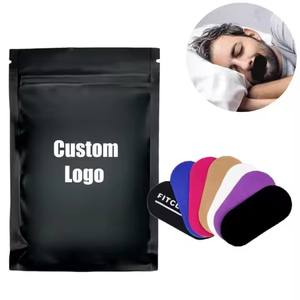
Modern mouth tape manufacturers face the complex challenge of creating products that provide sufficient adhesion to prevent mouth opening while allowing adequate air permeability for safety and comfort. The thickness of mouth tape directly impacts both its structural integrity and breathability characteristics, making this balance crucial for effective sleep improvement solutions. Understanding these material properties helps consumers make informed decisions about their sleep health investments.
Material Science Behind Optimal Thickness
Substrate Layer Composition
The foundation of effective mouth tape lies in its substrate layer, which determines the overall thickness and structural characteristics of the product. Medical-grade materials used in high-quality mouth tape typically range from 0.1 to 0.3 millimeters in thickness, providing the ideal balance between durability and flexibility. These substrates often incorporate breathable polymers that maintain their integrity while allowing controlled air exchange through microscopic pores.
Advanced mouth tape formulations utilize multi-layer construction techniques to optimize thickness distribution across the entire surface area. The central region may feature slightly increased thickness for enhanced adhesion, while the perimeter maintains thinner profiles to reduce skin irritation. This graduated thickness approach ensures maximum comfort while maintaining the primary function of encouraging nasal breathing during sleep periods.
Adhesive Layer Integration
The adhesive component of mouth tape significantly contributes to overall thickness while directly affecting breathability characteristics. Hypoallergenic adhesives used in premium mouth tape products are engineered to maintain consistent bonding strength without completely sealing the lip surface. These specialized formulations create micro-channels that allow minimal air passage while preventing full mouth opening during sleep.
Thickness variations in the adhesive layer can dramatically impact user experience and safety considerations. Thicker adhesive applications may provide stronger hold but can compromise breathability, while thinner layers might allow excessive air leakage that reduces effectiveness. The optimal adhesive thickness typically measures between 0.05 to 0.15 millimeters, carefully calibrated to work harmoniously with the substrate layer.
Breathability Engineering and Performance Metrics
Controlled Porosity Systems
Modern mouth tape incorporates sophisticated porosity control mechanisms that allow predetermined levels of air exchange while maintaining primary functionality. These engineered pore structures are precisely sized to permit emergency breathing while discouraging habitual mouth breathing patterns. The pore density and distribution across the tape surface are carefully calculated based on average respiratory requirements during sleep states.
Breathability testing protocols for mouth tape involve measuring air permeability rates under standardized pressure conditions that simulate real-world usage scenarios. Premium products typically achieve permeability ratings between 15 to 45 cubic centimeters per square meter per second, ensuring adequate safety margins while maintaining therapeutic effectiveness. These measurements guide thickness optimization to achieve the desired breathability characteristics without compromising structural integrity.
Safety Valve Mechanisms
Advanced mouth tape designs incorporate safety valve mechanisms that automatically increase breathability when respiratory demand exceeds normal parameters. These intelligent systems utilize pressure-sensitive materials that expand pore sizes or create temporary openings when detecting elevated breathing effort. The thickness of these responsive zones is precisely engineered to activate at predetermined pressure thresholds while maintaining normal adhesion under typical conditions.
Emergency release features in mouth tape products rely on controlled weakness zones that allow rapid removal when necessary. These engineered failure points are integrated into the thickness profile without compromising normal functionality, providing users with confidence in product safety. The strategic placement and sizing of these features require careful balance between accessibility and structural stability throughout the intended wear duration.
Manufacturing Precision and Quality Control
Thickness Uniformity Standards
Professional mouth tape manufacturing requires extreme precision in thickness control to ensure consistent performance across entire product batches. Automated production systems utilize laser measurement technology to monitor thickness variations within tolerances of ±0.01 millimeters, ensuring every piece meets established specifications. This level of precision is essential for maintaining predictable breathability characteristics and user comfort across all products.
Quality assurance protocols for mouth tape thickness involve comprehensive testing at multiple production stages, from raw material inspection through final product validation. Statistical process control methods track thickness variations and trigger immediate adjustments when measurements drift outside acceptable parameters. These rigorous standards ensure that consumers receive products with consistent performance characteristics regardless of production batch or manufacturing date.
Breathability Validation Testing
Comprehensive breathability testing for mouth tape involves sophisticated laboratory equipment that simulates various breathing patterns and environmental conditions. These tests evaluate air permeability under different temperature and humidity levels that users might encounter during sleep. The correlation between thickness measurements and breathability performance helps manufacturers optimize formulations for specific target markets and user requirements.
Real-world performance validation involves clinical studies that monitor actual user experiences with different thickness and breathability combinations. These studies provide valuable feedback about comfort levels, effectiveness ratings, and safety considerations that laboratory testing alone cannot capture. The data collected from these comprehensive evaluations guides continuous improvement in mouth tape design and manufacturing processes.
User Experience Optimization Through Design
Comfort Engineering Principles
The relationship between mouth tape thickness and user comfort extends beyond simple material properties to include ergonomic design considerations that enhance overnight wearability. Thinner profiles generally provide better conformability to facial contours, while adequate thickness ensures durability throughout extended wear periods. Achieving optimal comfort requires careful consideration of how thickness affects flexibility, adhesion distribution, and removal characteristics.
User feedback studies consistently indicate that mouth tape thickness significantly impacts perceived comfort and willingness to continue regular use. Products that achieve the ideal thickness balance report higher user satisfaction rates and better long-term compliance with sleep improvement protocols. These insights drive ongoing refinements in thickness optimization and breathability engineering to enhance overall user experience.
Customization and Individual Adaptation
Advanced mouth tape products offer thickness customization options that allow users to select optimal configurations based on their individual needs and preferences. These personalized solutions may include variable thickness zones, adjustable breathability settings, or modular components that can be combined for specific requirements. The ability to fine-tune thickness and breathability characteristics helps maximize effectiveness while ensuring comfortable long-term use.
Individual adaptation protocols help users identify their optimal thickness and breathability preferences through systematic testing approaches. These gradual introduction methods begin with thinner, more breathable options and progress toward configurations that provide maximum therapeutic benefit. This personalized approach reduces initial resistance and builds confidence in mouth tape effectiveness while maintaining safety throughout the adaptation process.
Innovation Trends and Future Development
Smart Material Integration
Emerging technologies in mouth tape development include smart materials that automatically adjust thickness and breathability in response to changing physiological conditions during sleep. These adaptive systems utilize temperature-sensitive polymers, pH-responsive materials, or moisture-activated mechanisms to optimize performance throughout the night. The integration of these advanced materials represents the next generation of thickness and breathability balance in sleep improvement solutions.
Nanotechnology applications in mouth tape manufacturing enable unprecedented control over thickness uniformity and breathability characteristics at the molecular level. These innovations allow for the creation of gradient thickness profiles and variable porosity zones that were previously impossible to achieve with conventional manufacturing techniques. The precision enabled by these advanced methods promises significant improvements in both safety and effectiveness for future mouth tape products.
Biocompatibility Advancements
Recent developments in biocompatible materials for mouth tape applications focus on reducing thickness requirements while maintaining superior breathability and adhesion performance. These new formulations utilize biomimetic designs inspired by natural respiratory systems to achieve optimal air exchange characteristics. The reduced thickness requirements contribute to improved comfort while advanced porosity engineering ensures adequate safety margins for all users.
Sustainability considerations in mouth tape development drive innovations toward biodegradable materials that maintain optimal thickness and breathability characteristics throughout their functional lifecycle. These environmentally conscious designs require careful balance between performance requirements and ecological responsibility, pushing manufacturers to explore novel material combinations and processing techniques that meet both criteria effectively.
FAQ
What is the ideal thickness for mouth tape to ensure both effectiveness and comfort
The optimal mouth tape thickness typically ranges between 0.15 to 0.25 millimeters, providing sufficient structural integrity while maintaining flexibility and comfort. This thickness range ensures adequate adhesion to prevent mouth opening during sleep while allowing the tape to conform naturally to lip contours. Thicker tapes may cause discomfort or leave residue, while thinner options might not provide reliable adhesion throughout the night.
How does breathability in mouth tape affect sleep safety
Breathability in mouth tape is crucial for sleep safety as it allows emergency air passage if nasal breathing becomes compromised due to congestion or other factors. High-quality mouth tape incorporates controlled porosity that permits minimal air exchange while maintaining primary functionality. This safety feature ensures users can breathe through the tape if necessary while still encouraging beneficial nasal breathing patterns during normal sleep conditions.
Can mouth tape thickness affect skin irritation or allergic reactions
Mouth tape thickness can influence skin irritation potential, with thicker products generally requiring stronger adhesives that may increase sensitivity risks. However, the adhesive formulation and material composition have more significant impact on allergic reactions than thickness alone. Premium mouth tape products use hypoallergenic materials and gentle adhesives regardless of thickness, minimizing irritation risks while maintaining effective performance throughout the intended wear period.
How should users determine the right balance of thickness and breathability for their needs
Users should start with moderately thick, highly breathable mouth tape options and gradually adjust based on their comfort and effectiveness experience. Those with frequent nasal congestion may prefer more breathable options, while users seeking maximum mouth-breathing prevention might choose slightly thicker configurations. Consulting with healthcare providers and keeping a sleep diary can help identify the optimal thickness and breathability combination for individual sleep improvement goals and safety requirements.
One-Stop Custom Tape & Patch Supplier, Fully Certified & Safety Guaranteed
Name: Vicky Zhou
Call/Text: +86 198 0595 7675
Email: [email protected]
Website:https://www.hlktape.com
YouTube:https://www.youtube.com/@HLKTape