
 EN
EN


Adhesive Selection and Skin Safety in NasalStrips
When selecting effective nasal strips for better breathing during sleep or physical activity, understanding the critical relationship between adhesive technology and skin safety becomes paramount. Modern nasal strips have evolved significantly from their early iterations, incorporating advanced materials science to deliver superior performance while maintaining gentle contact with sensitive facial skin. The effectiveness of nasal strips depends heavily on the careful balance between strong adhesion that maintains position throughout the night and gentle formulations that prevent skin irritation or damage upon removal.
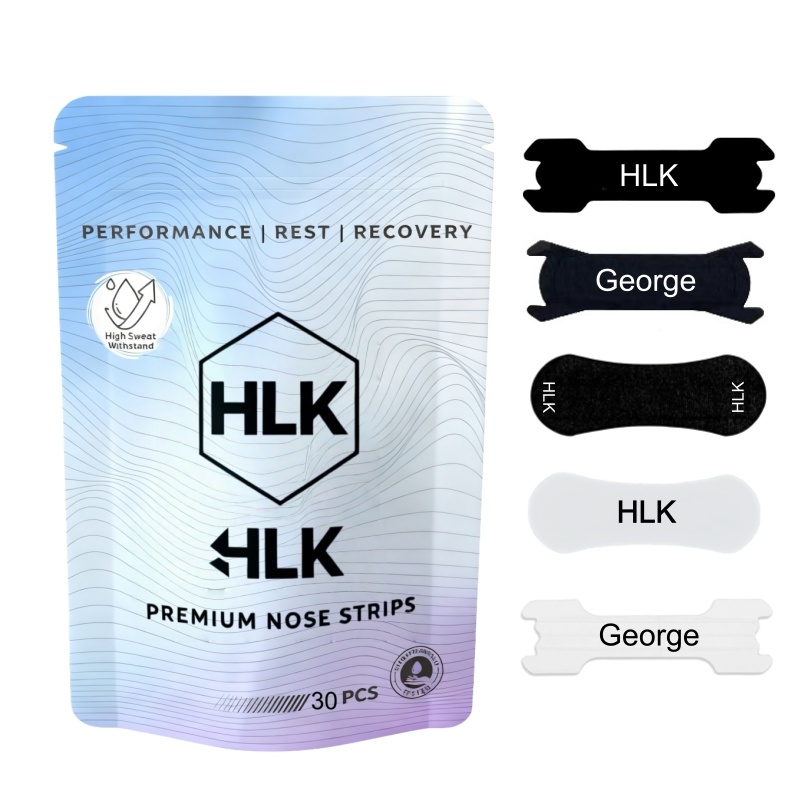
The science behind effective nasal strips involves sophisticated engineering that addresses multiple user concerns simultaneously. Quality nasal strips must provide consistent lift to nasal passages while accommodating various skin types, moisture levels, and environmental conditions. This delicate balance requires manufacturers to invest heavily in research and development, testing numerous adhesive formulations against diverse user scenarios to ensure optimal performance across different demographics and usage patterns.
Advanced Adhesive Technologies in Modern Nasal Strip Design
Medical-Grade Adhesive Formulations
Contemporary nasal strips utilize medical-grade adhesives specifically engineered for prolonged skin contact without causing irritation or allergic reactions. These advanced formulations incorporate hypoallergenic compounds that maintain their bonding strength even when exposed to perspiration, humidity, or minor facial movements during sleep. The development of these specialized adhesives represents years of collaborative research between dermatologists, materials scientists, and sleep specialists to create products that perform reliably across diverse user conditions.
The molecular structure of these medical-grade adhesives allows for controlled release properties, meaning they maintain optimal adhesion during use but release cleanly upon removal without leaving residue or causing skin trauma. This sophisticated chemistry involves polymer chains designed to respond predictably to temperature variations and moisture levels, ensuring consistent performance regardless of environmental factors or individual physiological differences that might affect traditional adhesive materials.
Breathable Substrate Integration
Modern nasal strips incorporate breathable substrate materials that work synergistically with advanced adhesive systems to promote healthy skin interaction during extended wear periods. These breathable materials allow natural skin respiration while maintaining the structural integrity necessary for effective nasal passage dilation. The integration of micro-porous technologies ensures that trapped moisture and natural skin oils can escape, preventing the buildup of irritating substances that could compromise both comfort and adhesive performance.
The engineering behind breathable substrates involves careful consideration of porosity, flexibility, and durability requirements that must function harmoniously with the adhesive layer. This multi-layered approach to nasal strips design ensures that users experience optimal comfort throughout their sleep cycle while receiving consistent therapeutic benefits from improved nasal airflow. The substrate materials undergo extensive biocompatibility testing to ensure they meet stringent medical device standards for skin contact applications.
Skin Compatibility and Safety Considerations
Dermatological Testing Protocols
Comprehensive dermatological testing represents a crucial component in the development of safe and effective nasal strips, involving multiple phases of clinical evaluation to assess skin compatibility across diverse user populations. These testing protocols examine both immediate skin reactions and long-term effects of repeated use, providing manufacturers with detailed data about potential sensitization risks and optimal usage guidelines. Dermatological testing for nasal strips typically includes patch testing, irritation studies, and sensitization assessments conducted according to internationally recognized standards.
The testing process involves controlled studies with volunteers representing various skin types, ages, and sensitivity levels to ensure that nasal strips perform safely across the broadest possible user demographic. This comprehensive approach to safety validation helps identify potential issues before products reach the market, while also providing valuable data for usage recommendations and contraindication guidelines that help users make informed decisions about product suitability for their individual circumstances.
Hypoallergenic Material Selection
The selection of hypoallergenic materials for nasal strips involves careful evaluation of every component that comes into contact with user skin, from the primary adhesive layer to the outer substrate and any reinforcing elements. Manufacturers must consider the allergenic potential of individual ingredients as well as their interactions when combined in the final product formulation. This process requires extensive knowledge of common skin sensitizers and the ability to formulate effective alternatives that maintain product performance while minimizing allergic reaction risks.
Quality nasal strips undergo rigorous ingredient screening to eliminate known allergens such as latex, formaldehyde, and various chemical preservatives that could trigger adverse reactions in sensitive individuals. The hypoallergenic designation requires documented evidence of reduced allergenic potential through clinical testing and careful manufacturing processes that prevent cross-contamination with allergenic substances during production.
Performance Optimization Through Materials Science
Structural Engineering for Consistent Lift
The structural engineering of nasal strips involves sophisticated calculations to determine optimal spring tension, material flexibility, and geometric dimensions that work together to provide consistent nasal passage dilation throughout the wear period. This engineering process must account for variations in nasal anatomy, skin elasticity, and the dynamic forces generated by breathing, facial expressions, and sleep movements. Advanced nasal strips incorporate memory materials that maintain their lifting force even when subjected to repeated stress cycles during normal use.
The development of these structural elements requires extensive biomechanical testing to validate performance across different user scenarios and anatomical variations. Engineers utilize computer modeling and physical testing to optimize the spring characteristics that provide effective nasal dilation while remaining comfortable for extended wear periods. This scientific approach to structural design ensures that nasal strips deliver therapeutic benefits consistently across diverse user populations and usage conditions.
Environmental Durability Features
Environmental durability in nasal strips encompasses resistance to moisture, temperature variations, and mechanical stress that users commonly encounter during sleep or physical activity. These durability features ensure that nasal strips maintain their effectiveness even when exposed to perspiration, humid conditions, or the mechanical forces generated by pillow contact and sleep position changes. Advanced nasal strips incorporate moisture-resistant barriers and temperature-stable adhesives that perform reliably across a wide range of environmental conditions.
The testing protocols for environmental durability involve exposing nasal strips to accelerated aging conditions, moisture cycles, and mechanical stress testing that simulates extended use scenarios. This comprehensive evaluation process helps manufacturers identify potential failure modes and optimize product formulations for maximum reliability. The resulting products provide users with confidence that their nasal strips will perform consistently regardless of environmental factors or usage intensity.
Application Techniques and Best Practices
Proper Skin Preparation Methods
Effective application of nasal strips begins with proper skin preparation that ensures optimal adhesion while minimizing the risk of skin irritation or damage. The skin preparation process involves gentle cleansing to remove oils, lotions, and debris that could interfere with adhesive bonding, followed by complete drying to create ideal conditions for nasal strips attachment. Users should avoid harsh cleansers or alcohol-based products that might over-dry the skin and create conditions for irritation when nasal strips are applied.
The timing of skin preparation relative to nasal strips application plays a crucial role in achieving optimal results, as freshly cleansed skin provides the best adhesive interface while avoiding the complications that can arise from residual cleansing products or excessive skin manipulation. Proper skin preparation techniques also involve assessment of skin condition to identify any existing irritation, cuts, or sensitivity that might contraindicate nasal strips use or require modified application approaches.
Optimal Placement and Positioning
The placement and positioning of nasal strips significantly impacts both their effectiveness and user comfort, requiring careful attention to anatomical landmarks and individual nasal structure variations. Optimal positioning involves centering the nasal strips across the bridge of the nose at the point where maximum lift can be achieved without creating excessive tension on surrounding skin areas. The positioning process should account for individual differences in nasal width, bridge height, and nostril orientation that affect how nasal strips interact with the underlying anatomical structures.
Proper positioning techniques also involve gradual application pressure that allows the adhesive to conform to skin contours without creating air bubbles or uneven adhesion patterns that could compromise performance. Users should avoid repositioning nasal strips after initial placement, as this can reduce adhesive effectiveness and increase the risk of skin irritation from repeated manipulation of the adhesive interface.
Removal Techniques and Aftercare
Safe Removal Procedures
Safe removal of nasal strips requires specific techniques that minimize skin trauma while ensuring complete adhesive residue elimination. The removal process should begin with gentle moistening of the nasal strips edges using warm water or specialized removal solutions that help soften the adhesive bond without compromising skin integrity. Users should avoid rapid or forceful removal techniques that can cause skin damage or leave adhesive residue that requires harsh removal methods.
The optimal removal technique involves slow, steady peeling action that follows the natural contours of the nose while maintaining consistent tension that gradually releases the adhesive bond. This methodical approach to nasal strips removal helps preserve skin health while ensuring that subsequent applications will have clean, undamaged skin for optimal adhesive performance. Users who experience difficulty with removal should consider using additional moisture or seeking guidance from healthcare providers rather than using excessive force that could cause skin injury.
Post-Removal Skin Care
Post-removal skin care plays an important role in maintaining skin health for users who rely on nasal strips for regular sleep or activity support. The skin care routine should include gentle cleansing to remove any residual adhesive materials, followed by moisturizing to restore skin barrier function that may be temporarily disrupted by adhesive removal. Users should monitor their skin for signs of irritation or sensitivity that might indicate the need for modified usage patterns or alternative product selections.
Long-term skin health maintenance for regular nasal strips users involves periodic assessment of skin condition and adjustment of usage frequency or product types based on individual skin response patterns. Users who develop persistent irritation or sensitivity should consult with dermatologists or healthcare providers to identify potential causes and develop appropriate management strategies that allow continued use of nasal strips when medically beneficial.
FAQ
How often can nasal strips be used safely without causing skin damage
Nasal strips can typically be used nightly for most individuals without causing skin damage, provided proper application and removal techniques are followed consistently. However, users with sensitive skin may benefit from occasional rest periods to allow skin recovery, particularly if any signs of irritation develop. The frequency of safe use depends on individual skin type, the quality of the nasal strips being used, and adherence to proper application and removal procedures that minimize skin stress and trauma.
What should users do if they experience skin irritation from nasal strips
Users experiencing skin irritation from nasal strips should immediately discontinue use and allow the affected skin area to heal completely before considering resumption of use. The irritated skin should be treated with gentle, fragrance-free moisturizers and protected from further irritation while healing occurs. If irritation persists or worsens after discontinuing nasal strips use, users should consult with healthcare providers to rule out allergic reactions or other underlying skin conditions that might require professional treatment.
Are there specific nasal strips formulations for users with extremely sensitive skin
Many manufacturers offer specialized nasal strips formulations designed specifically for users with sensitive skin, featuring extra-gentle adhesives and hypoallergenic materials that minimize irritation risks. These sensitive-skin formulations often incorporate additional testing protocols and ingredient restrictions that reduce the likelihood of adverse reactions while maintaining effective nasal passage dilation. Users with known skin sensitivities should carefully review product specifications and consider consulting with dermatologists before selecting nasal strips to ensure compatibility with their specific skin requirements.
Can nasal strips be used in combination with other skincare products or treatments
Nasal strips can generally be used in combination with most skincare products, but users should allow adequate time between skincare application and nasal strips placement to ensure proper adhesion. Heavy moisturizers, oils, or treatment products applied immediately before nasal strips use may interfere with adhesive bonding and reduce effectiveness. Users undergoing dermatological treatments or using prescription topical medications should consult with healthcare providers to ensure that nasal strips use will not interfere with their treatment regimens or cause unexpected interactions.
One-Stop Custom Tape & Patch Supplier, Fully Certified & Safety Guaranteed
Name: Vicky Zhou
Call/Text: +86 198 0595 7675
Email: [email protected]
Website:https://www.hlktape.com
YouTube:https://www.youtube.com/@HLKTape