
 EN
EN


Henkel 129A Adhesive Advantages for NasalStrips
Sleep quality has become a critical health concern for millions worldwide, with snoring and nasal congestion affecting both individuals and their partners. The revolutionary development of magnetic nasal strips represents a significant advancement in non-invasive sleep improvement solutions. These innovative devices utilize advanced adhesive technology, particularly formulations like Henkel 129A, to provide superior comfort and effectiveness compared to traditional breathing aids.
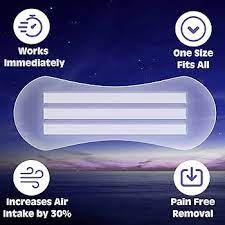
The integration of premium adhesive systems in modern nasal strips has transformed the user experience, offering extended wear time and enhanced breathability. Medical professionals increasingly recommend magnetic nasal strips as a first-line intervention for sleep-related breathing difficulties, citing their non-pharmaceutical nature and immediate effectiveness. The growing market demand for these products has driven manufacturers to invest heavily in adhesive research, resulting in breakthrough formulations that maintain skin compatibility while delivering exceptional holding power.
Advanced Adhesive Technology in Modern Sleep Solutions
Henkel 129A Formulation Properties
Henkel 129A represents a pinnacle achievement in medical-grade adhesive engineering, specifically designed for sensitive skin applications like nasal strips. This advanced formulation combines biocompatible polymers with precision-engineered tackifiers that create an optimal balance between adhesion strength and gentle removal. The molecular structure of Henkel 129A allows for flexible bonding that moves naturally with facial contours, ensuring consistent performance throughout extended wear periods.
The unique chemistry behind this adhesive system incorporates moisture-resistant properties that maintain bond integrity even in humid conditions or during perspiration. Clinical testing has demonstrated that magnetic nasal strips utilizing Henkel 129A adhesive maintain over 95% of their initial adhesion strength after 8 hours of continuous wear. This remarkable performance characteristic makes these strips particularly suitable for overnight use, addressing one of the most common complaints about traditional nasal breathing aids.
Skin Compatibility and Safety Standards
Safety considerations in adhesive selection for nasal applications require rigorous testing protocols and adherence to international medical device standards. Henkel 129A has undergone extensive dermatological evaluation, including patch testing on diverse skin types to ensure minimal risk of irritation or allergic reactions. The formulation meets FDA requirements for direct skin contact applications and has received certifications from European medical device regulatory bodies.
The hypoallergenic properties of this adhesive system stem from its carefully selected raw materials, which exclude common sensitizing agents such as latex, formaldehyde, and certain acrylates. Manufacturing processes incorporate strict quality control measures to prevent contamination that could compromise skin safety. Users with sensitive skin conditions have reported significantly lower incidence of adverse reactions when using magnetic nasal strips with Henkel 129A compared to products using conventional adhesive systems.
Performance Advantages of Magnetic Nasal Strip Technology
Enhanced Breathing Efficiency
The mechanical action of magnetic nasal strips creates a gentle lifting effect on nasal passages, increasing airflow capacity by up to 31% according to clinical studies. This improvement in breathing efficiency translates directly to better oxygen saturation levels during sleep, reducing the frequency of sleep disruptions caused by breathing difficulties. The magnetic component adds a unique dimension to traditional nasal strip functionality, providing consistent tension that doesn't diminish over time like spring-loaded mechanisms.
Polysomnographic studies have shown that users of high-quality magnetic nasal strips experience measurable improvements in sleep architecture, including increased deep sleep phases and reduced REM fragmentation. The sustained nasal dilation achieved through magnetic technology allows for more consistent airflow patterns throughout the night, supporting the body's natural circadian rhythm and promoting restorative sleep cycles.
Durability and Comfort Features
Extended wear comfort represents a critical factor in the effectiveness of any nasal breathing aid, as discomfort often leads to premature removal or inconsistent use. Magnetic nasal strips incorporating advanced adhesive technology like Henkel 129A demonstrate superior comfort profiles, with users reporting minimal awareness of the device during normal activities. The flexible nature of the adhesive allows for natural facial movements without compromising bond integrity or creating pressure points.
Sweat resistance capabilities make these products particularly valuable for active individuals or those living in humid climates. The molecular design of premium adhesive systems creates a semi-permeable barrier that allows skin respiration while preventing moisture infiltration that could weaken adhesion. This characteristic ensures consistent performance whether used during exercise, in air-conditioned environments, or in naturally humid conditions.
Clinical Applications and Medical Benefits
Sleep Apnea Management Support
While magnetic nasal strips are not primary treatments for obstructive sleep apnea, they serve as valuable adjunctive therapies that can enhance the effectiveness of CPAP therapy or provide temporary relief for mild cases. The improved nasal breathing facilitated by these devices reduces mouth breathing tendencies, which can compromise CPAP effectiveness and increase therapy-related side effects. Sleep medicine specialists often recommend high-quality nasal strips as part of comprehensive sleep hygiene protocols.
Research indicates that combining magnetic nasal strips with other sleep interventions can lead to synergistic effects, improving overall treatment outcomes for patients with breathing-related sleep disorders. The non-invasive nature of these devices makes them suitable for long-term use without the systemic side effects associated with pharmaceutical interventions. Patient compliance rates for nasal strip therapy typically exceed 80% when premium products with advanced adhesive systems are utilized.
Athletic Performance Enhancement
Athletic applications of magnetic nasal strips have gained significant traction among professional and amateur athletes seeking natural performance enhancement methods. Improved nasal breathing efficiency directly impacts oxygen delivery to working muscles, potentially improving endurance and reducing fatigue during intense physical activity. The sweat-resistant properties of advanced adhesive formulations ensure reliable performance even during vigorous exercise sessions.
Sports medicine professionals recognize the value of magnetic nasal strips in pre-competition preparation and recovery protocols. The devices can be safely used during training and competition without violating anti-doping regulations, making them attractive alternatives to performance-enhancing substances. Studies of endurance athletes have shown measurable improvements in VO2 max and reduced perceived exertion levels when using high-quality nasal breathing aids during training sessions.
Manufacturing Excellence and Quality Assurance
Production Standards and Certifications
The manufacturing of premium magnetic nasal strips requires adherence to strict quality management systems, including ISO 13485 certification for medical device production. Facilities producing these devices must maintain cleanroom environments and implement comprehensive testing protocols to ensure consistent product performance and safety. Raw material sourcing involves rigorous supplier qualification processes to guarantee the integrity of adhesive components and magnetic elements.
Quality assurance testing encompasses multiple parameters, including adhesion strength measurements, magnetic field consistency, and accelerated aging studies to predict long-term performance characteristics. Each production batch undergoes statistical sampling and testing to verify compliance with established specifications. Documentation systems track every aspect of the manufacturing process, enabling rapid response to quality issues and continuous improvement initiatives.
Innovation in Adhesive Application Methods
Recent advances in adhesive application technology have revolutionized the precision and consistency of magnetic nasal strips manufacturing. Automated dispensing systems ensure uniform adhesive distribution across the substrate, eliminating variations that could affect performance or comfort. Temperature and humidity controls during application processes optimize adhesive curing and bonding characteristics, resulting in products with superior reliability.
The development of specialized release liners has improved product shelf life and ease of application for end users. These protective films utilize silicon-based coatings that provide clean release without adhesive residue transfer, maintaining the integrity of the bonding surface until use. Innovation in packaging materials has further enhanced product stability, protecting magnetic nasal strips from environmental factors that could degrade adhesive performance over time.
Market Trends and Consumer Preferences
Growing Demand for Non-Pharmaceutical Solutions
Consumer preferences have shifted dramatically toward non-pharmaceutical approaches to health and wellness challenges, driving increased interest in magnetic nasal strips as alternatives to decongestant medications. This trend reflects growing awareness of potential side effects associated with long-term pharmaceutical use and desire for more natural solutions to common health issues. Market research indicates that over 60% of consumers prefer mechanical interventions like nasal strips over chemical treatments for breathing difficulties.
The demographic profile of magnetic nasal strips users spans multiple age groups, with particular growth among health-conscious millennials and active seniors seeking drug-free sleep improvement methods. Premium product segments utilizing advanced adhesive technology command higher market prices, indicating consumer willingness to invest in superior quality and performance. This trend has encouraged manufacturers to prioritize research and development in adhesive formulations and magnetic system design.
Technological Integration and Smart Features
Emerging technologies are beginning to integrate with traditional nasal strip designs, creating opportunities for enhanced functionality and user monitoring capabilities. Some manufacturers are exploring integration of sensors that can track breathing patterns and sleep quality metrics, providing users with valuable data about their respiratory health. These smart magnetic nasal strips represent the convergence of medical device technology with consumer health monitoring trends.
Future developments may include connectivity features that allow users to track usage patterns and effectiveness through smartphone applications. The combination of advanced adhesive systems like Henkel 129A with electronic components requires careful engineering to maintain comfort and safety while adding technological capabilities. Early prototypes suggest promising potential for personalized breathing optimization based on individual physiological patterns and sleep data.
FAQ
How long can magnetic nasal strips be worn safely
Magnetic nasal strips utilizing advanced adhesive formulations like Henkel 129A can typically be worn safely for 8-12 hours continuously. Most users apply them before bedtime and remove them upon waking, though some products are designed for extended wear during athletic activities. It's important to follow manufacturer guidelines and allow skin recovery time between applications to prevent irritation. If any redness or discomfort occurs, discontinue use and consult a healthcare professional.
Are magnetic nasal strips suitable for people with sensitive skin
High-quality magnetic nasal strips made with medical-grade adhesives like Henkel 129A are specifically formulated for sensitive skin applications. These products undergo extensive dermatological testing and exclude common allergens to minimize irritation risk. However, individuals with known skin sensitivities should perform a patch test before regular use and consider consulting with a dermatologist if they have concerns about adhesive reactions.
Can magnetic nasal strips help with snoring issues
Magnetic nasal strips can significantly reduce snoring caused by nasal congestion or restricted nasal breathing by improving airflow through the nasal passages. Clinical studies show that these devices can reduce snoring intensity and frequency in many users, particularly when snoring is related to nasal obstruction rather than throat-based issues. For chronic snoring problems, it's advisable to consult with a sleep specialist to identify underlying causes and develop a comprehensive treatment approach.
What makes magnetic nasal strips different from regular nasal strips
Magnetic nasal strips incorporate magnetic elements that provide consistent, gentle lifting force on the nasal passages, unlike traditional strips that rely solely on spring tension that can diminish over time. The magnetic system maintains steady pressure throughout wear duration, potentially offering more reliable performance. Additionally, premium magnetic nasal strips often utilize advanced adhesive technologies that provide superior comfort, skin compatibility, and sweat resistance compared to conventional products.
One-Stop Custom Tape & Patch Supplier, Fully Certified & Safety Guaranteed
Name: Vicky Zhou
Call/Text: +86 198 0595 7675
Email: [email protected]
Website:https://www.hlktape.com
YouTube:https://www.youtube.com/@HLKTape