
 EN
EN


Are NasalStrips Suitable for Cross-Border Sales
Cross-border e-commerce has transformed the way health and wellness products reach global consumers, with nasal strips emerging as a particularly promising category for international expansion. These simple yet effective breathing aids have gained widespread acceptance across diverse markets, making them an attractive option for entrepreneurs and established businesses looking to tap into the growing demand for sleep and respiratory health solutions. The global sleep aids market continues to expand, driven by increasing awareness of sleep disorders and the rising emphasis on wellness products that offer non-pharmaceutical alternatives to common health issues.
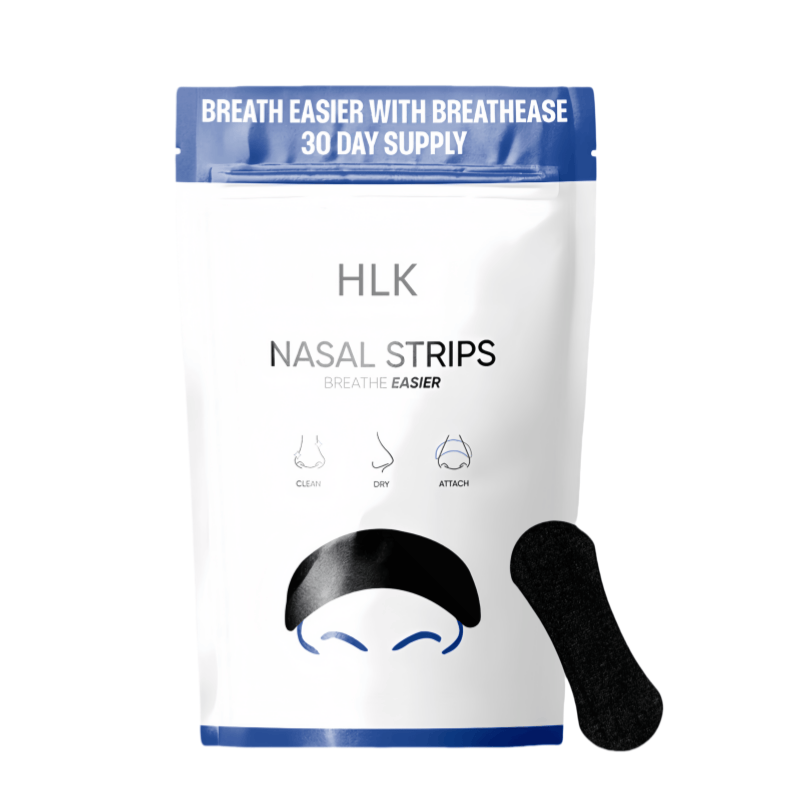
The appeal of nasal strips in international markets stems from their universal application and minimal regulatory barriers compared to other medical devices. Unlike pharmaceutical products that require extensive approvals and certifications in each target country, nasal strips typically fall under cosmetic or general wellness categories, simplifying the cross-border selling process. This regulatory advantage, combined with their proven effectiveness in improving sleep quality and reducing snoring, positions nasal strips as an ideal product for global distribution through various online platforms and traditional retail channels.
Market Demand and Consumer Acceptance
Global Sleep Health Awareness Trends
The increasing global awareness of sleep health has created substantial opportunities for nasal strips across multiple international markets. Research indicates that sleep disorders affect millions of people worldwide, with snoring being one of the most common complaints that impact both sleep quality and relationships. This universal problem has driven consumer interest in non-invasive solutions like nasal strips, which offer immediate relief without the side effects associated with oral medications or the complexity of medical devices requiring professional fitting.
Consumer behavior studies reveal that individuals are increasingly seeking natural and drug-free alternatives to address sleep-related issues. Nasal strips align perfectly with this trend, offering a mechanical solution that works by gently lifting the nasal passages to improve airflow during sleep. The growing health consciousness among consumers, particularly in developed markets like North America, Europe, and parts of Asia, has created a receptive environment for products that promote better sleep hygiene and overall wellness.
Regional Market Variations and Preferences
Different regions exhibit varying preferences and acceptance levels for nasal strips, influenced by cultural attitudes toward health products and local market conditions. In Western markets, consumers often prioritize clinical validation and brand reputation, making quality certifications and transparent manufacturing processes crucial for success. European consumers, in particular, tend to favor products with eco-friendly packaging and sustainable manufacturing practices, presenting opportunities for environmentally conscious nasal strip brands to differentiate themselves.
Asian markets demonstrate strong growth potential for nasal strips, driven by increasing urbanization, rising disposable incomes, and growing awareness of Western wellness trends. Countries like Japan and South Korea show particular interest in innovative health and beauty products, including advanced nasal strip formulations that incorporate additional features such as aromatherapy elements or enhanced adhesive technologies. Understanding these regional preferences is essential for successful cross-border positioning and marketing strategies.
Regulatory Considerations and Compliance
International Standards and Certifications
Successfully selling nasal strips across borders requires careful attention to international regulatory standards and quality certifications. Most countries classify nasal strips as Class I medical devices or cosmetic products, which generally have less stringent regulatory requirements compared to higher-risk medical devices. However, compliance with local standards such as CE marking for European markets, FDA registration for the United States, and ISO quality management systems remains essential for market acceptance and consumer confidence.
The regulatory landscape for nasal strips varies significantly between markets, with some countries requiring specific labeling, safety testing, or registration processes. Sellers must ensure their products meet applicable standards for materials safety, adhesive biocompatibility, and performance claims. Working with experienced regulatory consultants or partnering with local distributors who understand regional compliance requirements can significantly streamline the market entry process and reduce the risk of regulatory issues that could impact sales or brand reputation.
Documentation and Quality Assurance
Proper documentation plays a crucial role in establishing credibility and ensuring smooth customs clearance for cross-border nasal strip shipments. Essential documentation typically includes certificates of analysis, manufacturing quality certifications, product safety testing reports, and compliance declarations for target markets. Maintaining comprehensive quality assurance records not only facilitates international trade but also builds trust with distributors, retailers, and end consumers who increasingly demand transparency in product sourcing and manufacturing processes.
Quality assurance extends beyond regulatory compliance to encompass consistent product performance, packaging integrity, and batch-to-batch reliability. Implementing robust quality control systems throughout the manufacturing and distribution process helps ensure that nasal strips maintain their effectiveness and safety standards regardless of their final destination. This consistency is particularly important for building long-term customer relationships and establishing brand reputation in competitive international markets.
Distribution Channels and Logistics
E-commerce Platform Strategies
E-commerce platforms have become the primary vehicle for cross-border nasal strip sales, offering direct access to international consumers without the need for extensive local infrastructure. Major platforms like Amazon, eBay, and AliExpress provide built-in logistics solutions, payment processing, and customer service capabilities that significantly reduce the barriers to international expansion. These platforms also offer valuable market insights and customer feedback mechanisms that help sellers optimize their products and marketing strategies for different regions.
Success on international e-commerce platforms requires careful attention to product listings, keyword optimization, and cultural adaptation of marketing messages. Nasal strips benefit from clear product imagery, detailed usage instructions, and customer reviews that demonstrate effectiveness across diverse user groups. Platform-specific strategies, such as participating in promotional events, utilizing sponsored advertising, and maintaining competitive pricing, can significantly impact visibility and sales performance in crowded international marketplaces.
Traditional Retail and Distribution Partnerships
While e-commerce dominates cross-border sales, traditional retail channels remain important for establishing brand presence and credibility in international markets. Pharmacy chains, health stores, and general retailers offer opportunities to reach consumers who prefer to purchase nasal strips through familiar brick-and-mortar establishments. Building relationships with local distributors and retail partners requires investment in marketing support, product training, and promotional materials adapted for local markets and languages.
Distribution partnerships can provide valuable market intelligence and help navigate local business practices that may not be apparent to international sellers. Local partners understand consumer preferences, seasonal demand patterns, and competitive dynamics that can inform product positioning and pricing strategies. These partnerships also help establish the local presence necessary for building long-term brand recognition and customer loyalty in target markets.
Manufacturing and Supply Chain Considerations
Production Scalability and Quality Control
Successful cross-border sales of nasal strips require manufacturing capabilities that can scale efficiently to meet international demand while maintaining consistent quality standards. Production facilities must implement robust quality control systems that ensure every batch of nasal strips meets the performance and safety requirements of all target markets. This includes careful selection of raw materials, precise control of adhesive formulations, and rigorous testing protocols that verify product effectiveness and biocompatibility.
Scalability considerations extend beyond basic production capacity to encompass packaging flexibility, customization capabilities, and the ability to respond quickly to market feedback and regulatory changes. Manufacturers successful in cross-border markets often invest in automated production systems that reduce labor costs while improving consistency, and develop flexible packaging solutions that can accommodate different market preferences and regulatory labeling requirements without significant production line changes.
Supply Chain Optimization and Risk Management
Effective supply chain management is critical for maintaining product availability and controlling costs in cross-border nasal strip sales. This involves optimizing inventory levels across different markets, establishing reliable logistics partnerships, and implementing risk mitigation strategies to address potential disruptions from factors such as customs delays, transportation issues, or regulatory changes. Advanced supply chain planning tools can help predict demand patterns and optimize inventory positioning to minimize stockouts while avoiding excessive carrying costs.
Risk management strategies for nasal strips include diversifying supplier bases, maintaining safety stock in key markets, and developing contingency plans for various disruption scenarios. Climate-controlled storage and transportation become particularly important for nasal strips, as temperature and humidity fluctuations can affect adhesive performance and product shelf life. Implementing tracking systems that monitor product conditions throughout the supply chain helps ensure that nasal strips reach consumers in optimal condition regardless of shipping distances or transit times.
Marketing and Consumer Education
Cultural Adaptation and Messaging
Successful marketing of nasal strips in international markets requires careful adaptation of messaging and imagery to resonate with local cultural values and communication preferences. While the core benefits of improved breathing and better sleep quality are universally appealing, the way these benefits are presented must account for cultural attitudes toward health products, sleep habits, and personal wellness. Some cultures may emphasize the medical benefits of nasal strips, while others may focus more on lifestyle enhancement and comfort aspects.
Visual marketing materials must also consider cultural preferences for imagery, color schemes, and design aesthetics that appeal to target demographics. Product demonstrations and usage instructions may need adaptation for different languages and cultural contexts, ensuring that consumers understand proper application techniques and realistic expectations for results. Successful international brands often develop region-specific marketing campaigns while maintaining consistent core messaging about product quality and effectiveness.
Digital Marketing and Social Media Strategies
Digital marketing provides cost-effective opportunities to reach international consumers interested in nasal strips, leveraging social media platforms, search engine optimization, and targeted advertising to build brand awareness and drive sales. Platform preferences vary significantly between regions, with some markets favoring Facebook and Instagram while others respond better to platforms like WeChat, TikTok, or local social networks. Understanding these preferences is essential for developing effective digital marketing strategies that maximize reach and engagement.
Content marketing strategies for nasal strips should focus on education and problem-solving, addressing common questions about snoring, sleep quality, and breathing difficulties while positioning the product as an effective solution. User-generated content, including customer testimonials and before-and-after experiences, can be particularly powerful for building credibility and trust in international markets where brand recognition may be limited. Influencer partnerships with health and wellness advocates can also help establish product credibility and reach engaged audiences interested in sleep improvement solutions.
FAQ
What regulatory approvals are needed for selling nasal strips internationally
Most countries classify nasal strips as Class I medical devices or cosmetic products, requiring minimal regulatory approvals compared to higher-risk medical devices. However, sellers must ensure compliance with local standards such as CE marking for Europe, FDA registration for the United States, and specific quality certifications for other markets. Working with regulatory consultants or local partners familiar with regional requirements can help streamline the approval process and ensure proper compliance documentation.
How do shipping and logistics affect nasal strip cross-border sales
Nasal strips are generally easy to ship internationally due to their lightweight, compact packaging and lack of hazardous materials restrictions. However, temperature and humidity control during transit can be important for maintaining adhesive quality and product shelf life. Sellers should work with logistics partners experienced in health product distribution and consider climate-controlled shipping options for extreme weather conditions or long transit times.
What are the key factors for successful international marketing of nasal strips
Successful international marketing requires understanding local consumer preferences, cultural attitudes toward health products, and preferred communication channels. Key factors include adapting messaging for cultural relevance, utilizing appropriate social media platforms for each region, providing clear product education and usage instructions, and building credibility through quality certifications and customer testimonials. Localizing packaging, instructions, and customer service capabilities also significantly impacts market acceptance.
How can sellers ensure product quality consistency across different markets
Maintaining quality consistency requires implementing robust manufacturing quality control systems, establishing clear specifications for raw materials and finished products, and conducting regular testing throughout the production process. Sellers should also develop standardized packaging and labeling procedures that can accommodate different market requirements while maintaining brand consistency. Working with experienced manufacturers who understand international quality standards and have appropriate certifications helps ensure consistent product performance across all markets.
One-Stop Custom Tape & Patch Supplier, Fully Certified & Safety Guaranteed
Name: Vicky Zhou
Call/Text: +86 198 0595 7675
Email: [email protected]
Website:https://www.hlktape.com
YouTube:https://www.youtube.com/@HLKTape