
 EN
EN


Balancing Cost and Function in Mouth Tape Lines
Manufacturing mouth tape lines requires careful consideration of both production costs and functional performance to meet growing consumer demand for sleep wellness products. The sleep aid market has experienced unprecedented growth, with mouth tape lines emerging as a critical component in addressing snoring and sleep quality issues. Successful manufacturers must navigate complex decisions regarding material selection, adhesive formulations, and production scalability while maintaining competitive pricing structures that appeal to both retailers and end consumers.
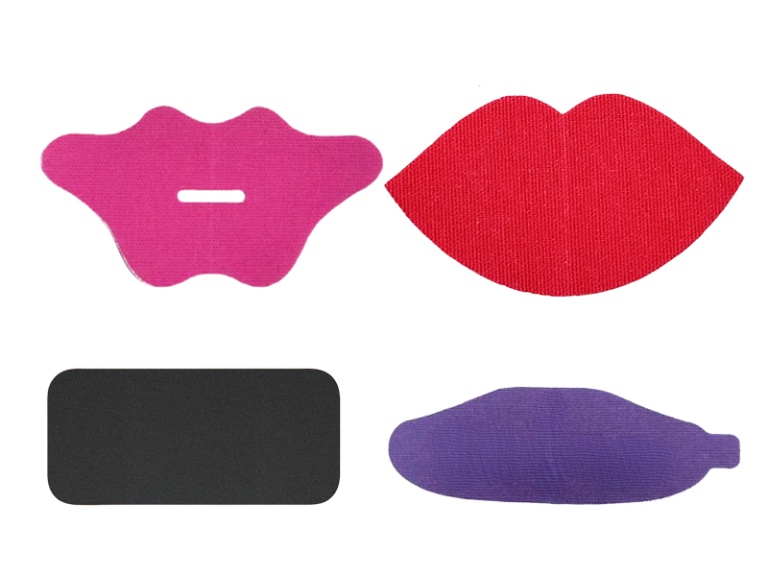
The development of effective mouth tape lines involves sophisticated engineering processes that balance adhesive strength with skin-safe formulations. Modern consumers expect products that provide reliable overnight adhesion without causing irritation or leaving residue upon removal. This dual requirement necessitates investment in advanced hydrogel technologies and hypoallergenic materials that can significantly impact production costs but are essential for market acceptance and regulatory compliance.
Production efficiency becomes paramount when scaling mouth tape lines from prototype to commercial volumes. Manufacturers must optimize their production workflows to achieve consistent quality while managing labor costs and material waste. The integration of automated cutting systems, precision coating equipment, and quality control checkpoints throughout the manufacturing process directly influences the final cost structure and determines pricing competitiveness in the marketplace.
Material Selection and Cost Optimization
Advanced Hydrogel Formulations
The foundation of successful mouth tape lines lies in selecting appropriate hydrogel formulations that deliver consistent performance across varying skin types and environmental conditions. Premium hydrogel materials offer superior adhesion properties while maintaining breathability and comfort throughout extended wear periods. These advanced formulations typically command higher raw material costs but provide significant value through reduced customer complaints and enhanced brand reputation in the competitive sleep wellness market.
Cost-effective hydrogel sourcing requires establishing relationships with specialized chemical suppliers who can provide consistent quality and favorable pricing terms for bulk orders. Manufacturers often negotiate long-term contracts to secure stable pricing for key raw materials while maintaining flexibility to adjust formulations based on customer feedback and regulatory requirements. The investment in premium hydrogel technology for mouth tape lines often yields higher profit margins through premium positioning and reduced warranty claims.
Quality control testing for hydrogel materials involves extensive biocompatibility assessments and adhesion strength measurements that add to development costs but ensure regulatory compliance and consumer safety. These testing protocols become more complex when developing mouth tape lines for sensitive skin applications, requiring additional investment in specialized testing equipment and certified laboratory facilities to validate product performance claims.
Substrate Material Engineering
The backing material used in mouth tape lines significantly impacts both manufacturing costs and end-user experience. Medical-grade substrates provide optimal strength and flexibility but command premium pricing compared to standard materials. Successful manufacturers often develop hybrid approaches that combine cost-effective base materials with specialized surface treatments to achieve desired performance characteristics while maintaining competitive pricing structures.
Substrate thickness and permeability directly influence the breathability and comfort of mouth tape lines during overnight use. Thinner materials reduce raw material costs but may compromise durability and adhesion performance, while thicker substrates provide enhanced structural integrity at increased material expense. Manufacturers must conduct extensive wear testing to determine optimal substrate specifications that balance cost considerations with functional requirements.
Surface treatment technologies for substrate materials can significantly enhance adhesive bonding and improve overall product performance without substantially increasing raw material costs. These treatments often involve corona discharge or plasma processing that modify surface energy characteristics to optimize adhesive interaction. The investment in surface treatment equipment typically pays dividends through improved product consistency and reduced manufacturing defects in mouth tape lines production.
Production Efficiency and Automation
Manufacturing Line Optimization
Efficient production of mouth tape lines requires careful optimization of manufacturing workflows to minimize labor costs while maintaining consistent quality standards. Automated coating systems enable precise adhesive application with minimal waste, reducing both material costs and labor requirements. The initial investment in automated equipment typically generates significant long-term savings through improved production speeds and reduced manual handling requirements.
Die-cutting precision becomes critical when producing mouth tape lines in various shapes and sizes to accommodate different facial anatomies and user preferences. High-precision cutting systems ensure consistent dimensions and clean edges that enhance user experience while minimizing material waste during production. The integration of computer-controlled cutting systems allows manufacturers to quickly adapt to custom specifications without significant setup costs or production delays.
Quality control integration throughout the manufacturing process helps identify defects early and reduces waste associated with rejected products. Automated inspection systems can detect adhesive coverage inconsistencies, substrate defects, and dimensional variations that might compromise product performance. This proactive quality management approach reduces overall production costs by minimizing rework requirements and maintaining high first-pass yield rates for mouth tape lines.
Scalability Considerations
Scaling production capacity for mouth tape lines requires strategic planning to accommodate fluctuating demand patterns while maintaining cost-effective operations. Modular manufacturing systems allow incremental capacity expansion without major infrastructure investments, enabling manufacturers to respond to market growth opportunities while managing financial risk. This approach proves particularly valuable in the rapidly evolving sleep wellness market where demand patterns can shift quickly based on consumer trends and seasonal factors.
Inventory management strategies significantly impact the overall cost structure of mouth tape lines production. Raw material procurement must balance bulk purchasing advantages with storage costs and inventory carrying expenses. Successful manufacturers often implement just-in-time delivery systems for high-volume materials while maintaining strategic stockpiles of specialized components that have longer lead times or limited supplier availability.
Production scheduling optimization helps maximize equipment utilization while minimizing changeover costs between different product variations. Advanced planning systems can coordinate multiple product lines to minimize setup time and material waste during transitions. This operational efficiency becomes increasingly important as manufacturers expand their mouth tape lines offerings to include various sizes, shapes, and adhesive formulations tailored to specific market segments.
Market Positioning and Value Engineering
Consumer Segmentation Strategies
Understanding diverse consumer segments enables manufacturers to develop targeted mouth tape lines that optimize cost-to-value ratios for specific market niches. Premium segments often prioritize advanced features such as hypoallergenic formulations and enhanced comfort, justifying higher production costs through premium pricing. Value-conscious segments may accept simplified formulations in exchange for more accessible pricing, allowing manufacturers to optimize production costs while maintaining market coverage.
Market research indicates that consumers increasingly value transparency regarding ingredients and manufacturing processes when selecting mouth tape lines. This trend creates opportunities for manufacturers to differentiate their products through quality certifications and detailed product information, potentially commanding premium pricing that offsets higher production costs associated with certified processes and premium materials.
Packaging design and presentation significantly influence consumer perception of value in mouth tape lines products. Investment in attractive, informative packaging can enhance perceived value and support premium pricing strategies, while simplified packaging approaches may appeal to cost-conscious consumers. Manufacturers must carefully balance packaging costs with marketing objectives to optimize overall profitability across different market segments.
Regulatory Compliance and Certification
Regulatory requirements for mouth tape lines vary significantly across different markets, creating cost implications that must be factored into pricing strategies. FDA registration processes in the United States involve substantial documentation and testing requirements that add to development costs but enable access to lucrative healthcare markets. European CE marking requirements involve different testing protocols and certification procedures that may require additional investment in specialized testing facilities.
International quality certifications such as ISO 13485 medical device standards can enhance market access and consumer confidence in mouth tape lines products. While certification processes involve significant upfront investment and ongoing compliance costs, they often enable premium pricing and access to institutional customers such as hospitals and sleep clinics. The return on investment for quality certifications typically improves as production volumes increase and certification costs are amortized across larger product volumes.
Ongoing regulatory monitoring and compliance maintenance represent recurring costs that must be incorporated into long-term pricing strategies for mouth tape lines. Changes in regulatory requirements may necessitate product reformulations or additional testing, creating unexpected cost implications that can impact profitability. Successful manufacturers often establish regulatory affairs capabilities to monitor changing requirements and plan proactive compliance strategies.
Innovation and Future Development
Emerging Technologies
Advances in smart materials and sensor integration present opportunities to develop next-generation mouth tape lines with enhanced functionality and user experience. While these technologies currently involve higher development and production costs, they may enable premium pricing and market differentiation as consumer acceptance grows. Early investment in emerging technologies can provide competitive advantages as the market evolves toward more sophisticated sleep wellness solutions.
Biodegradable and sustainable materials are becoming increasingly important in mouth tape lines development as environmental consciousness grows among consumers. While eco-friendly materials often command premium pricing, they can support premium product positioning and appeal to environmentally conscious market segments. The long-term trend toward sustainability suggests that early adoption of green materials may provide competitive advantages despite higher initial costs.
Digital manufacturing technologies such as 3D printing and additive manufacturing may eventually enable customized mouth tape lines production at scale. While current costs remain prohibitive for mass production, these technologies could revolutionize manufacturing economics by enabling on-demand production and eliminating inventory costs. Forward-thinking manufacturers are beginning to explore these technologies for prototype development and limited customization applications.
Market Evolution Trends
The integration of mouth tape lines with digital health platforms and sleep tracking systems represents an emerging trend that could significantly impact product development strategies. Connected products may command premium pricing but require additional investment in software development and data management capabilities. Manufacturers must carefully evaluate the cost-benefit implications of digital integration while considering long-term market evolution trends.
Personalization and customization capabilities are becoming increasingly important in mouth tape lines markets as consumers seek products tailored to their specific needs and preferences. Mass customization technologies may enable efficient production of personalized products without significant cost penalties, creating opportunities for premium positioning and enhanced customer loyalty. The challenge lies in balancing customization capabilities with manufacturing efficiency and cost control.
Global market expansion opportunities require careful consideration of regional cost structures and pricing sensitivities for mouth tape lines products. Manufacturing location decisions can significantly impact production costs through labor rates, material availability, and logistics considerations. Strategic facility placement can optimize total landed costs while providing flexibility to serve diverse international markets with appropriate product formulations and pricing structures.
FAQ
What factors most significantly impact the cost structure of mouth tape lines manufacturing
The primary cost drivers in mouth tape lines manufacturing include raw material selection, particularly hydrogel adhesives and medical-grade substrates, which can account for 40-60% of total production costs. Manufacturing automation and equipment investment significantly influence labor costs and production efficiency, while regulatory compliance and quality certification requirements add substantial development expenses. Packaging, distribution, and marketing costs also contribute meaningfully to the overall cost structure, particularly for premium market positioning.
How do manufacturers balance adhesive performance with cost considerations in mouth tape lines
Successful manufacturers optimize adhesive formulations through extensive testing to identify the minimum adhesive coverage and strength required for reliable overnight performance. This approach avoids over-engineering that increases material costs unnecessarily while ensuring consistent user satisfaction. Many companies develop tiered product lines with different adhesive formulations to serve various market segments, allowing premium products to subsidize more cost-effective offerings while maintaining overall profitability.
What role does production volume play in mouth tape lines cost optimization
Production volume significantly impacts unit costs through economies of scale in raw material procurement, equipment utilization, and fixed cost amortization. Higher volumes enable bulk purchasing discounts for specialized materials and justify investment in automated production equipment that reduces labor costs per unit. However, manufacturers must carefully balance volume commitments with market demand volatility to avoid inventory carrying costs and obsolescence risks that can offset volume-related savings.
How do regulatory requirements affect the cost-benefit analysis for mouth tape lines development
Regulatory compliance adds substantial upfront development costs through required testing, documentation, and certification processes, but enables access to regulated markets with higher pricing potential. The cost-benefit equation varies significantly by target market, with FDA-regulated markets requiring more extensive documentation but offering greater pricing flexibility. Manufacturers must factor ongoing compliance monitoring and potential reformulation costs into long-term financial planning while considering the competitive advantages that regulatory approval can provide in professional and healthcare market segments.
One-Stop Custom Tape & Patch Supplier, Fully Certified & Safety Guaranteed
Name: Vicky Zhou
Call/Text: +86 198 0595 7675
Email: [email protected]
Website:https://www.hlktape.com
YouTube:https://www.youtube.com/@HLKTape