 EN
EN


How Can Mouth Tape Help with Snoring Reduction?
Snoring affects millions of people worldwide, disrupting sleep quality for both the snorer and their partner. While numerous solutions exist in the market, mouth tape has emerged as an increasingly popular and effective method for addressing this common sleep issue. This innovative approach works by encouraging nasal breathing throughout the night, which can significantly reduce or eliminate snoring patterns. Understanding how mouth tape functions and its benefits can help individuals make informed decisions about their sleep health and overall well-being.

Understanding the Science Behind Mouth Tape
How Mouth Breathing Contributes to Snoring
When people sleep with their mouths open, the tissues in the throat and mouth become more prone to vibration, which creates the characteristic snoring sound. Mouth breathing during sleep often occurs due to nasal congestion, structural issues, or simply habit. The position of the tongue and soft palate changes dramatically when breathing through the mouth, creating narrow airways that increase air velocity and turbulence. This turbulence causes the soft tissues to vibrate more intensely, resulting in louder and more frequent snoring episodes throughout the night.
Research has consistently shown that individuals who breathe through their nose during sleep experience significantly less snoring compared to mouth breathers. Nasal breathing naturally filters, humidifies, and warms the air before it reaches the lungs, creating optimal conditions for quiet, restful sleep. The anatomical structure of the nasal passages also helps maintain proper tongue positioning, which keeps the airway more open and stable throughout the sleep cycle.
The Physiological Benefits of Nasal Breathing
Nasal breathing offers numerous physiological advantages beyond snoring reduction. The nasal passages produce nitric oxide, a molecule that helps improve oxygen uptake in the lungs and has antimicrobial properties. When using mouth tape, individuals naturally transition to nasal breathing, which can enhance sleep quality, reduce morning dry mouth, and improve overall respiratory health. The slower, deeper breathing pattern associated with nasal breathing also activates the parasympathetic nervous system, promoting relaxation and deeper sleep stages.
Additionally, nasal breathing helps maintain proper oral pH levels and reduces the risk of dental issues such as tooth decay and gum disease. The saliva production remains more consistent throughout the night when the mouth stays closed, providing natural protection against harmful bacteria. This comprehensive approach to respiratory health makes mouth tape an attractive option for individuals seeking multiple benefits from a single intervention.
Types and Features of Modern Mouth Tape Solutions
Material Composition and Safety Considerations
Modern mouth tape products are specifically designed with sleep safety and comfort in mind. High-quality options feature hypoallergenic materials, gentle adhesives that allow for easy removal, and breathable fabrics that prevent skin irritation. Many products incorporate perforations or designed weak points that enable the tape to be removed quickly in emergency situations. The adhesive strength is carefully calibrated to stay secure throughout the night while allowing for comfortable removal upon waking.
Safety remains the top priority in mouth tape design, with manufacturers conducting extensive testing to ensure products meet medical device standards. The materials used are typically latex-free and designed to accommodate various skin sensitivities. Some advanced formulations include moisturizing properties that actually benefit lip health during use, addressing concerns about potential dryness or irritation from prolonged contact with adhesive materials.
Customization and Comfort Features
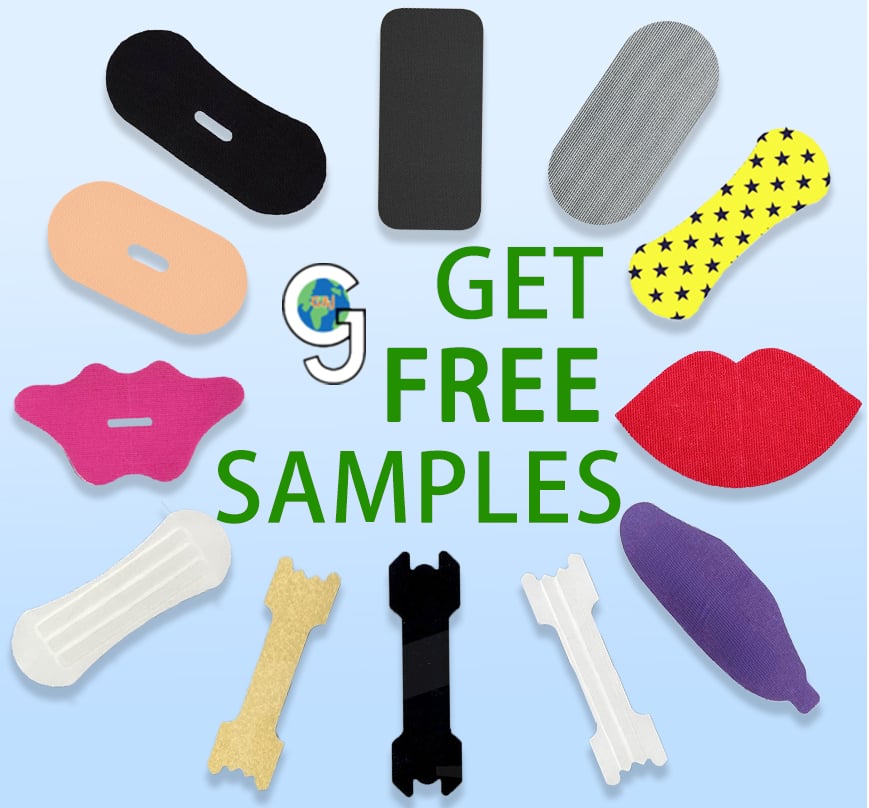
Today's mouth tape solutions offer various customization options to accommodate different facial structures and personal preferences. Lip-shaped designs conform better to natural mouth contours, providing more comfortable wear and better adhesion throughout the night. Some products feature adjustable sizing or can be trimmed to fit individual needs, ensuring optimal comfort for users with different lip shapes and sizes. The evolution of mouth tape technology has focused heavily on user comfort, recognizing that consistent use depends on a positive experience.
Advanced mouth tape formulations may include additional comfort features such as rounded edges to prevent catching on bedding or clothing, and specialized adhesive patterns that distribute pressure evenly across the lips. These design improvements help users maintain consistent usage patterns, which is essential for experiencing the full benefits of nasal breathing during sleep. The comfort factor has become increasingly important as more people recognize the long-term value of addressing snoring through this non-invasive method.
Implementation Strategies for Effective Results
Proper Application Techniques
Successful use of mouth tape requires proper application techniques to ensure both effectiveness and safety. Before applying mouth tape, individuals should ensure their nasal passages are clear and they can breathe comfortably through their nose while awake. The lip area should be clean and dry to promote optimal adhesion. Gentle pressure should be applied evenly across the tape to secure it without creating excessive tension or discomfort that might interfere with sleep quality.
The timing of application is also crucial for success with mouth tape. Most experts recommend applying the tape as part of a consistent bedtime routine, allowing time to adjust to the sensation before attempting to fall asleep. Starting with shorter periods of use during relaxation time can help individuals become accustomed to the feeling of mouth tape before using it for entire nights. This gradual approach often leads to better long-term compliance and more positive outcomes.
Building Consistent Usage Patterns
Consistency in mouth tape usage typically yields the best results for snoring reduction. Many users find that establishing a nightly routine helps integrate mouth tape into their sleep hygiene practices naturally. Keeping mouth tape visible near the bedside serves as a helpful reminder and makes the application process more convenient. Some individuals benefit from tracking their sleep quality and snoring patterns to observe improvements over time, which can provide motivation for continued use.
Creating positive associations with mouth tape use can enhance long-term success. This might involve pairing application with other relaxing bedtime activities or focusing on the anticipated benefits of better sleep quality. Partners often notice significant improvements in sleep environment noise levels, which can provide additional motivation for consistent use. The key is finding an approach that feels sustainable and comfortable for each individual's lifestyle and preferences.
Clinical Evidence and User Experiences
Research Findings on Snoring Reduction
Multiple clinical studies have examined the effectiveness of mouth tape for snoring reduction, with many showing promising results. Research indicates that individuals who transition from mouth breathing to nasal breathing during sleep often experience measurable reductions in snoring intensity and frequency. Sleep study data demonstrates that mouth tape can help maintain more stable airway positioning throughout the night, leading to less turbulent airflow and reduced tissue vibration that causes snoring sounds.
Long-term studies tracking mouth tape users have shown sustained improvements in sleep quality metrics for both the individuals using the tape and their sleeping partners. The objective measurements often correlate well with subjective reports of better sleep, reduced morning fatigue, and improved daytime alertness. These findings have contributed to growing acceptance of mouth tape as a legitimate intervention for sleep-related breathing issues among healthcare professionals and sleep specialists.
Real-World User Testimonials and Outcomes
User experiences with mouth tape vary, but many individuals report significant improvements in their snoring patterns and overall sleep quality. Common positive outcomes include reduced partner complaints about snoring, less frequent nighttime awakenings, and decreased morning dry mouth symptoms. Many users discover that mouth tape helps them feel more rested upon waking, suggesting improvements in sleep depth and continuity throughout the night.
Some individuals find that mouth tape benefits extend beyond snoring reduction to include improved nasal breathing during daytime hours as well. The practice of consistent nasal breathing can help strengthen respiratory patterns and reduce reliance on mouth breathing even when not using tape. User feedback consistently emphasizes the importance of finding the right product fit and allowing adequate time for adjustment to achieve optimal results with mouth tape applications.
Comparing Mouth Tape to Alternative Solutions
Traditional Anti-Snoring Devices and Methods
When compared to other anti-snoring solutions, mouth tape offers several distinct advantages in terms of simplicity, cost-effectiveness, and ease of use. Traditional devices such as oral appliances, nasal strips, or CPAP machines often require more complex setup procedures, higher initial investments, or ongoing maintenance requirements. Mouth tape provides a straightforward approach that most individuals can implement immediately without professional fitting or adjustment periods typically associated with other anti-snoring devices.
The non-invasive nature of mouth tape makes it an attractive first-line intervention for many people experiencing snoring issues. Unlike surgical procedures or complex dental appliances, mouth tape carries minimal risk of side effects or complications when used appropriately. This accessibility makes it possible for individuals to address their snoring concerns without significant financial investment or medical procedures, though consultation with healthcare providers remains advisable for persistent sleep issues.
Cost-Benefit Analysis and Long-Term Value
From an economic perspective, mouth tape represents one of the most cost-effective approaches to snoring management currently available. The ongoing costs associated with mouth tape are significantly lower than many alternative treatments, making it accessible to a broader range of individuals seeking snoring solutions. When considering the potential benefits in terms of improved sleep quality, reduced health risks associated with poor sleep, and enhanced relationship harmony, the value proposition becomes even more compelling.
The convenience factor of mouth tape also contributes to its overall value, as it requires no special storage, maintenance, or cleaning procedures that other anti-snoring devices demand. Travel-friendly packaging makes it easy to maintain consistent usage patterns regardless of location, which is often challenging with bulkier alternatives. This combination of affordability, convenience, and effectiveness positions mouth tape as an excellent option for many individuals dealing with snoring-related sleep disruptions.
Safety Considerations and Best Practices
Identifying Suitable Candidates
While mouth tape can be beneficial for many individuals, it's important to identify suitable candidates who can use this intervention safely and effectively. People with severe nasal congestion, structural nasal abnormalities, or certain medical conditions affecting breathing should consult healthcare providers before beginning mouth tape use. Individuals who experience anxiety or claustrophobia may need gradual introduction approaches or alternative solutions altogether.
The ability to breathe comfortably through the nose while awake serves as a good indicator of suitability for mouth tape use during sleep. Those who frequently experience nasal congestion may need to address underlying issues such as allergies or structural problems before mouth tape becomes a viable option. Healthcare providers can help assess individual circumstances and recommend appropriate timing or modifications for mouth tape implementation.
Emergency Protocols and Risk Management
Proper safety protocols should always be established before beginning regular mouth tape use. Users should ensure they can remove the tape quickly and easily if needed, and products should be selected based on their emergency removal features. Keeping backup removal methods nearby, such as scissors or additional grip areas on the tape, provides additional safety assurance for concerned users.
Understanding personal limits and recognizing when mouth tape may not be appropriate for specific circumstances helps ensure safe usage. Temporary conditions such as cold symptoms, medication effects, or unusual stress levels may warrant temporary discontinuation until normal breathing patterns are restored. This flexible approach to mouth tape use prioritizes safety while maintaining the benefits for snoring reduction when conditions are optimal.
FAQ
How long does it take to see results with mouth tape for snoring
Most individuals notice some improvement in snoring patterns within the first few nights of consistent mouth tape use, though optimal results typically develop over one to two weeks. The adjustment period allows the body to adapt to nasal breathing patterns during sleep, and partners often report noticeable reductions in snoring volume and frequency during this timeframe. Individual results may vary based on underlying causes of snoring and consistency of use.
Can mouth tape be used safely every night
Yes, high-quality mouth tape products are designed for nightly use when applied correctly and when users can breathe comfortably through their nose. The materials are selected to be gentle on skin while providing reliable adhesion throughout the night. However, individuals should monitor their response and consult healthcare providers if they experience any unusual symptoms or have underlying respiratory conditions that might affect safe usage.
What should I do if I feel anxious about using mouth tape
Anxiety about mouth tape use is common and can be addressed through gradual introduction techniques. Start by wearing the tape for short periods while awake and relaxed, gradually increasing duration as comfort levels improve. Some individuals benefit from practicing nasal breathing exercises during the day to build confidence in their ability to breathe effectively through their nose. If anxiety persists, consider consulting with a healthcare provider about alternative approaches or techniques to reduce concerns.
Are there any side effects associated with regular mouth tape use
Most people experience no significant side effects from proper mouth tape use, though some may notice minor skin sensitivity or temporary marks from the adhesive. These effects typically diminish as the skin adapts to regular use. Rare complications might include allergic reactions to adhesive materials, which can be avoided by choosing hypoallergenic products and discontinuing use if irritation develops. Proper product selection and application technique minimize the risk of adverse effects.
One-Stop Custom Tape & Patch Supplier, Fully Certified & Safety Guaranteed
Name: Vicky Zhou
Call/Text: +86 198 0595 7675
Email: [email protected]
Website:https://www.hlktape.com
YouTube:https://www.youtube.com/@HLKTape