
 EN
EN


Building a Tiered NasalStrip Product Line
The market for nasal strips has experienced remarkable growth as consumers increasingly prioritize sleep quality and respiratory health solutions. Building a tiered product line for nasal strips requires strategic planning, comprehensive market analysis, and understanding diverse customer needs. This approach allows manufacturers to capture different market segments while maximizing revenue potential through varied pricing strategies and product positioning.
Market Segmentation Strategy for Nasal Strip Products
Entry-Level Consumer Segment
The entry-level segment represents the largest potential customer base for nasal strips, consisting of occasional users and price-sensitive consumers. These customers typically purchase nasal strips for temporary relief during cold seasons or when experiencing minor breathing difficulties. Entry-level products should focus on basic functionality, affordable pricing, and wide availability through retail channels. The packaging design should emphasize simplicity and clear usage instructions to appeal to first-time users.
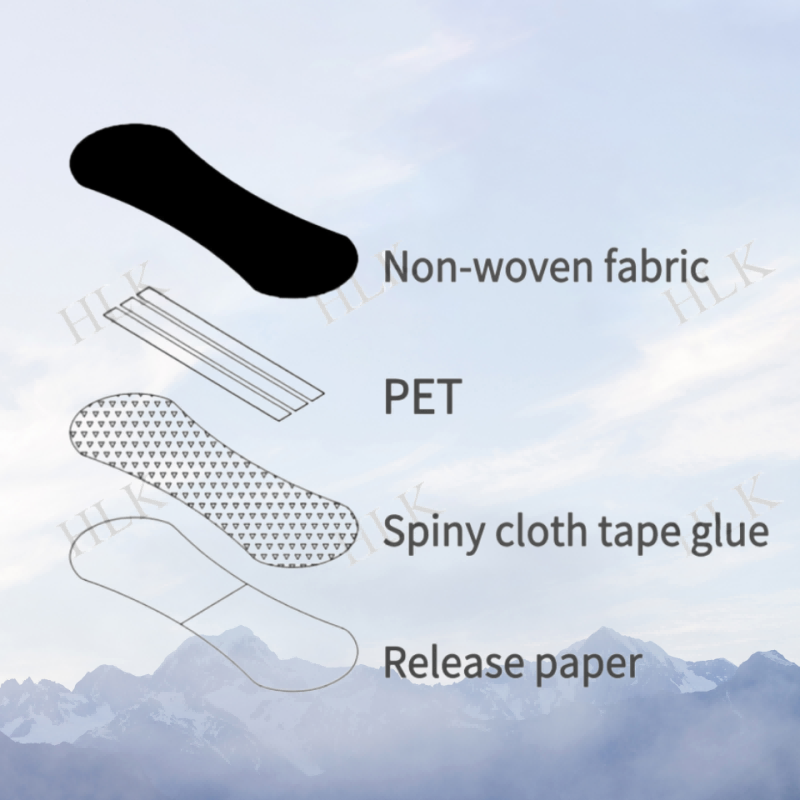
Manufacturing considerations for entry-level nasal strips include cost-effective materials that still maintain adequate adhesion and breathability. Standard adhesive formulations and basic fabric materials can reduce production costs while ensuring the product meets minimum performance standards. Distribution strategies should prioritize high-volume retail partnerships and competitive pricing to establish market presence and brand recognition.
Premium Performance Segment
Premium nasal strips target serious athletes, chronic snorers, and health-conscious consumers willing to pay higher prices for superior performance. These products incorporate advanced materials, enhanced adhesive technologies, and ergonomic designs that provide maximum comfort during extended wear. Premium positioning requires significant investment in research and development to differentiate products through measurable performance improvements.
Advanced features for premium nasal strips may include moisture-resistant adhesives, hypoallergenic materials, and specialized shapes designed for different nasal anatomies. Packaging should reflect premium positioning through sophisticated design elements and detailed product information highlighting technical specifications. Marketing strategies should emphasize clinical testing results and endorsements from healthcare professionals or athletic organizations.
Product Development and Innovation Framework
Material Technology Advancement
Developing a successful tiered nasal strip line requires continuous innovation in materials and manufacturing processes. Base-tier products can utilize standard medical-grade adhesives and breathable fabric substrates that provide reliable performance at competitive costs. Mid-tier offerings should incorporate improved adhesive formulations that enhance comfort and reduce skin irritation during removal.
Premium tier nasal strips demand cutting-edge materials such as advanced polymer substrates, specialized adhesive chemistries, and antimicrobial treatments. Research partnerships with material suppliers can accelerate development timelines and provide access to proprietary technologies that create competitive advantages. Quality control protocols must ensure consistent performance across all product tiers while maintaining cost targets for each segment.
Design Optimization and Testing
Comprehensive testing protocols are essential for validating performance claims and ensuring customer satisfaction across all product tiers. Clinical studies should demonstrate measurable improvements in nasal airflow and sleep quality metrics for higher-tier products. User testing panels can provide valuable feedback on comfort, adhesion strength, and removal experience that informs design refinements.
Ergonomic design considerations include nasal strip width, flexibility, and curvature optimization for different facial anatomies. Computer modeling and 3D printing technologies enable rapid prototyping and testing of multiple design iterations before committing to production tooling. Performance benchmarking against competitor products ensures market competitiveness while identifying opportunities for differentiation.
Manufacturing and Quality Control Systems
Scalable Production Processes
Establishing efficient manufacturing processes that accommodate multiple product tiers requires flexible production lines and standardized quality systems. Automated cutting and packaging equipment can handle varying product specifications while maintaining consistent output quality. Investment in modular production systems allows manufacturers to adjust capacity allocation between product tiers based on market demand fluctuations.
Quality management systems must address the unique requirements of each product tier while maintaining overall brand standards. Statistical process control methods ensure consistent adhesive application, dimensional accuracy, and packaging integrity across all production runs. Regular supplier audits and incoming material testing prevent quality issues that could impact customer satisfaction and brand reputation.
Regulatory Compliance and Certification
Nasal strips classified as medical devices require compliance with regulatory standards that vary by geographic market. FDA registration in the United States, CE marking in Europe, and similar certifications in other regions ensure market access and consumer confidence. Documentation systems must track compliance requirements for each product tier and geographic market to prevent regulatory issues.
Clinical testing requirements may differ between product tiers, with premium offerings potentially requiring more extensive validation studies. Regulatory consulting services can navigate complex approval processes and identify opportunities to streamline certification timelines. Maintaining current regulatory knowledge ensures products meet evolving safety and efficacy standards across target markets.
Marketing and Brand Positioning Strategies
Multi-Channel Distribution Approach
Successful nasal strips require strategic distribution channel selection that aligns with target customer preferences and shopping behaviors. Entry-level products benefit from wide retail distribution through pharmacies, grocery stores, and mass merchandisers where price-conscious consumers typically shop. Premium products may perform better in specialty health stores, sports retailers, and direct-to-consumer online channels.
Digital marketing strategies should leverage search engine optimization, social media advertising, and influencer partnerships to reach specific customer segments. Content marketing focused on sleep health education and breathing improvement benefits can establish thought leadership while driving organic traffic to product pages. Customer review management and testimonial collection provide social proof that supports purchase decisions across all product tiers.
Pricing Strategy Optimization
Tiered pricing strategies must balance market positioning objectives with profitability targets across different customer segments. Value-based pricing approaches consider customer willingness to pay for specific benefits rather than cost-plus calculations alone. Regular market research and competitor analysis inform pricing adjustments that maintain competitive positioning while protecting profit margins.
Promotional strategies should vary by product tier to avoid cannibalizing premium sales with discounted offerings. Bundle pricing options that combine multiple products or include complementary items can increase average transaction values while providing customer value. Subscription models for regular users can improve customer retention and provide predictable revenue streams for the business.
Customer Education and Support Programs
Usage Instruction Development
Comprehensive customer education programs ensure proper nasal strip application and maximize product effectiveness across all tiers. Clear visual instructions, video tutorials, and troubleshooting guides help customers achieve optimal results and reduce return rates. Educational content should address common application mistakes and provide tips for sensitive skin management.
Healthcare provider education programs can increase professional recommendations and credibility for nasal strip products. Clinical evidence summaries, sample products, and training materials help medical professionals understand appropriate patient recommendations. Professional endorsements and clinical study results strengthen marketing messages and support premium pricing strategies.
Customer Feedback Integration
Systematic customer feedback collection and analysis drives continuous product improvement and identifies market opportunities for new product development. Online review monitoring, customer surveys, and focus groups provide insights into user experiences and unmet needs. Feedback integration into product development processes ensures customer-driven innovation and market responsiveness.
Customer service systems must handle inquiries across all product tiers while maintaining brand consistency and service quality standards. Technical support for premium products may require specialized training and resources to address complex performance questions. Proactive customer communication about product updates and usage tips strengthens brand loyalty and encourages repeat purchases.
FAQ
What factors determine the optimal number of tiers in a nasal strip product line
The optimal number of tiers depends on market size, customer segmentation analysis, and manufacturing capabilities. Most successful nasal strip brands operate with three to four distinct tiers to avoid customer confusion while capturing different value segments. Market research should identify clear performance and price gaps between competitor offerings to inform tier positioning decisions.
How can manufacturers ensure consistent quality across different product tiers
Consistent quality requires standardized manufacturing processes, comprehensive testing protocols, and robust quality management systems. While material specifications may vary between tiers, fundamental quality attributes like adhesion strength and skin safety must meet minimum standards across all products. Regular quality audits and statistical process control help maintain consistency throughout production runs.
What regulatory considerations apply to tiered nasal strip product lines
Regulatory requirements typically apply uniformly across all product tiers, with potential variations based on specific claims or materials used. Premium products making enhanced performance claims may require additional clinical validation studies. Manufacturers must ensure all tiers meet applicable medical device regulations and maintain proper documentation for each product variant.
How should pricing gaps be established between different nasal strip tiers
Pricing gaps should reflect meaningful performance differences and customer value perceptions while maintaining clear positioning distinctions. Research suggests optimal price ratios of 1.5 to 2.5 times between adjacent tiers to create psychological separation without excessive gaps. Market testing and customer willingness-to-pay studies help validate pricing strategies before product launch.
One-Stop Custom Tape & Patch Supplier, Fully Certified & Safety Guaranteed
Name: Vicky Zhou
Call/Text: +86 198 0595 7675
Email: [email protected]
Website:https://www.hlktape.com
YouTube:https://www.youtube.com/@HLKTape