
 EN
EN


Common Mistakes in NasalStrip Purchasing
Purchasing the right nasal strip can significantly impact your sleep quality and breathing comfort, yet many consumers make critical errors during the selection process. These breathing aids have become increasingly popular for addressing snoring issues and improving nighttime airflow, but without proper knowledge, buyers often end up with products that fail to deliver expected results. Understanding the common pitfalls in nasal strip purchasing helps ensure you invest in solutions that actually work for your specific needs and anatomy.
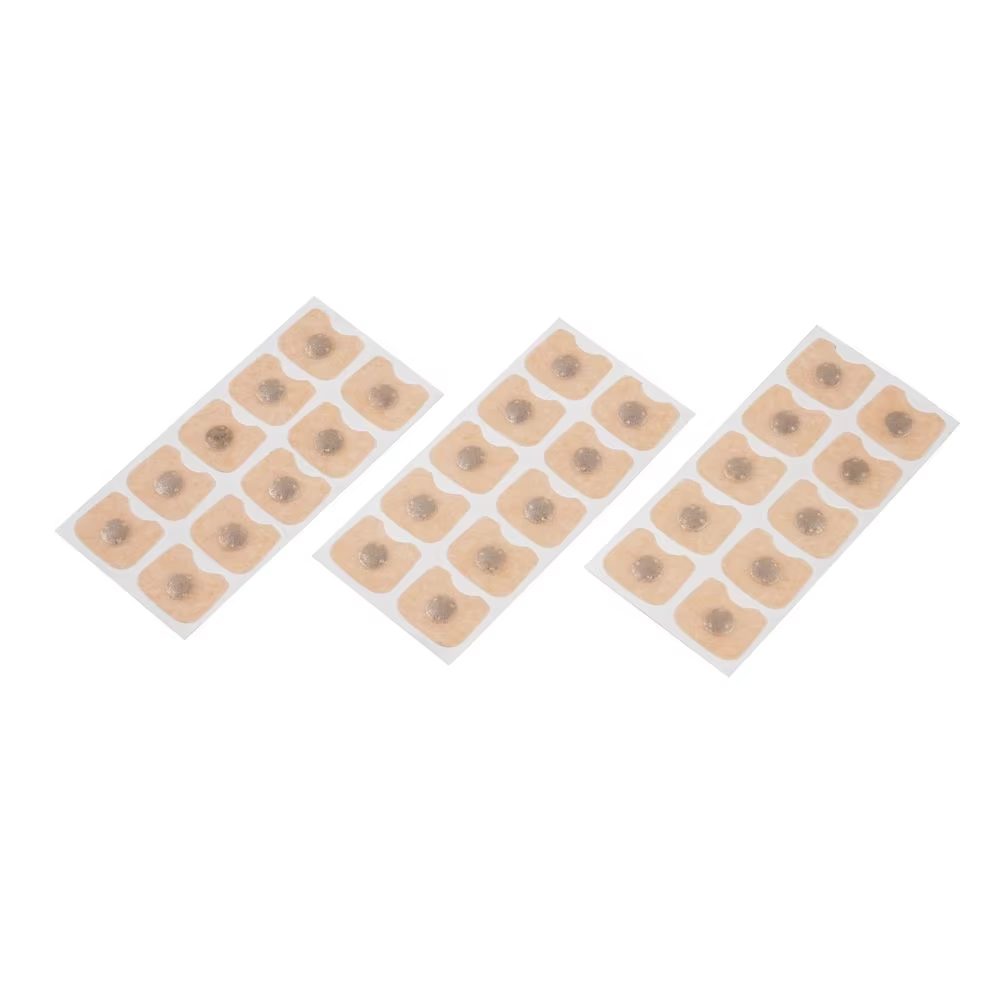
The market offers numerous nasal strip variations, from traditional adhesive strips to innovative magnetic designs, each targeting different breathing challenges. However, the abundance of options creates confusion for first-time buyers who lack experience with these products. Many consumers approach nasal strip shopping with unrealistic expectations or insufficient research, leading to disappointment and wasted money. Recognizing these purchasing mistakes before they happen saves both time and resources while increasing the likelihood of finding an effective breathing solution.
Material Quality and Construction Issues
Poor Adhesive Technology Selection
One of the most frequent mistakes involves choosing a nasal strip with inadequate adhesive properties that fail to maintain secure placement throughout the night. Many budget options use low-grade adhesives that lose their grip after a few hours, causing the strip to fall off during sleep when it's needed most. Quality nasal strip products feature medical-grade adhesives specifically designed to withstand natural skin oils and movement without causing irritation or leaving residue upon removal.
The adhesive strength must balance effectiveness with skin safety, as overly aggressive formulations can damage delicate nasal skin or cause allergic reactions. Professional-grade nasal strip manufacturers invest in hypoallergenic adhesive technologies that provide reliable hold without compromising skin health. Consumers should prioritize products from established brands that clearly specify their adhesive testing protocols and skin compatibility standards rather than selecting based solely on price considerations.
Inadequate Structural Support Systems
Another critical construction flaw involves insufficient structural integrity within the nasal strip framework itself, leading to products that bend or deform under normal use conditions. Quality strips incorporate reinforcement elements that maintain their shape and lifting power throughout extended wear periods. The internal structure should provide consistent outward pressure to keep nasal passages open without creating uncomfortable tension or pressure points on sensitive skin areas.
Modern nasal strip designs often feature flexible yet durable materials that adapt to individual nose shapes while maintaining their corrective function. Products lacking proper engineering may initially feel comfortable but gradually lose their effectiveness as the structural components weaken or shift position. Buyers should examine product specifications for details about internal support mechanisms and material durability testing before making their selection.
Size and Fit Compatibility Problems
Incorrect Sizing Measurements
Many consumers purchase nasal strip products without properly measuring their nose dimensions, resulting in poor fit and reduced effectiveness. Each person's nasal anatomy varies significantly in width, length, and curvature, requiring careful size selection to achieve optimal results. A nasal strip that's too small won't provide adequate coverage or lifting force, while oversized options may extend beyond the intended placement area and fail to adhere properly.
Proper sizing involves measuring across the widest part of the nose bridge and considering the overall nasal shape when selecting appropriate dimensions. Some manufacturers offer sizing guides or sample packs that allow testing different sizes before committing to full purchases. Smart buyers take advantage of these resources to identify their optimal fit rather than guessing based on general size categories that may not match their specific anatomical requirements.
Anatomical Shape Mismatches
Beyond basic size considerations, nasal strip effectiveness depends heavily on matching the product's curvature and flexibility to individual nose contours. Many people assume all nasal strip designs work universally, but different nose shapes require specific strip configurations to achieve proper contact and lifting action. Flat or wide noses need different support patterns than narrow or prominently bridged noses, yet consumers often overlook these compatibility factors during purchasing decisions.
Advanced nasal strip manufacturers recognize these anatomical variations and design products with adjustable features or multiple curvature options. Some innovative solutions use magnetic systems that automatically conform to different nose shapes while maintaining consistent lifting pressure. Consumers should research these advanced options rather than settling for one-size-fits-all products that may not accommodate their unique facial structure.
Performance Expectations and Usage Errors
Unrealistic Effectiveness Assumptions
A significant purchasing mistake involves expecting nasal strip products to solve severe breathing disorders or complex sleep apnea conditions that require medical intervention. While these devices effectively address mild to moderate snoring and nasal congestion issues, they cannot replace professional medical treatment for serious respiratory problems. Consumers often purchase nasal strip solutions hoping for miraculous results without understanding the limitations and appropriate applications of these breathing aids.
Realistic expectations help ensure satisfaction with nasal strip performance and prevent disappointment when products work exactly as designed but don't address underlying medical conditions. These devices primarily improve airflow through external nasal passage widening, making them most effective for structural snoring causes rather than throat-based obstructions or neurological breathing disorders. Buyers should consult healthcare professionals for persistent breathing problems while using nasal strip products as complementary solutions rather than primary treatments.
Improper Application Techniques
Many consumers never achieve optimal nasal strip performance because they fail to learn proper application methods, assuming these products work automatically without specific placement requirements. Effective use requires clean, dry skin preparation and precise positioning to maximize the lifting effect on nasal passages. Incorrect placement angles or inadequate skin preparation can significantly reduce product effectiveness regardless of the nasal strip quality or design sophistication.
Professional application techniques involve cleaning the nose area with appropriate solutions, allowing complete drying, and positioning the strip at optimal angles for maximum mechanical advantage. Some users apply strips too high or too low on the nose bridge, missing the most effective placement zones for their particular anatomy. Quality manufacturers provide detailed instruction materials and video demonstrations to help users master proper application techniques and achieve consistent results.
Brand Research and Verification Mistakes
Insufficient Manufacturer Background Checks
Consumers often purchase nasal strip products from unknown manufacturers without researching company credentials, quality certifications, or customer service reputations. Established manufacturers invest heavily in product development, safety testing, and quality control systems that ensure consistent performance across production batches. Unknown brands may offer attractive prices but lack the infrastructure and expertise necessary to produce reliable, safe nasal strip products.
Reputable nasal strip manufacturers maintain transparent operations with clear contact information, detailed product specifications, and comprehensive warranty programs. They typically hold relevant certifications for medical device manufacturing and maintain customer service departments capable of addressing technical questions or product concerns. Buyers should verify manufacturer credentials and read independent reviews before committing to purchases, especially for products that will be used regularly on sensitive facial skin.
Inadequate Customer Feedback Analysis
Another common mistake involves failing to thoroughly analyze customer reviews and feedback patterns before selecting specific nasal strip products or brands. While individual reviews may reflect personal preferences or unusual circumstances, aggregate feedback patterns reveal important information about product reliability, effectiveness, and potential issues. Smart consumers examine both positive and negative reviews to understand product strengths and limitations before making purchasing decisions.
Effective review analysis focuses on verified purchases and detailed feedback rather than brief, generic comments that may not reflect genuine user experiences. Patterns in customer complaints about adhesive failure, sizing issues, or skin reactions provide valuable insights that help avoid problematic products. Professional review sites and medical device databases often contain more reliable information than general retail platforms where fake reviews may influence product ratings and recommendations.
Cost Considerations and Value Assessment
Price Versus Quality Balance Errors
Many consumers make purchasing decisions based primarily on price comparisons without adequately evaluating the relationship between cost and actual product value. Extremely cheap nasal strip options often use inferior materials, unreliable adhesives, or poor construction methods that result in frequent replacement needs and ultimately higher total costs. Conversely, premium-priced products don't always deliver proportional performance improvements, making thorough value analysis essential for smart purchasing decisions.
Effective cost evaluation considers factors like durability, effectiveness per use, material quality, and replacement frequency rather than focusing solely on initial purchase prices. A moderately priced nasal strip that provides reliable performance for extended periods often represents better value than cheap alternatives requiring frequent replacement or expensive premium options with minimal performance advantages. Buyers should calculate total ownership costs over realistic usage periods to identify products offering optimal value for their specific needs and budgets.
Bulk Purchase Timing Mistakes
Consumers frequently commit to large quantity purchases before adequately testing nasal strip products to ensure compatibility and effectiveness for their individual needs. While bulk buying can offer significant cost savings, purchasing large quantities of untested products risks substantial losses if the selected items prove unsuitable or ineffective. Smart buyers start with small quantities or sample packs to evaluate product performance before committing to larger purchases that maximize cost efficiency.
Proper bulk purchase timing involves testing multiple product variations to identify optimal solutions before investing in quantity orders. Some manufacturers offer trial periods or satisfaction guarantees that reduce risks associated with larger purchases. Additionally, consumers should consider storage requirements and expiration dates when planning bulk orders, as nasal strip products may degrade over time if not stored properly or used within recommended timeframes.
FAQ
How do I determine the correct nasal strip size for my nose
Measure across the widest part of your nose bridge using a flexible measuring tape or string, then compare these measurements to manufacturer sizing charts. Most quality brands provide detailed sizing guides with specific dimension ranges for each size category. If you're between sizes, consider your nose shape and skin sensitivity, as slightly smaller strips often provide better adhesion while larger options may offer more lifting power for wider nasal structures.
What makes magnetic nasal strips different from traditional adhesive versions
Magnetic nasal strip systems use opposing magnetic fields to create lifting force without relying solely on adhesive attachment to the skin. This technology often provides more consistent pressure throughout the night and eliminates concerns about adhesive failure or skin irritation from strong glues. Magnetic designs typically offer better adjustability and can accommodate different nose shapes more effectively than fixed adhesive strips.
How long should a quality nasal strip maintain its effectiveness during use
A well-designed nasal strip should maintain its lifting effectiveness throughout an entire night's sleep, typically 6-8 hours of continuous wear. Quality products use materials and construction methods that resist degradation from body heat, moisture, and normal movement during sleep. If your strip loses effectiveness after only a few hours, this usually indicates poor quality construction or incorrect sizing for your anatomy.
Can nasal strips cause skin damage with regular long-term use
Quality nasal strip products designed for regular use incorporate skin-safe materials and gentle removal mechanisms that minimize irritation risks when used properly. However, products with aggressive adhesives or poor material quality can cause skin damage, especially with frequent use. Always remove strips gently, clean the skin thoroughly between uses, and consider alternating usage patterns to allow skin recovery if you notice any irritation or sensitivity developing.
One-Stop Custom Tape & Patch Supplier, Fully Certified & Safety Guaranteed
Name: Vicky Zhou
Call/Text: +86 198 0595 7675
Email: [email protected]
Website:https://www.hlktape.com
YouTube:https://www.youtube.com/@HLKTape