
 EN
EN


Custom Colors and Shapes: MOQ Impact Explained
The manufacturing landscape has evolved dramatically in recent years, with businesses increasingly demanding personalized products that reflect their brand identity and meet specific customer requirements. Custom colors and shapes have become essential differentiators in competitive markets, allowing companies to stand out while addressing unique functional needs. However, understanding the relationship between customization demands and minimum order quantities represents a critical factor that can significantly impact production costs, lead times, and overall project feasibility.
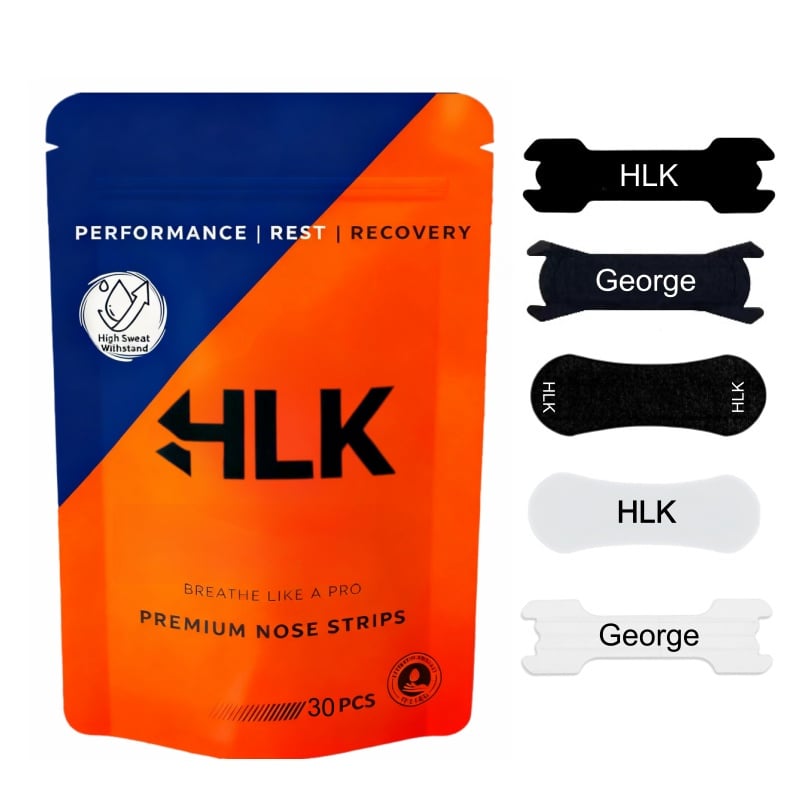
Manufacturing operations face complex challenges when balancing customization requests with economic production runs. The interplay between custom colors and shapes requirements and minimum order quantities creates a delicate equilibrium that affects pricing structures, inventory management, and supplier relationships. Companies must navigate these considerations carefully to optimize their procurement strategies while maintaining product quality and meeting delivery schedules.
This comprehensive analysis explores how custom colors and shapes influence minimum order quantity requirements across various industries, examining the underlying factors that drive these relationships and providing actionable insights for businesses seeking to optimize their customization strategies. Understanding these dynamics enables more informed decision-making and helps establish realistic expectations for both manufacturers and clients pursuing specialized product solutions.
Understanding MOQ Fundamentals in Custom Manufacturing
Economic Principles Behind Minimum Order Quantities
Minimum order quantities serve as fundamental economic tools that help manufacturers achieve production efficiency while covering setup costs associated with custom colors and shapes. These requirements reflect the reality that specialized production runs incur significant upfront expenses, including tooling modifications, color matching processes, and quality control procedures. Manufacturers must recoup these investments through adequate order volumes to maintain profitable operations.
The economic rationale extends beyond simple cost recovery mechanisms. Custom colors and shapes often require dedicated production time, specialized equipment settings, and additional quality assurance protocols. These factors create fixed costs that remain constant regardless of order size, making smaller quantities disproportionately expensive on a per-unit basis. Manufacturers establish MOQ thresholds to ensure these fixed costs are distributed across sufficient units to maintain competitive pricing.
Production scheduling considerations also influence MOQ determination. Custom colors and shapes typically require equipment changeovers that temporarily halt standard production lines. Manufacturers need sufficient order volumes to justify these interruptions and maintain overall operational efficiency. This scheduling complexity becomes particularly pronounced when dealing with multiple customization requests that compete for limited production capacity.
Industry Variations in MOQ Requirements
Different industries exhibit varying MOQ requirements based on their production characteristics, customer expectations, and market dynamics. Consumer goods manufacturers often maintain lower MOQ thresholds for custom colors and shapes to accommodate diverse market preferences and seasonal trends. These industries benefit from flexible production systems and established color-matching capabilities that reduce setup complexity.
Industrial manufacturing sectors typically impose higher MOQ requirements due to specialized equipment needs and stricter quality standards. Custom colors and shapes in industrial applications often serve functional purposes beyond aesthetics, requiring extensive testing and validation processes. These additional requirements increase production complexity and drive higher minimum order thresholds to justify the associated costs.
Medical device and aerospace industries represent extreme examples where custom colors and shapes may require extensive regulatory compliance and documentation. These sectors often maintain the highest MOQ requirements due to stringent quality control protocols and the need for comprehensive traceability throughout the production process.
Color Customization Impact on Production Requirements
Color Matching and Setup Procedures
Color customization presents unique challenges that significantly influence minimum order quantities in manufacturing operations. Achieving precise color matches requires specialized equipment calibration, sample preparation, and iterative adjustment processes that consume considerable time and resources. Custom colors and shapes projects often begin with extensive color development phases where manufacturers create multiple samples to achieve exact specifications.
The complexity increases exponentially when dealing with unconventional color requirements or specialty finishes. Metallic, fluorescent, or color-changing pigments require specialized handling procedures and may necessitate equipment modifications to achieve desired results. These enhanced requirements directly translate to higher MOQ thresholds as manufacturers seek to amortize setup costs across larger production runs.
Quality control procedures for custom colors demand rigorous testing protocols to ensure consistency across production batches. Spectrophotometric analysis, visual inspections under various lighting conditions, and durability testing all contribute to extended setup times. Manufacturers must balance these quality requirements with economic considerations when establishing minimum order quantities for custom colors and shapes projects.
Material Procurement and Waste Considerations
Custom color requirements often necessitate specialized material procurement that impacts MOQ calculations. Pigments, dyes, and additives required for unique color formulations may have their own minimum purchase quantities from suppliers. These upstream constraints cascade down to finished product requirements, effectively establishing floor values for custom colors and shapes orders.
Material waste represents another critical factor in MOQ determination. Color changeovers typically generate waste during transition periods as equipment is purged and cleaned between different formulations. This unavoidable waste must be factored into production planning and cost calculations. Larger production runs help distribute these waste costs across more units, making them economically viable.
Shelf life considerations for specialty color materials also influence minimum order requirements. Certain pigments and additives have limited storage stability, creating pressure to utilize materials within specific timeframes. Manufacturers may establish higher MOQs to ensure efficient material utilization while maintaining quality standards throughout the production process.
Shape Customization Complexity and MOQ Relationships
Tooling and Die Requirements
Shape customization introduces mechanical complexity that substantially impacts minimum order quantity calculations. Custom shapes typically require specialized tooling, dies, or molds that represent significant capital investments. These tools must be designed, manufactured, and tested before production can commence, creating substantial upfront costs that must be recovered through adequate order volumes.
The relationship between shape complexity and MOQ requirements follows a generally positive correlation. Simple geometric modifications may require minimal tooling adjustments, while complex organic shapes or intricate details demand extensive engineering and precision manufacturing. Custom colors and shapes projects that combine both elements often experience multiplicative complexity effects that drive MOQ requirements even higher.
Tooling amortization strategies vary among manufacturers but typically involve spreading costs across multiple production runs. Single-use tooling for highly specialized shapes commands the highest MOQ requirements, while reusable or adaptable tooling systems may enable lower minimum orders. Understanding these tooling economics helps buyers make informed decisions about shape customization requests.
Production Speed and Efficiency Factors
Custom shapes often impact production speed and efficiency in ways that influence minimum order requirements. Complex geometries may require slower processing speeds to maintain quality standards, effectively reducing overall production capacity. Manufacturers compensate for these efficiency losses by requiring larger order quantities to justify the production time allocation.
Secondary operations frequently become necessary when producing custom shapes, including trimming, drilling, or finishing processes that add time and cost to production. These additional steps must be coordinated and scheduled, creating operational complexity that manufacturers address through higher MOQ thresholds. Custom colors and shapes projects requiring multiple secondary operations face proportionally higher minimum order requirements.
Quality control procedures for custom shapes demand specialized inspection techniques and measuring equipment. Dimensional verification, surface finish assessment, and functional testing all contribute to extended production cycles. These quality assurance requirements factor into MOQ calculations as manufacturers seek to distribute inspection costs across sufficient production volumes.
Strategic Approaches to MOQ Optimization
Collaborative Planning and Forecasting
Successful MOQ optimization for custom colors and shapes requires collaborative planning between manufacturers and customers. Early engagement in the design process enables manufacturers to suggest modifications that reduce complexity while maintaining desired aesthetic and functional characteristics. These collaborative approaches often result in lower MOQ requirements and improved cost efficiency.
Demand forecasting plays a crucial role in MOQ optimization strategies. Customers who provide accurate volume projections and flexible delivery schedules enable manufacturers to optimize production planning and potentially reduce minimum order requirements. Long-term partnerships with predictable demand patterns create opportunities for MOQ negotiation and improved terms.
Consolidation strategies represent another effective approach to MOQ management. Combining multiple custom colors and shapes requirements into larger production runs can help achieve minimum thresholds while distributing setup costs across diverse product variations. This approach requires careful coordination but often yields significant cost benefits for both parties.
Technology Integration and Process Innovation
Advanced manufacturing technologies increasingly enable lower MOQ requirements for custom colors and shapes through improved setup efficiency and reduced changeover times. Digital color matching systems, automated tooling changes, and flexible production equipment all contribute to reduced minimum order thresholds by lowering fixed costs associated with customization.
Additive manufacturing and digital printing technologies represent revolutionary approaches to custom colors and shapes production. These technologies eliminate traditional tooling requirements and enable economic production of small quantities. While not suitable for all applications, they offer compelling alternatives for certain custom colors and shapes requirements.
Process automation reduces labor costs associated with custom production while improving consistency and quality. Automated color dispensing, precision cutting systems, and integrated quality control technologies all contribute to lower per-unit costs and potentially reduced MOQ requirements for custom colors and shapes projects.
Cost Analysis and Financial Implications
Total Cost of Ownership Considerations
Understanding the total cost of ownership for custom colors and shapes requires comprehensive analysis beyond initial production costs. MOQ decisions significantly impact inventory carrying costs, storage requirements, and potential obsolescence risks. Buyers must balance the unit cost advantages of larger orders against these additional ownership costs.
Cash flow implications represent another critical factor in MOQ decision-making. Larger minimum orders require substantial upfront investments that may strain working capital or delay other strategic initiatives. Companies must evaluate their financial capacity to support higher MOQ requirements while maintaining operational flexibility.
Risk assessment becomes particularly important when dealing with custom colors and shapes that serve specific market segments or seasonal applications. Market demand volatility can significantly impact the value proposition of meeting higher MOQ requirements, making thorough risk analysis essential for informed decision-making.
Value Engineering and Cost Reduction Strategies
Value engineering approaches can help optimize custom colors and shapes requirements while managing MOQ impacts. Simplifying designs, standardizing certain elements, or utilizing existing tooling capabilities can reduce customization costs and lower minimum order thresholds. These strategies require collaborative engagement between design teams and manufacturing partners.
Material substitution represents another cost reduction opportunity for custom colors and shapes projects. Alternative materials or formulations that achieve similar performance characteristics may offer better economics and lower MOQ requirements. Manufacturers can provide valuable guidance on material options that balance performance, cost, and minimum order considerations.
Phased implementation strategies enable companies to manage MOQ requirements while testing market acceptance of new custom colors and shapes. Initial small-scale trials using alternative production methods can validate demand before committing to larger minimum orders with traditional manufacturing approaches.
FAQ
How do custom colors and shapes affect minimum order quantities compared to standard products
Custom colors and shapes typically increase minimum order quantities by 50-300% compared to standard products due to additional setup costs, tooling requirements, and quality control procedures. The exact impact depends on customization complexity, industry standards, and manufacturer capabilities. Simple color changes may have minimal MOQ impact, while complex shape modifications requiring new tooling can significantly increase minimum order requirements.
What factors should companies consider when evaluating MOQ requirements for custom colors and shapes
Key factors include total customization complexity, tooling and setup costs, material procurement requirements, production scheduling constraints, quality control needs, and demand forecasting accuracy. Companies should also evaluate their financial capacity, inventory management capabilities, market risk tolerance, and strategic importance of customization. Collaborative planning with manufacturers can help identify optimization opportunities and potential trade-offs.
Can MOQ requirements for custom colors and shapes be negotiated or reduced
MOQ requirements can often be negotiated through various strategies including long-term partnerships, demand forecasting, order consolidation, flexible delivery schedules, and collaborative design optimization. Some manufacturers offer tiered pricing structures that provide alternatives to standard MOQ requirements. Building strong relationships with suppliers and demonstrating reliable demand patterns create opportunities for improved terms and potentially reduced minimum orders.
How do emerging technologies impact MOQ requirements for custom colors and shapes
Emerging technologies like digital printing, additive manufacturing, automated color dispensing, and flexible production systems are reducing MOQ requirements for many custom colors and shapes applications. These technologies eliminate or reduce traditional setup costs, enable faster changeovers, and support economic small-batch production. However, technology applicability varies by product type, performance requirements, and quality standards, so evaluation is needed for specific applications.
One-Stop Custom Tape & Patch Supplier, Fully Certified & Safety Guaranteed
Name: Vicky Zhou
Call/Text: +86 198 0595 7675
Email: [email protected]
Website:https://www.hlktape.com
YouTube:https://www.youtube.com/@HLKTape