
 EN
EN


Can NasalStrips Improve Oxygen Flow During Exercise?
Athletes and fitness enthusiasts are constantly seeking ways to optimize their performance, and proper breathing plays a crucial role in achieving peak results. Nasal strips have emerged as a popular solution for enhancing respiratory function during physical activity. These adhesive devices work by mechanically widening the nasal passages, potentially improving airflow and oxygen delivery to working muscles. Understanding how nasal strips function and their impact on exercise performance can help individuals make informed decisions about incorporating them into their fitness routines.
Understanding Nasal Breathing and Exercise Performance
The Science Behind Nasal Airflow
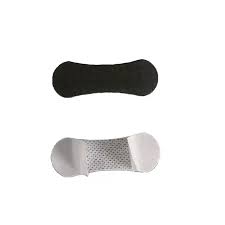
The human respiratory system relies on efficient airflow through both nasal and oral passages, but nasal breathing offers distinct advantages during exercise. The nasal cavity serves as a natural filter, warming and humidifying incoming air before it reaches the lungs. This process becomes particularly important during intense physical activity when the body demands increased oxygen delivery. Nasal strips work by lifting and opening the external nasal valves, which are the narrowest parts of the nasal airway.
Research indicates that nasal resistance can significantly impact breathing efficiency during exercise. When nasal passages are constricted due to inflammation, structural issues, or temporary swelling, the body compensates by increasing mouth breathing. While mouth breathing allows for higher air volumes, it bypasses the natural filtration and conditioning benefits of nasal respiration. This is where nasal strips can provide measurable benefits by reducing nasal resistance and promoting more efficient breathing patterns.
Physiological Benefits During Physical Activity
The application of nasal strips during exercise can lead to several physiological improvements. Enhanced nasal airflow allows for better ventilation without the need to switch to mouth breathing as quickly. This maintenance of nasal breathing helps preserve moisture in the respiratory system and reduces the likelihood of exercise-induced throat irritation or coughing. Additionally, improved nasal breathing can help maintain optimal heart rate patterns during aerobic activities.
Studies have shown that when nasal strips are properly applied, they can reduce the work of breathing by decreasing nasal resistance. This reduction in respiratory effort means more energy can be directed toward the actual exercise, potentially improving endurance and performance. The mechanical action of nasal strips creates a passive dilation of the nasal passages without requiring any conscious effort from the user, making them an attractive option for athletes focused on maintaining concentration during competition.
Performance Enhancement Through Improved Breathing
Cardiovascular Efficiency and Oxygen Uptake
Optimal oxygen delivery is fundamental to athletic performance, and nasal strips may contribute to improved cardiovascular efficiency during exercise. When nasal breathing is enhanced, the body can maintain better oxygen saturation levels while avoiding the rapid dehydration associated with excessive mouth breathing. This is particularly beneficial during endurance activities where maintaining consistent oxygen flow is critical for sustained performance.
The relationship between nasal airflow and exercise capacity becomes more pronounced during submaximal exercise intensities. At these levels, many athletes can maintain nasal breathing with the assistance of nasal strips, allowing them to preserve energy and maintain better form. The improved breathing efficiency can translate to delayed fatigue onset and better recovery between high-intensity intervals during training sessions.
Impact on Exercise Duration and Intensity
Athletes using nasal strips often report subjective improvements in their ability to sustain exercise intensity for longer periods. The enhanced nasal airflow can reduce the sensation of breathlessness, particularly during the early stages of exercise when the respiratory system is adapting to increased demands. This psychological benefit can be just as important as any physiological changes, as perceived breathing difficulty often limits exercise performance before true physiological limits are reached.
The effectiveness of nasal strips varies among individuals based on their baseline nasal anatomy and the presence of any structural limitations. Athletes with naturally narrow nasal passages or those prone to exercise-induced nasal congestion tend to experience more noticeable benefits. The strips work most effectively when applied correctly, creating an even lift across the nasal bridge without causing discomfort or skin irritation during prolonged use.
Clinical Evidence and Research Findings
Scientific Studies on Athletic Performance
Multiple clinical studies have investigated the effectiveness of nasal strips in improving exercise performance and breathing efficiency. Research conducted on cyclists, runners, and other endurance athletes has shown varying but generally positive results. One significant study found that nasal strips reduced nasal resistance by approximately 30% in test subjects, leading to measurable improvements in breathing comfort during moderate-intensity exercise.
The research consistently demonstrates that nasal strips are most effective for individuals with higher baseline nasal resistance. Athletes who naturally have wide, unobstructed nasal passages may experience minimal benefits, while those with structural limitations or temporary congestion show more significant improvements. These findings suggest that nasal strips should be considered as part of an individualized approach to respiratory optimization rather than a universal performance enhancer.
Measuring Respiratory Improvements
Laboratory measurements of nasal airflow have provided objective evidence of the mechanical effects of nasal strips. Rhinomanometry testing, which measures nasal resistance, consistently shows reduced resistance values when strips are properly applied. These measurements correlate with subjective reports of improved breathing ease and reduced effort required for nasal ventilation during exercise.
Long-term studies have also examined the sustained benefits of regular nasal strip use during training. Athletes who incorporated nasal strips into their regular training routines reported better adaptation to high-altitude training and reduced incidence of upper respiratory irritation following intense workout sessions. These benefits extend beyond immediate performance improvements to include enhanced recovery and reduced respiratory-related training interruptions.
Practical Applications for Different Types of Exercise
Endurance Sports and Aerobic Activities
Endurance athletes, including marathon runners, cyclists, and triathletes, often find nasal strips particularly beneficial due to the sustained nature of their activities. During long-duration exercises, maintaining efficient nasal breathing can help preserve hydration levels and reduce the metabolic cost of respiration. The strips allow athletes to maintain nasal breathing at higher intensities than would otherwise be possible, potentially improving race day performance and training quality.
Swimming represents a unique application where nasal strips must withstand water exposure while providing respiratory benefits during training and warm-up phases. Waterproof nasal strips designed specifically for aquatic activities have shown promise in helping swimmers maintain clear nasal passages between pool sessions and during dry-land training components. The reduced nasal congestion can be particularly beneficial for swimmers who train in chlorinated environments.
High-Intensity Interval Training and Strength Sports
High-intensity interval training and strength-based activities present different challenges for nasal strip applications. During brief, intense efforts, athletes typically rely heavily on mouth breathing to meet immediate oxygen demands. However, nasal strips can provide benefits during rest intervals and recovery periods by promoting more efficient nasal breathing and faster return to baseline respiratory rates.
Powerlifters and strength athletes may find nasal strips helpful during warm-up routines and between sets when maintaining controlled breathing is important for preparation and recovery. The improved nasal airflow can help maintain focus and reduce the sensation of stuffiness that sometimes occurs in climate-controlled gym environments. Additionally, better nasal breathing during rest periods can contribute to improved overall workout quality and reduced fatigue accumulation.
Selection and Proper Usage Guidelines
Choosing the Right Type of Nasal Strip
The market offers various types of nasal strips designed for different applications and user preferences. Standard adhesive strips work well for most indoor activities and shorter exercise sessions, while heavy-duty or sport-specific versions provide enhanced adhesion for prolonged use and high-sweat activities. Some advanced designs incorporate magnetic elements or alternative materials that may offer improved durability and comfort during extended wear.
Sizing considerations are crucial for optimal effectiveness, as improperly fitted nasal strips may provide minimal benefit or cause discomfort. Most manufacturers provide sizing guides based on nasal bridge width, but individual testing often determines the best fit. Athletes should experiment with different brands and sizes during training sessions before committing to a particular product for competition use.
Application Techniques and Best Practices
Proper application technique significantly impacts the effectiveness of nasal strips during exercise. The nasal area should be clean and dry before application, with any oils or moisture removed to ensure optimal adhesion. The strip should be centered over the nasal bridge and pressed firmly to create good contact with the skin. Gentle upward pressure while smoothing the edges helps activate the lifting mechanism that opens the nasal passages.
Timing of application can influence both comfort and effectiveness during exercise. Applying nasal strips 10-15 minutes before beginning physical activity allows the adhesive to set properly and the nasal tissues to adapt to the mechanical lifting action. Removing the strips should be done carefully, preferably after moistening the adhesive edges to prevent skin irritation or damage to the sensitive nasal area.
Potential Limitations and Considerations
Individual Variation in Response
Not all individuals experience the same level of benefit from nasal strips, and response can vary significantly based on personal anatomy and breathing patterns. Athletes with pre-existing nasal conditions, such as chronic rhinitis or structural deviations, may find that nasal strips provide only partial relief and may need to explore additional interventions. Understanding these limitations helps set realistic expectations and guides appropriate usage decisions.
The placebo effect can also play a role in perceived benefits from nasal strips, particularly regarding subjective measures like breathing ease and exercise comfort. While this psychological component doesn't diminish the potential value for individual users, it highlights the importance of objective performance measures when evaluating the true effectiveness of nasal strips for specific athletic applications.
Skin Sensitivity and Long-term Use
Regular use of nasal strips can occasionally lead to skin sensitivity or irritation, particularly in individuals with sensitive skin or those who sweat heavily during exercise. The adhesive materials and the mechanical stress of repeated application and removal may cause minor skin reactions in susceptible users. Rotating application sites slightly or using hypoallergenic versions can help minimize these issues.
Long-term dependency concerns are generally minimal with nasal strips since they provide purely mechanical assistance without altering natural breathing physiology. However, athletes should be aware that the subjective improvement in breathing may create a psychological reliance that could affect confidence during competitions where strip use is not practical or permitted by regulations.
FAQ
How long before exercise should I apply nasal strips for optimal effectiveness
For best results, apply nasal strips approximately 10-15 minutes before beginning your exercise routine. This timing allows the adhesive to properly set against your skin and gives your nasal tissues time to adjust to the mechanical lifting action. Applying too early may result in reduced adhesion due to natural skin oils, while applying immediately before exercise might not provide the full opening effect during the crucial early minutes of your workout.
Can nasal strips help with exercise-induced asthma or breathing difficulties
While nasal strips can improve nasal airflow and may provide some subjective breathing improvement, they are not a treatment for exercise-induced asthma or other respiratory conditions. These devices work mechanically to open nasal passages but do not address inflammation, bronchospasm, or other underlying respiratory issues. Athletes with diagnosed breathing conditions should consult their healthcare providers before relying on nasal strips and should continue following prescribed treatment protocols.
Are there any sports or activities where nasal strips are not recommended
Nasal strips are generally safe for most sports and exercise activities, but certain situations may limit their effectiveness or practicality. Contact sports with high risk of facial contact may cause strips to dislodge or contribute to skin abrasions. Swimming in chlorinated pools may reduce adhesive effectiveness, though waterproof versions are available. Additionally, some competitive sports organizations may have regulations regarding external devices, so athletes should verify rules before competitions.
How do I know if nasal strips are actually improving my exercise performance
The most reliable way to assess nasal strip effectiveness is through systematic testing during similar workout conditions. Monitor objective measures such as heart rate patterns, perceived exertion levels, and exercise duration or intensity when using strips versus without them. Keep training logs noting breathing comfort, recovery time between intervals, and overall workout quality. Some athletes also find it helpful to have training partners observe breathing patterns and effort levels during comparable exercise sessions with and without nasal strips.
One-Stop Custom Tape & Patch Supplier, Fully Certified & Safety Guaranteed
Name: Vicky Zhou
Call/Text: +86 198 0595 7675
Email: [email protected]
Website:https://www.hlktape.com
YouTube:https://www.youtube.com/@HLKTape