
 EN
EN


Positioning Aroma NasalStrips in Functional Daily Use
In today's fast-paced world, breathing difficulties and sleep disruptions have become increasingly common concerns affecting millions of people globally. Nasal strips have emerged as a revolutionary solution for individuals seeking immediate relief from nasal congestion, snoring issues, and breathing challenges during sleep and daily activities. These innovative adhesive devices work by gently lifting and opening nasal passages, allowing for improved airflow and enhanced oxygen intake without the need for medications or invasive procedures.
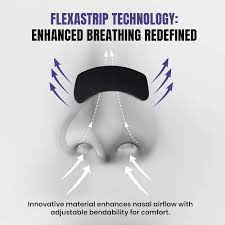
The positioning of nasal strips in functional daily use represents a significant shift from traditional temporary solutions to comprehensive lifestyle integration. Modern consumers are increasingly demanding products that seamlessly blend into their routine while delivering consistent, measurable results. This evolution has transformed nasal strips from simple anti-snoring aids into sophisticated wellness tools designed for athletes, professionals, and health-conscious individuals seeking optimal respiratory performance throughout their day.
Understanding the functional applications of nasal strips requires examining their impact across various user demographics and scenarios. From professional athletes requiring enhanced oxygen delivery during training sessions to office workers dealing with air quality challenges in indoor environments, these devices have proven their versatility and effectiveness. The growing recognition of sleep quality as a cornerstone of overall health has further elevated the importance of nasal strips in preventive healthcare strategies.
Mechanisms and Technology Behind Modern Nasal Strips
Advanced Adhesive Systems
Contemporary nasal strips incorporate sophisticated adhesive technologies that ensure secure attachment while maintaining skin compatibility throughout extended wear periods. The development of medical-grade adhesives has revolutionized user experience by eliminating common issues such as skin irritation, premature detachment, or residual adhesive traces upon removal. These advanced formulations utilize hypoallergenic materials that conform to diverse skin types and conditions, making nasal strips suitable for sensitive individuals who previously experienced adverse reactions.
The engineering behind modern adhesive systems involves careful balance between holding strength and gentle removal characteristics. Manufacturers have invested significantly in research to develop pressure-sensitive adhesives that activate upon application while allowing for comfortable repositioning if necessary. This technological advancement has expanded the practical applications of nasal strips beyond nighttime use, enabling all-day wear for individuals requiring continuous breathing support.
Structural Design Innovations
The physical construction of nasal strips has evolved dramatically through incorporating flexible materials that mimic natural skin movement while maintaining consistent lifting force. Advanced polymer compositions provide the necessary tensile strength to open nasal passages effectively while conforming to facial contours without creating uncomfortable pressure points. These design improvements ensure that nasal strips remain functional across various facial structures and movement patterns encountered during daily activities.
Contemporary nasal strips feature ergonomic profiles that distribute lifting forces evenly across the nasal bridge, preventing localized pressure that could cause discomfort during extended wear. The integration of breathable materials allows for proper air circulation beneath the strip, reducing moisture accumulation that could compromise adhesion or create skin irritation. These structural enhancements have positioned modern nasal strips as viable long-term solutions rather than temporary fixes.
Clinical Applications and Health Benefits
Respiratory Function Enhancement
Clinical studies have consistently demonstrated the effectiveness of nasal strips in improving nasal airflow resistance and overall respiratory function. Research indicates that proper application of nasal strips can increase nasal cavity volume by up to 31%, resulting in significant improvements in breathing efficiency and oxygen saturation levels. These measurable benefits translate into enhanced physical performance, improved concentration, and reduced fatigue for users across various activity levels and health conditions.
The respiratory benefits of nasal strips extend beyond simple congestion relief to encompass comprehensive airway optimization. By mechanically opening nasal passages, these devices reduce the work required for breathing, particularly during physical exertion or sleep when natural nasal dilation may be insufficient. This reduction in breathing effort allows the respiratory system to operate more efficiently, contributing to improved cardiovascular health and enhanced recovery rates following physical activities.
Sleep Quality Improvement
The relationship between nasal breathing and sleep quality has been extensively documented in medical literature, with nasal strips playing a crucial role in addressing sleep-related breathing disorders. Users report significant improvements in sleep onset time, reduced night wakings, and enhanced morning alertness when incorporating nasal strips into their nightly routine. These improvements stem from the restoration of natural nasal breathing patterns that promote deeper, more restorative sleep cycles.
The impact of nasal strips on sleep quality extends to bed partners who benefit from reduced snoring and sleep disruptions. Studies have shown that consistent use of nasal strips can reduce snoring intensity and frequency, creating a more peaceful sleep environment for all occupants. This secondary benefit has made nasal strips an important component of comprehensive sleep hygiene programs recommended by healthcare professionals.
Athletic Performance and Nasal Strips Integration
Exercise Oxygen Delivery
Professional and recreational athletes have increasingly adopted nasal strips as performance enhancement tools due to their ability to improve oxygen delivery during intense physical activities. The enhanced nasal airflow provided by these devices allows athletes to maintain nasal breathing longer during exercise, preserving energy that would otherwise be expended through less efficient mouth breathing. This physiological advantage translates into improved endurance, faster recovery times, and enhanced overall athletic performance across various sports disciplines.
The application of nasal strips in athletic settings requires consideration of environmental factors such as humidity, temperature, and physical contact that may affect device performance. Modern sports-specific formulations incorporate sweat-resistant adhesives and reinforced construction to maintain functionality throughout rigorous training sessions and competitive events. These specialized nasal strips have become standard equipment for athletes participating in endurance sports where respiratory efficiency directly impacts performance outcomes.
Training and Recovery Applications
The integration of nasal strips into training regimens extends beyond immediate performance benefits to encompass enhanced recovery and adaptation processes. Improved oxygen delivery during exercise sessions supports more effective muscle oxygenation, reducing the accumulation of metabolic byproducts that contribute to fatigue and delayed recovery. Athletes utilizing nasal strips report reduced perceived exertion during training sessions and faster return to baseline physiological parameters following intense workouts.
Recovery-focused applications of nasal strips include their use during post-exercise rest periods and sleep when the body performs critical repair and adaptation processes. Enhanced nasal breathing during these recovery phases supports optimal circulation and waste removal, accelerating the natural healing processes that build fitness and strength. This comprehensive approach to nasal strip utilization has made them valuable tools for serious athletes seeking every possible performance advantage.
Daily Functional Applications Beyond Sleep
Workplace and Professional Environments
The modern workplace presents numerous challenges to optimal respiratory function, including poor air quality, allergens, and stress-related breathing patterns that can impact productivity and wellbeing. Nasal strips offer a practical solution for professionals working in environments where breathing difficulties may arise, providing consistent airway support throughout long work sessions. The discrete nature of modern nasal strips allows for professional appearance maintenance while delivering functional breathing benefits.
Professional applications of nasal strips extend to specialized occupations requiring enhanced respiratory performance, such as public speaking, vocal performance, or physically demanding careers. These applications benefit from the improved oxygen delivery and reduced breathing effort provided by nasal strips, enabling sustained performance excellence throughout demanding work schedules. The ability to maintain nasal breathing patterns under stress contributes to better cognitive function and emotional regulation in challenging professional situations.
Travel and Environmental Adaptations
Air travel and exposure to unfamiliar environments often challenge respiratory comfort through altitude changes, dry cabin air, and exposure to new allergens or pollutants. Nasal strips provide valuable support during these transitional periods by maintaining optimal nasal function regardless of environmental conditions. Frequent travelers report improved comfort and reduced jet lag symptoms when using nasal strips during flights and in hotel accommodations with varying air quality.
Environmental applications of nasal strips include their use in polluted urban areas, high-altitude locations, and seasonal allergy management. By optimizing nasal function, these devices help users adapt more effectively to challenging environmental conditions while maintaining comfortable breathing patterns. The portability and ease of use make nasal strips ideal travel companions for individuals who prioritize respiratory comfort during their journeys.
Consumer Selection and Usage Guidelines
Product Differentiation and Features
The expanding nasal strips market offers consumers various options designed for specific applications and user preferences. Understanding the differences between standard, sensitive skin, and performance-oriented formulations enables informed selection based on individual needs and usage patterns. Factors such as adhesive strength, wearing duration, and specialized features like aromatherapy integration or magnetic enhancement systems influence product selection decisions.
Consumer education regarding proper application techniques and realistic expectations plays a crucial role in maximizing nasal strips effectiveness. Proper positioning on clean, dry skin ensures optimal adhesion and lifting performance, while understanding individual anatomy variations helps users achieve consistent results. The investment in quality nasal strips from reputable manufacturers typically provides superior comfort and effectiveness compared to generic alternatives.
Integration into Daily Routines
Successful integration of nasal strips into daily routines requires establishing consistent application and removal procedures that support skin health and device effectiveness. Morning and evening skincare routines can be adapted to include nasal strips preparation and aftercare, ensuring optimal results while maintaining healthy skin conditions. The development of these habits supports long-term success and user satisfaction with nasal strips as functional wellness tools.
Routine optimization includes consideration of timing, environmental factors, and activity planning to maximize nasal strips benefits throughout various daily scenarios. Users who plan their nasal strips usage around specific activities or challenges report greater satisfaction and more consistent results. This strategic approach transforms nasal strips from reactive solutions into proactive wellness tools that support optimal respiratory function.
Market Trends and Future Developments
Technological Advancement Directions
The future of nasal strips technology promises exciting developments in materials science, sensor integration, and personalized solutions that will expand their functional applications. Research into smart materials that respond to physiological changes or environmental conditions could produce nasal strips that automatically adjust their lifting force based on user needs. These innovations would further establish nasal strips as sophisticated medical devices rather than simple mechanical aids.
Integration of monitoring capabilities into nasal strips could provide valuable data regarding breathing patterns, sleep quality, and device effectiveness over time. This data-driven approach would enable personalized optimization of nasal strips usage and contribute to broader health monitoring ecosystems. Such technological advancement would position nasal strips as key components of preventive healthcare strategies focused on respiratory wellness.
Market Expansion and Applications
The growing awareness of respiratory health importance continues to drive market expansion for nasal strips across demographic segments and geographic regions. Emerging markets present significant opportunities for nasal strips adoption as disposable income increases and health consciousness grows. Educational initiatives regarding the benefits of nasal breathing and sleep quality improvement support market development and consumer acceptance.
New application areas for nasal strips continue emerging as users discover innovative uses beyond traditional sleep and exercise applications. From meditation and stress management to vocal training and respiratory therapy support, the versatility of nasal strips enables market expansion into previously unconsidered sectors. This diversification strengthens the position of nasal strips as fundamental wellness tools rather than niche medical devices.
FAQ
How long can nasal strips be worn continuously during daily activities
Most modern nasal strips are designed for safe continuous wear up to 12 hours, making them suitable for all-day use during work, exercise, and daily activities. However, individual skin sensitivity and environmental factors may require shorter wearing periods for some users. It is recommended to start with shorter durations and gradually increase wearing time as your skin adapts to the adhesive materials.
Are there specific techniques for applying nasal strips for maximum effectiveness
Proper application involves cleaning the nasal area thoroughly, ensuring complete dryness, and positioning the strip symmetrically across the nasal bridge with gentle but firm pressure. The strip should be centered over the widest part of the nostrils and pressed down for 30 seconds to ensure optimal adhesion. Avoid stretching the strip during application as this can reduce its lifting effectiveness and comfort.
Can nasal strips be used alongside other breathing aids or medications
Nasal strips are generally compatible with most nasal medications, saline rinses, and other non-invasive breathing aids when used according to manufacturer instructions. However, it is important to consult with healthcare providers before combining nasal strips with prescription medications or other medical devices. The mechanical action of nasal strips does not interfere with topical medications but may affect absorption timing if applied simultaneously.
What factors should be considered when selecting nasal strips for specific activities
Activity-specific selection should consider factors such as duration of wear, sweat resistance requirements, adhesive strength needs, and environmental conditions. Athletic applications may require stronger adhesives and moisture-resistant formulations, while sensitive skin users should prioritize hypoallergenic materials and gentler removal characteristics. Consider the intensity of physical movement and environmental factors like humidity when choosing appropriate nasal strips formulations.
One-Stop Custom Tape & Patch Supplier, Fully Certified & Safety Guaranteed
Name: Vicky Zhou
Call/Text: +86 198 0595 7675
Email: [email protected]
Website:https://www.hlktape.com
YouTube:https://www.youtube.com/@HLKTape