
 EN
EN


Cost Breakdown of NasalStrips: Materials, Adhesives, Processing
The manufacturing cost structure of nasal strips involves multiple components that directly impact both wholesale pricing and retail margins. Understanding these cost factors helps manufacturers, distributors, and healthcare professionals make informed decisions about product selection and pricing strategies. Modern nasal strips incorporate advanced materials science and precision manufacturing processes that contribute to their effectiveness in improving nasal breathing and reducing snoring.
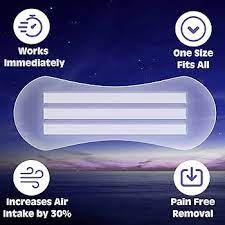
The total production cost of nasal strips encompasses raw materials, adhesive formulations, manufacturing equipment, quality control processes, and packaging solutions. Each element plays a crucial role in determining the final product cost while maintaining the performance standards expected by consumers. Manufacturers must balance cost efficiency with quality requirements to remain competitive in the growing sleep wellness market.
Material Components and Raw Material Costs
Flexible Strip Materials
The primary structural component of nasal strips consists of flexible polymer materials, typically thermoplastic elastomers or specialized fabric composites. These materials must provide sufficient spring tension to lift nasal passages while remaining comfortable against skin contact. High-grade polyethylene terephthalate (PET) films represent the most common choice, offering excellent flexibility and durability at competitive costs ranging from $2.50 to $4.00 per kilogram.
Advanced nasal strips may incorporate memory foam elements or specialized fiber weaves that enhance comfort and effectiveness. These premium materials increase raw material costs by approximately 30-50% compared to standard polymer films. The thickness specifications typically range from 0.1mm to 0.3mm, with thicker materials providing greater lifting force but potentially reduced comfort during extended wear periods.
Material sourcing considerations include supplier reliability, quality consistency, and regulatory compliance with medical device standards. Bulk purchasing agreements can reduce material costs by 15-25%, making supplier relationships critical for cost optimization. Temperature resistance and hypoallergenic properties add premium pricing but are essential for consumer safety and product performance.
Adhesive System Components
Medical-grade adhesives represent the most complex and expensive component in nasal strips manufacturing. Acrylic-based pressure-sensitive adhesives (PSAs) provide optimal skin adhesion while allowing comfortable removal without residue. These specialized formulations cost between $8.00 and $15.00 per kilogram, significantly higher than standard industrial adhesives due to biocompatibility requirements and skin sensitivity testing.
The adhesive application process requires precise coating thickness control, typically measuring 20-40 micrometers for optimal performance. Silicone-release liners protect the adhesive surface during storage and transportation, adding approximately $0.02-0.05 per unit to material costs. Advanced nasal strips may incorporate repositionable adhesive technologies that allow multiple applications, increasing material costs but enhancing user experience.
Adhesive performance testing includes peel strength measurements, skin irritation studies, and aging resistance evaluations. These quality control processes add indirect costs to material selection but are essential for regulatory approval and consumer safety. Seasonal temperature variations affect adhesive performance, requiring formulation adjustments that may impact material costs throughout the year.
Manufacturing Process Costs and Equipment
Production Line Setup and Operations
Nasal strips manufacturing requires specialized converting equipment capable of handling delicate materials and precise adhesive application. Initial equipment investments range from $500,000 to $2,000,000 depending on production capacity and automation levels. Die-cutting machinery must maintain dimensional accuracy within ±0.5mm tolerances to ensure consistent product performance and consumer satisfaction.
Labor costs vary significantly by geographic location, with skilled operators earning $15-30 per hour in developed markets. Automated production lines reduce direct labor requirements but increase maintenance costs and technical support needs. Production speeds typically range from 200-800 units per minute, with higher speeds requiring more sophisticated equipment and quality control systems.
Energy consumption represents a significant operational cost, particularly for adhesive curing processes and climate-controlled manufacturing environments. Electricity costs average $0.08-0.15 per kilowatt-hour, contributing approximately $0.01-0.03 per unit in energy expenses. Waste material management and recycling programs can offset some production costs while supporting environmental sustainability goals.
Quality Control and Testing Procedures
Comprehensive quality control processes ensure nasal strips meet performance specifications and regulatory requirements. Tensile strength testing, adhesion measurement, and dimensional verification add approximately $0.05-0.10 per unit in testing costs. Automated inspection systems using machine vision technology can reduce labor costs while improving detection accuracy for defective products.
Batch testing protocols require statistical sampling and documentation procedures that add indirect costs to manufacturing operations. Regulatory compliance testing for medical device classifications may cost $10,000-50,000 per product variant, depending on market requirements and testing scope. These validation costs must be amortized across production volumes to determine per-unit impact.
Environmental testing simulates storage conditions and shelf-life stability, requiring controlled temperature and humidity chambers. These facilities represent significant capital investments but are essential for product reliability and consumer confidence. Accelerated aging tests can compress years of real-time aging into weeks, enabling faster product development cycles while maintaining quality standards.
Packaging and Distribution Cost Factors
Primary Packaging Solutions
Individual nasal strips packaging typically utilizes sealed pouches or blister packs that protect adhesive properties and maintain sterility. Aluminum foil laminate pouches cost approximately $0.03-0.08 per unit while providing excellent barrier properties against moisture and oxygen. Thermoformed blister packaging offers superior product visibility but increases costs to $0.10-0.20 per unit due to material and forming process requirements.
Packaging design must balance cost efficiency with consumer convenience and product protection. Child-resistant features may be required in certain markets, adding complexity and cost to packaging solutions. Sustainable packaging materials command premium pricing but align with growing environmental consciousness among consumers and regulatory pressures for reduced plastic waste.
Printing costs for product information, instructions, and branding elements add $0.02-0.05 per unit depending on color complexity and special effects. Multi-language requirements for international markets increase printing setup costs and inventory complexity. Digital printing technologies offer flexibility for smaller batch sizes but may increase per-unit costs compared to traditional offset printing methods.
Secondary Packaging and Logistics
Multi-unit retail packaging, such as boxes containing 10-30 individual nasal strips, requires additional materials and assembly processes. Corrugated cardboard boxes cost $0.15-0.40 per unit depending on size, printing requirements, and structural design. Tamper-evident features and product authentication measures add security but increase packaging complexity and costs.
Distribution costs include freight transportation, warehousing, and inventory management expenses that vary by geographic market and distribution channel. Cold chain requirements for certain adhesive formulations may necessitate temperature-controlled logistics, significantly increasing distribution costs. E-commerce packaging must provide additional protection for individual shipments while minimizing dimensional weight charges.
Inventory carrying costs include storage facility expenses, insurance, and obsolescence risks that affect overall product profitability. Just-in-time manufacturing strategies can reduce inventory costs but require sophisticated demand forecasting and supplier coordination. International shipping for nasal strips involves customs documentation and potential tariff expenses that vary by destination country and trade agreements.
Market Pricing Analysis and Cost Optimization
Competitive Pricing Benchmarks
Retail prices for nasal strips typically range from $0.30 to $1.50 per unit depending on brand positioning, channel strategy, and regional market conditions. Premium nasal strips with advanced features or specialized materials command higher prices while maintaining competitive positioning through superior performance claims. Private label products generally retail at 20-40% below branded alternatives while maintaining acceptable profit margins for retailers.
Manufacturing costs typically represent 25-35% of retail pricing, allowing for distribution margins, retailer markups, and manufacturer profits. Volume purchasing agreements can reduce material costs and improve manufacturing efficiency, enabling competitive pricing strategies. Market penetration pricing may temporarily reduce margins but can establish market share and brand recognition for long-term profitability.
International market pricing varies significantly due to regulatory requirements, distribution costs, and local competition factors. Developing markets may require lower price points to achieve market acceptance, necessitating cost optimization strategies and potentially simplified product designs. Currency fluctuations affect international pricing stability and require hedging strategies for manufacturers serving global markets.
Cost Reduction Strategies and Innovations
Material substitution opportunities include exploring alternative adhesive formulations and backing materials that maintain performance while reducing costs. Nanotechnology applications may enable thinner materials with equivalent or superior performance characteristics. Sustainable material options, while potentially more expensive initially, may qualify for environmental incentives and appeal to environmentally conscious consumers.
Process automation and lean manufacturing principles can significantly reduce labor costs and improve production efficiency. Investment in advanced machinery may require substantial capital expenditure but can reduce per-unit costs over time through increased throughput and reduced waste. Predictive maintenance programs minimize equipment downtime and extend machinery lifespan, improving overall cost efficiency.
Supply chain optimization includes strategic supplier partnerships, geographic diversification, and vertical integration opportunities. Long-term contracts can stabilize material costs while providing suppliers with volume certainty. Regional sourcing strategies may reduce transportation costs and import duties while supporting local economic development and reducing supply chain risks.
Regulatory Compliance and Certification Costs
Medical Device Classification Requirements
Nasal strips classification as Class I medical devices in most markets requires compliance with specific regulatory standards and quality management systems. FDA registration costs approximately $5,000-15,000 initially, with annual maintenance fees and periodic inspections adding ongoing compliance expenses. ISO 13485 certification for quality management systems requires documentation, training, and audit costs that can exceed $50,000 for initial implementation.
Biocompatibility testing according to ISO 10993 standards ensures nasal strips materials are safe for prolonged skin contact. These tests cost $15,000-30,000 per material formulation and must be repeated for significant product changes. Clinical evaluation requirements may necessitate user studies and performance validation testing, adding substantial costs to product development timelines.
International market entry requires compliance with regional regulations such as CE marking for European markets or Health Canada approval for Canadian distribution. Each market may have unique testing requirements and documentation standards, multiplying compliance costs for global manufacturers. Regulatory consulting services can expedite approval processes but add professional service costs to product development budgets.
Quality Management System Implementation
Comprehensive quality management systems require documented procedures, employee training programs, and regular internal audits. Implementation costs include software systems for document control, training materials, and consultant fees that typically range from $100,000 to $500,000 depending on organizational complexity. Ongoing maintenance includes annual management reviews, corrective action procedures, and continuous improvement initiatives.
Supplier qualification programs ensure raw material consistency and regulatory compliance throughout the supply chain. Vendor audits, material certifications, and incoming inspection procedures add indirect costs but are essential for maintaining product quality and regulatory compliance. Change control procedures require documentation and approval processes that may delay product modifications but ensure systematic quality management.
Risk management according to ISO 14971 requires systematic identification and mitigation of potential hazards associated with nasal strips use. Risk analysis documentation, hazard identification workshops, and mitigation verification studies represent significant time investments that must be factored into product development costs. Post-market surveillance programs monitor product performance and adverse events, requiring dedicated resources for data collection and analysis.
FAQ
What are the primary cost drivers in nasal strips manufacturing
The primary cost drivers include medical-grade adhesives (typically 40-50% of material costs), flexible backing materials, specialized manufacturing equipment, and regulatory compliance requirements. Adhesive formulations represent the highest per-unit cost due to biocompatibility requirements and performance specifications. Manufacturing equipment investments can exceed $1 million for automated production lines, while regulatory compliance adds both one-time certification costs and ongoing quality management expenses.
How do economies of scale affect nasal strips production costs
Economies of scale significantly reduce per-unit costs through bulk material purchasing, improved manufacturing efficiency, and amortized equipment investments. Material costs can decrease by 20-30% when purchasing in quantities exceeding 10,000 kilograms annually. Manufacturing setup costs become negligible at production volumes above 1 million units annually, while quality control and regulatory compliance costs spread across larger volumes reduce per-unit impact substantially.
What factors influence adhesive selection and costs for nasal strips
Adhesive selection depends on skin compatibility, removal comfort, adhesion strength, and temperature resistance requirements. Medical-grade acrylic PSAs cost 3-5 times more than standard adhesives due to extensive biocompatibility testing and specialized manufacturing processes. Silicone-based alternatives may cost even more but offer hypoallergenic properties for sensitive skin applications. Adhesive thickness, application uniformity, and release liner specifications all impact total adhesive system costs.
How do international markets affect nasal strips manufacturing costs
International markets introduce additional costs through regulatory compliance, currency fluctuations, transportation expenses, and local market requirements. Each country may require specific testing protocols, labeling languages, and distribution partnerships that add complexity and cost. Import duties and taxes vary by destination, while currency hedging strategies may be necessary to maintain pricing stability. Local manufacturing partnerships can reduce some costs but require technology transfer and quality control coordination investments.
One-Stop Custom Tape & Patch Supplier, Fully Certified & Safety Guaranteed
Name: Vicky Zhou
Call/Text: +86 198 0595 7675
Email: [email protected]
Website:https://www.hlktape.com
YouTube:https://www.youtube.com/@HLKTape