
 EN
EN


Price Tiers and Market Segmentation for NasalStrips
The growing market for sleep improvement solutions has positioned nasal strips as essential products for consumers seeking non-invasive breathing enhancement. Understanding price tiers and market segmentation becomes crucial for manufacturers and retailers operating in this competitive landscape. Effective pricing strategies directly impact market penetration while segmentation helps identify target demographics most likely to invest in these breathing aids. Market research indicates that consumers view nasal strips as both medical devices and wellness products, creating unique pricing challenges that require careful consideration of perceived value and accessibility.
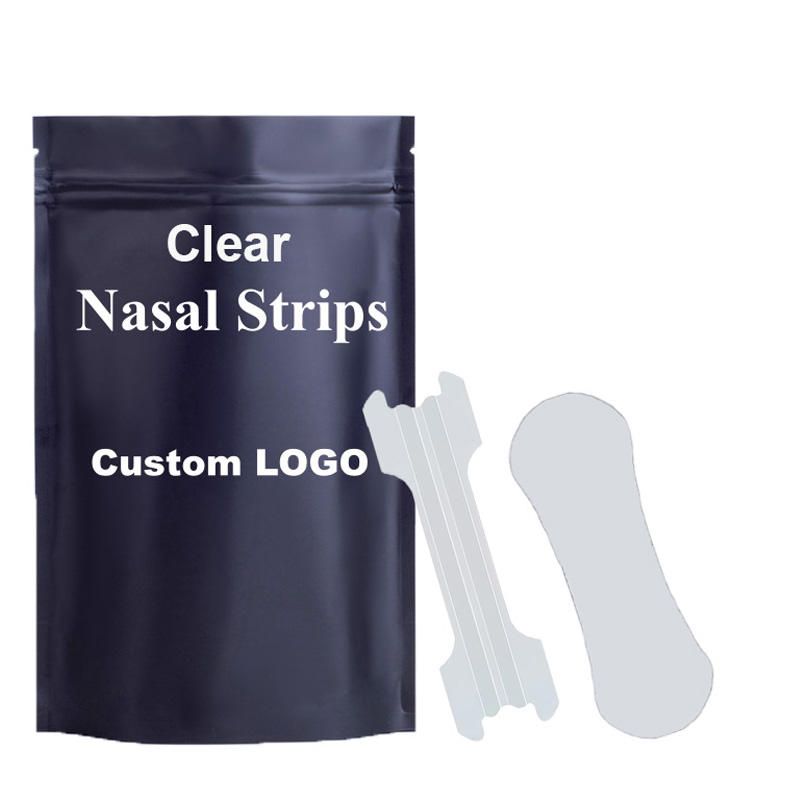
Premium Market Segment Analysis
High-End Consumer Characteristics
Premium nasal strips target affluent consumers who prioritize quality materials, advanced adhesive technology, and superior comfort during sleep. These customers typically demonstrate willingness to pay higher prices for products featuring hypoallergenic materials, extended wear duration, and minimal skin irritation. Research shows that premium segment buyers often purchase nasal strips as part of comprehensive sleep optimization routines, viewing them as investments in long-term health rather than temporary solutions. Brand loyalty remains particularly strong in this segment, with consumers frequently repurchasing trusted products despite higher costs.
Marketing strategies for premium nasal strips emphasize clinical testing, dermatologist recommendations, and superior manufacturing standards. These consumers respond favorably to detailed product specifications, ingredient transparency, and evidence-based performance claims. Distribution channels for premium products typically include specialized medical supply retailers, high-end pharmacies, and direct-to-consumer platforms that support detailed product education and customer service.
Pricing Strategy for Luxury Variants
Luxury nasal strips command premium pricing through value-added features such as essential oil infusion, advanced breathable materials, and ergonomic design improvements. Successful premium pricing requires demonstrable benefits that justify increased costs compared to standard alternatives. Market data suggests that premium nasal strips can achieve profit margins 40-60% higher than mid-tier products when positioned correctly within the wellness and sleep optimization market segments.
Packaging plays a critical role in premium positioning, with luxury nasal strips often featuring sophisticated designs, individual packaging for hygiene, and clear benefit communications. Price anchoring strategies prove effective, where premium variants are positioned alongside standard options to highlight enhanced value propositions and encourage upselling to quality-conscious consumers.
Mass Market Positioning Strategies
Mainstream Consumer Targeting
Mass market nasal strips focus on affordability, accessibility, and proven effectiveness for the broadest possible consumer base. This segment prioritizes value for money while maintaining acceptable quality standards that deliver reliable breathing improvement during sleep or physical activity. Mainstream consumers typically discover nasal strips through traditional retail channels, seeking products that address specific issues like snoring, congestion, or athletic performance enhancement without requiring significant financial commitment.
Product development for mass market nasal strips emphasizes cost-effective manufacturing while maintaining safety and efficacy standards. These products often feature simplified packaging, bulk purchasing options, and clear usage instructions that appeal to price-sensitive consumers. Marketing messages focus on practical benefits, ease of use, and comparison advantages over competing sleep improvement methods that may be more expensive or invasive.
Competitive Pricing Models
Mass market nasal strips require strategic pricing that balances affordability with sustainable profit margins. Successful brands employ psychological pricing techniques, such as pricing just below key threshold points, to maximize perceived value. Volume-based pricing strategies often include multi-pack discounts that encourage larger purchases while improving customer lifetime value and reducing per-unit acquisition costs.
Distribution partnerships with major retailers enable competitive pricing through economies of scale and reduced marketing costs. Mass market success depends on achieving optimal shelf positioning, competitive price points that undercut premium alternatives, and consistent product availability across multiple retail channels including supermarkets, discount stores, and online marketplaces.
Specialty Market Opportunities
Athletic Performance Segment
Athletic market nasal strips target sports enthusiasts, professional athletes, and fitness-conscious consumers seeking performance enhancement through improved breathing efficiency. This specialized segment justifies moderate premium pricing through sport-specific benefits, enhanced adhesive formulations for sweat resistance, and endorsements from athletic professionals. Market research indicates strong growth potential as awareness increases regarding the connection between nasal breathing and athletic performance optimization.
Product development for athletic nasal strips incorporates features like stronger adhesives, moisture-wicking materials, and designs that maintain effectiveness during intense physical activity. Marketing strategies emphasize performance metrics, professional athlete testimonials, and scientific studies demonstrating breathing improvement benefits for endurance, recovery, and overall athletic achievement.
Medical and Therapeutic Applications
Medical market nasal strips serve consumers with specific breathing conditions, sleep disorders, or physician recommendations for non-pharmaceutical breathing support. This segment supports higher pricing due to medical necessity positioning, insurance potential coverage, and healthcare provider recommendations. Therapeutic nasal strips often require additional regulatory compliance and clinical validation to support medical claims and professional endorsements.
Distribution through medical supply companies, sleep clinics, and healthcare provider offices creates additional market opportunities with different pricing dynamics. Medical market success requires building relationships with healthcare professionals, providing clinical evidence supporting therapeutic benefits, and maintaining quality standards that meet medical device regulations where applicable.
Geographic Market Variations
Regional Pricing Adaptations
Geographic market segmentation reveals significant pricing variations based on local economic conditions, healthcare systems, and cultural attitudes toward sleep and breathing products. Developed markets typically support higher nasal strips pricing due to increased disposable income, health awareness, and established distribution infrastructure. Emerging markets require adapted pricing strategies that balance affordability with market education about nasal strips benefits and usage.
Currency fluctuations, import duties, and local manufacturing capabilities influence regional pricing strategies for nasal strips. Successful global brands adapt packaging sizes, product formulations, and marketing messages to align with local preferences while maintaining core quality standards. Regional partnerships often prove essential for navigating local regulations, distribution networks, and competitive landscapes effectively.
Cultural Considerations in Market Development
Cultural attitudes toward sleep hygiene, medical devices, and personal wellness significantly impact nasal strips market acceptance and pricing strategies. Some regions demonstrate strong preference for natural or traditional breathing remedies, requiring educational marketing that positions nasal strips as complementary rather than replacement solutions. Understanding cultural sensitivities around nose-related products helps avoid marketing missteps while identifying unique positioning opportunities.
Local influencer partnerships, culturally relevant packaging designs, and region-specific benefit messaging help establish market presence for nasal strips in diverse geographic segments. Successful international expansion requires balancing global brand consistency with local market adaptations that resonate with specific cultural values and healthcare preferences.
Digital Marketing and E-commerce Strategies
Online Pricing Dynamics
E-commerce platforms create unique pricing opportunities and challenges for nasal strips manufacturers and retailers. Online marketplaces enable direct price comparison, requiring competitive positioning strategies that emphasize unique value propositions beyond cost considerations. Digital platforms also support subscription models, bulk ordering discounts, and personalized pricing strategies based on customer purchase history and preferences.
Search engine optimization and digital advertising costs must be factored into online pricing strategies for nasal strips. Successful digital marketing requires understanding customer acquisition costs, lifetime value calculations, and competitive bidding strategies that maintain profitability while achieving market share growth in crowded online environments.
Direct-to-Consumer Market Opportunities
Direct-to-consumer sales channels enable premium pricing strategies for nasal strips through enhanced customer education, personalized service, and brand control. These platforms support detailed product information, customer reviews, and educational content that justifies higher prices compared to generic alternatives available through traditional retail channels. Building customer relationships through direct channels improves retention rates and supports premium positioning strategies.
Subscription models for nasal strips create predictable revenue streams while offering customer convenience and potential cost savings. Successful direct-to-consumer brands invest in customer education, responsive customer service, and continuous product improvement based on direct user feedback and usage patterns.
FAQ
What factors most influence nasal strips pricing strategies
Nasal strips pricing strategies are primarily influenced by manufacturing costs, target market segments, competitive positioning, and perceived value propositions. Premium products justify higher prices through superior materials, clinical testing, and enhanced comfort features. Mass market positioning requires balancing affordability with quality to maximize market penetration. Geographic factors, distribution channels, and regulatory requirements also impact pricing decisions significantly.
How do different market segments respond to nasal strips pricing
Premium market segments demonstrate lower price sensitivity, focusing on quality, comfort, and brand reputation over cost considerations. Mass market consumers prioritize value for money, seeking effective solutions at accessible price points. Athletic segments accept moderate premiums for performance-enhancing features, while medical markets may support higher pricing due to therapeutic necessity and healthcare provider recommendations.
What role does packaging play in nasal strips market positioning
Packaging significantly impacts perceived value and market positioning for nasal strips across all price tiers. Premium products benefit from sophisticated packaging that communicates quality and hygiene, while mass market packaging emphasizes value and ease of use. Athletic packaging highlights performance benefits and durability, while medical packaging focuses on clinical credibility and professional appearance to support therapeutic positioning.
How can manufacturers optimize nasal strips pricing for different distribution channels
Manufacturers optimize nasal strips pricing by adapting strategies for each distribution channel's unique characteristics and customer expectations. Retail partnerships require competitive pricing that supports shelf positioning and volume sales. Direct-to-consumer channels enable premium pricing through enhanced customer education and service. Medical distribution supports higher margins through professional recommendations and therapeutic positioning, while online marketplaces demand competitive pricing with clear value differentiation.
One-Stop Custom Tape & Patch Supplier, Fully Certified & Safety Guaranteed
Name: Vicky Zhou
Call/Text: +86 198 0595 7675
Email: [email protected]
Website:https://www.hlktape.com
YouTube:https://www.youtube.com/@HLKTape