
 EN
EN


Cutting Shapes and Their Impact on Mouth Tape Fit
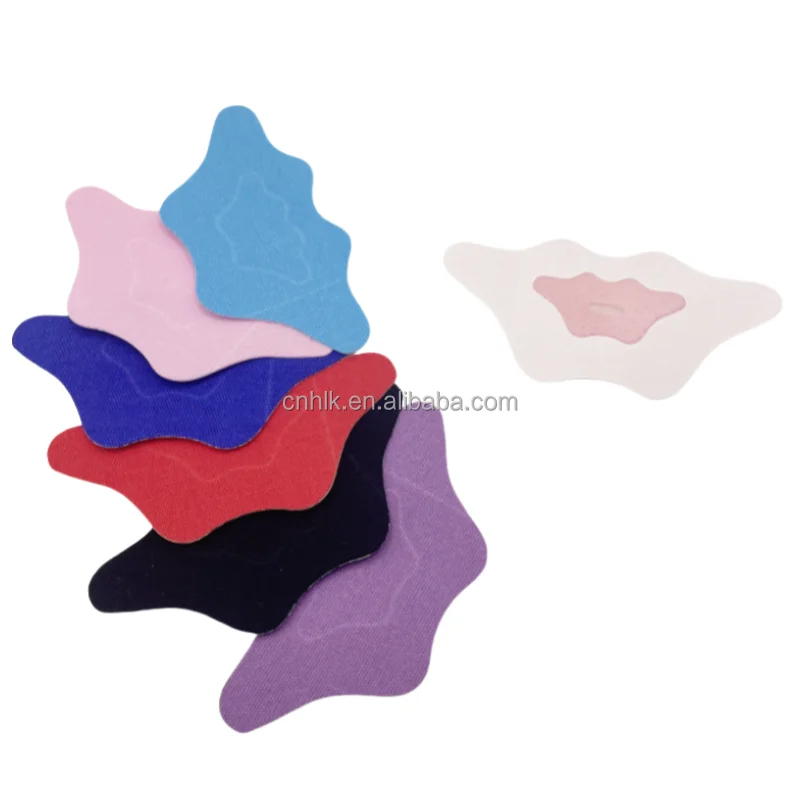
The quality and effectiveness of mouth tape largely depends on its shape, cutting precision, and how well it conforms to individual facial anatomy. Understanding how different cutting techniques and shapes impact mouth tape fit is crucial for manufacturers and users seeking optimal sleep quality and breathing support. Modern manufacturing processes have evolved to address the diverse needs of users, ensuring that mouth tape provides secure adhesion while maintaining comfort throughout the night.
Manufacturing Precision in Mouth Tape Design
Advanced Die-Cutting Technologies
Contemporary mouth tape production relies heavily on precision die-cutting systems that ensure consistent shape accuracy across thousands of units. These automated cutting processes eliminate human error and guarantee that each piece of mouth tape maintains identical dimensions and edge quality. The precision achieved through modern cutting technology directly impacts how well the mouth tape adheres to facial contours, reducing the likelihood of air gaps that could compromise effectiveness.
Laser cutting has emerged as another innovative approach in mouth tape manufacturing, offering unparalleled precision and clean edges. This technology allows manufacturers to create intricate shapes and patterns that enhance both functionality and user comfort. The smooth edges produced by laser cutting reduce skin irritation and improve the overall wearing experience, making mouth tape more suitable for extended use during sleep.
Quality Control in Shape Consistency
Maintaining consistent shape across production batches requires rigorous quality control measures that monitor cutting accuracy, edge smoothness, and dimensional tolerances. Advanced inspection systems use computer vision to detect even minor variations in mouth tape shape that could affect fit quality. This level of quality assurance ensures that users receive products that perform consistently, regardless of when they were manufactured.
Statistical process control methods help manufacturers identify trends in cutting accuracy and make real-time adjustments to maintain optimal shape consistency. These systems track parameters such as edge straightness, corner radius precision, and overall dimensional accuracy, ensuring that each mouth tape meets strict quality standards before packaging.
Anatomical Considerations for Optimal Fit
Facial Variation Analysis
Human facial anatomy varies significantly between individuals, requiring mouth tape designs that accommodate different lip shapes, sizes, and positioning. Research into facial anthropometry has revealed key measurements that influence how mouth tape should be shaped for maximum effectiveness. These findings have led to the development of multiple size options and contoured designs that better match natural facial curves.
The distance between the nose and upper lip, lip thickness, and overall mouth width all play crucial roles in determining the most suitable mouth tape shape for each user. Understanding these anatomical variations allows manufacturers to create products that provide secure adhesion without causing discomfort or leaving gaps that could allow mouth breathing during sleep.
Ergonomic Shape Development
Ergonomic principles guide the development of mouth tape shapes that work harmoniously with natural facial movements during sleep. The tape must maintain adhesion even when users change sleeping positions or experience minor facial muscle movements throughout the night. This requires careful consideration of stress distribution across the adhesive surface and strategic placement of flexible zones.
Advanced mouth tape designs incorporate curved edges and graduated thickness to reduce pressure points and improve comfort. These ergonomic features help prevent skin irritation and ensure that the tape remains securely in place throughout the entire sleep cycle, maximizing its effectiveness in promoting nasal breathing.
Material Properties and Shape Interaction
Adhesive Distribution Patterns
The shape of mouth tape directly influences how adhesive materials are distributed across the contact surface, affecting both initial adherence and long-term staying power. Strategic adhesive placement ensures optimal bonding with facial skin while allowing for comfortable removal in the morning. Different cutting patterns can create zones of varying adhesive strength, providing security where needed while maintaining gentleness in sensitive areas.
Modern mouth tape designs often feature perforated or micro-textured adhesive patterns that enhance breathability while maintaining secure attachment. These sophisticated adhesive distribution systems work in conjunction with precise cutting to create products that balance effectiveness with user comfort, addressing common concerns about skin irritation and removal difficulty.
Flexibility and Conformability
The ability of mouth tape to conform to facial contours depends heavily on both material properties and cutting geometry. Flexible materials require different cutting approaches than rigid ones to achieve optimal fit and comfort. Strategic placement of flex zones through specialized cutting patterns allows the tape to move naturally with facial expressions and sleep movements without losing adhesion.
Shape optimization considers the natural stretch characteristics of different materials, ensuring that the mouth tape can accommodate normal facial movements without creating uncomfortable tension or premature failure. This balance between flexibility and stability is crucial for maintaining effective mouth closure throughout the night while preserving user comfort.
User Experience and Comfort Factors
Comfort-Driven Design Elements
User comfort plays a central role in mouth tape shape development, as discomfort can lead to unconscious removal during sleep, defeating the purpose of nasal breathing promotion. Rounded corners and graduated edges help reduce pressure concentration and skin irritation, making the tape more comfortable for extended wear. These design elements require precise cutting to achieve the smooth transitions that enhance user experience.
The psychological aspect of comfort cannot be overlooked, as users must feel confident in their mouth tape choice to achieve consistent usage. Shape designs that appear less intrusive and feel more natural often result in better user compliance and more effective sleep improvement outcomes. This has led manufacturers to develop low-profile designs that provide effective mouth closure without feeling bulky or obvious.
Removal Ease and Skin Safety
The cutting pattern and overall shape of mouth tape significantly impact how easily and safely it can be removed upon waking. Strategically placed grip tabs and tear-away sections allow for gentle removal that minimizes skin stress and discomfort. These features must be precisely cut to maintain their integrity while providing reliable removal assistance when needed.
Advanced mouth tape designs incorporate removal aids that work seamlessly with the overall shape aesthetic, ensuring that functional elements do not compromise the product's effectiveness or appearance. The integration of these features requires sophisticated cutting techniques that maintain clean lines while creating the necessary functional elements for safe and easy removal.
Performance Testing and Validation
Adhesion Testing Protocols
Rigorous testing protocols evaluate how different cutting shapes and edge treatments affect mouth tape adhesion performance under various conditions. These tests simulate different sleeping environments, skin types, and movement patterns to ensure that the chosen shape provides reliable performance across diverse user scenarios. Data from these tests directly influences design refinements and cutting parameter adjustments.
Long-term adhesion testing reveals how shape factors influence mouth tape performance over extended wear periods, identifying potential failure modes and optimization opportunities. This testing data helps manufacturers fine-tune their cutting processes to produce shapes that maintain effectiveness throughout typical sleep cycles while minimizing user discomfort or skin irritation.
User Feedback Integration
Real-world user feedback provides valuable insights into how cutting shapes and edge treatments perform in actual use conditions, revealing aspects that laboratory testing might miss. This feedback helps manufacturers understand the relationship between shape characteristics and user satisfaction, leading to continuous improvements in cutting precision and design optimization.
Systematic collection and analysis of user experiences with different mouth tape shapes enables data-driven decisions about cutting parameters and shape modifications. This iterative improvement process ensures that products evolve to meet changing user needs while maintaining the high performance standards expected from quality mouth tape products.
Future Innovations in Cutting Technology
Smart Manufacturing Integration
Emerging smart manufacturing technologies promise to revolutionize mouth tape cutting precision and customization capabilities, potentially enabling mass production of personalized shapes based on individual facial measurements. These systems could integrate 3D facial scanning data with automated cutting equipment to produce mouth tape optimized for specific users, dramatically improving fit and effectiveness.
Artificial intelligence applications in cutting process optimization could continuously refine shape parameters based on performance data and user feedback, leading to ever-improving mouth tape designs. These intelligent systems could automatically adjust cutting parameters to account for material variations, environmental conditions, and quality targets, ensuring consistent output quality.
Sustainable Cutting Practices
Environmental considerations are driving innovations in mouth tape cutting processes that minimize waste while maintaining precision and quality. Advanced nesting algorithms optimize material usage by strategically arranging cutting patterns to reduce scrap material, making production more environmentally friendly without compromising product quality.
Biodegradable cutting technologies and eco-friendly manufacturing processes are being developed to address growing environmental concerns while maintaining the precision required for effective mouth tape production. These innovations ensure that future mouth tape products can deliver exceptional performance while minimizing environmental impact through responsible manufacturing practices.
FAQ
How does cutting precision affect mouth tape adhesion quality
Cutting precision directly impacts adhesion quality by ensuring clean, smooth edges that make full contact with facial skin. Rough or irregular edges created by imprecise cutting can create air gaps and reduce the effective adhesive contact area, leading to poor adhesion and potential failure during sleep. High-precision cutting methods produce consistent edge quality that maximizes adhesive contact and improves overall mouth tape performance.
What role does shape play in mouth tape comfort levels
Shape significantly influences comfort by determining how pressure is distributed across the contact area and how well the tape conforms to individual facial contours. Properly designed shapes with rounded corners and graduated edges reduce pressure concentration points that could cause discomfort or skin irritation. The shape must balance secure adhesion with gentle contact to ensure comfortable wear throughout the night.
Can cutting techniques improve mouth tape breathability
Advanced cutting techniques can incorporate micro-perforations or specialized patterns that enhance breathability while maintaining structural integrity. These cutting approaches create controlled air pathways that allow some air circulation around the tape edges without compromising the primary function of promoting nasal breathing. However, the balance between breathability and effectiveness must be carefully managed through precise cutting control.
How do manufacturers ensure consistent shape quality across production batches
Manufacturers employ automated cutting systems with computer-controlled precision, statistical process control monitoring, and comprehensive quality inspection protocols to ensure consistent shape quality. These systems continuously monitor cutting parameters and use feedback control to maintain tight tolerances across large production runs. Regular calibration and maintenance of cutting equipment, combined with incoming material inspection, help ensure that shape consistency meets strict quality standards throughout production.
One-Stop Custom Tape & Patch Supplier, Fully Certified & Safety Guaranteed
Name: Vicky Zhou
Call/Text: +86 198 0595 7675
Email: [email protected]
Website:https://www.hlktape.com
YouTube:https://www.youtube.com/@HLKTape