
 EN
EN


How Do NasalStrips Improve Airflow Through Physical Lifting?
Breathing difficulties during sleep and daily activities affect millions of people worldwide, creating a significant demand for effective solutions. Nasal strips have emerged as a popular non-invasive option for improving airflow through the nasal passages. These simple yet innovative devices work by physically lifting the nasal tissues to create wider breathing channels, offering relief for those experiencing nasal congestion, snoring, or breathing restrictions. Understanding how nasal strips function through their physical lifting mechanism provides valuable insights into their effectiveness and proper application for optimal respiratory benefits.
The Science Behind Physical Lifting Mechanisms
Anatomical Structure of Nasal Passages
The human nasal cavity consists of complex structures including the septum, turbinates, and flexible cartilage that can restrict airflow when compromised. Nasal strips target the external nasal valve area, which represents the narrowest portion of the nasal airway in many individuals. This region is particularly susceptible to collapse during breathing, especially when inflammatory conditions or structural variations are present. The external nasal valve is formed by the nasal septum, the upper lateral cartilage, and the nasal floor, creating a triangular opening that significantly impacts breathing efficiency.
When the nasal passages become constricted due to swelling, structural abnormalities, or muscle relaxation during sleep, the natural airflow becomes turbulent and reduced. This restriction forces individuals to breathe through their mouths, leading to various complications including dry mouth, throat irritation, and disrupted sleep patterns. The strategic placement of nasal strips directly addresses these anatomical challenges by providing external mechanical support to maintain optimal passage width.
Physical Forces and Adhesive Technology
The effectiveness of nasal strips relies on spring-like bands embedded within an adhesive base that creates controlled tension across the nose bridge. These bands are typically manufactured from flexible materials such as plastic or metal alloys that maintain consistent lifting force throughout the wearing period. The adhesive component must balance strong attachment with comfortable removal, utilizing medical-grade materials that accommodate various skin types and environmental conditions.
The lifting force generated by nasal strips is precisely calibrated to provide sufficient upward pressure without causing discomfort or skin irritation. Research indicates that optimal lifting force ranges between 0.5 to 2.0 newtons, depending on individual nasal anatomy and the degree of restriction present. This controlled tension works continuously to counteract the natural tendency of nasal tissues to collapse inward, maintaining expanded airways throughout the duration of use.
Mechanisms of Improved Airflow
Valve Area Expansion
The primary mechanism through which nasal strips improve breathing involves expanding the cross-sectional area of the nasal valve region. Clinical studies demonstrate that nasal strips can increase nasal airway area by 15-30% in healthy individuals, with even greater improvements observed in those with pre-existing nasal restrictions. This expansion directly correlates with reduced nasal resistance and improved airflow rates during both inspiratory and expiratory phases of breathing.
The geometric changes induced by nasal strips create a more streamlined airflow pattern, reducing turbulence and the associated resistance that impedes efficient breathing. By maintaining the natural curvature of the nasal passages while preventing collapse, these devices optimize the aerodynamic properties of the airway. The result is smoother, more laminar airflow that requires less effort from respiratory muscles and provides more effective oxygen delivery to the lungs.
Pressure Differential Optimization
Nasal strips modify the pressure differentials within the nasal cavity by preventing the negative pressure collapse that commonly occurs during inspiration. During normal breathing, the inspiratory effort creates negative pressure within the nasal passages, which can cause flexible tissues to collapse inward and restrict airflow. The external lifting force provided by nasal strips counteracts this negative pressure effect, maintaining stable passage dimensions throughout the respiratory cycle.
This pressure optimization is particularly beneficial during sleep when muscle tone naturally decreases and airways become more susceptible to collapse. The consistent mechanical support ensures that nasal passages remain open even when surrounding tissues are relaxed, preventing the cascade of events that leads to mouth breathing and associated sleep disturbances. The maintained pressure balance also reduces the work of breathing, allowing for more efficient oxygen uptake and carbon dioxide removal.
Applications and Effectiveness
Sleep Quality Enhancement
The application of nasal strips for sleep improvement has gained significant attention due to their impact on both snoring reduction and overall sleep quality. When nasal breathing is optimized through physical lifting, the tendency to mouth breathe decreases substantially, leading to reduced vibration of soft tissues that cause snoring sounds. Studies indicate that nasal strips can reduce snoring intensity by 20-40% in individuals with nasal-based breathing restrictions.
Beyond snoring reduction, improved nasal airflow contributes to better sleep architecture by maintaining optimal oxygen saturation levels throughout the night. The enhanced breathing efficiency allows for deeper, more restorative sleep stages, resulting in improved daytime alertness and cognitive function. Users frequently report reduced morning grogginess and decreased frequency of nighttime awakenings when using nasal strips consistently.
Athletic Performance Benefits
Athletes and fitness enthusiasts have increasingly adopted nasal strips to optimize breathing during physical activities. The improved airflow provided by these devices can enhance oxygen delivery to working muscles, potentially improving endurance and reducing perceived exertion during exercise. The mechanical lifting action ensures that nasal passages remain open even during intense physical activity when breathing demands are elevated.
Research suggests that nasal strips may provide particular benefits for activities requiring sustained aerobic effort, where efficient oxygen uptake is critical for performance. The devices help maintain nasal breathing patterns during exercise, which offers advantages including better air filtration, humidification, and temperature regulation compared to mouth breathing. These benefits contribute to improved exercise tolerance and potentially faster recovery times.
Design Variations and Innovations
Material Engineering Advances
Modern nasal strips incorporate advanced materials engineering to optimize both effectiveness and comfort. The spring elements are crafted from materials that maintain consistent elasticity across varying temperatures and humidity levels, ensuring reliable performance in different environmental conditions. Innovations in adhesive technology have led to formulations that provide secure attachment while minimizing skin irritation and allowing for comfortable removal without residue.
Recent developments include breathable backing materials that prevent moisture buildup and reduce the risk of skin maceration during extended wear. Some manufacturers have introduced hypoallergenic formulations specifically designed for sensitive skin types, expanding the accessibility of nasal strips to a broader user population. The integration of antimicrobial agents in certain products helps prevent bacterial growth and maintains hygiene during prolonged use.
Magnetic and Alternative Technologies
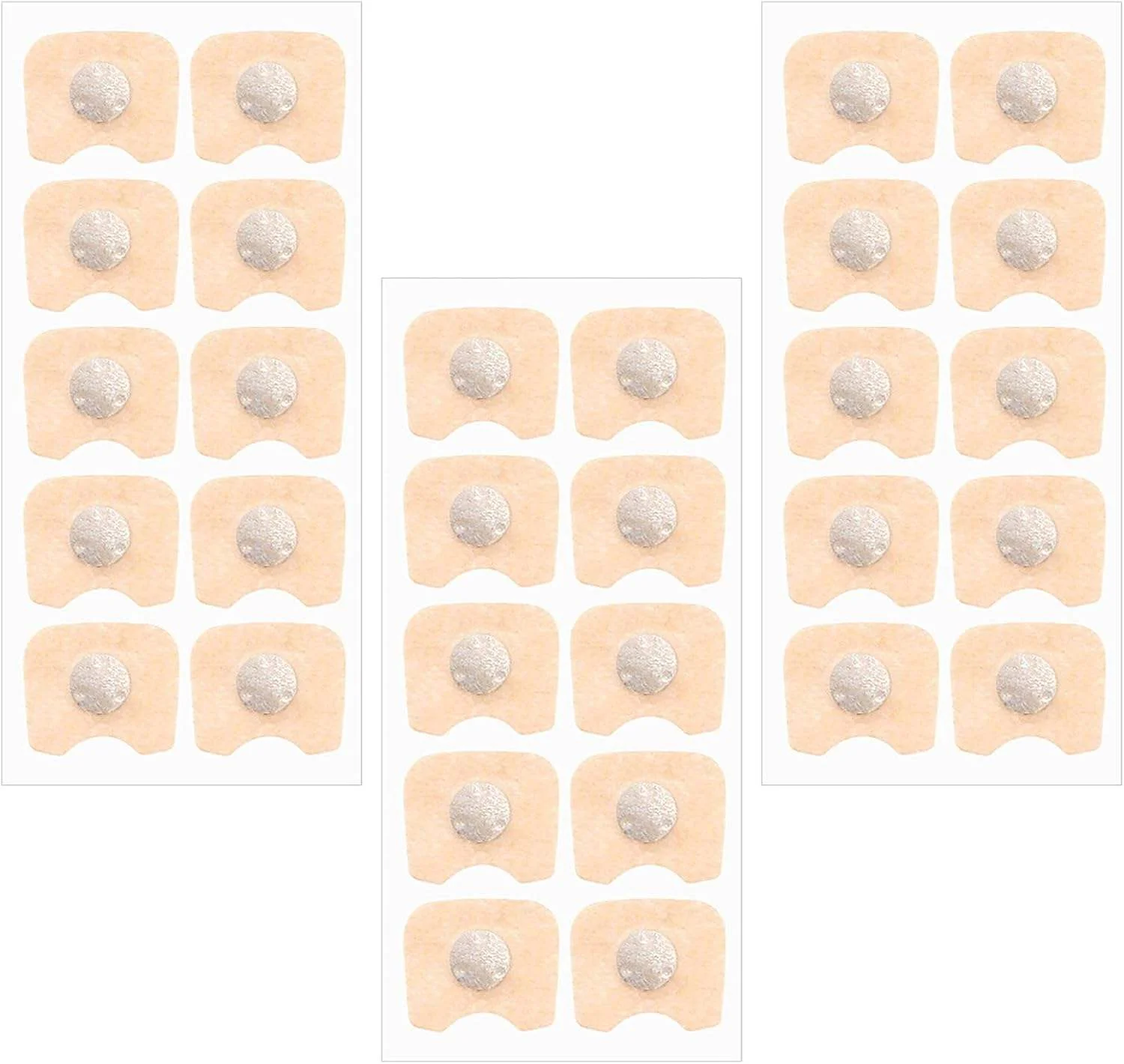
Emerging variations of traditional nasal strips incorporate magnetic elements to provide alternative lifting mechanisms. These magnetic nasal strips utilize strategically placed magnets to create upward force on nasal tissues, offering a different approach to achieving the same fundamental goal of airway expansion. The magnetic systems may provide more consistent force distribution and potentially longer-lasting effectiveness compared to traditional spring-based designs.
Other innovative approaches include adjustable tension systems that allow users to customize the lifting force based on individual needs and preferences. These advanced designs recognize that optimal nasal strip performance varies among individuals due to differences in nasal anatomy, skin thickness, and breathing patterns. The ability to fine-tune the lifting force enhances both comfort and effectiveness, potentially improving user compliance and satisfaction.
Clinical Evidence and Research
Objective Measurement Studies
Extensive clinical research has been conducted to objectively measure the effects of nasal strips on breathing parameters. Rhinomanometry studies, which measure nasal airflow resistance, consistently demonstrate significant improvements in nasal patency when nasal strips are applied. These measurements provide quantitative evidence of the devices' effectiveness in reducing breathing resistance and improving airflow rates.
Computed tomography and acoustic rhinometry studies have provided detailed visualization of the anatomical changes induced by nasal strips. These imaging techniques reveal the precise mechanisms through which the devices expand nasal passages and optimize airflow patterns. The objective data supports the clinical observations of improved breathing and validates the theoretical framework underlying nasal strip function.
Subjective Outcome Assessments
Patient-reported outcomes consistently indicate high levels of satisfaction with nasal strips for addressing breathing difficulties. Validated questionnaires measuring sleep quality, daytime symptoms, and overall quality of life show statistically significant improvements following nasal strip use. These subjective measures complement the objective physiological data and provide important insights into the real-world impact of these devices.
Long-term follow-up studies have examined the sustained benefits of regular nasal strip use, revealing that most users experience continued improvement in breathing and sleep quality over extended periods. The absence of tolerance or diminishing effects supports the mechanical nature of the intervention and suggests that nasal strips remain effective with consistent use. Patient preference studies indicate high acceptance rates and willingness to continue using nasal strips long-term.
FAQ
How long can nasal strips be worn safely
Nasal strips are designed for single-use application and can typically be worn safely for up to 12 hours continuously. Most manufacturers recommend removing the strips before showering or sleeping beyond this timeframe to prevent skin irritation. For individuals with sensitive skin, starting with shorter wearing periods of 4-6 hours can help assess tolerance before extending to longer durations.
Can nasal strips cause any side effects
The most common side effects associated with nasal strips are mild skin irritation, redness, or temporary marks from the adhesive. These effects are generally minimal and resolve quickly after removal. Individuals with very sensitive skin or adhesive allergies should test a small area first or consult with a healthcare provider before regular use.
Do nasal strips work for all types of nasal congestion
Nasal strips are most effective for congestion caused by structural issues or external valve collapse rather than internal swelling from allergies or infections. They work best when the primary problem is mechanical narrowing of the nasal passages rather than inflammatory conditions. Individuals with severe deviated septum or other significant structural abnormalities may experience limited benefits.
How should nasal strips be properly applied
Proper application involves cleaning the nose area, removing oils or lotions, and positioning the strip across the widest part of the nose bridge. The strip should be pressed firmly for 30 seconds to ensure good adhesion, with the lifting bands centered over the nasal valve area. Removing the strip should be done slowly while supporting the skin to minimize discomfort and prevent irritation.
One-Stop Custom Tape & Patch Supplier, Fully Certified & Safety Guaranteed
Name: Vicky Zhou
Call/Text: +86 198 0595 7675
Email: [email protected]
Website:https://www.hlktape.com
YouTube:https://www.youtube.com/@HLKTape