
 EN
EN


How Nasal Strips Work: The Science Behind Snore-Free Nights and Deep Sleep
Manufacturing nasal strips requires precision engineering and specialized industrial processes that combine medical-grade materials with advanced production techniques. The creation of these breathing aids involves sophisticated lamination methods, precise die-cutting operations, and high-quality printing processes that ensure both functionality and consumer appeal. Understanding how nasal strips are manufactured provides valuable insights into the complexity behind these seemingly simple medical devices that millions rely on for better sleep and improved breathing.
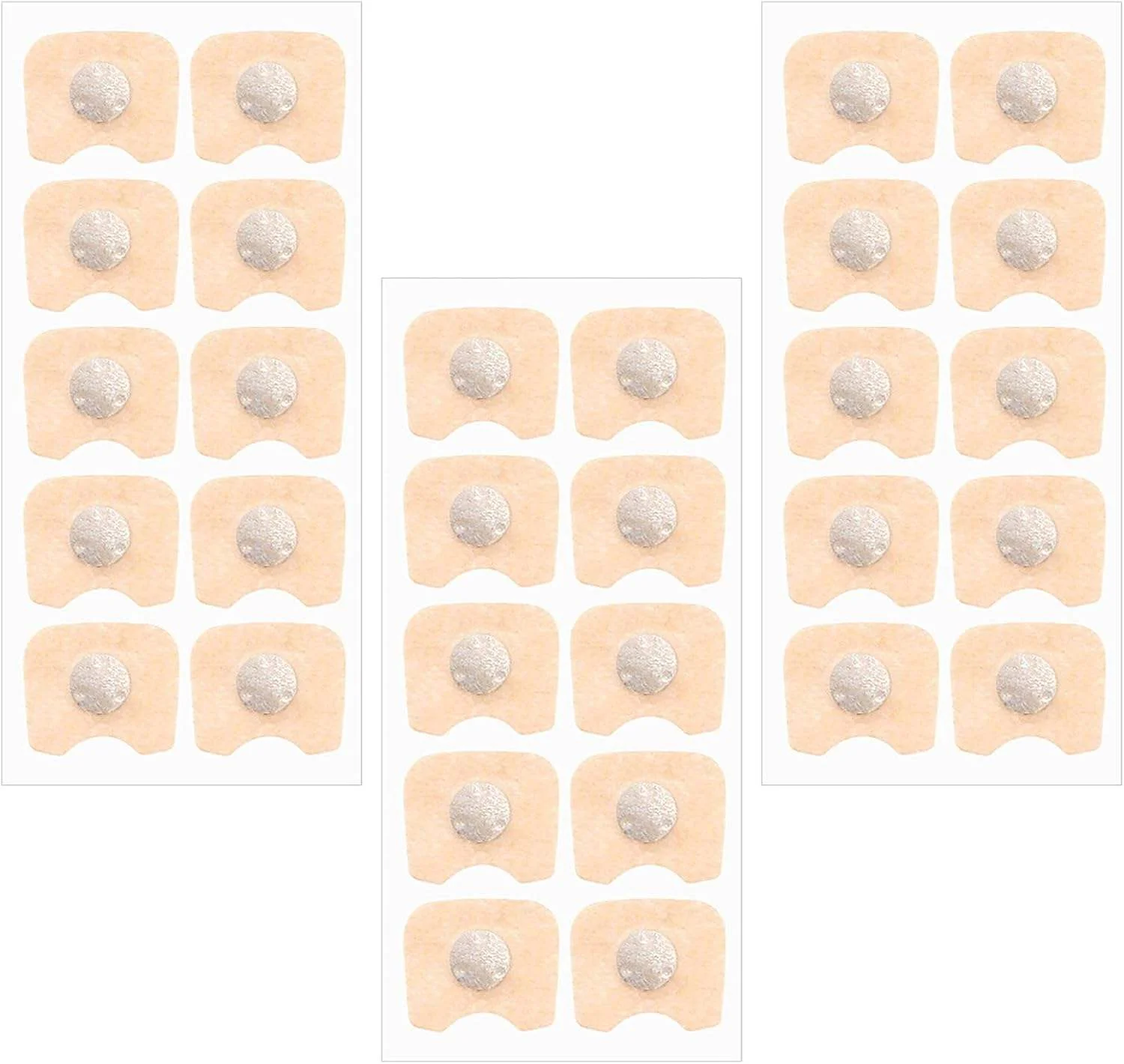
Advanced Lamination Techniques in Nasal Strip Production
Multi-Layer Material Assembly Process
The foundation of quality nasal strips lies in the sophisticated lamination process that bonds multiple material layers into a cohesive unit. This process begins with the careful selection of medical-grade adhesives that provide optimal skin contact while maintaining hypoallergenic properties. The lamination machinery operates under controlled temperature and pressure conditions, typically ranging from 140-180 degrees Fahrenheit with pressures between 15-25 PSI, ensuring complete adhesion between layers without compromising material integrity.
Modern lamination equipment uses precision roller systems that apply uniform pressure across the entire width of the material web. The process involves feeding the base substrate, typically a flexible polyethylene or polypropylene film, through heated rollers where the adhesive layer is applied. Subsequently, the spring-like reinforcement strips, often made from thermoplastic materials, are precisely positioned and bonded to create the structural backbone that enables nasal strips to gently lift nasal passages.
Quality Control During Lamination
Quality assurance during the lamination phase involves continuous monitoring of bond strength, adhesive distribution, and layer alignment. Automated vision systems inspect each linear foot of laminated material for defects, measuring parameters such as adhesive coverage uniformity and reinforcement strip positioning accuracy. Temperature sensors throughout the lamination line ensure consistent heat application, while tension control systems maintain optimal material handling to prevent wrinkles or delamination issues.
The laminated material undergoes immediate testing for peel strength and adhesion properties using standardized ASTM testing protocols. This ensures that each batch of nasal strips will perform consistently when applied to skin, providing the necessary lifting force while remaining comfortable for extended wear periods. Advanced manufacturing facilities often employ real-time statistical process control to maintain lamination parameters within tight tolerances.
Precision Die-Cutting Operations
Rotary Die-Cutting Technology
The transformation of laminated material webs into individual nasal strips occurs through highly precise rotary die-cutting operations. This process utilizes custom-engineered cutting dies manufactured from hardened steel, featuring razor-sharp edges that cleanly slice through multiple material layers without causing delamination or edge fraying. The rotary die-cutting systems operate at speeds up to 500 feet per minute while maintaining cutting accuracy within ±0.002 inches across all dimensions.
Each cutting die is specifically designed to accommodate the unique shape requirements of different nasal strip variants, including standard sizes, pediatric versions, and specialized athletic formulations. The die design incorporates features such as perforations for easy removal from backing materials and precise radius cuts that eliminate sharp edges which could cause skin irritation. Advanced die-cutting lines include automatic waste removal systems that efficiently strip away excess material, maintaining clean production environments.
Dimensional Accuracy and Edge Quality
Achieving consistent dimensional accuracy in die-cut nasal strips requires sophisticated process control and regular die maintenance. Cutting dies undergo regular inspection and reconditioning to maintain optimal edge sharpness and dimensional stability. Laser measurement systems continuously monitor cut part dimensions, automatically adjusting cutting parameters to compensate for die wear or material variations.
The edge quality of die-cut nasal strips directly impacts user comfort and product performance. Clean, smooth edges prevent skin irritation during application and removal, while precise dimensional control ensures consistent fit across different facial anatomies. Quality control protocols include microscopic inspection of cutting edges and statistical sampling of finished parts to verify dimensional compliance with established tolerances.
Advanced Printing and Decoration Processes
Flexographic Printing Systems
The printing of branding, instructions, and regulatory information on nasal strips employs specialized flexographic printing systems designed for medical device applications. These systems utilize FDA-approved inks that maintain their integrity when in contact with skin while providing excellent adhesion to various substrate materials. The flexographic printing process operates at web speeds synchronized with the overall production line, ensuring seamless integration with lamination and die-cutting operations.
Printing plates for nasal strips feature high-resolution engravings that produce crisp text and graphics even on the small surface areas typical of these products. Color registration systems maintain precise alignment of multiple ink colors, essential for producing attractive packaging graphics and clear instructional text. The printing process includes inline quality inspection systems that detect ink density variations, registration errors, and missing print elements before defective products proceed to packaging.
UV Curing and Ink Adhesion
Many modern nasal strip manufacturing lines incorporate UV curing systems that instantly dry and cure printed inks, enabling immediate downstream processing without risk of smearing or offset. UV curing provides superior ink adhesion and chemical resistance compared to traditional thermal drying methods, particularly important for products that may encounter moisture during use. The UV curing process also enables the use of specialized inks with enhanced properties such as antimicrobial additives or skin-conditioning agents.
Ink formulations for nasal strips must meet stringent biocompatibility requirements while providing excellent printability and durability. These specialized inks undergo extensive testing for skin sensitization, cytotoxicity, and migration resistance to ensure they meet medical device regulatory standards. The printing process parameters, including ink viscosity, anilox roller specifications, and impression pressure, are carefully optimized to achieve consistent print quality while minimizing material waste.
Specialized Manufacturing Equipment and Technology
Automated Production Line Integration
Modern nasal strip manufacturing employs fully integrated production lines that seamlessly combine lamination, printing, die-cutting, and packaging operations under computer control. These automated systems feature sophisticated material handling equipment including tension control systems, web guiding mechanisms, and splice preparation stations that enable continuous operation with minimal manual intervention. Production line speeds are optimized to balance throughput with quality requirements, typically operating at 300-600 parts per minute depending on product complexity.
The integration of Industry 4.0 technologies enables real-time monitoring and optimization of all manufacturing parameters. Sensors throughout the production line continuously collect data on temperature, pressure, speed, and material properties, feeding this information to central control systems that can automatically adjust process parameters to maintain optimal quality. Predictive maintenance algorithms analyze equipment performance data to schedule maintenance activities before failures occur, maximizing production uptime.
Clean Room Manufacturing Environment
Production of nasal strips occurs within controlled clean room environments that meet or exceed ISO 14644 Class 8 cleanliness standards. These facilities maintain strict controls over airborne particulates, temperature, humidity, and air circulation to prevent contamination of products intended for direct skin contact. Personnel entering production areas follow rigorous gowning procedures and undergo regular training on contamination control protocols.
Environmental monitoring systems continuously track air quality, surface cleanliness, and microbial levels throughout manufacturing areas. HEPA filtration systems maintain positive air pressure differentials between manufacturing and non-manufacturing areas, while specialized air handling systems provide precise temperature and humidity control essential for consistent adhesive performance and material handling. Regular validation and calibration of all monitoring equipment ensures compliance with medical device manufacturing regulations.
Quality Assurance and Testing Protocols
Raw Material Inspection and Qualification
Comprehensive quality assurance for nasal strips begins with rigorous incoming material inspection and supplier qualification programs. All raw materials, including substrate films, adhesives, reinforcement strips, and packaging materials, undergo extensive testing to verify compliance with established specifications. Material certificates of analysis are reviewed for critical properties such as tensile strength, elongation, adhesion values, and biocompatibility test results.
Supplier qualification programs include on-site audits of material manufacturing facilities to assess quality systems, process controls, and regulatory compliance capabilities. Long-term supplier relationships are maintained through regular performance reviews and collaborative improvement initiatives. Critical materials are sourced from multiple qualified suppliers to ensure supply chain resilience and maintain consistent material quality across different production lots.
Finished Product Performance Testing
Finished nasal strips undergo comprehensive performance testing that evaluates both functional and safety characteristics. Lift force testing measures the mechanical properties that enable nasal strips to gently elevate nasal tissues, using standardized test fixtures that simulate actual use conditions. Adhesion testing evaluates the bond strength between the adhesive and various skin types while also measuring removal force to ensure comfortable product removal.
Biocompatibility testing follows ISO 10993 standards and includes cytotoxicity, sensitization, and irritation studies conducted by accredited testing laboratories. Accelerated aging studies evaluate product stability under various environmental conditions, ensuring that nasal strips maintain their performance characteristics throughout their intended shelf life. Package integrity testing verifies that protective packaging maintains product sterility and prevents contamination during storage and distribution.
Environmental Considerations and Sustainability
Waste Reduction and Material Optimization
Modern nasal strip manufacturing incorporates sustainable practices that minimize material waste and environmental impact throughout the production process. Advanced nesting algorithms optimize die-cutting patterns to maximize material utilization, often achieving yield rates exceeding 85% from raw material webs. Waste material from die-cutting operations is collected and processed for recycling or energy recovery, preventing disposal in landfills.
Continuous improvement initiatives focus on reducing material consumption through design optimization and process refinement. Finite element analysis is used to optimize the thickness and geometry of reinforcement strips, achieving required performance characteristics with minimal material usage. Adhesive application systems are precisely calibrated to apply optimal coating weights, reducing both material costs and environmental impact while maintaining product performance.
Energy Efficient Manufacturing Processes
Energy efficiency improvements in nasal strip manufacturing include the implementation of variable frequency drives on all major motor applications, LED lighting systems, and heat recovery systems that capture and reuse waste heat from manufacturing processes. Modern lamination systems incorporate energy-efficient heating elements and improved insulation to reduce thermal energy consumption while maintaining precise temperature control.
Manufacturing facilities increasingly utilize renewable energy sources such as solar panels and wind power to reduce carbon footprint associated with nasal strip production. Energy management systems continuously monitor and optimize power consumption across all manufacturing equipment, identifying opportunities for efficiency improvements and cost reduction. These sustainability initiatives not only benefit the environment but also improve manufacturing cost competitiveness.
Regulatory Compliance and Documentation
FDA Medical Device Regulations
Manufacturing of nasal strips must comply with FDA regulations governing Class I medical devices, including adherence to Good Manufacturing Practice (GMP) requirements outlined in 21 CFR Part 820. This comprehensive regulatory framework governs all aspects of manufacturing from design controls and risk management to production processes and quality system requirements. Manufacturing facilities undergo regular FDA inspections to verify compliance with all applicable regulations.
Device master records document all aspects of nasal strip design and manufacturing, including material specifications, process parameters, and quality control requirements. These records serve as the foundation for manufacturing consistency and regulatory compliance, providing detailed instructions for production personnel while enabling traceability throughout the manufacturing process. Any changes to manufacturing processes require formal change control procedures and regulatory review.
International Quality Standards
Nasal strip manufacturers typically maintain ISO 13485 certification, the international standard for quality management systems in medical device manufacturing. This standard requires comprehensive documentation of all manufacturing processes, regular internal audits, and continuous improvement initiatives. Compliance with ISO 13485 facilitates global market access by demonstrating adherence to internationally recognized quality standards.
Additional certifications such as CE marking for European markets and Health Canada licensing for Canadian distribution require compliance with region-specific regulations and standards. These international requirements often exceed basic FDA requirements, driving manufacturers to implement robust quality systems that ensure global regulatory compliance. Regular third-party audits verify continued compliance with all applicable standards and regulations.
FAQ
What materials are typically used in nasal strip construction
Nasal strips are constructed using medical-grade polyethylene or polypropylene substrate films combined with hypoallergenic adhesives and thermoplastic reinforcement strips. The substrate provides flexibility and skin compatibility, while the reinforcement strips, often made from materials like polyester or nylon, provide the spring-like action necessary to lift nasal passages. All materials must meet biocompatibility standards and undergo extensive testing for skin safety.
How long does the complete manufacturing process take
The actual production time for nasal strips on automated manufacturing lines is typically measured in seconds per unit, with modern high-speed lines capable of producing 300-600 strips per minute. However, the complete process from raw material receipt through quality testing and packaging can span several days when including material preparation, setup time, quality control testing, and packaging operations. Batch processing and quality hold times for testing may extend the total cycle time to several weeks for complex regulatory requirements.
What quality tests are performed on finished nasal strips
Finished nasal strips undergo comprehensive testing including dimensional verification, adhesion strength measurement, lift force testing, and biocompatibility evaluation. Physical tests measure properties such as tensile strength, elongation, and peel force to ensure consistent performance. Biocompatibility testing includes cytotoxicity, skin irritation, and sensitization studies following ISO 10993 standards. Additionally, package integrity, sterility validation, and accelerated aging studies verify product safety and shelf life stability.
How do manufacturers ensure consistent adhesive performance
Consistent adhesive performance in nasal strips is achieved through precise process control during adhesive application, including monitoring of coating weight, temperature, and curing conditions. Raw material specifications ensure batch-to-batch adhesive consistency, while incoming inspection verifies key properties such as viscosity and tack level. In-process testing measures adhesion strength using standardized test methods, and statistical process control maintains manufacturing parameters within established limits to ensure reliable adhesive performance across all production lots.
One-Stop Custom Tape & Patch Supplier, Fully Certified & Safety Guaranteed
Name: Vicky Zhou
Call/Text: +86 198 0595 7675
Email: [email protected]
Website:https://www.hlktape.com
YouTube:https://www.youtube.com/@HLKTape