
 EN
EN


The Athlete's Secret: How Non-Woven Nasal Strips Boost Oxygen Intake During Runs
Running performance depends heavily on efficient oxygen delivery to working muscles, yet many athletes overlook one of the most accessible solutions for improving breathing efficiency. Non-woven nasal strips have emerged as a game-changing tool for runners seeking to maximize their oxygen intake without relying on complex equipment or invasive procedures. These innovative breathing aids work by gently lifting nasal passages, creating wider airways that allow for significantly increased airflow during physical exertion.
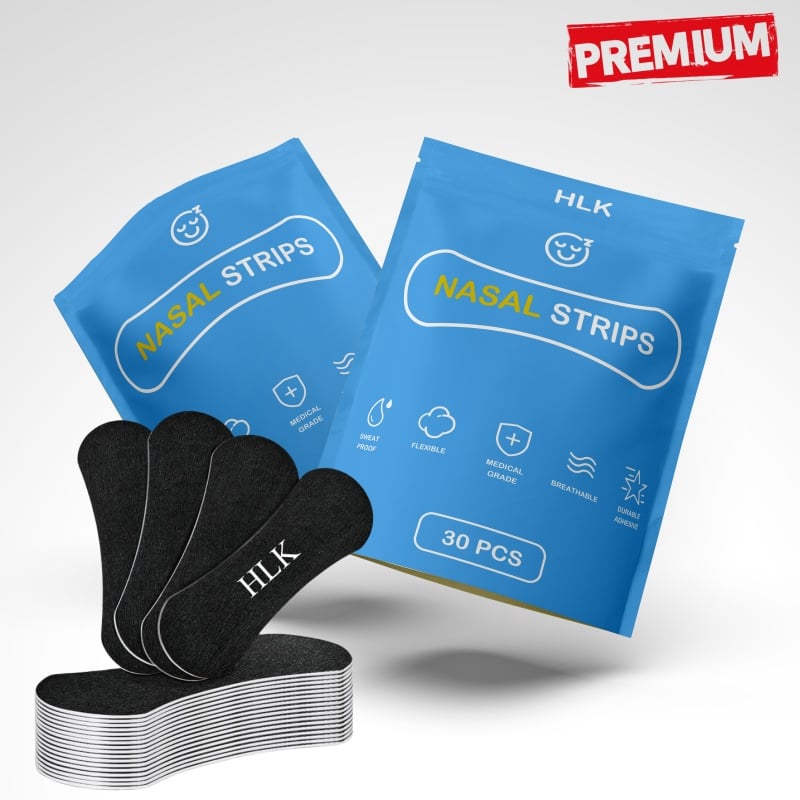
The science behind nasal breathing during exercise reveals why non-woven nasal strips deliver such remarkable results for athletic performance. When runners maintain nasal breathing patterns, they naturally filter, warm, and humidify incoming air more effectively than mouth breathing alone. This optimized air conditioning process helps protect delicate lung tissues while ensuring that oxygen reaches the bloodstream in its most bioavailable form. Professional athletes across various endurance sports have discovered that incorporating non-woven nasal strips into their training regimens leads to measurable improvements in both performance metrics and recovery times.
Understanding the Physiology of Nasal Breathing During Exercise
How Nasal Airways Function Under Physical Stress
During intense physical activity, the body's demand for oxygen increases dramatically, often by 15 to 25 times the resting rate. The nasal passages, which contain complex turbinate structures and mucous membranes, can become constricted due to increased blood flow and tissue swelling. This physiological response, while protective in nature, can significantly limit airflow when athletes need it most. Non-woven nasal strips address this challenge by providing external mechanical support that counteracts the natural narrowing of nasal passages during exercise.
The three-dimensional structure of nasal airways includes the nasal valve area, which represents the narrowest portion of the entire respiratory tract. When this critical region becomes compromised during physical exertion, athletes often compensate by switching to mouth breathing, which bypasses the nose's natural air conditioning system. By maintaining optimal nasal airway dimensions, non-woven nasal strips help preserve the nose's superior ability to prepare incoming air for efficient gas exchange in the lungs.
Oxygen Transport Efficiency and Athletic Performance
The relationship between nasal breathing and oxygen transport efficiency extends beyond simple airflow mechanics. Research indicates that nasal breathing stimulates the production of nitric oxide, a powerful vasodilator that enhances blood vessel function and improves oxygen delivery to working muscles. This biochemical advantage becomes particularly significant during endurance activities where sustained oxygen delivery determines performance outcomes. Non-woven nasal strips help maintain these beneficial nasal breathing patterns even as exercise intensity increases.
Athletes who consistently use non-woven nasal strips during training often report improved exercise tolerance and reduced perceived exertion levels. These subjective improvements correspond with objective measures showing better oxygen saturation levels and more efficient breathing patterns. The cumulative effect of enhanced oxygen transport efficiency can translate into meaningful performance gains, particularly in events lasting longer than 30 minutes where aerobic metabolism predominates.
Material Science and Design Features of Non-Woven Nasal Strips
Advanced Non-Woven Fabric Technology
The construction of modern non-woven nasal strips incorporates sophisticated materials engineering designed to balance flexibility, strength, and skin compatibility. Unlike traditional woven fabrics, non-woven materials consist of fibers bonded together through mechanical, thermal, or chemical processes that create a fabric structure optimized for specific performance characteristics. This manufacturing approach allows for precise control over properties such as breathability, moisture management, and adhesive compatibility that are crucial for athletic applications.
The fiber composition of high-quality non-woven nasal strips typically includes synthetic polymers selected for their hypoallergenic properties and dimensional stability. These materials maintain their structural integrity when exposed to perspiration, humidity, and the mechanical stresses associated with facial movement during exercise. Advanced non-woven nasal strips also incorporate graduated thickness profiles that provide optimal lifting force while ensuring comfortable conformity to diverse facial anatomies.
Adhesive Systems and Skin Interface Design
The adhesive technology used in non-woven nasal strips represents a critical component that determines both performance and user comfort. Medical-grade adhesives must provide secure attachment throughout extended exercise sessions while allowing for pain-free removal without skin irritation. The adhesive formulation includes pressure-sensitive polymers that create strong initial bonds while maintaining repositionability during the first few moments of application.
Modern adhesive systems also incorporate moisture-resistant properties that prevent failure due to perspiration or environmental humidity. The adhesive pattern design features strategic perforations or micro-textures that enhance breathability while maintaining consistent bonding strength across the entire contact surface. This attention to adhesive engineering ensures that non-woven nasal strips remain securely positioned throughout even the most demanding athletic activities.
Performance Benefits for Different Types of Running Activities
Distance Running and Endurance Performance
Distance runners face unique respiratory challenges as they maintain sustained efforts over extended periods, often in varying environmental conditions. The consistent use of non-woven nasal strips during long runs helps maintain optimal breathing efficiency throughout the entire duration of exercise. This becomes particularly valuable during the later stages of long runs when fatigue begins to affect natural breathing patterns and nasal congestion may develop due to prolonged exertion.
Marathon and ultra-marathon runners report that non-woven nasal strips help them maintain nasal breathing for longer periods, delaying the transition to less efficient mouth breathing patterns. This extended nasal breathing window provides significant advantages in terms of air conditioning, energy conservation, and hydration management. The improved breathing efficiency can contribute to better pacing strategies and reduced overall energy expenditure during long-distance events.
Sprint Training and High-Intensity Intervals
High-intensity training sessions place maximum demands on the respiratory system as athletes rapidly transition between different metabolic states. During sprint intervals, the sudden spike in oxygen demand can quickly overwhelm compromised nasal airways, forcing athletes to rely heavily on mouth breathing. Non-woven nasal strips help maintain nasal airway patency during these intense efforts, allowing athletes to benefit from nasal breathing's superior gas exchange efficiency even during peak exertion.
The recovery phases between high-intensity intervals represent another area where non-woven nasal strips provide significant benefits. Efficient nasal breathing during rest periods helps optimize recovery by ensuring adequate oxygen delivery while supporting the body's natural stress response mechanisms. Athletes using non-woven nasal strips often experience faster heart rate recovery and improved readiness for subsequent training intervals.
Environmental Factors and Adaptation Strategies
Altitude and Air Quality Considerations
Running at altitude presents unique challenges for respiratory efficiency as reduced atmospheric pressure decreases the partial pressure of oxygen available for gas exchange. In these demanding conditions, maintaining optimal nasal airway function becomes even more critical for performance and safety. Non-woven nasal strips help athletes maintain nasal breathing patterns at altitude, ensuring that incoming air receives maximum conditioning before reaching the lungs.
Air quality concerns in urban environments add another dimension to respiratory health considerations for runners. Pollutants, allergens, and particulate matter can irritate nasal passages and compromise natural filtering mechanisms. The improved airflow provided by non-woven nasal strips helps maintain effective nasal filtration while reducing the likelihood that athletes will resort to mouth breathing, which bypasses the nose's protective functions.
Temperature and Humidity Adaptation
Extreme temperature conditions can significantly impact nasal airway function and breathing efficiency during exercise. Cold air causes vasoconstriction and increased mucus production that can narrow nasal passages, while hot conditions may lead to tissue swelling and congestion. Non-woven nasal strips help counteract these environmental effects by providing consistent mechanical support for optimal airway dimensions regardless of ambient conditions.
Humidity levels also influence nasal function and the performance characteristics of non-woven nasal strips themselves. High humidity environments can challenge adhesive systems while low humidity conditions may affect nasal membrane function. Advanced non-woven nasal strips incorporate design features that maintain consistent performance across a wide range of environmental conditions, ensuring reliable function for athletes training in diverse climates.
Application Techniques and Best Practices
Proper Placement and Positioning
Achieving optimal results from non-woven nasal strips requires attention to proper placement techniques that maximize their mechanical effectiveness. The ideal position centers the strip over the nasal valve area, typically located about one-third of the way down from the bridge of the nose toward the nostrils. This positioning ensures that the lifting force generated by the strip targets the narrowest and most restrictive portion of the nasal airway.
Individual facial anatomy varies significantly, requiring athletes to experiment with slight positioning adjustments to find their optimal placement. Factors such as nose shape, skin texture, and underlying cartilage structure all influence the most effective strip position. Athletes should practice application techniques during training sessions to develop muscle memory for consistent placement before important competitions or races.
Integration with Training and Competition Routines
Successful integration of non-woven nasal strips into athletic routines requires strategic planning and consistent practice. Athletes should begin using strips during easier training sessions to become accustomed to the sensation and to identify any individual sensitivities or preferences. This gradual introduction period allows for adjustment of application techniques and timing without compromising important training sessions.
Competition day protocols should mirror training routines to minimize any potential for distraction or discomfort. Many athletes find that applying non-woven nasal strips 15-20 minutes before starting their warm-up routine provides optimal settling time while ensuring secure adhesion throughout the event. Post-exercise removal techniques should also be practiced to minimize skin irritation and maintain strip effectiveness for future use.
Comparative Analysis with Alternative Breathing Aids
Non-Woven vs Traditional Fabric Strips
Traditional woven fabric nasal strips, while effective, present several limitations compared to modern non-woven alternatives. Woven fabrics typically exhibit less consistent material properties due to their yarn-based construction, which can create variations in lifting force and durability. The interwoven structure of traditional strips may also trap moisture and bacteria more readily than the controlled fiber arrangement found in non-woven nasal strips.
The manufacturing precision possible with non-woven materials allows for more sophisticated engineering of strip characteristics such as gradual stiffness transitions and optimized thickness profiles. These advanced design features translate into superior comfort and performance for athletes who demand consistent results from their equipment. Additionally, non-woven nasal strips often demonstrate better lot-to-lot consistency compared to traditional alternatives.
External Strips vs Internal Nasal Devices
Internal nasal devices such as dilators and splints offer alternative approaches to improving nasal airflow, but they present distinct disadvantages for athletic applications. Internal devices can be uncomfortable during vigorous movement and may become dislodged during exercise, creating potential safety concerns. The direct contact with sensitive nasal tissues also increases the risk of irritation or infection, particularly in environments where athletes may be exposed to contaminants.
Non-woven nasal strips provide their benefits through external mechanical action, eliminating the discomfort and risks associated with internal devices. The external approach also allows for easier application and removal, making non-woven nasal strips more practical for frequent use during training and competition. Athletes can confidently use external strips without concerns about device migration or internal tissue irritation that might compromise performance or safety.
FAQ
How long before exercise should I apply non-woven nasal strips
For optimal performance, apply non-woven nasal strips approximately 15-20 minutes before beginning your exercise routine. This timing allows the adhesive to fully activate and the strip to settle into its optimal position. The brief waiting period also helps ensure that any initial skin adjustments occur before you begin moving, reducing the likelihood of displacement during activity. Many athletes find that applying strips during their pre-exercise preparation routine creates a consistent ritual that helps with mental preparation as well.
Can non-woven nasal strips be reused after exercise
Non-woven nasal strips are designed for single-use applications and should not be reused after removal. The adhesive properties deteriorate after initial use, and reapplication may not provide secure attachment or optimal performance. Additionally, used strips may harbor bacteria or contaminants that could cause skin irritation or infection. For consistent results and hygiene maintenance, always use a fresh strip for each exercise session.
Are there any side effects from regular use of non-woven nasal strips
When used properly, non-woven nasal strips typically produce no adverse side effects for most athletes. Some individuals may experience mild skin irritation if they have sensitive skin or allergies to adhesive materials. To minimize potential reactions, ensure proper strip removal techniques and allow your skin to rest between uses if irritation occurs. If persistent skin problems develop, discontinue use and consult with a healthcare provider to rule out underlying sensitivities.
What makes non-woven nasal strips more effective than mouth breathing during exercise
Non-woven nasal strips promote nasal breathing, which provides several physiological advantages over mouth breathing during exercise. Nasal breathing naturally filters, warms, and humidifies incoming air while stimulating nitric oxide production that enhances oxygen transport efficiency. This superior air conditioning process helps protect lung tissues and optimizes gas exchange. Additionally, nasal breathing helps maintain proper oral hydration and reduces the risk of respiratory infections that can result from unfiltered air intake through mouth breathing.
One-Stop Custom Tape & Patch Supplier, Fully Certified & Safety Guaranteed
Name: Vicky Zhou
Call/Text: +86 198 0595 7675
Email: [email protected]
Website:https://www.hlktape.com
YouTube:https://www.youtube.com/@HLKTape