
 EN
EN


How Packaging Choices Affect NasalStrip Unit Cost
Manufacturing costs for nasal strip products extend far beyond the adhesive materials and breathable fabric components. Packaging decisions significantly influence the final unit cost, affecting everything from material expenses to shipping efficiency and consumer perception. Understanding these cost relationships helps manufacturers optimize their production strategies while maintaining product quality and market competitiveness. Smart packaging choices can reduce overall expenses by up to 30% while enhancing brand value and customer satisfaction.
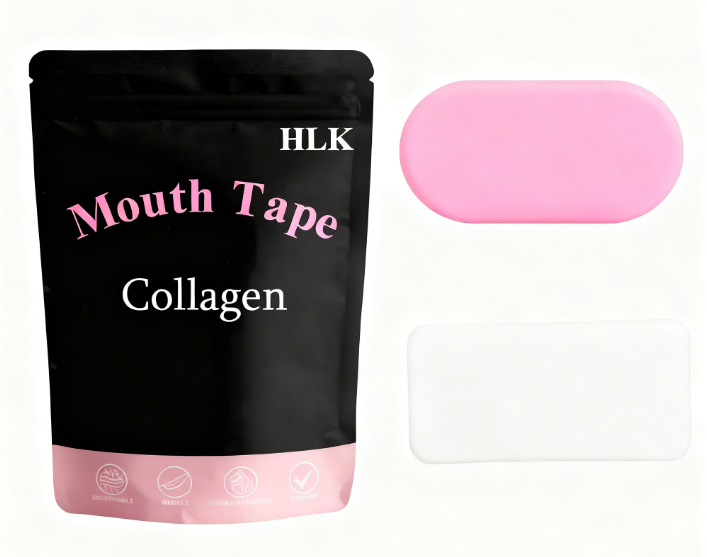
The global nasal strip market continues expanding as consumers seek non-invasive solutions for breathing enhancement and sleep improvement. This growth creates intense pressure on manufacturers to balance quality with affordability. Packaging represents a critical cost component that directly impacts pricing strategies, distribution methods, and profit margins. Each packaging decision creates ripple effects throughout the supply chain, influencing storage requirements, transportation costs, and retail presentation opportunities.
Material Selection Impact on Production Expenses
Primary Packaging Materials and Cost Considerations
The choice between different packaging materials creates substantial cost variations in nasal strip production. Aluminum foil pouches offer excellent barrier properties protecting adhesive integrity but cost approximately 40% more than basic plastic wrapping. Paper-based packaging provides eco-friendly appeal while maintaining moderate protection levels at competitive prices. Manufacturers must evaluate moisture resistance, oxygen barrier properties, and shelf life requirements against material costs to optimize their packaging strategy.
Multi-layer laminates combining plastic films with aluminum layers provide superior protection for nasal strip adhesives while maintaining reasonable cost structures. These materials prevent moisture infiltration and oxidation that could compromise product performance. However, the complexity of multi-layer production increases material costs by 15-25% compared to single-layer alternatives. The investment typically pays dividends through extended shelf life and reduced product returns due to adhesive failure.
Secondary Packaging Design Economics
Outer packaging design significantly influences both material costs and consumer appeal for nasal strip products. Cardboard boxes with custom printing provide strong branding opportunities but require minimum order quantities that increase inventory costs for smaller manufacturers. Blister packs offer product visibility while protecting individual strips but involve higher tooling investments and per-unit material expenses.
Retail-ready packaging solutions reduce distribution costs by eliminating additional handling steps while ensuring proper product presentation. These designs require careful consideration of display requirements, stacking capabilities, and theft prevention measures. The initial investment in sophisticated packaging design often generates long-term savings through improved shelf appeal and reduced handling costs throughout the supply chain.
Volume Efficiency and Storage Optimization
Dimensional Considerations for Cost Reduction
Package dimensions directly affect shipping costs, storage requirements, and handling efficiency for nasal strip manufacturers. Optimizing package size to maximize shipping container utilization can reduce transportation costs by 20-30% per unit. Rectangular packages typically achieve better space utilization than irregular shapes, while standardized dimensions enable automated handling systems that reduce labor costs.
Flat packaging designs minimize storage space requirements in warehouses and retail environments. This approach proves particularly beneficial for nasal strip products that maintain effectiveness in compressed formats. Manufacturers can achieve significant cost savings by designing packaging that stacks efficiently while protecting product integrity during transportation and storage.
Multi-Pack Strategies and Bulk Packaging Benefits
Offering nasal strip products in multiple quantities creates opportunities for packaging cost optimization while providing consumer value. Multi-pack configurations reduce per-unit packaging materials and labor costs while encouraging larger purchase volumes. A ten-pack format typically reduces packaging costs by 35-40% per individual strip compared to single-unit packages.
Bulk packaging solutions for institutional customers create additional cost-saving opportunities through simplified materials and reduced branding requirements. Hospital and sleep clinic customers often prioritize functionality over retail presentation, enabling manufacturers to use more economical packaging materials while maintaining product protection standards. These B2B packaging strategies can reduce overall costs by 25-50% compared to consumer retail formats.
Manufacturing Process Integration Effects
Automation Compatibility and Labor Cost Impacts
Packaging design choices significantly influence manufacturing automation capabilities and associated labor costs for nasal strip production. Simple, standardized packaging formats enable high-speed automated filling and sealing equipment that reduces per-unit labor expenses by 60-70%. Complex packaging designs requiring manual assembly steps increase production costs while limiting manufacturing throughput capacity.
Equipment compatibility considerations extend beyond initial packaging machinery investments to include maintenance costs and changeover time requirements. Flexible packaging systems that accommodate multiple nasal strip product variations reduce the need for dedicated production lines while maintaining efficiency. This approach proves particularly valuable for manufacturers producing different strip sizes or adhesive formulations within their product portfolio.
Quality Control and Waste Reduction Strategies
Packaging design directly influences quality control procedures and waste generation during nasal strip manufacturing. Clear packaging materials enable visual inspection of product placement and adhesive application quality without opening packages. This capability reduces quality control costs while maintaining product integrity throughout the inspection process.
Packaging materials that minimize waste generation during production reduce disposal costs and environmental impact. Designs that eliminate excess material usage while maintaining protection standards create immediate cost benefits. Additionally, packaging formats that reduce rejected product rates through better protection during handling generate substantial savings in material costs and production efficiency.
Distribution and Logistics Cost Factors
Shipping Efficiency and Transportation Economics
Transportation costs represent a significant portion of nasal strip product expenses, making packaging optimization crucial for distribution efficiency. Lightweight packaging materials reduce shipping weights while maintaining product protection, directly lowering freight costs. A 20% reduction in package weight can decrease shipping expenses by 15-18% depending on transportation methods and distances involved.
Package durability during shipping prevents product damage that increases replacement costs and customer service expenses. Robust packaging designs that protect nasal strip products during rough handling generate savings through reduced damage claims and improved customer satisfaction. The investment in stronger packaging materials typically provides returns through decreased product loss and enhanced brand reputation.
Inventory Management and Storage Cost Optimization
Packaging choices influence inventory carrying costs through storage space requirements and handling efficiency considerations. Compact packaging designs reduce warehouse space needs while enabling higher inventory turnover rates. These benefits become particularly significant for nasal strip manufacturers maintaining multiple product variations or seasonal inventory fluctuations.
Standardized packaging dimensions across product lines enable efficient warehouse management systems and reduce handling complexity. Universal package sizes simplify storage rack requirements and picking procedures while reducing training costs for warehouse personnel. This standardization strategy proves especially valuable for manufacturers expanding their nasal strip product offerings or entering new market segments.
Consumer Perception and Market Positioning
Premium Packaging and Price Justification
Packaging quality significantly influences consumer perception of nasal strip product value and justifies premium pricing strategies. High-quality materials and sophisticated design elements communicate product efficacy and brand reliability to potential customers. This perceived value enables manufacturers to command higher prices that offset increased packaging costs while improving profit margins.
Sustainable packaging materials increasingly influence consumer purchasing decisions for nasal strip products. Eco-friendly packaging options may increase material costs by 10-15% but enable premium positioning that supports higher selling prices. Consumers often willingly pay additional costs for products demonstrating environmental responsibility, creating opportunities for manufacturers to offset packaging investments through enhanced market positioning.
Convenience Features and Customer Satisfaction
Convenience-oriented packaging features enhance customer experience while potentially increasing production costs that require careful evaluation. Easy-open packages, resealable closures, and portion control designs improve user satisfaction but add complexity to manufacturing processes. These features often justify higher retail prices through improved customer loyalty and reduced product waste.
Travel-friendly packaging designs create market differentiation opportunities for nasal strip manufacturers targeting active consumers. Compact, durable packages suitable for gym bags or travel luggage command premium prices while requiring minimal additional material costs. This market segmentation strategy enables manufacturers to optimize packaging investments through targeted consumer appeal and enhanced profit margins.
Regulatory Compliance and Safety Considerations
Medical Device Packaging Requirements
Nasal strip products often face medical device regulations that mandate specific packaging requirements affecting cost structures. Sterile packaging procedures increase material and processing costs while ensuring product safety and regulatory compliance. These requirements may double packaging expenses but enable access to healthcare markets with higher profit potential and reduced price sensitivity.
Labeling requirements for medical applications add complexity and cost to nasal strip packaging design. Detailed usage instructions, safety warnings, and regulatory information require additional printing costs and package space allocation. However, comprehensive labeling reduces liability risks while enabling distribution through medical channels that often provide better profit margins than consumer retail markets.
International Market Compliance Strategies
Global distribution of nasal strip products requires packaging designs that accommodate varying international regulations and cultural preferences. Multi-language labeling increases printing costs but enables market expansion opportunities that justify the additional investment. Standardized packaging platforms that accommodate regional variations reduce development costs while maintaining compliance flexibility.
Import regulations in different markets may require specific packaging materials or design elements that influence cost structures. Understanding these requirements during initial packaging design prevents costly redesign projects while enabling efficient market entry strategies. Proactive compliance planning reduces long-term costs while accelerating international expansion opportunities for nasal strip manufacturers.
Technology Integration and Future Considerations
Smart Packaging and Digital Integration
Emerging smart packaging technologies offer opportunities for nasal strip manufacturers to enhance customer engagement while managing cost implications. QR codes and NFC chips enable digital interaction at minimal additional cost while providing valuable customer data and usage insights. These technologies create opportunities for subscription programs and customer retention strategies that improve long-term profitability.
Temperature-sensitive packaging indicators help ensure nasal strip product quality during distribution while adding minimal cost to packaging materials. These features prove particularly valuable for adhesive-based products sensitive to environmental conditions. The investment in smart packaging features often generates returns through reduced product returns and enhanced brand credibility in competitive markets.
Sustainable Innovation and Cost Evolution
Biodegradable packaging materials continue evolving with improving cost-effectiveness and performance characteristics for nasal strip applications. Initial premium costs for sustainable materials typically decrease as production volumes increase and technology advances. Early adoption of eco-friendly packaging solutions positions manufacturers advantageously for future regulatory changes and consumer preference shifts.
Circular economy principles influence packaging design strategies by emphasizing reusability and recyclability considerations. These approaches may require higher initial investments but generate long-term cost benefits through material recovery programs and waste reduction initiatives. Forward-thinking nasal strip manufacturers integrate sustainability metrics into packaging cost analysis to ensure competitive positioning in evolving markets.
FAQ
How much can packaging optimization reduce nasal strip production costs
Effective packaging optimization can reduce overall nasal strip production costs by 20-35% through material efficiency, shipping optimization, and manufacturing process improvements. The exact savings depend on current packaging methods, production volumes, and distribution strategies. Manufacturers typically achieve the highest savings by addressing multiple packaging factors simultaneously rather than focusing on individual cost elements.
What packaging materials provide the best cost-performance balance for nasal strips
Multi-layer plastic laminates with selective barrier coatings offer optimal cost-performance balance for most nasal strip applications. These materials provide excellent moisture and oxygen protection at reasonable costs while enabling automated packaging processes. The specific material choice should consider shelf life requirements, distribution conditions, and target market price points to optimize overall value proposition.
How do packaging choices affect nasal strip shelf life and product quality
Packaging choices directly influence nasal strip shelf life through moisture control, oxygen barrier properties, and light protection capabilities. Poor packaging can reduce product effectiveness by 50-70% within six months through adhesive degradation. High-quality barrier packaging extends shelf life to 2-3 years while maintaining full product performance, justifying higher material costs through reduced waste and improved customer satisfaction.
Can sustainable packaging materials match traditional options for cost and performance
Modern sustainable packaging materials increasingly match traditional options for both cost and performance in nasal strip applications. Bio-based barrier films now provide comparable moisture protection at only 10-15% price premiums compared to conventional materials. The performance gap continues narrowing as sustainable material technology advances, making eco-friendly packaging increasingly viable for cost-conscious manufacturers seeking market differentiation opportunities.
One-Stop Custom Tape & Patch Supplier, Fully Certified & Safety Guaranteed
Name: Vicky Zhou
Call/Text: +86 198 0595 7675
Email: [email protected]
Website:https://www.hlktape.com
YouTube:https://www.youtube.com/@HLKTape