
 EN
EN


Risk Control Tips for OEM NasalStrip Procurement
Procuring OEM nasal strips for your business requires careful risk assessment and strategic planning to ensure product quality, regulatory compliance, and market success. The global nasal strips market continues expanding as consumers increasingly seek non-invasive breathing solutions for sports performance and sleep improvement. However, many procurement managers face significant challenges when sourcing OEM nasal strips from overseas manufacturers, including quality inconsistencies, regulatory hurdles, and supply chain disruptions. Understanding these risks and implementing comprehensive control measures can protect your investment while establishing a reliable product line that meets market demands and regulatory standards.
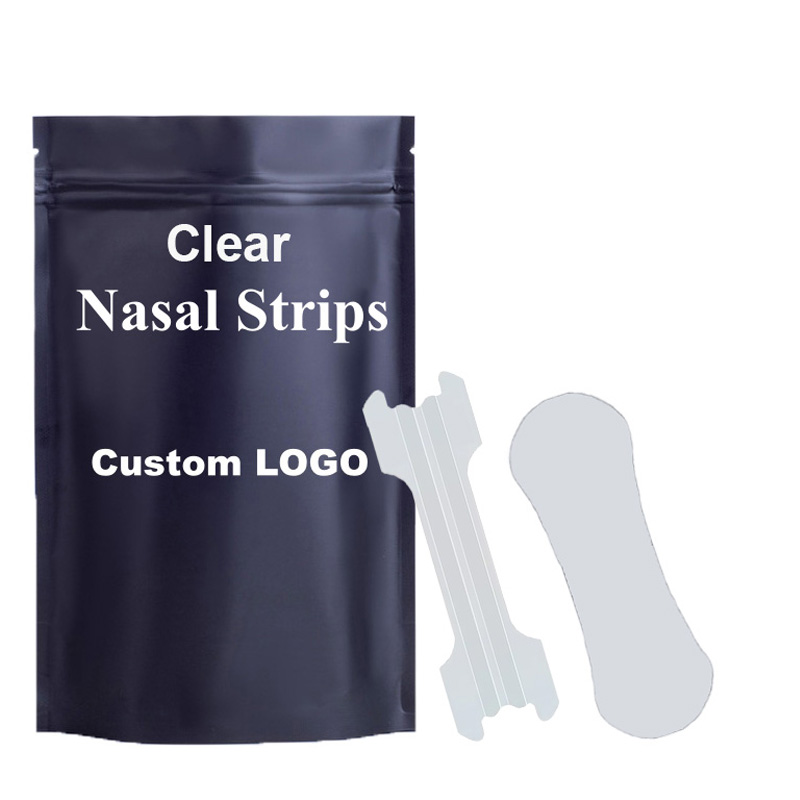
Quality Assurance Framework for OEM Nasal Strip Procurement
Material Specification Standards
Establishing stringent material specifications forms the foundation of successful OEM nasal strips procurement risk management. Medical-grade adhesives must maintain their effectiveness across varying environmental conditions while remaining gentle on sensitive nasal skin. The backing material should provide optimal flexibility without compromising structural integrity during use. Quality OEM nasal strips manufacturers typically utilize hypoallergenic materials that meet international safety standards such as ISO 10993 for biological evaluation of medical devices.
Tensile strength testing ensures that OEM nasal strips maintain their lifting capacity throughout the intended wear duration. Adhesion performance should be verified through standardized peel tests that measure both initial tack and sustained adhesion over time. Temperature resistance testing confirms that the adhesive properties remain stable across different climate conditions. These material specifications must be clearly documented in your procurement contracts to establish measurable quality benchmarks for incoming shipments.
Manufacturing Process Validation
Comprehensive manufacturing process validation protects against quality variations in OEM nasal strips production. Clean room environments prevent contamination that could compromise product sterility and user safety. Automated cutting and packaging systems reduce human error while ensuring consistent product dimensions and presentation. Regular calibration of manufacturing equipment maintains precision in adhesive application and backing material thickness.
Statistical process control implementation allows manufacturers to identify quality drift before it affects finished OEM nasal strips. Batch tracking systems enable rapid response to quality issues while maintaining complete traceability throughout the supply chain. Documentation of critical control points ensures reproducible manufacturing outcomes that meet your specific product requirements. These validation measures should be audited regularly to maintain continuous improvement in production quality.
Regulatory Compliance Management
International Certification Requirements
Navigating international regulatory requirements for OEM nasal strips demands thorough understanding of market-specific compliance standards. CE marking requirements in European markets mandate conformity assessment procedures that verify product safety and performance characteristics. FDA registration processes in the United States require detailed documentation of manufacturing practices and quality systems. Each target market may impose unique labeling requirements that must be incorporated into product design specifications.
Documentation management systems ensure that all regulatory submissions remain current and accessible for inspection purposes. Third-party testing laboratories provide independent verification of product performance claims and safety profiles. Regulatory consulting services can navigate complex approval processes while ensuring timely market entry for OEM nasal strips. Maintaining comprehensive regulatory documentation protects against potential market access disruptions and costly compliance violations.
Product Liability Considerations
Product liability risk assessment becomes critical when sourcing OEM nasal strips from international manufacturers. Insurance coverage should encompass manufacturing defects, design flaws, and inadequate warning labels that could result in user injury. Quality agreements must clearly define responsibility allocation between your company and the OEM manufacturer for various liability scenarios. Legal review of manufacturing contracts ensures adequate protection against potential claims while establishing clear remediation procedures.
User safety testing protocols validate that OEM nasal strips perform as intended without causing adverse reactions or injury. Clinical testing data supports product safety claims while providing evidence for regulatory submissions. Warning label development communicates proper usage instructions and contraindications to minimize misuse risks. These liability management measures create a comprehensive defense strategy against potential legal challenges while protecting brand reputation.
Supply Chain Risk Mitigation Strategies
Supplier Diversification Approaches
Strategic supplier diversification reduces dependency risks associated with single-source OEM nasal strips procurement. Geographic distribution of manufacturing partners minimizes exposure to regional disruptions such as natural disasters, political instability, or transportation strikes. Capacity planning across multiple suppliers ensures adequate production flexibility during peak demand periods or unexpected order increases. Qualification processes should evaluate each potential supplier's financial stability, manufacturing capabilities, and quality systems.
Supplier performance monitoring systems track key metrics such as on-time delivery, quality conformance, and communication responsiveness across your OEM nasal strips supply base. Regular supplier audits verify continued compliance with your quality standards and contractual requirements. Contingency planning identifies alternative suppliers who can rapidly scale production if primary sources experience disruptions. These diversification strategies create resilient supply networks that maintain consistent product availability.
Inventory Management Optimization
Effective inventory management balances carrying costs with supply security for OEM nasal strips procurement. Demand forecasting models analyze historical sales patterns and market trends to predict future requirements accurately. Safety stock calculations account for supply variability and lead time fluctuations while minimizing excess inventory exposure. Just-in-time delivery systems reduce warehouse costs while maintaining adequate stock levels for customer fulfillment.
Expiration date management ensures that OEM nasal strips maintain their adhesive performance throughout their shelf life. First-in-first-out rotation protocols prevent aged inventory from reaching customers while maximizing product freshness. Temperature-controlled storage environments protect adhesive properties from degradation due to environmental exposure. These inventory optimization practices maintain product quality while minimizing working capital requirements and storage costs.
Financial Risk Control Mechanisms
Payment Terms Structure
Structured payment terms provide leverage for quality assurance while managing cash flow exposure in OEM nasal strips procurement. Milestone-based payments tie financial releases to specific manufacturing and quality achievements. Quality holdbacks create financial incentives for consistent performance while providing recourse for quality failures. Letters of credit protect against supplier default while ensuring payment security for reliable manufacturing partners.
Currency hedging strategies protect against foreign exchange fluctuations that could increase OEM nasal strips procurement costs. Price escalation clauses establish predetermined adjustment mechanisms for material cost increases while maintaining cost predictability. Volume commitment discounts reward larger orders while securing favorable pricing for extended periods. These financial structures create mutually beneficial arrangements that encourage supplier investment in quality while protecting your cost objectives.
Cost Validation Methodologies
Comprehensive cost validation ensures competitive pricing for OEM nasal strips while maintaining quality standards. Market benchmarking compares supplier quotations against industry pricing trends and competitive alternatives. Should-cost modeling analyzes material, labor, and overhead components to validate quoted prices. Total cost of ownership calculations include quality costs, transportation expenses, and inventory carrying charges in procurement decisions.
Value engineering partnerships with OEM nasal strips suppliers identify cost reduction opportunities without compromising product performance. Regular cost reviews adapt pricing structures to changing market conditions and material costs. Supplier cost transparency initiatives provide visibility into pricing components while building collaborative relationships. These validation methodologies ensure optimal value realization throughout the procurement relationship while maintaining competitive market positioning.
FAQ
What quality certifications should I require from OEM nasal strips manufacturers
Essential quality certifications for OEM nasal strips manufacturers include ISO 13485 for medical device quality management systems, CE marking for European market compliance, and FDA registration for US market access. Additionally, look for ISO 10993 biological evaluation testing certificates that verify skin compatibility and safety. Third-party laboratory certifications for adhesive performance testing and sterility validation provide additional quality assurance. These certifications demonstrate the manufacturer's commitment to quality systems and regulatory compliance across international markets.
How can I verify the manufacturing capabilities of potential OEM nasal strips suppliers
Manufacturing capability verification requires comprehensive facility audits that evaluate production equipment, clean room environments, and quality control systems. Review production capacity documentation, including maximum daily output and surge capacity during peak periods. Examine sample products for consistency in dimensions, adhesive application, and packaging quality. Request references from existing clients and conduct background checks on the company's financial stability and market reputation. These verification steps ensure that your chosen supplier can meet your volume requirements while maintaining consistent quality standards.
What are the most common quality issues with imported OEM nasal strips
Common quality issues include inconsistent adhesive performance due to environmental exposure during shipping, dimensional variations that affect product fit and comfort, and packaging defects that compromise product sterility. Adhesive degradation can occur from temperature fluctuations or humidity exposure during extended transportation. Poor quality control may result in contamination, improper cutting, or inadequate packaging sealing. Implementing incoming inspection protocols, environmental monitoring during transit, and clear quality specifications in purchase agreements helps prevent these issues while ensuring consistent product performance.
How should I structure payment terms to minimize procurement risks
Structure payment terms with progressive releases tied to manufacturing milestones and quality achievements. Implement a 30-day payment schedule with quality holdbacks of 5-10 percent pending final inspection and customer acceptance. Use letters of credit for large orders to protect against supplier default while ensuring payment security. Include penalty clauses for late deliveries and quality failures while offering early payment discounts for exceptional performance. These structured payment terms create financial incentives for quality while protecting your investment throughout the OEM nasal strips procurement process.
One-Stop Custom Tape & Patch Supplier, Fully Certified & Safety Guaranteed
Name: Vicky Zhou
Call/Text: +86 198 0595 7675
Email: [email protected]
Website:https://www.hlktape.com
YouTube:https://www.youtube.com/@HLKTape