 EN
EN


Key Technical Factors Behind High-Hydration Mouth Tapes
The evolution of sleep optimization technology has led to significant advancements in mouth tape design, particularly in the development of high-hydration mouth tapes that address both breathing control and oral moisture retention. These innovative solutions represent a convergence of materials science, dermatological research, and sleep medicine principles. Understanding the technical foundations behind high-hydration mouth tapes reveals why they have become essential tools for improving sleep quality and respiratory health outcomes.
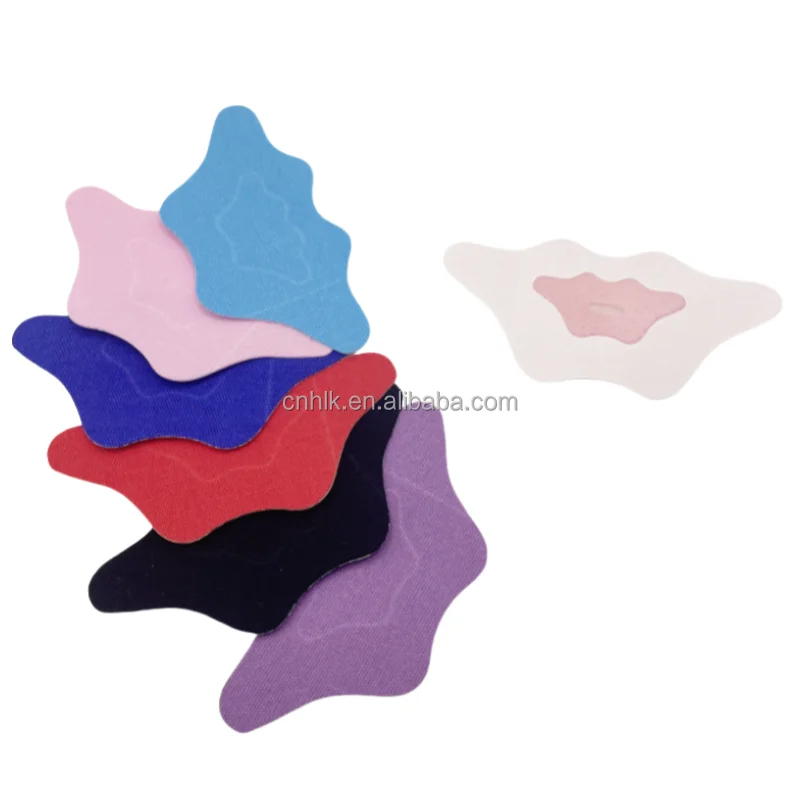
Modern sleep science has identified mouth breathing during sleep as a significant contributor to various health issues, including dry mouth, snoring, and compromised sleep architecture. High-hydration mouth tapes emerge as a sophisticated response to these challenges, incorporating advanced materials and design principles that go beyond simple adhesive barriers. The technical complexity of these products reflects decades of research into biocompatible materials, skin physiology, and respiratory dynamics.
The market demand for effective sleep aids has driven manufacturers to develop increasingly sophisticated solutions that balance efficacy with comfort and safety. High-hydration mouth tapes represent the pinnacle of this development, offering users a non-invasive method to optimize their breathing patterns while maintaining oral health throughout the night. The technical specifications of these products determine their effectiveness and user acceptance rates.
Advanced Hydrogel Technology in Mouth Tape Design
Molecular Structure of Hydrogel Adhesives
The foundation of effective high-hydration mouth tapes lies in their hydrogel composition, which utilizes cross-linked polymer networks capable of absorbing and retaining significant amounts of water while maintaining structural integrity. These hydrogels typically employ polyvinyl alcohol, sodium polyacrylate, or carboxymethyl cellulose as base polymers, each offering distinct advantages in terms of moisture retention and skin compatibility. The molecular architecture of these materials allows for controlled water absorption and release, creating a dynamic moisture management system.
The cross-linking density within hydrogel formulations directly impacts the tape's ability to maintain hydration levels over extended periods. Manufacturers optimize this parameter to achieve the ideal balance between moisture retention and adhesive strength. The three-dimensional network structure of hydrogels enables them to swell when exposed to moisture from the skin and oral cavity, creating a self-regulating hydration system that adapts to individual physiological conditions.
Advanced manufacturing techniques allow for the incorporation of multiple hydrogel layers with varying cross-link densities, enabling sophisticated moisture gradient management. This multilayer approach ensures that high-hydration mouth tapes can provide sustained moisture delivery while maintaining their adhesive properties throughout the sleep cycle. The resulting products offer superior performance compared to traditional adhesive-only designs.
Biocompatibility and Skin Safety Considerations
The development of high-hydration mouth tapes requires extensive consideration of biocompatibility factors to ensure safe prolonged skin contact. Hydrogel formulations must undergo rigorous testing to verify their hypoallergenic properties and absence of cytotoxic effects. The selection of polymer base materials prioritizes those with established safety profiles in medical applications, such as wound dressings and transdermal drug delivery systems.
Skin pH compatibility represents a critical factor in hydrogel design, as the tape must function effectively across the natural pH range of facial skin without causing irritation or disrupting the skin's protective barrier. High-quality high-hydration mouth tapes incorporate pH-buffering systems within their hydrogel matrix to maintain optimal conditions for skin health while preserving adhesive performance.
The absence of common allergens and irritants in hydrogel formulations makes these products suitable for individuals with sensitive skin conditions. Manufacturers implement comprehensive allergen screening protocols and utilize materials with minimal potential for sensitization reactions. This attention to biocompatibility ensures that users can benefit from consistent nightly use without experiencing adverse skin reactions.
Moisture Management Systems and Hydration Mechanisms
Controlled Release Technology
The sophisticated moisture management capabilities of high-hydration mouth tapes rely on controlled release mechanisms that deliver hydration at optimal rates throughout the sleep period. These systems utilize reservoir-based designs where hydrogel layers act as moisture reservoirs, gradually releasing water vapor and maintaining local humidity levels around the oral area. The release kinetics are carefully engineered to match the natural moisture loss patterns during sleep.
Temperature-responsive elements within the hydrogel matrix allow for adaptive moisture release based on skin temperature variations throughout the night. This thermodynamic response ensures that high-hydration mouth tapes provide enhanced moisture delivery during periods of increased metabolic activity while conserving resources during cooler sleep phases. The result is a dynamic hydration system that responds to physiological needs.
Advanced formulations incorporate moisture-sensing capabilities that trigger increased hydration release in response to dry conditions. These smart systems utilize hygroscopic materials that detect ambient moisture levels and adjust their release rates accordingly. This responsive technology ensures consistent oral hydration regardless of environmental conditions or individual variations in moisture loss rates.
Vapor Transmission Characteristics
The vapor transmission properties of high-hydration mouth tapes play a crucial role in maintaining optimal moisture balance while preventing excessive humidity buildup. Carefully controlled permeability allows for bidirectional moisture exchange, enabling the tape to absorb excess moisture when necessary while providing hydration during dry conditions. This balanced approach prevents the development of overly humid conditions that could compromise adhesion or promote bacterial growth.
Microscopic pore structures within the hydrogel matrix facilitate controlled vapor transmission while maintaining barrier properties against larger particles and contaminants. The pore size distribution is optimized to allow water vapor molecules to pass through while blocking potential irritants or allergens from reaching the skin surface. This selective permeability enhances both comfort and safety during extended use.
The integration of breathable backing materials with hydrogel adhesive layers creates a sophisticated moisture management system that prevents condensation buildup while maintaining hydration delivery. These composite designs utilize materials with complementary vapor transmission rates to achieve optimal moisture balance throughout the sleep period.
Adhesive Performance and Durability Engineering
Pressure-Sensitive Adhesive Formulations
The adhesive performance of high-hydration mouth tapes depends on carefully formulated pressure-sensitive adhesives that maintain bonding strength in the presence of moisture while remaining gentle on sensitive facial skin. These formulations typically utilize silicone-based or acrylic adhesive systems that demonstrate excellent wet adhesion properties and resistance to moisture-induced failure. The adhesive chemistry must balance initial tack, holding power, and clean removability.
Micro-encapsulation techniques allow for the incorporation of adhesive modifiers that enhance wet adhesion performance without compromising skin compatibility. These encapsulated additives provide controlled release of tackifying agents that maintain adhesive strength as moisture levels fluctuate throughout the night. The result is consistent performance regardless of individual variations in skin moisture or environmental humidity.
The cohesive strength of adhesive formulations determines the tape's ability to maintain integrity under the mechanical stresses of facial movement during sleep. High-quality high-hydration mouth tapes utilize adhesives with optimized cohesive properties that resist splitting or failure while maintaining flexibility to accommodate natural facial expressions and movements.
Mechanical Properties and Flexibility
The mechanical characteristics of high-hydration mouth tapes must accommodate the dynamic nature of facial movements during sleep while maintaining effective closure of the oral cavity. The tensile strength and elongation properties of both the hydrogel layer and backing materials are engineered to provide appropriate stretch and recovery characteristics that prevent tape failure under normal use conditions.
Elastic memory properties within the tape construction allow for temporary deformation during facial movements while ensuring return to the original shape and adhesive contact. This elasticity prevents the development of stress concentrations that could lead to premature failure or skin irritation. The careful balance of flexibility and strength ensures reliable performance throughout extended wear periods.
The integration of stress-distribution features within the tape design helps to minimize pressure points and ensure even load distribution across the adhesive interface. These engineering considerations contribute to improved comfort and reduced likelihood of skin marking or irritation, particularly important for individuals with sensitive skin or those requiring nightly use.
Manufacturing Quality Control and Testing Protocols
Production Process Validation
The manufacturing of high-hydration mouth tapes requires stringent quality control measures to ensure consistent performance and safety across production batches. Clean room environments and controlled atmospheric conditions are essential for preventing contamination and maintaining the integrity of hydrogel formulations. Process validation protocols verify that each manufacturing step produces materials meeting predetermined specifications for hydration capacity, adhesive performance, and biocompatibility.
Statistical process control methods monitor critical parameters such as hydrogel thickness uniformity, moisture content, and adhesive distribution throughout the manufacturing process. These real-time monitoring systems enable immediate detection and correction of process variations that could impact product quality. The implementation of six-sigma quality principles ensures that high-hydration mouth tapes meet the demanding performance requirements of sleep optimization applications.
Automated testing systems evaluate each production batch for conformance to established performance criteria, including adhesion strength, moisture retention capacity, and dimensional stability. These comprehensive testing protocols provide objective verification of product quality and enable continuous improvement of manufacturing processes based on performance data analysis.
Performance Validation Testing
Comprehensive performance testing protocols for high-hydration mouth tapes encompass both laboratory-based evaluations and clinical studies to validate their effectiveness under real-world conditions. Laboratory tests measure fundamental properties such as adhesive strength, moisture release rates, vapor transmission characteristics, and durability under various environmental conditions. These standardized evaluations provide quantitative data for product optimization and quality assurance purposes.
Clinical validation studies assess the performance of high-hydration mouth tapes in actual sleep environments, measuring parameters such as oral moisture retention, comfort scores, and adhesion duration. These studies utilize objective measurement techniques including relative humidity sensors and infrared imaging to quantify hydration effects throughout the sleep cycle. The data collected provides evidence of clinical efficacy and guides product development efforts.
Accelerated aging tests simulate extended storage conditions to verify the shelf-life stability of hydrogel formulations and adhesive systems. These studies ensure that high-hydration mouth tapes maintain their performance characteristics over time and under various storage conditions, providing confidence in product reliability and effectiveness throughout their intended use period.
FAQ
How do high-hydration mouth tapes differ from standard mouth tapes in terms of moisture management
High-hydration mouth tapes incorporate advanced hydrogel technology that actively manages moisture levels around the oral area, unlike standard tapes that simply provide a barrier. The hydrogel matrix can absorb, store, and gradually release moisture throughout the night, creating a dynamic hydration system that responds to physiological needs. This technology prevents dry mouth conditions while maintaining effective mouth closure, offering superior comfort and therapeutic benefits compared to conventional adhesive-only designs.
What makes the hydrogel formulation safe for nightly use on facial skin
The hydrogel formulations used in high-quality mouth tapes undergo extensive biocompatibility testing to ensure safety for prolonged skin contact. These materials utilize medical-grade polymers with established safety profiles, incorporate pH-buffering systems to maintain skin-friendly conditions, and exclude common allergens and irritants. The hypoallergenic properties and gentle adhesive characteristics make them suitable for individuals with sensitive skin, while the breathable design prevents moisture buildup that could lead to skin irritation.
How long can high-hydration mouth tapes maintain their moisturizing effects during sleep
Well-designed high-hydration mouth tapes can provide consistent moisturizing effects for 6-8 hours, covering a full sleep cycle. The controlled release mechanisms within the hydrogel matrix are engineered to deliver moisture at optimal rates throughout this period, with temperature-responsive elements that adapt to physiological changes during different sleep stages. The moisture reservoir capacity and release kinetics are calibrated to match typical overnight moisture loss patterns, ensuring sustained hydration benefits until morning removal.
What factors should be considered when selecting high-hydration mouth tapes for specific needs
Selection criteria should include the hydrogel formulation's moisture capacity, adhesive strength appropriate for individual skin sensitivity levels, and compatibility with any existing skincare routines. Consider the tape's breathability characteristics, particularly important in humid environments, and verify hypoallergenic certification if you have sensitive skin. The product's clinical testing documentation and manufacturing quality standards also provide important indicators of reliability and effectiveness for consistent nightly use.
One-Stop Custom Tape & Patch Supplier, Fully Certified & Safety Guaranteed
Name: Vicky Zhou
Call/Text: +86 198 0595 7675
Email: [email protected]
Website:https://www.hlktape.com
YouTube:https://www.youtube.com/@HLKTape