
 EN
EN


Mouth Tape Performance in Dry Climate Environments
Understanding mouth tape performance in dry climate environments has become increasingly important as more individuals recognize the benefits of nasal breathing during sleep. Dry climates present unique challenges for adhesive products, requiring specialized formulations and design considerations to maintain effectiveness throughout the night. The performance characteristics of mouth tape in these conditions directly impact user comfort, adhesion quality, and overall sleep quality improvement.
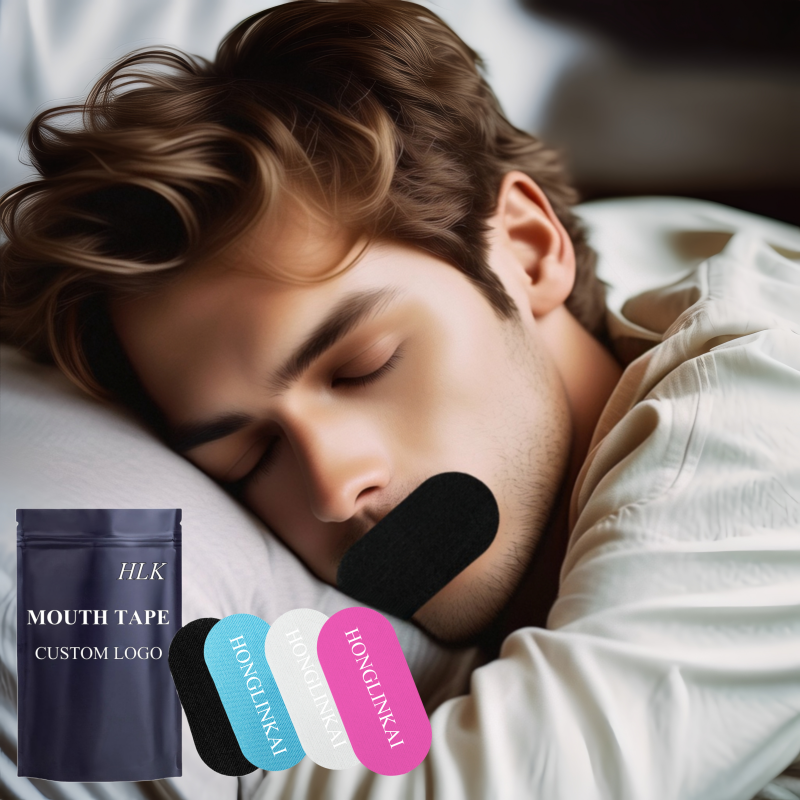
Environmental factors significantly influence how mouth tape performs, with humidity levels, temperature fluctuations, and air quality all playing crucial roles. In arid regions where humidity levels consistently remain below 30%, traditional adhesive formulations may struggle to maintain proper bonding strength. The lack of moisture in the air can cause certain tape materials to become brittle or lose their pliability, potentially compromising the seal around the mouth area.
Professional sleep specialists and respiratory therapists have documented varying success rates with different mouth tape formulations across diverse climate zones. Research indicates that mouth tape performance metrics show notable variations when comparing usage in humid coastal areas versus dry desert climates. These findings have driven innovation in tape design, leading to specialized products engineered specifically for challenging environmental conditions.
Adhesive Technology Adaptations for Arid Conditions
Hydrogel-Based Formulations
Advanced hydrogel technology represents a significant breakthrough in maintaining mouth tape performance under dry climate stress. Unlike traditional pressure-sensitive adhesives, hydrogel formulations contain moisture-retaining properties that help compensate for environmental aridity. These specialized materials create a micro-environment around the application site, maintaining optimal adhesion even when ambient humidity drops to extreme lows.
The molecular structure of hydrogel-based mouth tapes allows for controlled moisture release throughout the night. This gradual hydration process ensures that the adhesive maintains its bonding strength while preventing skin irritation that commonly occurs with over-dried adhesive materials. Clinical testing has demonstrated superior mouth tape performance with hydrogel formulations in environments with humidity levels below 20%.
Manufacturing processes for hydrogel mouth tapes incorporate specialized cross-linking agents that enhance durability in dry conditions. These chemical modifications allow the tape to remain flexible and conformable even when exposed to low humidity levels for extended periods. The result is consistent mouth tape performance that adapts to changing environmental conditions throughout the night.
Breathable Substrate Materials
Substrate selection plays a critical role in optimizing mouth tape performance for dry climate applications. Advanced microporous materials allow for controlled air exchange while maintaining adhesive integrity. These engineered substrates prevent moisture buildup beneath the tape while ensuring adequate flexibility for comfortable wear during sleep movements.
Modern mouth tape designs incorporate multi-layer substrate construction that balances breathability with adhesive support. The outer layer provides structural integrity and environmental protection, while inner layers facilitate moisture management and skin compatibility. This sophisticated approach to material engineering significantly improves mouth tape performance across varying humidity levels.
Testing protocols for breathable substrates include accelerated aging studies under controlled dry conditions. These evaluations assess how different material combinations maintain their performance characteristics when exposed to prolonged low-humidity environments. Results from these studies directly inform product development decisions and quality control standards.
Environmental Impact Assessment and Mitigation
Temperature Fluctuation Effects
Dry climates often experience significant temperature variations between day and night, creating additional challenges for maintaining consistent mouth tape performance. Thermal cycling can cause adhesive materials to expand and contract, potentially compromising the bond integrity over time. Understanding these thermal effects is essential for predicting long-term performance reliability.
Research conducted in desert environments has revealed that temperature differentials exceeding 20 degrees Celsius can affect adhesive flow characteristics. When mouth tapes are stored in hot conditions during the day and then applied in cooler nighttime temperatures, the adhesive may not reach optimal bonding conditions immediately. This thermal lag can impact initial mouth tape performance until the material reaches equilibrium temperature.
Advanced formulations now incorporate temperature-stable polymers that maintain consistent performance across broader temperature ranges. These materials resist thermal degradation and maintain their adhesive properties even when subjected to extreme temperature cycling common in arid regions. The improved thermal stability translates directly to more reliable mouth tape performance for users in challenging climates.
Air Quality Considerations
Dry climates frequently coincide with elevated dust and particulate levels in the air, which can interfere with adhesive bonding surfaces. Fine dust particles can accumulate on both the skin and the tape surface, creating barriers that reduce effective contact area. This contamination factor significantly impacts mouth tape performance and requires specific mitigation strategies.
Protective packaging innovations help maintain mouth tape performance by preventing pre-application contamination. Sealed individual packages with anti-static properties reduce dust attraction and preserve adhesive surface integrity until use. These packaging improvements have shown measurable benefits in maintaining consistent performance standards across various environmental conditions.
User education regarding proper skin preparation in dusty environments has proven essential for optimizing mouth tape performance. Simple pre-application cleansing routines can dramatically improve adhesion quality and duration. Professional recommendations include gentle cleansing with alcohol-free wipes followed by complete drying before tape application.
Performance Optimization Strategies
Application Technique Modifications
Proper application techniques become even more critical when seeking optimal mouth tape performance in dry environments. The reduced ambient moisture requires slower, more deliberate application processes to ensure complete adhesive activation. Rushing the application process in dry conditions often results in incomplete bonding and premature tape failure.
Professional sleep clinics have developed specialized application protocols for dry climate regions. These protocols emphasize gradual pressure application, allowing the adhesive to conform to skin texture and micro-irregularities. The extended application time compensates for reduced moisture availability and ensures maximum contact area for improved mouth tape performance.
Temperature conditioning of mouth tapes before application can significantly enhance their performance in dry conditions. Warming the tape to body temperature through brief contact with clean skin helps activate adhesive properties and improves initial bonding strength. This simple technique has demonstrated measurable improvements in mouth tape performance across various dry climate scenarios.
Timing and Environmental Preparation
Strategic timing of mouth tape application relative to sleep preparation routines can optimize performance outcomes. Applying tape immediately after showering or facial cleansing, when skin moisture levels are naturally elevated, provides better initial bonding conditions. This timing advantage helps establish strong adhesion that can withstand subsequent environmental drying effects.
Bedroom environment modifications can support improved mouth tape performance throughout the night. Using humidifiers to maintain local humidity levels between 40-50% creates more favorable conditions for adhesive stability. While not always practical in very dry climates, even modest humidity increases can yield noticeable improvements in tape performance and user comfort.
Monitoring and adjusting HVAC systems to minimize direct air circulation across sleeping areas helps preserve mouth tape performance. Forced air movement can accelerate moisture evaporation from both the skin and adhesive surfaces, potentially compromising bond strength over time. Simple adjustments to air vent positioning or fan speeds can make significant differences in performance outcomes.
Quality Control and Testing Standards
Standardized Performance Metrics
Establishing reliable testing protocols for evaluating mouth tape performance in dry conditions requires sophisticated environmental control systems. Testing chambers capable of maintaining precise humidity and temperature levels allow for repeatable assessment of adhesive performance under various climate scenarios. These controlled environments enable manufacturers to validate product claims and optimize formulations.
Peel strength testing under low-humidity conditions provides quantitative measures of mouth tape performance degradation. These tests reveal how adhesive bonding strength changes as environmental moisture decreases, providing valuable data for formulation improvements. Standardized testing protocols ensure consistent evaluation methods across different manufacturers and product lines.
Long-term wear testing in simulated dry environments helps predict real-world mouth tape performance outcomes. These extended studies typically run for 8-12 hours under controlled conditions, mimicking typical sleep duration and environmental exposure. Results from these comprehensive tests inform product specifications and usage recommendations for dry climate applications.
User Feedback Integration
Collecting and analyzing user feedback from dry climate regions provides crucial insights into real-world mouth tape performance characteristics. User reports often reveal performance issues that laboratory testing may not capture, such as comfort problems or unexpected adhesive behavior under specific conditions. This feedback loop drives continuous product improvement and innovation.
Digital monitoring technologies now enable detailed tracking of mouth tape performance metrics during actual use. Wearable sensors can detect tape displacement, breathing patterns, and sleep quality indicators, providing objective data about product effectiveness. This technological integration represents the future of mouth tape performance evaluation and optimization.
Regional performance studies comparing mouth tape effectiveness across different climate zones have revealed significant variations in user satisfaction and product longevity. These studies help manufacturers understand geographical performance differences and develop region-specific product recommendations. The data also supports targeted marketing and distribution strategies based on climate-specific performance characteristics.
Future Innovations and Development Trends
Smart Adhesive Technologies
Emerging smart adhesive technologies promise to revolutionize mouth tape performance in challenging environments. These advanced materials can sense and respond to environmental conditions, automatically adjusting their properties to maintain optimal bonding strength. Humidity-responsive polymers represent one promising avenue for next-generation mouth tape development.
Nanotechnology integration offers potential solutions for enhancing mouth tape performance through microscale engineering. Nanostructured surfaces can improve adhesive contact while incorporating moisture-management capabilities at the molecular level. These innovations could dramatically improve performance consistency across diverse climate conditions.
Biodegradable formulations that maintain superior mouth tape performance while reducing environmental impact are gaining increased attention. These sustainable alternatives use plant-based polymers and natural adhesives that can match or exceed traditional petroleum-based formulations. The development of eco-friendly options addresses growing environmental concerns without compromising product effectiveness.
Personalized Solutions
Customizable mouth tape designs that adapt to individual facial anatomy and specific climate conditions represent the future of personalized sleep optimization. Advanced manufacturing techniques enable production of tapes tailored to precise measurements and environmental requirements. This personalization approach could significantly improve mouth tape performance for users in challenging dry climates.
Artificial intelligence integration in product recommendation systems can analyze individual usage patterns, climate data, and performance feedback to suggest optimal mouth tape formulations. These intelligent systems learn from user experiences and environmental factors to continuously improve performance predictions and product matching.
Subscription-based delivery models that automatically adjust product specifications based on seasonal climate changes ensure users always receive optimal mouth tape performance. These services can modify adhesive formulations, substrate materials, and packaging based on regional weather forecasts and historical performance data.
FAQ
How does low humidity specifically affect mouth tape adhesion strength
Low humidity environments reduce the moisture content in both the air and on skin surfaces, which directly impacts adhesive activation and bonding mechanisms. Most mouth tape adhesives rely on moisture to achieve optimal tackiness and conformability. When humidity drops below 30%, the adhesive may not fully activate, resulting in weaker initial bonding and increased likelihood of premature failure during sleep movements.
What storage conditions best preserve mouth tape performance in dry climates
Optimal storage requires maintaining sealed packaging in temperature-controlled environments between 65-75°F with relative humidity around 45-55%. Avoid storing mouth tapes in areas subject to extreme temperature fluctuations, such as vehicles or uninsulated storage areas. Individual sealed packages provide better protection than bulk packaging in dry climates, as they minimize exposure to environmental conditions until actual use.
Can skin preparation techniques improve mouth tape performance in arid conditions
Yes, proper skin preparation significantly enhances mouth tape performance in dry environments. Gentle cleansing followed by light moisturizing 15-20 minutes before application helps create optimal bonding conditions. However, avoid heavy moisturizers or oils that can interfere with adhesion. Some users find that applying a small amount of medical-grade skin prep solution helps bridge the gap between dry skin conditions and adhesive requirements.
Do certain mouth tape materials perform better than others in dry climates
Hydrogel-based mouth tapes generally demonstrate superior performance in dry climates compared to traditional acrylic or silicone adhesives. The moisture-retention properties of hydrogel formulations help compensate for environmental aridity while maintaining skin-friendly characteristics. Additionally, tapes with breathable substrates and moisture-wicking properties tend to provide more consistent mouth tape performance across varying humidity levels throughout the night.
One-Stop Custom Tape & Patch Supplier, Fully Certified & Safety Guaranteed
Name: Vicky Zhou
Call/Text: +86 198 0595 7675
Email: [email protected]
Website:https://www.hlktape.com
YouTube:https://www.youtube.com/@HLKTape