
 EN
EN


Lavender vs Mint NasalStrips: Functional Positioning Differences
The world of sleep enhancement and respiratory support has evolved significantly with the introduction of specialized nasal strips designed to improve breathing patterns during rest. Modern nasal strips incorporate aromatherapy elements like lavender and mint, each offering distinct functional benefits that extend beyond basic nasal dilation. Understanding the positioning differences between these aromatic variants helps consumers make informed decisions about which nasal strips best suit their specific sleep and wellness needs. The integration of natural scents with proven breathing technology represents a sophisticated approach to addressing common sleep disruptions and respiratory challenges.
Understanding Nasal Strip Technology and Aromatherapy Integration
Basic Mechanics of Nasal Strip Function
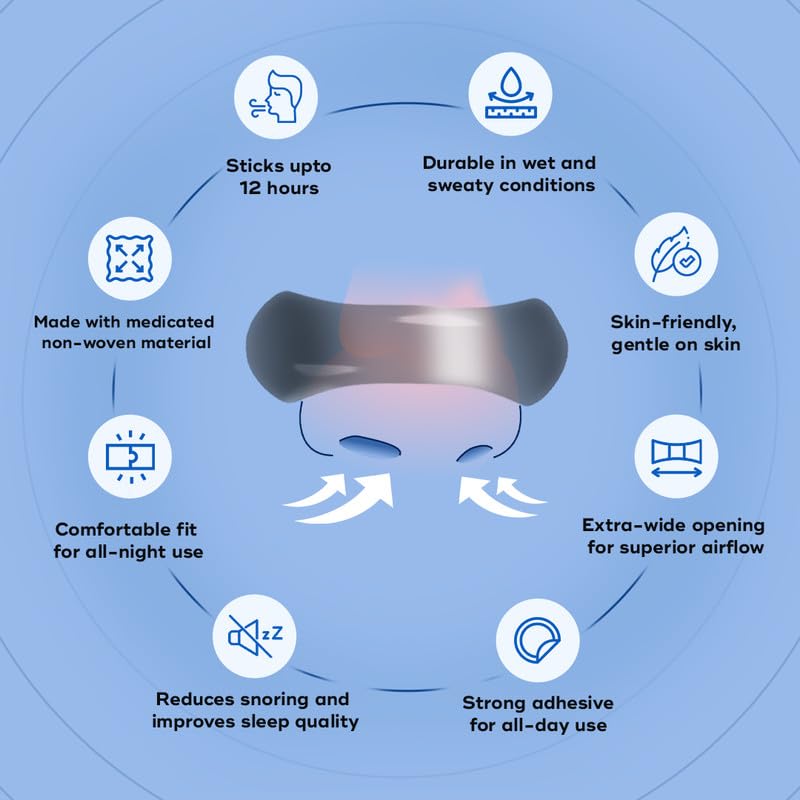
Nasal strips operate through external nasal dilator technology that gently lifts and opens nasal passages from the outside. This mechanical action reduces nasal resistance and improves airflow without requiring internal insertion or medication. The adhesive backing ensures secure placement throughout sleep cycles while maintaining comfort and skin compatibility. Advanced nasal strips incorporate flexible spring-like bands that provide consistent lifting force while accommodating natural facial movements during sleep.
The effectiveness of nasal strips stems from their ability to address structural limitations in nasal breathing that occur naturally or due to congestion. By creating additional space in the nasal vestibule, these devices facilitate easier breathing and reduced snoring incidents. Modern manufacturing techniques have refined the balance between adhesive strength and gentle removal, ensuring user comfort without compromising performance. The addition of aromatherapy elements enhances the basic mechanical function with psychological and physiological benefits.
Aromatherapy Science and Sleep Enhancement
The integration of essential oils into nasal strips represents a convergence of mechanical breathing enhancement and evidence-based aromatherapy principles. Scientific research demonstrates that specific scents can influence sleep quality, stress levels, and overall respiratory comfort through olfactory pathway activation. The controlled release of aromatic compounds from nasal strips provides localized delivery that maximizes therapeutic benefits while minimizing waste or environmental dispersion.
Aromatherapy effectiveness in sleep applications depends on proper scent selection, concentration levels, and delivery mechanisms. Nasal strips offer an ideal platform for aromatherapy delivery because they position active compounds directly within the breathing pathway for maximum exposure during inhalation. The sustained release properties of quality nasal strips ensure consistent aromatherapy benefits throughout extended sleep periods without requiring reapplication or adjustment.
Lavender Nasal Strips: Relaxation and Sleep Quality Focus
Lavender Properties and Sleep Benefits
Lavender essential oil has established scientific credentials for promoting relaxation and improving sleep quality through its interaction with the nervous system. The primary active compounds in lavender, including linalool and linalyl acetate, demonstrate measurable effects on reducing anxiety and promoting deeper sleep phases. When incorporated into nasal strips, lavender provides continuous exposure to these beneficial compounds throughout the night, creating an optimal environment for restorative sleep.
Research indicates that lavender aromatherapy can reduce sleep latency, meaning users fall asleep more quickly when exposed to appropriate concentrations. The calming properties of lavender also contribute to reduced nighttime restlessness and fewer sleep interruptions. For individuals dealing with stress-related sleep difficulties or general insomnia patterns, lavender-infused nasal strips offer a dual approach addressing both physical breathing obstacles and psychological sleep barriers.
Positioning Strategy for Lavender Variants
Lavender nasal strips position themselves as premium sleep enhancement solutions targeting consumers who prioritize comprehensive wellness approaches to rest and recovery. The marketing emphasis focuses on stress relief, anxiety reduction, and overall sleep quality improvement rather than purely mechanical breathing benefits. This positioning appeals to health-conscious consumers willing to invest in multi-functional products that address both physical and emotional aspects of sleep challenges.
The target demographic for lavender nasal strips includes professionals dealing with high stress levels, individuals experiencing sleep anxiety, and consumers already engaged with natural wellness products. The positioning emphasizes the luxury and therapeutic aspects of the lavender experience, often highlighting the premium nature of the essential oil sources and the sophisticated delivery mechanism. This approach justifies higher price points while establishing clear differentiation from basic mechanical nasal strips.
Mint Nasal Strips: Respiratory Clarity and Energizing Properties
Mint Aromatherapy and Respiratory Function
Mint essential oils, particularly peppermint and spearmint varieties, offer distinct respiratory benefits that complement the mechanical action of nasal strips through different physiological mechanisms. The menthol compounds in mint create cooling sensations that can help open airways and provide immediate relief from congestion symptoms. This cooling effect enhances the perceived effectiveness of nasal dilation while providing psychological reinforcement of improved breathing capacity.
The decongestant properties of mint aromatherapy work synergistically with the physical opening action of nasal strips to maximize airflow improvement. Users often report enhanced clarity of breathing and reduced stuffiness when using mint-infused variants compared to unscented alternatives. The stimulating properties of mint can also help maintain alertness during the initial sleep period, which benefits individuals who need to remain functional before settling into deep sleep phases.
Market Positioning for Mint-Enhanced Products
Mint nasal strips position themselves as performance-oriented solutions emphasizing respiratory efficiency and immediate symptom relief. The marketing messaging focuses on clearing congestion, enhancing breathing capacity, and providing energizing benefits that support active lifestyles. This positioning appeals to athletes, individuals with seasonal allergies, and consumers seeking functional rather than purely relaxational benefits from their nasal strips.
The target market for mint variants includes sports enthusiasts who use nasal strips during physical activity, individuals dealing with chronic congestion issues, and consumers who prefer invigorating rather than sedating aromatherapy experiences. The positioning emphasizes performance enhancement, respiratory optimization, and the immediate tangible benefits of improved breathing. This functional approach often supports competitive pricing strategies while establishing clear utility-based value propositions.
Comparative Analysis: Functional Positioning Differences
Sleep Phase Optimization Strategies
The fundamental difference between lavender and mint nasal strips lies in their approach to optimizing different aspects of the sleep experience and breathing enhancement. Lavender variants focus on facilitating the transition into sleep and maintaining peaceful rest throughout the night, while mint options emphasize respiratory clarity and may provide mild stimulation that supports pre-sleep activities. These different approaches require distinct marketing messages and target different consumer needs within the broader nasal strip market.
Sleep researchers recognize that individual responses to aromatherapy vary significantly, making the availability of different scent profiles important for market coverage. Some users benefit from the immediate respiratory clarity provided by mint, especially when dealing with congestion that might otherwise disrupt sleep onset. Others require the calming influence of lavender to overcome anxiety or stress that interferes with natural sleep patterns, making scent selection a crucial factor in product effectiveness.
Consumer Segmentation and Usage Patterns
The consumer base for nasal strips naturally segments into distinct groups based on primary usage motivations and preferred aromatherapy experiences. Lavender users typically prioritize overall sleep quality and stress management, often using nasal strips as part of comprehensive bedtime routines that include other relaxation practices. These consumers generally show higher brand loyalty and willingness to pay premium prices for enhanced formulations and luxury packaging presentations.
Mint nasal strip users often focus on functional breathing improvement and may use the products in various situations beyond nighttime sleep. This group includes individuals who wear nasal strips during exercise, travel, or when dealing with temporary congestion from illness or environmental factors. The mint formulation appeals to consumers seeking immediate, noticeable effects and those who prefer energizing rather than sedating sensory experiences from their wellness products.
Manufacturing and Quality Considerations
Essential Oil Integration Technologies
The successful integration of essential oils into nasal strips requires sophisticated manufacturing processes that preserve aromatic compounds while maintaining adhesive performance and skin compatibility. Advanced encapsulation technologies protect volatile oils from degradation during storage while ensuring controlled release during use. The challenge lies in balancing sufficient scent strength for therapeutic effect with gentle formulations that avoid skin irritation or overwhelming sensory experiences.
Quality control in scented nasal strips involves testing both mechanical performance and aromatherapy consistency across production batches. Variations in essential oil potency or release rates can significantly impact user satisfaction and perceived product effectiveness. Manufacturers must establish rigorous standards for scent intensity, duration, and uniformity while maintaining the primary function of nasal dilation that defines the core product category.
Regulatory and Safety Standards
The incorporation of essential oils into nasal strips introduces additional regulatory considerations beyond basic medical device requirements for unscented variants. Safety testing must address potential allergic reactions to specific aromatic compounds, skin sensitivity issues, and the effects of prolonged exposure to concentrated essential oils. These requirements often result in more complex approval processes and higher development costs for scented nasal strip variants.
Compliance with aromatherapy product standards requires documentation of essential oil sources, purity levels, and concentration limits to ensure consumer safety. International markets may have different requirements for natural product ingredients, affecting global distribution strategies for scented nasal strips. Manufacturers must balance regulatory compliance with performance optimization to create products that meet safety standards while delivering effective aromatherapy benefits.
Market Trends and Future Development Directions
Consumer Preference Evolution
The nasal strips market continues evolving toward more sophisticated products that combine multiple wellness benefits in single-use formats. Consumer research indicates growing demand for personalized aromatherapy experiences and seasonal scent variations that address changing needs throughout the year. This trend drives innovation in customizable nasal strip formulations and limited-edition releases that maintain consumer interest and encourage trial of new variants.
Sustainability concerns increasingly influence consumer choices in personal care products, including nasal strips with natural aromatherapy components. Manufacturers respond by developing biodegradable materials, sustainable essential oil sourcing practices, and reduced packaging waste initiatives. These environmental considerations become important differentiating factors as consumers become more conscious of the ecological impact of their wellness product choices.
Technology Integration Opportunities
Emerging technologies offer possibilities for smart nasal strips that could monitor sleep quality, breathing patterns, or environmental conditions while delivering customized aromatherapy experiences. Integration with sleep tracking applications and wearable devices could provide data-driven recommendations for optimal scent selection based on individual response patterns. These technological advances represent significant opportunities for product differentiation and premium positioning in competitive markets.
Advanced materials science enables development of nasal strips with programmable scent release patterns, temperature-responsive activation, or multiple aromatherapy phases within single products. These innovations could address the different needs of sleep onset, deep sleep maintenance, and morning awakening through carefully timed scent delivery. Such sophisticated approaches to nasal strip design reflect the growing consumer expectation for personalized wellness solutions that adapt to individual circadian rhythms and sleep patterns.
FAQ
What makes lavender and mint nasal strips different from regular unscented versions
Lavender and mint nasal strips incorporate essential oils that provide aromatherapy benefits alongside the standard mechanical nasal dilation function. Lavender variants focus on relaxation and sleep quality improvement through calming scents, while mint versions emphasize respiratory clarity and mild stimulation. Both maintain the same physical breathing enhancement properties as unscented nasal strips but add psychological and physiological benefits through controlled aromatherapy delivery throughout the night.
Which nasal strip scent works better for people with seasonal allergies
Mint nasal strips typically provide better support for individuals dealing with seasonal allergies due to the decongestant properties of menthol compounds. The cooling sensation and respiratory clarity effects of mint can help alleviate stuffiness and enhance the mechanical opening action of the nasal strip. However, people with specific sensitivities to mint should avoid these variants, and those seeking purely gentle relief might prefer lavender options that focus on overall comfort rather than active decongestion.
How long do the aromatherapy effects last in scented nasal strips
Quality scented nasal strips typically provide consistent aromatherapy benefits for 6 to 8 hours, which covers most standard sleep periods. The controlled release technology in well-manufactured products ensures gradual scent distribution rather than immediate dissipation. However, scent intensity may vary throughout the wearing period, with strongest effects usually occurring during the first few hours of use. Individual sensitivity to aromatherapy also affects perceived duration and effectiveness of the scented benefits.
Can people switch between lavender and mint nasal strips based on their daily needs
Yes, alternating between lavender and mint nasal strips based on specific needs or circumstances is completely safe and often beneficial. Users might choose mint variants when dealing with congestion or needing respiratory clarity, while selecting lavender options during stressful periods or when prioritizing deep, restful sleep. This flexible approach allows individuals to customize their nasal strip experience based on seasonal changes, health conditions, or personal preferences without any negative interactions or adjustment periods between scent types.
One-Stop Custom Tape & Patch Supplier, Fully Certified & Safety Guaranteed
Name: Vicky Zhou
Call/Text: +86 198 0595 7675
Email: [email protected]
Website:https://www.hlktape.com
YouTube:https://www.youtube.com/@HLKTape