
 EN
EN


What Are the Functional Differences Between Day and Night NasalStrips?
Nasal strips have revolutionized the way people approach breathing difficulties and sleep quality issues. These innovative adhesive devices are designed to gently open nasal passages, providing immediate relief from congestion and improving airflow. Understanding the functional differences between day and night nasal strips is crucial for selecting the right solution for your specific needs. Modern nasal strips come in various formulations, each tailored to address different breathing challenges throughout the day and night cycle.
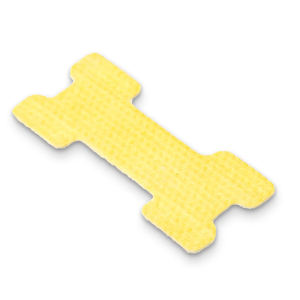
The development of specialized nasal strips for different times of day represents a significant advancement in respiratory care technology. Day and night formulations differ substantially in their adhesive properties, material composition, and intended duration of wear. These differences ensure optimal performance whether you need breathing support during active daytime hours or extended relief throughout the sleep cycle.
Material Composition and Design Variations
Adhesive Technology Differences
Day nasal strips typically feature a lighter adhesive formulation that provides secure attachment without leaving residue after removal. This makes them ideal for temporary use during exercise, work, or other daytime activities. The adhesive is designed to withstand moderate sweating and movement while maintaining its grip on the skin. The material used in day strips is often thinner and more flexible to accommodate facial expressions and movement throughout active hours.
Night nasal strips, conversely, employ a stronger adhesive system engineered for extended wear periods of eight to twelve hours. This enhanced adhesive strength ensures the strips remain securely in place during sleep, even with tossing and turning. The material composition includes additional moisture-resistant properties to handle natural perspiration that occurs during sleep cycles. These strips are constructed with slightly thicker materials to provide consistent tension throughout the night.
Structural Engineering Features
The structural design of day and night nasal strips varies significantly in terms of flexibility and tension distribution. Day strips incorporate a more dynamic spring mechanism that adapts to changing facial positions and expressions during waking hours. This adaptive design prevents the strips from becoming uncomfortable or losing effectiveness during normal daily activities. The engineering focuses on maintaining consistent nasal dilation while allowing for natural facial movement.
Night strips feature a more rigid structural design that provides sustained nasal dilation throughout extended periods of minimal movement. The engineering prioritizes long-term stability over adaptability, ensuring consistent performance even when facial muscles relax during deep sleep phases. This structural difference is crucial for maintaining optimal airflow when the body's natural muscle tone decreases during rest periods.
Performance Duration and Effectiveness
Short-Term Application Benefits
Day nasal strips are optimized for short-term use, typically ranging from two to six hours of continuous wear. This duration aligns perfectly with typical work periods, exercise sessions, or social activities where breathing enhancement is needed. The shorter wear time allows for easier removal without skin irritation and enables users to reapply fresh strips as needed throughout the day. The performance curve of day strips is designed to provide immediate maximum effectiveness that remains consistent throughout the intended wear period.
The effectiveness of day nasal strips is measured by their ability to provide instant relief from congestion while maintaining comfort during active use. These strips excel in situations requiring quick breathing improvement, such as during physical exercise or when dealing with temporary congestion. The formulation ensures that peak performance is achieved within minutes of application and sustained throughout the designated wear time.
Extended Wear Capabilities
Night nasal strips are engineered for extended wear periods, typically lasting eight to twelve hours without compromising effectiveness. This extended duration is essential for providing consistent breathing support throughout entire sleep cycles. The performance profile of night strips is designed to maintain steady nasal dilation even as natural skin oils and moisture accumulate during sleep. The extended wear capability ensures users receive continuous breathing benefits without interruption.
The effectiveness of night nasal strips is particularly important for addressing sleep-related breathing issues such as snoring or mild sleep apnea. The extended performance ensures that breathing improvements are maintained throughout all sleep phases, including deep sleep when muscle relaxation can naturally narrow nasal passages. This sustained effectiveness is crucial for achieving restorative sleep quality.
Skin Compatibility and Comfort Considerations
Daytime Skin Tolerance
Day nasal strips are formulated with skin-friendly materials that minimize irritation during shorter wear periods. The adhesive used in day formulations is designed to bond effectively with skin while allowing for easy, painless removal. This consideration is particularly important for individuals with sensitive skin who need breathing support during daytime activities. The materials used are hypoallergenic and tested to ensure compatibility with various skin types and conditions.
Comfort during daytime wear is enhanced through the use of breathable materials that allow skin to maintain normal moisture levels. The thinner profile of day nasal strips reduces the sensation of wearing an external device, making them suitable for professional or social environments. The comfort engineering ensures that users can wear the strips for several hours without experiencing significant discomfort or self-consciousness about their appearance.
Nighttime Comfort Optimization
Night nasal strips incorporate advanced comfort technologies to ensure peaceful sleep despite extended wear. The materials used are specially selected for their ability to maintain flexibility throughout the night while providing consistent support. The comfort optimization includes rounded edges and smooth surfaces that minimize the risk of irritation against pillows or bedding. These design elements are crucial for preventing sleep disruption due to device discomfort.
The skin compatibility of night nasal strips includes moisture management features that prevent excessive buildup of perspiration or natural oils. This moisture management is essential for maintaining both comfort and adhesive effectiveness throughout extended wear periods. The formulation includes ingredients that help maintain skin health even during prolonged contact, reducing the risk of irritation or adverse reactions.
Application Methods and Usage Guidelines
Proper Daytime Application Techniques
Applying day nasal strips requires attention to skin preparation and positioning for optimal effectiveness. The skin should be clean and dry before application, with any oils or moisturizers removed from the nasal area. The positioning of day strips is crucial for achieving the desired level of nasal dilation without compromising comfort during active hours. Proper application ensures maximum effectiveness while preventing premature loosening during use.
The application technique for day nasal strips should account for anticipated facial movement and activity levels. Users should press firmly along the entire length of the strip to ensure proper adhesion, paying particular attention to the edges where lifting is most likely to occur. The positioning should be slightly higher on the nose bridge compared to night strips to accommodate the natural muscle tension present during waking hours.
Nighttime Application Best Practices
Night nasal strips require a more thorough application process to ensure they remain effective throughout extended sleep periods. The skin preparation includes not only cleaning but also ensuring complete dryness, as any residual moisture can compromise adhesion during long wear periods. The positioning of night strips should account for the natural relaxation of facial muscles that occurs during sleep, requiring slightly different placement than day strips.
The application timing for night nasal strips is important, with optimal results achieved when applied 15-30 minutes before lying down. This timing allows the adhesive to fully bond with the skin before the horizontal sleeping position is assumed. The firm pressing technique used for night strips should be more thorough, ensuring that the enhanced adhesive system creates a strong bond that will withstand the movements and position changes that occur during sleep.
Effectiveness in Different Environmental Conditions
Daytime Environmental Challenges
Day nasal strips must perform effectively across various environmental conditions encountered during typical daily activities. These conditions include changes in temperature, humidity, and air quality that can affect both the user's breathing needs and the strip's performance. The formulation of day strips accounts for exposure to air conditioning, outdoor weather variations, and indoor environmental factors that could impact adhesion or effectiveness.
The performance of day nasal strips in active environments requires resistance to sweat and movement without compromising breathing benefits. These strips are designed to maintain their structural integrity even when exposed to moderate perspiration during exercise or physical activity. The environmental adaptability ensures consistent performance whether the user is in a controlled indoor environment or exposed to varying outdoor conditions.
Nighttime Environmental Optimization
Night nasal strips are optimized for the stable environmental conditions typically found in bedroom settings. The consistent temperature and humidity levels during sleep allow for formulations that prioritize extended wear over environmental adaptability. However, night strips must still account for variations in bedroom conditions such as heating, air conditioning, or natural humidity changes that occur overnight.
The environmental optimization of night nasal strips includes consideration for the reduced air circulation that often occurs in bedroom environments. The effectiveness in these conditions ensures that breathing benefits are maintained even when air quality or circulation is less than optimal. This optimization is particularly important for users who sleep in smaller rooms or environments with limited ventilation.
Target User Applications and Scenarios
Daytime Use Cases and Benefits
Day nasal strips serve a wide range of users who experience breathing difficulties during active hours. Athletes and fitness enthusiasts benefit from improved oxygen intake during exercise, leading to enhanced performance and reduced fatigue. Professional workers in demanding environments use day strips to maintain focus and energy levels when dealing with congestion or breathing restrictions. The immediate relief provided makes them ideal for acute congestion situations where quick improvement is needed.
Students and professionals who need to maintain concentration during long study or work sessions find day nasal strips particularly beneficial. The improved breathing can enhance cognitive function and reduce the fatigue associated with inadequate oxygen intake. Social situations where appearance matters also favor day strips due to their lower profile and easier removal without residue or skin irritation.
Nighttime Applications and Sleep Benefits
Night nasal strips primarily target individuals who experience sleep-related breathing issues such as snoring, mild sleep apnea, or chronic congestion that disrupts sleep quality. The extended wear capability makes them ideal for users who need consistent breathing support throughout entire sleep cycles. Partners of snorers often report improved sleep quality when night nasal strips are used consistently, as the reduction in snoring creates a more peaceful sleeping environment.
Individuals with chronic sinusitis or seasonal allergies find night nasal strips particularly beneficial for maintaining sleep quality when congestion is persistent. The sustained effectiveness throughout the night ensures that temporary breathing improvements don't fade during critical deep sleep phases. Users who travel frequently and encounter different environmental conditions appreciate the reliable performance of night strips in various sleeping environments.
Cost Effectiveness and Value Considerations
Economic Analysis of Day Strip Usage
The cost effectiveness of day nasal strips depends largely on the frequency of use and the specific breathing challenges being addressed. For occasional use during exercise or acute congestion episodes, day strips offer excellent value by providing immediate relief without the need for extended treatment periods. The shorter wear time means that a single package can last longer when used intermittently for specific activities or situations.
Professional users who require consistent breathing support during work hours may find day nasal strips to be a cost-effective alternative to other breathing aids or medications. The ability to use them as needed without ongoing commitment makes them economically attractive for users with variable breathing needs. The investment in day strips often pays dividends through improved work performance and reduced sick time due to breathing-related issues.
Long-term Value of Night Strip Investment
Night nasal strips represent a significant long-term investment in sleep quality and overall health. The consistent use of night strips can lead to improved sleep patterns, reduced snoring, and better overall rest quality, which translates to improved daytime function and productivity. The extended wear period means that users get more value from each strip, making the per-use cost competitive with other sleep improvement solutions.
The health benefits associated with improved sleep quality make night nasal strips a valuable investment in preventive healthcare. Better sleep quality can reduce the risk of various health issues related to poor sleep, potentially saving money on healthcare costs over time. The consistent performance of night strips makes them a reliable solution that can reduce the need for other sleep aids or medical interventions.
FAQ
How long can I safely wear nasal strips during the day
Day nasal strips are designed for safe use for up to 6-8 hours during waking hours. It's important to remove them before extended periods to allow your skin to breathe and prevent irritation. If you need breathing support for longer periods, consider switching to a fresh strip rather than extending the wear time of a single strip. Always follow the manufacturer's recommendations and discontinue use if you experience any skin irritation or discomfort.
Can I reuse nasal strips if I remove them carefully
Nasal strips are designed for single use only and should not be reused. The adhesive properties are compromised once removed, and reapplication will not provide the same level of effectiveness or security. Additionally, reusing strips can introduce bacteria to the nasal area and may cause skin irritation. For optimal results and hygiene, always use a fresh strip for each application.
What should I do if nasal strips cause skin irritation
If you experience skin irritation from nasal strips, discontinue use immediately and gently clean the affected area with mild soap and water. Apply a gentle moisturizer to soothe the skin and avoid using any nasal strips until the irritation completely resolves. Consider trying a different brand or formulation designed for sensitive skin, and always perform a patch test before full application if you have known skin sensitivities.
Are there any medical conditions that prevent nasal strip use
While nasal strips are generally safe for most people, certain conditions may require medical consultation before use. These include severe nasal deformities, active skin conditions in the nasal area, or recent nasal surgery. If you have chronic breathing problems, sleep apnea, or other serious respiratory conditions, consult with a healthcare provider to ensure nasal strips are appropriate for your situation and won't interfere with other treatments.
One-Stop Custom Tape & Patch Supplier, Fully Certified & Safety Guaranteed
Name: Vicky Zhou
Call/Text: +86 198 0595 7675
Email: [email protected]
Website:https://www.hlktape.com
YouTube:https://www.youtube.com/@HLKTape