
 EN
EN


Lead Time Planning for Mouth Tape Orders
Manufacturing and procurement professionals in the healthcare and wellness industries understand that effective supply chain management requires careful planning, especially when dealing with specialized products like mouth tape. Lead time planning for mouth tape orders has become increasingly critical as demand for sleep wellness products continues to grow across global markets. Companies must balance inventory costs with customer satisfaction while ensuring consistent product availability for their distribution networks.
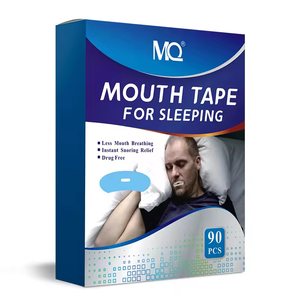
The complexity of mouth tape production involves multiple manufacturing stages, from material sourcing to final packaging, each contributing to overall lead times. Understanding these production cycles helps procurement teams develop realistic ordering schedules that prevent stockouts while minimizing excess inventory carrying costs. Modern mouth tape manufacturing requires specialized adhesive formulations, hypoallergenic materials, and precise quality control measures that can extend production timelines significantly.
Strategic lead time planning becomes even more crucial when considering seasonal demand fluctuations and market growth trends. Sleep wellness products, including mouth tape, experience varying demand patterns throughout the year, requiring sophisticated forecasting models to optimize order timing and quantities. Successful companies implement comprehensive planning systems that account for supplier capabilities, transportation logistics, and market dynamics to maintain competitive advantage in this growing sector.
Understanding Manufacturing Lead Times
Production Cycle Components
Manufacturing lead times for mouth tape encompass several distinct phases that procurement professionals must understand to develop accurate planning models. Raw material procurement typically requires 7-14 days for standard components, while specialized hypoallergenic adhesives may require 21-30 days depending on supplier capacity and formulation complexity. The actual production phase involves adhesive application, cutting, packaging, and quality testing, which collectively add 10-15 days to the overall timeline.
Quality control processes significantly impact production schedules, particularly for medical-grade mouth tape products that require extensive testing protocols. Biocompatibility testing, adhesion strength verification, and packaging integrity assessments can extend lead times by 5-10 days beyond standard manufacturing processes. These quality assurance steps are non-negotiable for reputable manufacturers but must be factored into procurement planning to avoid delivery delays.
Batch size considerations also influence manufacturing lead times, as larger production runs often achieve better efficiency but may require extended scheduling windows. Manufacturers typically optimize production schedules to balance equipment utilization with order fulfillment requirements, which can result in variable lead times depending on order timing and quantity specifications.
Supplier Capacity Management
Supplier capacity management plays a crucial role in determining realistic lead times for mouth tape orders, particularly during peak demand periods or when introducing new product specifications. Established manufacturers maintain production planning systems that allocate capacity across multiple product lines, requiring advance booking for significant order volumes. Understanding supplier capacity constraints helps procurement teams identify optimal ordering windows and avoid production bottlenecks.
Geographic considerations affect supplier capacity planning, as manufacturers in different regions operate under varying regulatory requirements and labor availability constraints. Asian manufacturers often provide competitive lead times during specific seasons but may experience capacity limitations during traditional holiday periods. European and North American suppliers typically offer more consistent capacity but may require longer planning horizons for custom formulations.
Long-term supplier relationships enable better capacity planning through advanced production scheduling and priority allocation systems. Preferred customers often receive expedited processing and guaranteed capacity allocation during high-demand periods, making supplier relationship management a critical component of effective lead time planning strategies.
Demand Forecasting Strategies
Market Trend Analysis
Accurate demand forecasting for mouth tape requires comprehensive analysis of market trends, consumer behavior patterns, and seasonal variations that influence purchasing decisions. Sleep wellness awareness campaigns and medical professional recommendations significantly impact demand patterns, creating both opportunities and challenges for inventory planning. Historical sales data provides baseline forecasting information, but emerging market trends require additional analytical approaches to predict future demand accurately.
Digital health trends and increased consumer awareness about sleep quality drive sustained growth in mouth tape demand across multiple market segments. E-commerce platforms report consistent month-over-month growth in sleep wellness product categories, with mouth tape products showing particularly strong performance metrics. These trends inform long-term planning strategies but require continuous monitoring to identify potential demand shifts or market saturation points.
Demographic analysis reveals varying demand patterns across age groups, geographic regions, and income levels that influence forecasting accuracy. Younger consumers demonstrate higher adoption rates for innovative sleep wellness products, while older demographics show more conservative purchasing patterns but higher brand loyalty once established. Regional preferences and cultural acceptance factors also affect demand distribution, requiring localized forecasting approaches for global supply chain planning.
Seasonal Demand Patterns
Seasonal demand patterns for mouth tape products exhibit distinct characteristics that procurement teams must incorporate into lead time planning strategies. Winter months typically show increased demand due to respiratory health concerns and indoor air quality issues that affect sleep quality. Spring cleaning periods often coincide with wellness product purchases as consumers focus on health improvement initiatives and sleep hygiene upgrades.
Holiday shopping seasons create significant demand spikes that require advance inventory planning and extended lead time considerations. Black Friday, Cyber Monday, and holiday gift-giving periods generate substantial sales volumes that can strain supply chains without proper preparation. Successful companies begin planning for holiday demand increases 4-6 months in advance to ensure adequate inventory availability during peak sales periods.
Summer vacation periods present unique challenges as consumer purchasing patterns shift toward travel-related wellness products while overall mouth tape demand may decrease temporarily. However, back-to-school periods often trigger renewed focus on health and wellness routines, creating secondary demand peaks that require careful inventory management to capitalize on these opportunities effectively.
Supply Chain Risk Management
Supplier Diversification
Effective supply chain risk management for mouth tape procurement requires strategic supplier diversification to minimize disruption risks while maintaining quality standards and cost competitiveness. Single-source dependencies create vulnerability to production interruptions, quality issues, and capacity constraints that can severely impact customer satisfaction and market position. Developing relationships with multiple qualified suppliers provides flexibility and negotiating leverage while ensuring continuous supply availability.
Geographic diversification across different manufacturing regions helps mitigate risks associated with natural disasters, political instability, and regional economic disruptions. Companies typically maintain primary suppliers in cost-effective regions while establishing backup relationships in alternative locations to ensure continuity during unexpected events. This approach requires additional investment in supplier qualification and relationship management but provides essential protection against supply chain disruptions.
Supplier financial stability assessment becomes increasingly important as market competition intensifies and smaller manufacturers may face cash flow challenges. Regular financial health monitoring and supplier audit programs help identify potential risks before they impact production schedules or product quality. Maintaining relationships with financially stable suppliers reduces the likelihood of unexpected production interruptions due to supplier business failures.
Inventory Buffer Strategies
Strategic inventory buffer management balances the costs of carrying excess stock against the risks of stockouts and customer dissatisfaction. Mouth tape products have specific storage requirements and shelf life considerations that influence optimal buffer levels and inventory rotation strategies. Temperature-controlled storage and humidity management add complexity to inventory planning but are essential for maintaining product quality and performance characteristics.
Safety stock calculations for mouth tape inventory must account for demand variability, lead time uncertainty, and seasonal fluctuations to determine appropriate buffer levels. Statistical models using historical demand data and lead time variations provide baseline calculations, but market dynamics and supplier performance metrics require ongoing adjustments to maintain optimal inventory levels. Advanced planning systems integrate multiple variables to optimize buffer strategies while minimizing carrying costs.
Just-in-time inventory approaches require careful balance with market uncertainty and supplier reliability factors. While reducing inventory carrying costs appeals to financial management, the specialized nature of mouth tape manufacturing and potential quality issues require sufficient buffer stocks to maintain customer service levels. Successful companies develop flexible buffer strategies that adjust based on market conditions and supplier performance metrics.
Technology Integration for Planning
Digital Planning Systems
Modern lead time planning for mouth tape orders benefits significantly from advanced digital planning systems that integrate demand forecasting, supplier management, and inventory optimization capabilities. Enterprise resource planning (ERP) systems provide comprehensive visibility across the entire supply chain, enabling procurement teams to make informed decisions based on real-time data and predictive analytics. These systems automate routine planning tasks while providing sophisticated analytical tools for strategic decision-making.
Artificial intelligence and machine learning algorithms enhance planning accuracy by identifying patterns in historical data that human analysts might miss. These technologies excel at processing multiple variables simultaneously, including seasonal trends, market dynamics, supplier performance metrics, and economic indicators that influence mouth tape demand and supply conditions. Implementation of AI-driven planning systems requires initial investment and training but delivers substantial improvements in forecast accuracy and operational efficiency.
Cloud-based planning platforms enable real-time collaboration between internal teams and external suppliers, improving communication and coordination throughout the supply chain. These systems provide shared visibility into production schedules, inventory levels, and demand forecasts that help all stakeholders make better decisions. Mobile accessibility ensures that key personnel can monitor and adjust plans regardless of location, maintaining responsiveness to changing market conditions.
Data Analytics Applications
Advanced data analytics applications transform raw operational data into actionable insights for mouth tape procurement planning. Predictive analytics models analyze multiple data sources to forecast demand patterns, identify potential supply risks, and optimize ordering strategies. These systems continuously learn from new data inputs, improving accuracy over time and providing increasingly sophisticated planning recommendations.
Supply chain analytics platforms integrate data from suppliers, logistics providers, and market sources to provide comprehensive visibility into factors affecting lead times and availability. Transportation analytics help optimize shipping schedules and route selection to minimize delivery times while controlling costs. Supplier performance analytics identify trends in quality, delivery reliability, and capacity utilization that inform supplier selection and relationship management decisions.
Real-time monitoring systems provide early warning capabilities for potential disruptions or quality issues that could impact mouth tape supply chains. Automated alerts notify planning teams of significant deviations from expected performance metrics, enabling proactive responses before problems escalate. These systems integrate with quality management and supplier monitoring platforms to provide comprehensive risk assessment and mitigation capabilities.
Cost Optimization Strategies
Economic Order Quantity Planning
Economic order quantity (EOQ) planning for mouth tape procurement requires careful analysis of ordering costs, carrying costs, and demand patterns to optimize total supply chain expenses. Traditional EOQ models provide baseline calculations, but the specialized nature of mouth tape manufacturing and storage requirements necessitate additional considerations for accurate optimization. Volume discounts from suppliers, minimum order quantities, and production batch sizes all influence optimal ordering strategies.
Carrying costs for mouth tape inventory include not only financial costs but also storage requirements, insurance, obsolescence risk, and quality degradation factors. Climate-controlled storage facilities and proper handling procedures add to carrying costs but are essential for maintaining product integrity. These factors require adjustment of standard EOQ calculations to reflect the true cost of inventory ownership for specialized healthcare products.
Dynamic EOQ models that adjust for seasonal demand variations and supplier capacity constraints provide more accurate optimization than static calculations. These models incorporate demand forecasts, supplier lead time variations, and market conditions to determine optimal order timing and quantities throughout the year. Regular model updates based on actual performance data improve accuracy and ensure continued optimization as market conditions evolve.
Transportation and Logistics
Transportation and logistics planning significantly impacts total landed costs for mouth tape orders, requiring integrated optimization of shipping methods, routing, and timing decisions. Air freight provides faster delivery but at substantially higher costs, while ocean freight offers cost advantages for larger volumes with longer lead times. Ground transportation provides intermediate options for domestic and regional deliveries, requiring careful analysis of cost versus speed trade-offs.
Consolidation strategies help optimize transportation costs by combining multiple orders or coordinating shipments with other products. Less-than-truckload (LTL) shipping becomes more cost-effective when volumes justify dedicated transportation, while container load optimization for international shipments maximizes space utilization and reduces per-unit transportation costs. These strategies require coordination with suppliers and logistics providers to achieve optimal results.
Logistics planning must account for mouth tape handling requirements and storage conditions during transportation to prevent quality degradation. Temperature-sensitive products may require refrigerated transport, while packaging specifications ensure protection during shipping and handling. These requirements influence carrier selection and routing decisions, potentially increasing logistics costs but ensuring product quality and customer satisfaction.
Quality Assurance Integration
Supplier Quality Management
Integrating quality assurance requirements into lead time planning ensures that mouth tape products meet specifications and regulatory requirements without compromising delivery schedules. Supplier quality management systems require regular audits, performance monitoring, and continuous improvement initiatives that may extend lead times but are essential for maintaining product safety and efficacy. Pre-qualification processes for new suppliers can require several months but establish foundation for reliable long-term relationships.
Quality agreements with suppliers define specific requirements for materials, manufacturing processes, testing protocols, and documentation that ensure consistent product quality. These agreements include quality metrics, inspection procedures, and corrective action protocols that suppliers must follow throughout the manufacturing process. Regular quality reviews and supplier scorecards track performance against these agreements and identify opportunities for improvement.
Incoming inspection and testing procedures add time to receiving processes but provide essential verification of product quality before distribution. Risk-based inspection strategies focus resources on critical quality attributes while streamlining processes for routine shipments from proven suppliers. Statistical sampling plans balance inspection thoroughness with processing efficiency to maintain quality assurance without creating unnecessary delays.
Regulatory Compliance Planning
Regulatory compliance planning for mouth tape products requires comprehensive understanding of applicable standards and approval processes that may affect production scheduling and market availability. Medical device regulations, consumer safety standards, and labeling requirements vary by market and can impact manufacturing processes and lead times. Early engagement with regulatory consultants and agencies helps identify requirements and plan for compliance activities.
Documentation requirements for regulatory compliance add complexity to manufacturing processes and may extend production timelines. Batch records, testing certificates, and traceability documentation must be maintained throughout the supply chain to demonstrate compliance with applicable regulations. Electronic documentation systems streamline these processes while ensuring accuracy and accessibility for regulatory inspections.
Change control processes ensure that any modifications to mouth tape formulations, manufacturing processes, or suppliers receive proper evaluation and approval before implementation. These processes protect product quality and regulatory compliance but require advance planning to avoid production delays. Effective change management integrates regulatory requirements with business objectives to minimize disruption while maintaining compliance standards.
FAQ
What factors most significantly impact mouth tape manufacturing lead times
Manufacturing lead times for mouth tape products are primarily influenced by raw material availability, production capacity at suppliers, quality control requirements, and seasonal demand fluctuations. Specialized adhesive formulations often require longer procurement times than standard materials, while hypoallergenic certifications and biocompatibility testing add several days to production schedules. Supplier capacity constraints during peak seasons can extend lead times significantly, making advance planning essential for maintaining consistent supply availability.
How should companies balance inventory costs with supply security for mouth tape products
Effective inventory balance requires implementing safety stock strategies that account for demand variability while minimizing carrying costs through optimized storage and rotation procedures. Companies should establish minimum and maximum inventory levels based on historical demand patterns, supplier reliability metrics, and seasonal variations. Regular review of inventory turnover rates and carrying cost analysis helps optimize stock levels while maintaining adequate supply security for customer commitments.
What role does supplier diversification play in mouth tape procurement planning
Supplier diversification provides essential risk mitigation by reducing dependence on single sources while maintaining competitive pricing and quality standards. Companies should develop relationships with multiple qualified suppliers across different geographic regions to protect against localized disruptions. However, diversification must balance risk reduction with the complexity and costs of managing multiple supplier relationships, requiring careful evaluation of supplier capabilities and performance metrics.
How can technology improve lead time planning accuracy for mouth tape orders
Advanced planning systems integrate demand forecasting, supplier performance data, and market analytics to provide more accurate lead time predictions and optimize ordering strategies. Artificial intelligence algorithms can identify patterns in historical data and predict potential disruptions before they impact supply chains. Real-time monitoring systems provide early warning capabilities for quality issues or capacity constraints, enabling proactive responses that minimize delivery delays and maintain customer satisfaction levels.
One-Stop Custom Tape & Patch Supplier, Fully Certified & Safety Guaranteed
Name: Vicky Zhou
Call/Text: +86 198 0595 7675
Email: [email protected]
Website:https://www.hlktape.com
YouTube:https://www.youtube.com/@HLKTape