
 EN
EN


What Are the Optimal Storage Conditions for Mouth Tape Products?
Proper storage of mouth tape products is crucial for maintaining their effectiveness, adhesive quality, and overall performance throughout their shelf life. Understanding the optimal storage conditions ensures that these specialized sleep aids retain their hypoallergenic properties and deliver consistent results for users seeking improved sleep quality and reduced snoring. Temperature, humidity, and environmental factors all play significant roles in preserving the integrity of mouth tape materials and adhesive components.
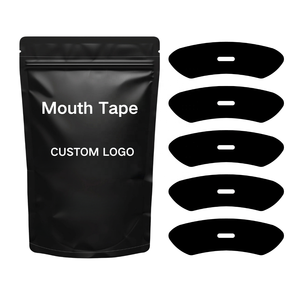
The storage environment directly impacts the molecular structure of adhesive materials used in mouth tape manufacturing. When exposed to extreme temperatures or fluctuating conditions, the adhesive properties can deteriorate, leading to reduced sticking power or premature adhesive failure. Professional manufacturers implement strict storage protocols to ensure their products maintain optimal performance from production through end-user application.
Temperature Control Requirements
Ideal Temperature Range
The optimal storage temperature for mouth tape products ranges between 59°F to 77°F (15°C to 25°C). This temperature range prevents the adhesive from becoming too rigid in cold conditions or too fluid in warm environments. Maintaining consistent temperatures within this range ensures that the mouth tape retains its designed flexibility and adhesive strength throughout its intended shelf life.
Extreme temperature fluctuations can cause expansion and contraction of the tape materials, potentially compromising the bond between the adhesive layer and the backing material. Professional storage facilities utilize climate-controlled environments to maintain these precise temperature parameters, ensuring product quality remains consistent from manufacturing to consumer use.
Impact of Temperature Extremes
Exposure to temperatures below 32°F (0°C) can cause the adhesive in mouth tape to become brittle and lose its conformability to skin surfaces. Conversely, temperatures exceeding 86°F (30°C) may cause the adhesive to become overly tacky or even migrate within the product packaging, creating application difficulties for end users.
Extended exposure to high temperatures can also accelerate the aging process of hypoallergenic materials used in premium mouth tape products, potentially reducing their effectiveness and increasing the risk of skin sensitivity reactions in users with delicate skin conditions.
Humidity Management
Optimal Moisture Levels
Maintaining relative humidity levels between 45% and 55% provides the ideal storage environment for mouth tape products. This humidity range prevents the adhesive from drying out while avoiding excessive moisture absorption that could compromise the tape's structural integrity. Professional storage facilities monitor humidity levels continuously to ensure consistent product quality.
Humidity control becomes particularly critical for mouth tape products that incorporate hydrogel components or moisture-wicking materials. These advanced formulations require precise environmental conditions to maintain their therapeutic properties and ensure optimal performance during nighttime use.
Consequences of Improper Humidity
Low humidity environments below 30% can cause the adhesive in mouth tape to lose moisture content, resulting in reduced tackiness and poor adherence to skin surfaces. This condition may lead to premature tape removal during sleep, defeating the primary purpose of the sleep aid product.
Excessive humidity above 70% creates conditions favorable for bacterial or fungal growth within packaging materials, potentially contaminating the mouth tape and creating health risks for users. High moisture levels can also cause the tape backing to curl or distort, making application difficult and uncomfortable.
Light Protection and UV Exposure
UV Radiation Effects
Direct sunlight and UV radiation can degrade the polymer chains in mouth tape adhesives, causing them to lose their elastic properties and adhesive strength over time. Storage areas should minimize UV exposure through proper packaging and controlled lighting conditions to preserve product integrity.
The hypoallergenic materials commonly used in premium mouth tape formulations are particularly susceptible to UV degradation, which can alter their chemical composition and potentially create skin irritation in sensitive users. Proper light protection extends product shelf life significantly.
Storage Location Considerations
Ideal storage locations for mouth tape products include cool, dark areas away from direct sunlight, heat sources, and high-traffic zones. Warehouse facilities should implement UV-filtering windows or opaque storage containers to protect products from light exposure during long-term storage periods.
Retail environments require careful consideration of display lighting and window placement to prevent UV damage while maintaining product visibility for consumers. LED lighting systems with minimal UV output provide safer illumination options for mouth tape retail displays.
Packaging and Container Requirements
Moisture Barrier Properties
Effective packaging for mouth tape storage must incorporate moisture barrier materials that prevent humidity fluctuations from affecting the product inside. Aluminum foil laminates and specialized polymer films provide excellent protection against moisture ingress while maintaining product freshness.
The packaging design should also include adequate sealing mechanisms to prevent air exchange that could introduce contaminants or allow moisture to escape from hydrogel-based mouth tape formulations. Professional-grade packaging ensures consistent product performance throughout the intended shelf life.
Size and Portioning Considerations
Individual packaging of mouth tape units provides optimal protection against environmental factors while maintaining hygiene standards for personal use products. Single-use packaging prevents cross-contamination and ensures that each tape maintains its adhesive properties until application.
Bulk storage solutions must balance cost-effectiveness with product protection, utilizing larger containers with appropriate sealing and environmental controls to maintain mouth tape quality during distribution and retail phases.
Quality Control and Monitoring
Environmental Monitoring Systems
Professional storage facilities implement continuous monitoring systems that track temperature, humidity, and other environmental factors affecting mouth tape quality. These systems provide real-time alerts when conditions deviate from optimal parameters, enabling immediate corrective action.
Data logging capabilities allow manufacturers and distributors to maintain comprehensive records of storage conditions throughout the supply chain, supporting quality assurance programs and regulatory compliance requirements for medical device products.
Regular Quality Assessments
Periodic testing of stored mouth tape products ensures that adhesive strength, conformability, and hypoallergenic properties remain within specified parameters. These assessments may include peel strength testing, skin compatibility evaluations, and accelerated aging studies to verify product stability.
Quality control protocols should establish clear acceptance criteria for mouth tape products and define corrective actions when storage conditions compromise product performance or safety characteristics.
Transportation and Distribution
Temperature-Controlled Shipping
During transportation, mouth tape products require temperature-controlled environments similar to storage conditions to prevent quality degradation. Refrigerated transport may be necessary in extreme climates or during extended shipping periods to maintain product integrity.
Shipping containers should include temperature monitoring devices that provide continuous documentation of environmental conditions throughout the distribution process, ensuring that mouth tape products reach end users in optimal condition.
Handling and Loading Procedures
Proper handling procedures during loading and unloading operations prevent physical damage to mouth tape packaging and maintain environmental protection. Training programs for distribution personnel emphasize the importance of gentle handling and proper stacking techniques.
Loading dock areas should provide temporary climate-controlled environments to minimize exposure time to adverse weather conditions during product transfer operations, particularly important for mouth tape products with sensitive adhesive formulations.
Consumer Storage Guidelines
Home Storage Recommendations
End users should store mouth tape products in cool, dry locations away from bathrooms, kitchens, and other high-humidity areas within the home environment. Bedroom dresser drawers or hall closets typically provide suitable storage conditions for personal use quantities.
Original packaging should remain intact until use to maintain product protection and hygiene standards. Users should avoid transferring mouth tape products to alternative containers that may not provide adequate environmental protection or contamination prevention.
Travel Considerations
When traveling with mouth tape products, users should pack them in carry-on luggage to avoid exposure to extreme temperatures in cargo compartments. Insulated travel cases may provide additional protection during extended trips or travel to extreme climate destinations.
Airport security screening procedures typically do not affect mouth tape products, but users should be prepared to explain the purpose and contents of their sleep aid supplies if questioned by security personnel during travel.
FAQ
How long can mouth tape products be stored under optimal conditions
Under proper storage conditions with controlled temperature, humidity, and light exposure, most mouth tape products maintain their effectiveness for 2-3 years from the manufacturing date. However, users should always check expiration dates and inspect products for any signs of degradation before use. Products stored in suboptimal conditions may have reduced shelf life and should be replaced more frequently to ensure safety and effectiveness.
Can mouth tape be stored in the refrigerator to extend its shelf life
Refrigerator storage is not recommended for mouth tape products as the low temperature can make the adhesive brittle and difficult to apply. Additionally, refrigerators typically have high humidity levels that can affect the tape's properties. Room temperature storage in a cool, dry location provides optimal conditions for maintaining mouth tape quality and performance throughout its intended shelf life.
What signs indicate that mouth tape has been stored improperly
Signs of improper storage include reduced adhesive tackiness, difficulty removing the protective backing, curling or distortion of the tape material, changes in color or texture, and the presence of moisture or condensation within the packaging. Any mouth tape showing these signs should not be used as it may not provide effective sleep therapy and could potentially cause skin irritation or other adverse reactions.
Is it safe to use mouth tape that has been exposed to extreme temperatures during shipping
Mouth tape exposed to extreme temperatures during shipping should be evaluated carefully before use. If the packaging appears intact and the product shows no visible signs of damage or degradation, it may still be safe to use. However, if there are any concerns about product quality or performance, consumers should contact the manufacturer for guidance or request a replacement to ensure optimal safety and effectiveness.
One-Stop Custom Tape & Patch Supplier, Fully Certified & Safety Guaranteed
Name: Vicky Zhou
Call/Text: +86 198 0595 7675
Email: [email protected]
Website:https://www.hlktape.com
YouTube:https://www.youtube.com/@HLKTape