
 EN
EN


Managing Skin Sensitivity Risks in NasalStrips
Sleep quality and breathing comfort remain critical concerns for millions of people worldwide, with nasal strips emerging as a popular non-invasive solution for addressing nasal congestion and breathing difficulties during sleep. These adhesive devices have gained significant traction among consumers seeking alternatives to pharmaceutical interventions or more invasive medical procedures. However, the increasing use of nasal strips has also brought attention to skin sensitivity issues that can arise from prolonged or improper use of these products, making it essential for users to understand the potential risks and management strategies associated with their application.
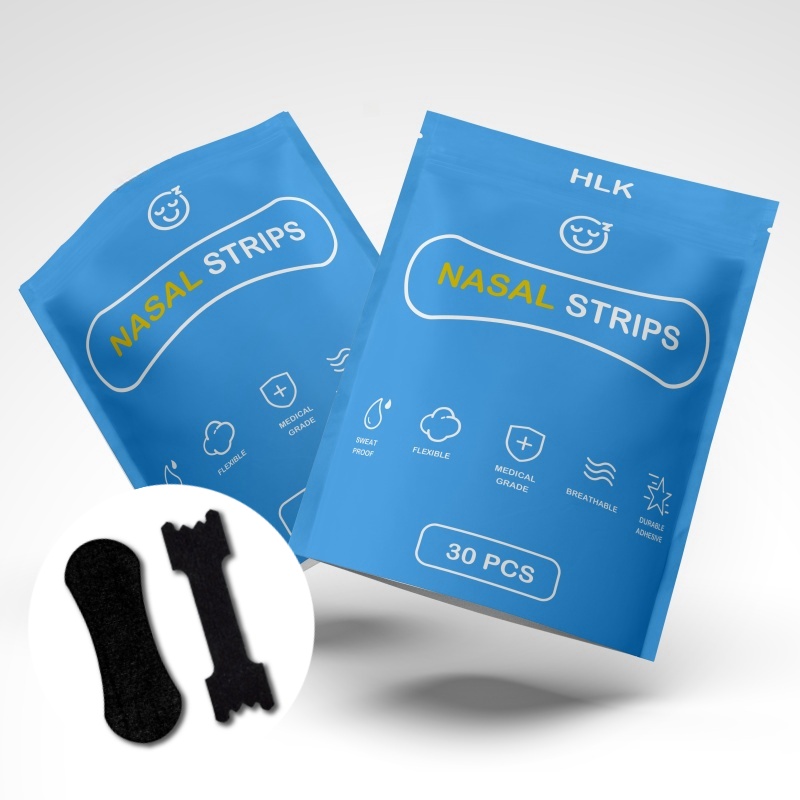
The widespread adoption of nasal strips across various demographics has highlighted the importance of addressing skin sensitivity concerns proactively. While these devices offer substantial benefits for breathing enhancement and sleep improvement, users must be aware of the potential for adverse skin reactions and take appropriate measures to minimize risks. Understanding the mechanisms behind skin sensitivity reactions to nasal strips enables consumers to make informed decisions about product selection and usage patterns, ultimately leading to more successful and comfortable experiences with these breathing aids.
Understanding Skin Sensitivity and Nasal Strip Interactions
Common Types of Skin Reactions
Skin sensitivity reactions to nasal strips typically manifest in several distinct forms, each requiring different approaches for prevention and management. Contact dermatitis represents the most common adverse reaction, characterized by redness, itching, and inflammation in the area where the adhesive makes contact with the skin. This condition often develops gradually over repeated use, as the skin becomes increasingly sensitized to the adhesive components or materials used in standard nasal strips manufacturing processes.
Allergic contact dermatitis presents a more severe form of reaction, involving the immune system's response to specific allergens present in the adhesive formulations. Users experiencing this type of reaction may notice symptoms that extend beyond the immediate application area, including swelling, blistering, or persistent irritation that continues even after removing the nasal strips. Additionally, mechanical irritation can occur due to the repeated application and removal of adhesive products, leading to skin abrasion, micro-tears, or compromised barrier function in the nasal bridge area.
Identifying Risk Factors for Sensitivity
Several factors contribute to increased susceptibility to skin sensitivity reactions when using nasal strips, with individual skin type representing a primary consideration. People with naturally sensitive skin, existing dermatological conditions such as eczema or psoriasis, or a history of allergic reactions to adhesive products face elevated risks of experiencing adverse reactions. Age-related changes in skin thickness, elasticity, and barrier function also influence sensitivity levels, with both very young and elderly users potentially experiencing heightened susceptibility to irritation.
Environmental factors and usage patterns significantly impact the likelihood of developing sensitivity reactions to nasal strips. Frequent application, extended wear duration, or improper removal techniques can increase the risk of skin damage and subsequent sensitivity development. Additionally, concurrent use of other topical products, medications that affect skin sensitivity, or exposure to environmental allergens may compound the risk factors associated with nasal strips usage, necessitating careful consideration of these variables in sensitivity management strategies.
Preventive Strategies for Safe Usage
Proper Application Techniques
Implementing correct application procedures represents a fundamental aspect of preventing skin sensitivity issues when using nasal strips. Pre-application preparation should include thorough cleansing of the nasal area with gentle, fragrance-free cleansers to remove oils, dirt, and potential allergens that could interact with the adhesive. Ensuring complete drying of the skin surface before application prevents moisture-related adhesion problems and reduces the likelihood of bacterial growth underneath the nasal strips, which could contribute to irritation and infection risks.
The positioning and pressure applied during nasal strips placement directly influence both effectiveness and skin safety outcomes. Users should avoid stretching the skin excessively during application, as this can create tension points that increase the risk of irritation or injury upon removal. Gentle, even pressure application ensures proper adhesion without causing unnecessary stress to the skin surface, while careful attention to alignment prevents uneven distribution of adhesive contact that could lead to localized pressure points or inadequate breathing improvement benefits.
Selection of Appropriate Products
Choosing the right type of nasal strips based on individual skin characteristics and sensitivity levels plays a crucial role in preventing adverse reactions. Hypoallergenic formulations specifically designed for sensitive skin incorporate gentler adhesive technologies and reduced allergen content, making them suitable alternatives for users who have experienced reactions to standard products. These specialized nasal strips often feature breathable materials and medical-grade adhesives that minimize the risk of skin irritation while maintaining effective breathing enhancement properties.
Size selection and material composition consideration further contribute to successful sensitivity prevention strategies. Users should select nasal strips that provide adequate coverage without excessive overlap onto surrounding skin areas, reducing the total surface area exposed to adhesive materials. Additionally, evaluating the specific materials used in construction, including backing fabrics, adhesive formulations, and any additional coatings or treatments, helps identify products most compatible with individual skin types and sensitivity profiles.
Management of Existing Sensitivity Issues
Immediate Response Protocols
When skin sensitivity reactions occur during or after nasal strips usage, prompt and appropriate response measures can significantly minimize the severity and duration of symptoms. Immediate discontinuation of product use represents the first and most critical step, followed by gentle removal of any remaining adhesive residue using oil-based cleansers or specialized adhesive removers designed for sensitive skin. Avoiding aggressive rubbing or scraping during the removal process prevents additional mechanical trauma that could exacerbate existing irritation or compromise skin barrier function.
Post-removal care should focus on soothing inflammation and supporting natural healing processes through appropriate topical treatments. Cool compresses applied to affected areas can provide immediate relief from burning or itching sensations while reducing localized swelling and inflammation. Gentle, fragrance-free moisturizers containing ingredients such as ceramides, hyaluronic acid, or colloidal oatmeal help restore skin barrier function and provide ongoing comfort during the healing process, while avoiding products with potential irritants such as alcohol, fragrances, or harsh preservatives.
Long-term Sensitivity Management
Developing effective long-term strategies for managing skin sensitivity while continuing to benefit from nasal strips requires careful attention to usage patterns and product rotation approaches. Implementing rest periods between applications allows skin to recover and regenerate, reducing the cumulative effects of repeated adhesive exposure that can lead to progressive sensitization. These intervals may range from several days to weeks, depending on the severity of previous reactions and individual healing rates, with gradual reintroduction helping to assess ongoing tolerance levels.
Alternative application methods and complementary approaches can provide breathing benefits while minimizing direct skin contact with traditional nasal strips adhesives. Barrier applications such as thin protective films or specialized skin protectants create a buffer layer between the adhesive and skin surface, reducing direct contact while maintaining product effectiveness. Additionally, exploring alternative breathing enhancement solutions, including nasal dilators, breathing exercises, or environmental modifications, provides options for users who cannot tolerate any form of adhesive nasal strips despite sensitivity management efforts.
Product Innovation and Sensitivity Solutions
Advances in Hypoallergenic Technology
Recent developments in adhesive technology and materials science have led to significant improvements in the safety profile of nasal strips designed for sensitive skin applications. Advanced hypoallergenic formulations incorporate novel adhesive chemistries that provide strong holding power while eliminating or minimizing common allergens such as latex, acrylates, or rosin-based compounds that frequently trigger sensitivity reactions. These innovations enable manufacturers to create nasal strips that deliver effective breathing enhancement without compromising skin comfort or safety for users with known sensitivity issues.
Breathable substrate materials represent another significant advancement in sensitivity-friendly nasal strips design, incorporating micro-perforated films and fabric technologies that allow air and moisture exchange while maintaining structural integrity. This improved breathability reduces the risk of maceration and bacterial growth that can occur under occlusive adhesive applications, particularly during extended wear periods or in humid environments. The integration of antimicrobial treatments and moisture-wicking properties further enhances the safety profile of modern sensitive-skin nasal strips formulations.
Customization and Personalization Options
The growing recognition of individual variability in skin sensitivity has driven the development of customizable nasal strips solutions that can be tailored to specific user needs and tolerance levels. Adjustable adhesion strength options allow users to select products with optimal holding power for their particular application requirements while minimizing unnecessary adhesive exposure that could contribute to sensitivity development. These graduated adhesion systems provide flexibility for users to start with gentler formulations and gradually progress to stronger adhesives as tolerance develops or breathing needs change.
Personalized sizing and shape options further contribute to improved comfort and reduced sensitivity risk by ensuring optimal fit and minimal excess material contact with skin surfaces. Custom-fitted nasal strips eliminate the pressure points and uneven adhesion that can result from standardized sizing, while specialized contours designed for different nasal bridge shapes and profiles optimize both breathing enhancement effectiveness and skin compatibility. These personalization approaches represent the future direction of nasal strips development, prioritizing individual user needs and safety considerations alongside performance requirements.
Professional Consultation and Medical Considerations
When to Seek Professional Guidance
Certain symptoms and reaction patterns associated with nasal strips usage warrant professional medical evaluation to ensure appropriate treatment and prevent potential complications. Persistent or worsening skin reactions that do not resolve within several days of discontinuing product use may indicate underlying allergic sensitivities or secondary infections that require medical intervention. Additionally, reactions that spread beyond the immediate application area, involve systemic symptoms such as widespread itching or respiratory changes, or recur despite proper prevention measures suggest the need for comprehensive allergological assessment and specialized treatment protocols.
Healthcare providers can offer valuable guidance regarding alternative breathing enhancement strategies for individuals who cannot tolerate any form of adhesive nasal strips due to severe sensitivity issues. Professional evaluation may reveal underlying nasal structural problems, chronic inflammatory conditions, or other medical factors contributing to breathing difficulties that require targeted medical treatment rather than symptomatic management with external devices. This comprehensive approach ensures that users receive appropriate care for both their breathing concerns and skin sensitivity issues while avoiding potential complications from continued use of incompatible products.
Integration with Overall Healthcare Management
Effective management of skin sensitivity related to nasal strips usage often benefits from integration with broader healthcare planning, particularly for individuals with existing dermatological conditions or multiple medication allergies. Healthcare providers can assess potential interactions between nasal strips materials and other topical treatments, medications, or skincare products that might compound sensitivity risks or interfere with healing processes. This comprehensive approach helps prevent conflicts between different treatment modalities while optimizing outcomes for both breathing enhancement and skin health maintenance.
Documentation and tracking of sensitivity reactions, including detailed records of products used, reaction severity, and management outcomes, provide valuable information for healthcare providers and help guide future product selection decisions. This systematic approach to sensitivity management enables more precise identification of problematic ingredients or material components, facilitating more targeted avoidance strategies and improving the likelihood of successful long-term nasal strips usage without adverse skin effects.
FAQ
How long should I wait before trying nasal strips again after experiencing a sensitivity reaction
The appropriate waiting period depends on the severity of your reaction and how quickly your skin heals completely. For mild irritation, waiting at least one week after all symptoms have resolved is generally recommended, while more severe reactions may require several weeks of healing time. Before reintroducing nasal strips, ensure your skin has returned to its normal appearance and sensation, and consider starting with a hypoallergenic formulation designed for sensitive skin. If you experienced a significant allergic reaction, consult with a healthcare provider before attempting to use nasal strips again.
Can I use barrier creams or protective films to prevent sensitivity while using nasal strips
Yes, barrier products can be effective in reducing direct contact between adhesive materials and sensitive skin, though they may slightly reduce the adhesive effectiveness of nasal strips. Thin, breathable protective films specifically designed for medical applications work best, as they maintain some adhesive contact while providing a protective layer. However, thick creams or ointments may prevent proper adhesion entirely, making the nasal strips ineffective. Test any barrier method carefully to ensure you still receive adequate breathing benefits while protecting your skin.
Are certain ingredients in nasal strips more likely to cause sensitivity reactions than others
Common allergens in nasal strips adhesives include acrylate compounds, rosin-based substances, latex proteins, and certain preservatives or fragrances. Natural rubber latex is particularly problematic for individuals with latex allergies, while acrylate adhesives can cause delayed allergic reactions that develop over time with repeated exposure. Reading ingredient labels carefully and choosing products specifically labeled as hypoallergenic, latex-free, and fragrance-free can significantly reduce your risk of developing sensitivity reactions. If you have known allergies to medical adhesives or tape products, those same allergens may be present in nasal strips.
What should I do if I develop a rash that spreads beyond the nasal strip application area
A spreading rash suggests a more significant allergic reaction that requires immediate attention and medical evaluation. Remove the nasal strips immediately, gently cleanse the area with mild soap and water, and avoid applying any additional products that might worsen the reaction. Apply cool compresses to reduce inflammation and contact a healthcare provider promptly, especially if you experience additional symptoms such as difficulty breathing, widespread itching, or swelling in other areas. This type of reaction indicates you should avoid that particular product formulation permanently and may need allergy testing to identify specific trigger ingredients.
One-Stop Custom Tape & Patch Supplier, Fully Certified & Safety Guaranteed
Name: Vicky Zhou
Call/Text: +86 198 0595 7675
Email: [email protected]
Website:https://www.hlktape.com
YouTube:https://www.youtube.com/@HLKTape