
 EN
EN


Structural Support Issues and Improvement Strategies
Breathing difficulties during sleep and physical activities affect millions of people worldwide, leading to reduced performance and compromised quality of life. When nasal passages become restricted due to various factors, finding effective solutions becomes crucial for maintaining optimal respiratory function. Nasal strips have emerged as a non-invasive, practical approach to addressing these structural support issues, offering immediate relief without the need for complex medical procedures or pharmaceutical interventions.
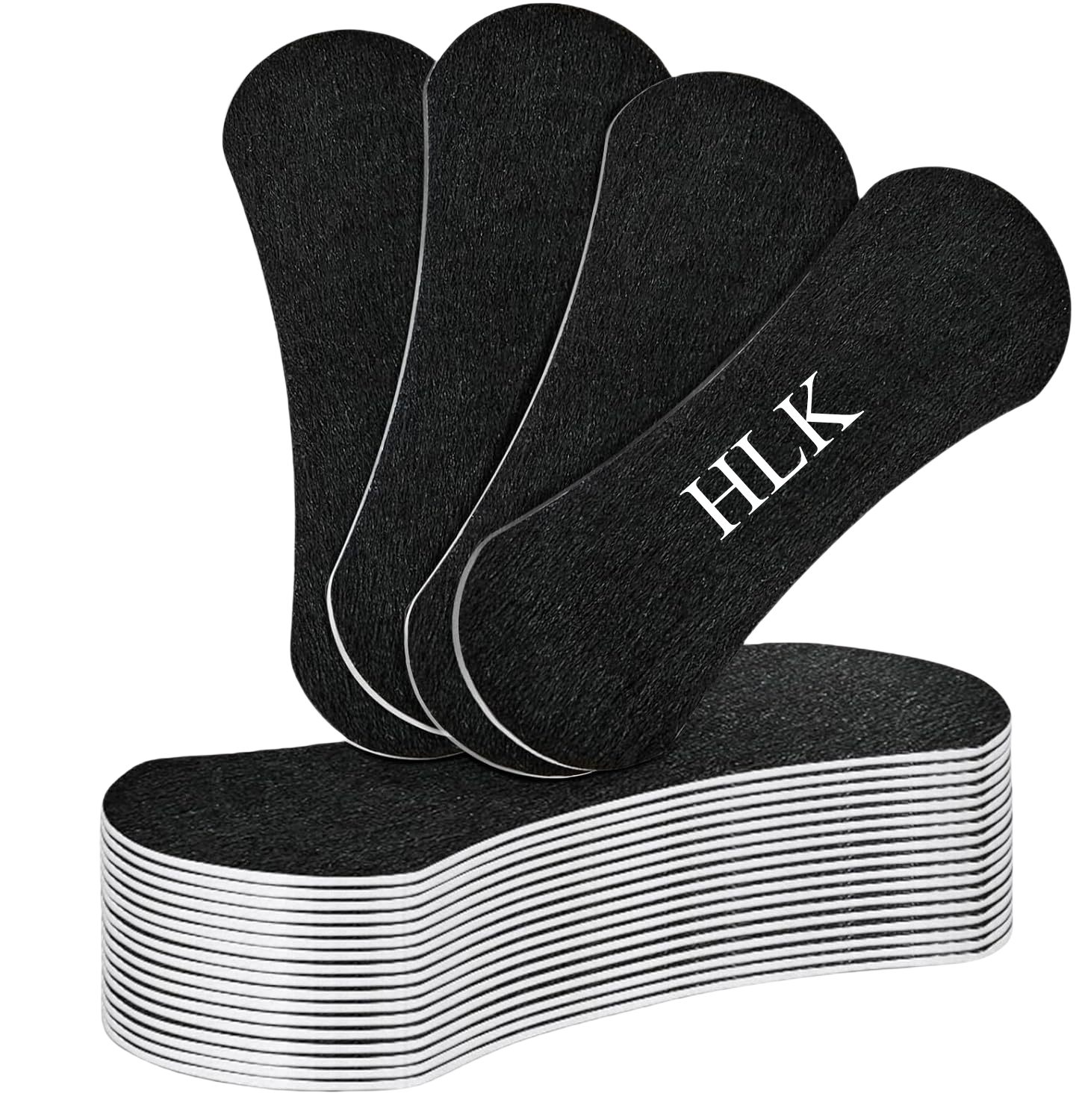
The human respiratory system relies on clear, unobstructed pathways to facilitate proper airflow. When structural limitations compromise these pathways, the body struggles to maintain adequate oxygen intake, particularly during demanding activities or rest periods. Understanding the underlying causes of nasal congestion and exploring modern solutions can help individuals regain control over their breathing patterns and overall wellness.
Modern lifestyle factors, environmental conditions, and genetic predispositions all contribute to respiratory challenges that require targeted interventions. The development of advanced support systems has revolutionized how we approach these common yet impactful issues, providing accessible options for people seeking immediate and effective relief from breathing restrictions.
Understanding Nasal Structural Challenges
Common Causes of Nasal Obstruction
Nasal obstruction can result from multiple factors, including anatomical variations, inflammatory responses, and external environmental influences. Deviated septums, enlarged turbinates, and narrow nasal passages represent structural issues that can significantly impact airflow efficiency. These conditions often develop gradually, making them difficult to recognize until breathing becomes noticeably compromised.
Allergic reactions and seasonal changes frequently contribute to temporary nasal congestion, causing tissue swelling and increased mucus production. When combined with existing structural limitations, these factors can create compound breathing difficulties that require comprehensive management strategies. Environmental pollutants, dry air, and chemical irritants also play significant roles in nasal passage restriction.
Sports participants and physically active individuals often experience nasal congestion due to increased respiratory demands and exposure to varying environmental conditions. The combination of elevated heart rate, increased oxygen requirements, and potential allergen exposure can overwhelm the body's natural clearing mechanisms, making external support systems particularly valuable for maintaining peak performance.
Impact on Sleep Quality and Performance
Restricted nasal breathing directly affects sleep quality by forcing mouth breathing, which can lead to dry throat, snoring, and interrupted rest cycles. The body's natural sleep processes depend on efficient oxygen exchange, and when nasal passages are compromised, the entire system becomes less effective at promoting restorative sleep patterns.
Athletic performance suffers significantly when breathing becomes labored or inefficient. Oxygen delivery to working muscles depends on clear respiratory pathways, and any obstruction can limit endurance, reduce power output, and increase fatigue levels. Professional athletes and fitness enthusiasts have increasingly recognized the importance of maintaining optimal nasal breathing for competitive advantage.
Cognitive function and daily productivity also decline when breathing becomes compromised. The brain requires consistent oxygen supply to maintain focus, memory, and decision-making capabilities. Poor nasal breathing can lead to daytime fatigue, reduced concentration, and decreased overall mental performance, affecting both professional and personal activities.
Mechanical Solutions for Respiratory Support
External Support Systems
External nasal support devices work by applying gentle outward pressure to the nasal walls, helping to maintain optimal passage width during breathing activities. These mechanical solutions address structural limitations without requiring invasive procedures or pharmaceutical interventions, making them accessible to a wide range of users seeking immediate relief.
The adhesive-based design of quality nasal strips provides secure attachment while maintaining skin-friendly properties for extended wear periods. Advanced materials and manufacturing processes ensure that these devices can withstand various environmental conditions, including moisture, temperature changes, and physical activity demands.
Proper application techniques maximize the effectiveness of external support systems, requiring careful placement and appropriate skin preparation. Users must understand the correct positioning methods to achieve optimal results while avoiding skin irritation or discomfort during extended wear periods. Training and education help individuals develop confidence in using these supportive devices effectively.
Material Technology and Design Innovation
Modern nasal strips incorporate advanced polymer technologies that balance flexibility with structural integrity, allowing devices to adapt to individual facial contours while maintaining consistent support pressure. These materials must withstand repeated flexing, moisture exposure, and temperature variations without losing adhesive properties or structural effectiveness.
Breathable adhesive formulations ensure that skin remains healthy during extended wear periods, preventing irritation while maintaining secure attachment. The development of hypoallergenic materials has made these devices suitable for individuals with sensitive skin or allergic tendencies, expanding their accessibility across diverse user populations.
Waterproof capabilities enable use during intense physical activities, swimming, or humid environmental conditions without compromising device performance. This durability feature has made nasal strips particularly valuable for athletes and active individuals who require reliable respiratory support across various activity types and environmental conditions.
Implementation Strategies for Different User Groups
Athletic Applications
Professional sports teams and individual athletes have integrated nasal strips into their performance optimization protocols, recognizing the direct relationship between efficient breathing and competitive results. Training regimens now commonly include respiratory support planning, with athletes learning to identify when external assistance can provide meaningful performance advantages.
Endurance sports particularly benefit from nasal breathing optimization, as sustained activity demands consistent oxygen delivery over extended periods. Marathon runners, cyclists, and swimmers have reported improved performance metrics when using properly fitted nasal support devices during training and competition periods.
Team sports applications require devices that can withstand contact and rapid movement changes while maintaining secure attachment and consistent support pressure. The development of extra-strength formulations has addressed these demanding use cases, providing athletes with reliable respiratory assistance during high-intensity activities.
Sleep Improvement Programs
Sleep specialists increasingly recommend nasal strips as part of comprehensive sleep hygiene programs, particularly for individuals experiencing mild to moderate breathing disruptions. These devices complement other sleep improvement strategies by addressing mechanical obstructions that contribute to poor rest quality and daytime fatigue.
Family members of individuals who snore have found that nasal support devices can significantly reduce nighttime disruptions, improving sleep quality for entire households. The non-invasive nature of these solutions makes them preferable to more complex interventions for addressing common breathing-related sleep issues.
Long-term sleep quality improvements require consistent use and proper application techniques, with users developing routines that incorporate nasal strips into their evening preparation rituals. Education about optimal placement, skin preparation, and removal procedures helps individuals maximize the benefits of these supportive devices.
Quality Standards and Regulatory Considerations
Medical Device Classifications
Regulatory bodies classify nasal strips as medical devices, requiring manufacturers to meet specific safety and efficacy standards before market authorization. These requirements ensure that products provide consistent performance while minimizing risks associated with skin contact and extended wear periods.
CE approval processes evaluate material safety, adhesive formulations, and structural integrity under various use conditions, providing consumers with confidence in product quality and performance. Manufacturers must demonstrate compliance with biocompatibility standards and provide documentation of clinical testing results.
Quality control measures throughout the manufacturing process ensure that each nasal strip meets established specifications for adhesive strength, material flexibility, and overall effectiveness. These standards protect consumers while enabling manufacturers to develop innovative solutions that address evolving user needs and preferences.
Manufacturing Excellence
Advanced production facilities utilize precision equipment and controlled environments to ensure consistent product quality across large-scale manufacturing operations. Temperature control, humidity management, and contamination prevention protocols are essential for maintaining the integrity of adhesive formulations and material properties.
Supply chain management systems track raw materials from source to finished product, enabling rapid identification and resolution of any quality issues that might arise during production. This traceability helps manufacturers maintain high standards while providing transparency to regulatory authorities and end users.
Continuous improvement programs incorporate user feedback and performance data to refine product designs and manufacturing processes. Companies that prioritize quality invest in research and development activities that advance nasal strip technology while maintaining affordability and accessibility for diverse user populations.
Customization and Personalization Options
OEM and ODM Services
Original Equipment Manufacturer services enable businesses to develop customized nasal strips that meet specific market requirements or brand positioning strategies. These partnerships provide access to advanced manufacturing capabilities while allowing companies to focus on marketing, distribution, and customer relationship management activities.
Original Design Manufacturer relationships offer comprehensive product development support, from initial concept through final production and quality assurance. Companies can leverage specialized expertise in materials science, adhesive technology, and regulatory compliance without investing in extensive internal capabilities.
Custom formulations address unique user needs or environmental conditions, such as enhanced waterproofing for aquatic activities or extended wear capabilities for long-duration events. These specialized solutions demonstrate the flexibility of modern manufacturing systems in responding to diverse market demands and user preferences.
Branding and Market Positioning
Private labeling opportunities allow businesses to offer nasal strips under their own brand names while benefiting from established manufacturing expertise and quality systems. This approach enables companies to expand their product portfolios without significant capital investment in production facilities or technical development capabilities.
Marketing differentiation through packaging design, size variations, and special formulations helps brands establish unique positions in competitive markets. Companies can target specific user segments or application areas by emphasizing particular product features or performance characteristics that address distinct customer needs.
Distribution partnerships with established manufacturers provide access to global markets and regulatory expertise, enabling smaller companies to compete effectively against larger organizations. These relationships facilitate market entry and expansion while maintaining focus on core business competencies and customer service excellence.
Future Developments and Emerging Technologies
Smart Integration Possibilities
Emerging technologies may enable the integration of sensors and monitoring capabilities into nasal strips, providing users with real-time feedback about breathing patterns and device effectiveness. These smart devices could help optimize placement and timing while tracking long-term usage patterns for improved health management.
Biocompatible electronics and flexible circuit technologies are advancing rapidly, creating opportunities for enhanced functionality without compromising the simplicity and effectiveness that make current nasal strips attractive to users. Future developments may include temperature monitoring, humidity sensing, or wireless connectivity features.
Data collection capabilities could enable personalized recommendations for nasal strip selection, placement techniques, and usage schedules based on individual physiology and activity patterns. Machine learning algorithms may help users optimize their respiratory support strategies over time through continuous monitoring and feedback systems.
Material Science Advances
Nanotechnology applications in adhesive formulations may provide improved skin compatibility while maintaining strong attachment properties under challenging environmental conditions. These advances could extend wear time and reduce skin irritation for sensitive users or extended application periods.
Biodegradable materials development addresses environmental concerns while maintaining performance standards required for effective nasal support. Sustainable manufacturing processes and recyclable packaging options align with growing consumer preferences for environmentally responsible products.
Advanced polymer chemistries may enable temperature-responsive properties that adapt to changing environmental conditions or user activity levels. These intelligent materials could provide variable support levels based on real-time requirements, enhancing both comfort and effectiveness for diverse applications.
FAQ
How do nasal strips improve breathing during exercise
Nasal strips work by gently pulling the nasal passages open, reducing airway resistance and allowing for increased airflow during physical activities. This mechanical support helps maintain efficient breathing patterns even when exercise intensity increases oxygen demands. The improved airflow can enhance endurance and reduce the tendency to switch to mouth breathing, which is less efficient and can lead to faster dehydration.
Are waterproof nasal strips safe for sensitive skin
High-quality waterproof nasal strips use hypoallergenic adhesive formulations specifically designed to minimize skin irritation while maintaining secure attachment. The materials undergo biocompatibility testing to ensure safety for extended skin contact. Users with known sensitivities should test the product on a small skin area before full application and follow proper removal techniques to avoid irritation.
How long can nasal strips be worn continuously
Most nasal strips are designed for single-use applications lasting 8-12 hours, with removal recommended before sleeping if applied during daytime activities. Extended wear beyond manufacturer recommendations may increase the risk of skin irritation or adhesive residue. For continuous respiratory support, users should allow skin recovery time between applications and consider alternating placement areas to prevent localized irritation.
What makes extra-strength nasal strips different from regular versions
Extra-strength nasal strips feature enhanced adhesive formulations and reinforced structural components that provide greater lifting force and improved durability under challenging conditions. These versions are specifically designed for intense physical activities, humid environments, or users who require maximum nasal passage opening. The stronger materials maintain effectiveness longer while resisting moisture and movement that might compromise regular strips.
One-Stop Custom Tape & Patch Supplier, Fully Certified & Safety Guaranteed
Name: Vicky Zhou
Call/Text: +86 198 0595 7675
Email: [email protected]
Website:https://www.hlktape.com
YouTube:https://www.youtube.com/@HLKTape