
 EN
EN


Solving Adhesion Problems in NasalStrips
Adhesion problems with nasal strips represent one of the most common challenges faced by users seeking effective nighttime breathing solutions. When nasal strips fail to maintain proper adhesion throughout the night, users experience reduced effectiveness in opening nasal passages and may face disrupted sleep patterns. Understanding the root causes of these adhesion issues and implementing targeted solutions can dramatically improve the performance and user satisfaction with nasal strips across various environmental conditions and skin types.
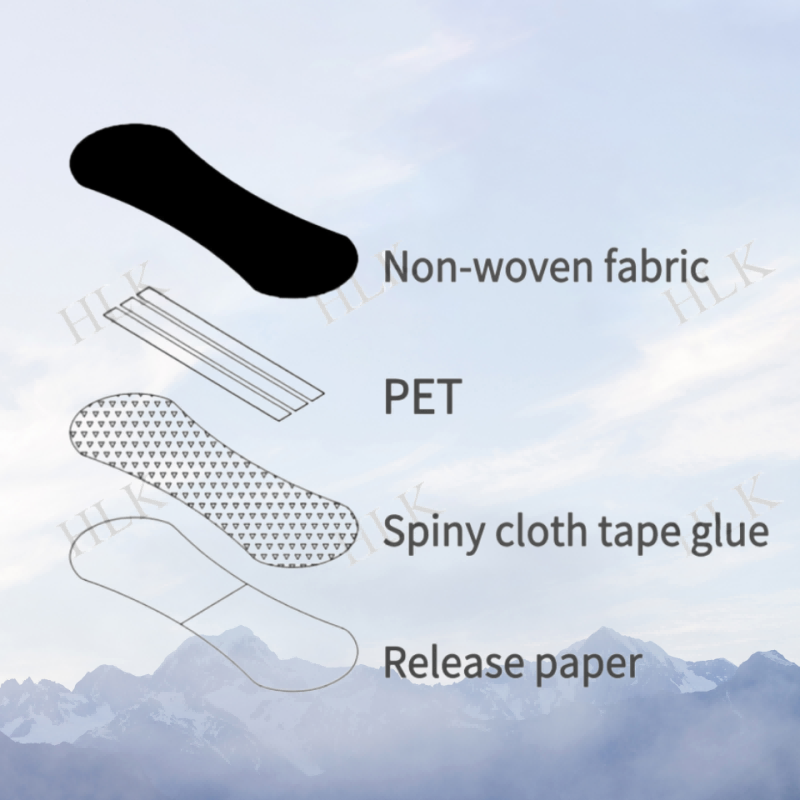
Understanding Adhesion Mechanisms in Nasal Strip Technology
Surface Tension and Skin Interaction Principles
The adhesion performance of nasal strips depends fundamentally on the interaction between specialized adhesive materials and the unique surface characteristics of nasal skin. Modern nasal strips utilize advanced pressure-sensitive adhesives that create molecular bonds with skin oils and surface proteins. These adhesives must balance immediate tack properties with long-term holding power while remaining gentle enough to prevent skin irritation during removal.
Surface tension plays a critical role in determining how effectively nasal strips conform to the contours of the nose. The adhesive layer must flow into microscopic skin irregularities while maintaining structural integrity under the mechanical stress generated by the strip's lifting action. Temperature variations throughout the night can significantly impact this delicate balance, as both skin temperature and ambient conditions affect adhesive viscosity and bonding characteristics.
Material Science Behind Effective Adhesion
Contemporary nasal strips incorporate sophisticated polymer blends designed to optimize adhesion performance across diverse user conditions. These formulations typically combine acrylic-based adhesives with specialized tackifiers that enhance initial bonding while incorporating plasticizers that maintain flexibility during extended wear periods. The molecular weight distribution of these polymers directly influences both the immediate grab strength and the long-term adhesion stability that users experience.
Advanced nasal strips also feature breathable backing materials that allow moisture vapor transmission while preventing liquid penetration that could compromise adhesive integrity. This vapor permeability is essential for maintaining adhesion in high-humidity environments or for users who experience significant perspiration during sleep. The backing material's tensile properties must complement the adhesive system to ensure consistent lifting force distribution across the entire strip width.
Common Adhesion Failure Modes and Root Causes
Environmental Factors Affecting Strip Performance
Humidity levels represent one of the most significant environmental challenges for nasal strip adhesion. Excessive moisture can interfere with the initial bonding process and gradually weaken established adhesive bonds through osmotic effects. Users in tropical climates or those who sleep in poorly ventilated bedrooms often experience premature adhesion failure due to elevated humidity levels that exceed the moisture management capabilities of standard nasal strips.
Temperature fluctuations throughout the sleep cycle can create thermal stress within the adhesive bond line, leading to gradual degradation of adhesion performance. As room temperatures drop during nighttime hours, some adhesive formulations become less pliable, reducing their ability to maintain intimate contact with skin surfaces that may shift slightly due to natural facial muscle relaxation during sleep phases.
Skin Preparation and User Technique Issues
Inadequate skin preparation accounts for a substantial percentage of adhesion failures experienced by nasal strip users. Residual skincare products, natural oils, or environmental contaminants can create a barrier layer that prevents optimal adhesive contact with clean skin surfaces. Users who apply moisturizers, cleansers, or other topical products to the nasal area without adequate removal time often experience poor initial adhesion that worsens throughout the night.
Improper application technique, including insufficient pressure during initial placement or premature handling after application, can significantly compromise the adhesion development process. The pressure-sensitive adhesives used in quality nasal strips require several minutes of sustained contact pressure to achieve optimal molecular bonding with skin proteins and lipids. Users who rush the application process or fail to maintain adequate pressure during the critical bonding period often experience suboptimal performance.
Advanced Solutions for Enhanced Adhesion Performance
Surface Preparation Protocols for Optimal Bonding
Implementing comprehensive skin preparation protocols can dramatically improve adhesion outcomes for challenging use cases. The optimal preparation sequence begins with gentle cleansing using alcohol-free, oil-free cleansers that remove surface contaminants without disrupting the natural skin barrier function. Following cleansing, complete drying of the nasal area using lint-free materials ensures that residual moisture does not interfere with initial adhesive wetting.
For users with particularly oily skin or those living in high-humidity environments, light application of specialized skin preparation solutions can enhance adhesion performance. These solutions typically contain mild degreasing agents that normalize skin surface energy without causing irritation or excessive drying. The timing of application becomes crucial, as these preparation products must be completely absorbed before nasal strips placement to avoid interference with adhesive bonding mechanisms.
Environmental Control Strategies
Bedroom environmental management represents a proactive approach to minimizing adhesion challenges before they occur. Maintaining relative humidity levels between 40-60% creates optimal conditions for most nasal strip adhesive systems while remaining comfortable for sleep. Users can achieve this balance through strategic use of dehumidifiers in overly humid conditions or humidifiers in excessively dry environments, particularly during winter months when heating systems can create problematic low-humidity conditions.
Temperature stability throughout the sleep period helps maintain consistent adhesive properties and reduces thermal stress on the bond line. Programmable thermostats that minimize temperature swings during nighttime hours can significantly extend adhesion performance, particularly for users who experience frequent adhesion failures in rooms with poor thermal control. Air circulation improvements through ceiling fans or ventilation upgrades can also help manage both humidity and temperature fluctuations that compromise nasal strip performance.
Material Innovations Addressing Adhesion Challenges
Next-Generation Adhesive Formulations
Recent advances in adhesive chemistry have produced specialized formulations specifically engineered for extended-wear nasal strip applications. These innovations incorporate hydrocolloid technologies that actually improve adhesion performance in the presence of moderate moisture, transforming a traditional weakness into a performance advantage. The hydrocolloid particles absorb excess moisture while maintaining adhesive integrity, creating a self-regulating system that adapts to varying humidity conditions throughout the night.
Pressure-sensitive adhesives enhanced with micro-encapsulated tackifiers represent another breakthrough in nasal strip adhesion technology. These encapsulated additives gradually release during the wear period, providing renewed bonding energy that compensates for natural adhesion degradation over time. This sustained-release mechanism allows nasal strips to maintain consistent lifting performance for extended periods while accommodating the natural movement and micro-shifts that occur during normal sleep cycles.
Breathable Substrate Developments
Advanced backing materials featuring engineered porosity patterns provide superior moisture management while maintaining the structural integrity necessary for effective nasal passage lifting. These substrates utilize selective permeability principles that allow water vapor transmission while blocking liquid water penetration, creating an optimal moisture balance at the skin-adhesive interface throughout the wear period.
Multilayer substrate constructions combine different material properties to optimize both adhesion and user comfort simultaneously. The skin-contact layer focuses on gentle adhesion and moisture management, while intermediate layers provide structural support and lifting force distribution. The outer layer incorporates materials optimized for durability and resistance to environmental factors that could compromise overall strip performance during extended wear periods.
Troubleshooting Persistent Adhesion Problems
Diagnostic Approaches for Identifying Root Causes
Systematic evaluation of adhesion failures requires careful analysis of multiple contributing factors that may interact in complex ways. Users experiencing chronic adhesion problems should begin by documenting environmental conditions during failed applications, including room temperature, humidity levels, and any recent changes in skincare routines or sleep environment modifications that might affect nasal strip performance.
Timing analysis of adhesion failures provides valuable insights into underlying causes and appropriate corrective measures. Failures occurring within the first hour typically indicate application technique issues or inadequate skin preparation, while gradual adhesion loss over several hours suggests environmental factors or incompatibility between skin chemistry and adhesive formulation. Late-night failures often correlate with excessive movement, humidity changes, or temperature fluctuations that exceed the design parameters of standard nasal strips.
Customization Strategies for Challenging Cases
Users with persistent adhesion challenges may benefit from customized application protocols that address their specific combination of environmental conditions, skin characteristics, and lifestyle factors. This might include modified skin preparation sequences, alternative nasal strip orientations, or supplementary retention methods that provide additional mechanical support without compromising the primary adhesive bonding mechanism.
Product selection optimization based on individual user profiles can significantly improve adhesion outcomes for challenging applications. Different nasal strip formulations excel under specific conditions, and matching product characteristics to user requirements often resolves persistent problems that appear intractable with standard approaches. This matching process considers factors including skin sensitivity, typical sleep duration, environmental conditions, and any medications or topical products that might affect adhesion performance.
Professional Applications and Clinical Considerations
Healthcare Setting Requirements
Clinical applications of nasal strips in healthcare environments present unique adhesion challenges due to elevated hygiene requirements, potential interactions with medical treatments, and the need for reliable performance across diverse patient populations. Healthcare professionals must consider factors including patient skin integrity, concurrent topical medications, and the potential for adhesive-related complications when selecting and applying nasal strips in clinical settings.
Infection control protocols in healthcare environments can significantly impact nasal strip adhesion performance through required skin preparation procedures and environmental controls that may not align with optimal adhesive bonding conditions. Healthcare facilities must balance these competing requirements while maintaining the therapeutic benefits that nasal strips provide for patients with breathing difficulties or sleep-related disorders.
Long-Term Performance Monitoring
Professional applications often require extended wear periods that challenge the adhesion capabilities of standard nasal strips beyond typical home-use scenarios. Healthcare providers must implement monitoring protocols that detect early signs of adhesion degradation before complete failure occurs, ensuring continuous therapeutic benefit while preventing complications associated with partially detached strips.
Documentation of adhesion performance in clinical settings provides valuable data for optimizing nasal strip selection and application protocols for different patient populations. This information helps healthcare providers develop evidence-based guidelines for nasal strip use that maximize therapeutic benefits while minimizing adhesion-related complications across diverse clinical applications and patient characteristics.
FAQ
Why do nasal strips lose adhesion during the night
Nasal strips typically lose adhesion during nighttime hours due to a combination of environmental factors, natural skin changes, and mechanical stress from facial movement during sleep. Humidity levels often increase during the night as people breathe and perspire, creating moisture that can gradually weaken the adhesive bond. Additionally, natural oils produced by the skin continue to accumulate under the strip, potentially interfering with the adhesive contact. Temperature fluctuations throughout the night can also affect adhesive properties, making them less pliable and reducing their ability to maintain intimate contact with the skin surface.
How can I improve nasal strip adhesion for oily skin
Users with oily skin can significantly improve nasal strip adhesion by implementing thorough skin preparation protocols before application. Begin by cleansing the nasal area with an oil-free, alcohol-free cleanser to remove excess sebum and surface contaminants. Allow the skin to dry completely, then consider using a mild skin preparation solution designed to normalize surface oil levels. Apply gentle pressure to the nasal strip for at least 30 seconds during initial placement, and avoid touching the strip unnecessarily after application. Some users benefit from lightly dusting the area with cornstarch-based powder before strip application to absorb excess oils.
What environmental conditions cause the most adhesion problems
High humidity environments above 70% relative humidity represent the most challenging conditions for nasal strip adhesion, as excess moisture can interfere with both initial bonding and long-term adhesion stability. Rapid temperature changes throughout the night create thermal stress that can cause gradual adhesion failure, particularly when temperatures drop significantly during early morning hours. Poor air circulation in bedrooms can exacerbate both humidity and temperature-related issues by preventing moisture evaporation and creating localized hot spots that affect adhesive performance. Extremely dry conditions below 30% humidity can also cause problems by making adhesives less pliable and reducing their ability to conform to skin contours.
Can skincare products affect nasal strip performance
Skincare products can significantly impact nasal strip adhesion performance, with moisturizers, oils, and cleansing residues creating barrier layers that prevent optimal adhesive contact with the skin. Products containing silicones, petrolatum, or heavy emollients are particularly problematic as they create slippery surfaces that resist adhesive bonding. Even beneficial products like sunscreens or anti-aging treatments can interfere with adhesion if not properly removed before nasal strip application. Users should avoid applying any skincare products to the nasal area for at least 30 minutes before using nasal strips, and consider using gentle, residue-free cleansers specifically formulated for preparing skin surfaces for adhesive applications.
One-Stop Custom Tape & Patch Supplier, Fully Certified & Safety Guaranteed
Name: Vicky Zhou
Call/Text: +86 198 0595 7675
Email: [email protected]
Website:https://www.hlktape.com
YouTube:https://www.youtube.com/@HLKTape